Confirm the wastewater and compliance route before selecting equipment
Selecting an effluent treatment plant in Abuja starts with the wastewater, not the catalogue. Confirm the design flow, COD, BOD, TSS, pH, oil and grease, temperature, discharge or reuse route, and applicable limits before choosing equipment. DAF is relevant where suspended solids, oil and grease or colloids dominate; biological treatment addresses biodegradable organics; MBR provides membrane separation; and UF can polish solids before RO. The Wupa study recorded 51.9% COD and 43.3% BOD reduction but still reported that the effluent did not meet required standards.
Use the following site-input worksheet before requesting equipment quotations:
- Flow: record peak and average wastewater flow rates, the design horizon, production shifts, seasonal variation and the wastewater source or production line.
- Pollutants: obtain representative influent results for pH, COD, BOD, TSS, TDS, oil and grease, temperature, toxicity and any process-specific contaminants.
- Compliance destination: identify the exact sewer connection, receiving environment or reuse application. Ask the site’s environmental authority or regulator for the applicable site-specific limits in writing; a general guideline citation does not establish an Abuja industrial discharge permit.
- Site constraints: provide available footprint, soil conditions, power supply, drainage route and intended reuse application.
- Residuals: request expected sludge volume and characteristics, the disposal route and dewatering requirements.
- Operations: define automation, operator availability and remote-monitoring requirements.
Keep the Wupa wastewater treatment plant separate from the industrial design basis. The study assessed physicochemical characteristics at the influent and effluent points of a municipal plant in Wupa, Abuja, and reported effluent TS, TSS and TDS of 329.53 mg/l, 62.03 mg/l and 266.30 mg/l, respectively (AJER). Its 51.9% COD and 43.3% BOD reductions did not satisfy the standards cited by that study. Those results demonstrate that removal percentage alone is not a compliance criterion; they do not establish the capacity or performance required for an industrial ETP in Abuja.
Match the dominant wastewater problems to treatment routes
Selection of the treatment process depends on the contaminant profile and final-use requirements. Treat flotation, biological treatment, membranes and polishing as complementary stages rather than interchangeable descriptions.
| Discharge route or influent problem | Governing rule or process option | What data settles it |
|---|---|---|
| Suspended solids, oil and grease, or floatable material | Assess DAF system for industrial wastewater as primary clarification or pretreatment. Equalization may be needed where flow and pollutant loads fluctuate. | Influent and effluent TSS, oil and grease, pH, peak flow and the required removal or final concentration. |
| Biodegradable organics | Use biological treatment where the wastewater characteristics support it, with process selection based on measured COD and BOD rather than generic ETP claims. | Representative COD, BOD, toxicity, temperature, pH, biodegradability and the confirmed discharge or reuse limits. |
| Low-strength wastewater requiring biological treatment and solids separation | Assess an MBR wastewater treatment system where its required effluent quality justifies the process and operating obligations. | Target TSS and solids-removal requirement, membrane operating conditions, footprint, power, sludge handling and lifecycle commitments. |
| Suspended solids, colloids or bacteria removal before RO or a sensitive downstream process | Assess ultrafiltration polishing. The supplied UF equipment range is 2,000 to 40,000 L/h; confirm that this range fits the required polishing flow. | Design flow, feed-water analysis, required permeate or polishing result, operating pressure, membrane cleaning and replacement responsibility. |
| Farmland, process reuse or indirect potable reuse | Define the reuse objective and applicable water-quality criteria before selecting the final process. Nanofiltration research describes polishing WWTP effluent to EU WFD standards for agricultural or indirect potable use, but that finding is outside the supplied Abuja permit evidence. | Written reuse standard, recipient-process requirements, health and safety controls, sampling plan and the approving authority’s approval. |
Use a staged route when treatment objectives change between stages. Commercial ETP material describes equalization, primary treatment, biological treatment, tertiary treatment, sludge management and automation as an integrated sequence, which provides a framework for the RFQ.
For a more structured comparison, review the DAF, MBR and reuse comparison for high-COD wastewater, then apply its decision logic only after confirming the Abuja site data and regulatory route.
Use measured performance to set acceptance criteria
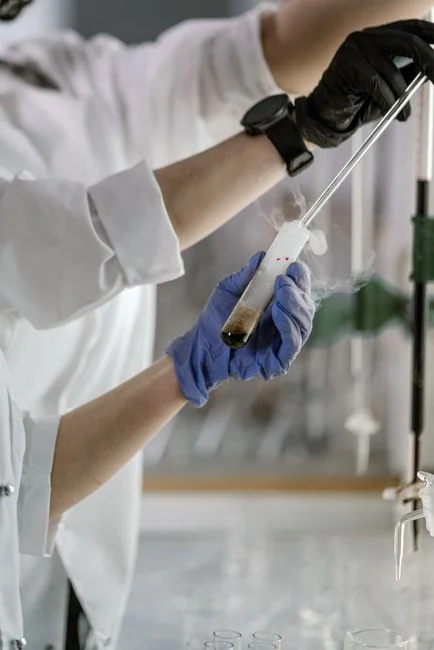
Performance acceptance is defined as a measured effluent result against a confirmed limit, not as a general removal claim. The purchase agreement should state sampling points, test parameters, test methods, operating conditions, laboratory independence and acceptance thresholds.
Distinguish equipment capacity from effluent quality. A flow rating in m³/h or m³/day states how much wastewater the system is intended to process under defined conditions; it does not establish that the effluent will meet a COD, BOD, TSS or reuse requirement. Capacity and quality therefore require separate acceptance clauses.
Require the supplier to provide an effluent performance guarantee against the confirmed applicable limits. The agreement should also establish whether testing occurs at the final discharge point, under continuous, peak or representative loading, and who bears the cost if the result fails. If the site limit is unavailable when the quotation is prepared, state that limitation rather than allowing “compliant ETP” to remain an undefined promise.
Specify operating conditions as part of the test. COD and BOD removal can vary with influent composition, temperature, pH, toxicity and treatment stability. The Wupa study is a useful warning: despite reported reductions of 51.9% in COD and 43.3% in BOD, the effluent still did not meet the standards cited by the researchers (AJER).
Build the supplier scope and identify pre-signature red flags
A quotation must convert the selected route into an auditable supply scope. A generic plant description is not enough to verify sizing, performance or ownership of operating obligations.
| Quote line item | Technical scope to specify | Red flags to check before signing |
|---|---|---|
| Process design and sizing | Process flow diagram, equipment schedule, duty table, design flow and duty point, hydraulic profile and performance guarantee. | Peak flow, influent concentrations or discharge route are absent, so equipment capacity and acceptance conditions cannot be verified. |
| Equipment and materials | Equipment datasheets, material specifications, corrosion-protection requirements and supplied accessories. | The schedule omits treatment stages, duty conditions, materials or the membrane, media and sludge-handling provisions required by the process. |
| Utilities and site works | Power, water, compressed air, chemicals, drainage, foundations, access, building and civil-work list. | Civil works, electrical supply, drainage or utility connections are described as “optional” without responsibility, price or boundary. |
| Sludge and chemical handling | Sludge generation basis, removal or dewatering method, disposal route and chemical-storage and dosing requirements. | No party owns sludge removal, consumable supply or hazardous-waste handling. |
| Controls and automation | Controls narrative, alarms, instrument schedule, data logging, remote support and operator interface. | Automation is promised without an I/O list, alarm philosophy, power requirement or after-sales responsibility. |
| Freight, installation and commissioning | Separate prices for equipment supply, local and foreign freight, import duties, installation, civil works, electrical work, commissioning and operator training. | A total price hides exclusions or assumes the buyer will arrange installation, testing, duties or site preparation without a stated allowance. |
| Performance testing and handover | Sampling plan, test methods, independent laboratory, acceptance thresholds, corrective-action process, manuals and spares. | “Reliable compliance” is the only assurance, or acceptance testing, consumables, warranty, spares and long-term service are excluded. |
State who supplies wastewater analysis, the site survey, permits, foundations, power, drainage, sludge removal, operator training, consumables and maintenance support. If sludge dewatering is required, ask whether a plate-and-frame filter press is included and define the dewatering duty and operator method. Define chemical dosing against measured influent conditions and name the responsible party; for example, request the scope and controls for an automatic chemical dosing system where continuous dosing is part of the proposed route.
Reject a quotation for formal review if it omits peak flow, influent concentrations, discharge route, sludge handling, utilities or acceptance testing. Those omissions prevent verifiable sizing and turn the price into an equipment price rather than an ETP supply offer.
Confirm delivery, installation and operating ownership
Confirm the handover boundary before accepting the commercial offer. Equipment supply, freight, import clearance, installation, civil works, electrical work, commissioning and training may involve different parties. Record each responsibility, price, dependency and acceptance milestone so that delivery to a site is not mistaken for a commissioned and operable treatment plant.
Agree response times for commissioning, operator training, spare parts, membrane or media replacement, remote support and preventive maintenance. Identify who owns routine operation, laboratory sampling, chemical supply, sludge handling and emergency response. The wastewater O&M scope and acceptance checklist provides a structure for separating service responsibilities from equipment responsibilities.
Require an operating manual before acceptance. It should cover routine checks, chemical and consumable requirements, alarm response, sludge handling, sampling, cleaning and emergency shutdown. Check that the proposed route fits available footprint, power, drainage and operating conditions. A technically attractive process that cannot be accessed, powered, drained or maintained at the site is not a complete configuration.
Related Equipment
- DAF system for industrial wastewater — specifications, capacity range, and technical data
Frequently Asked Questions
How much does an effluent treatment plant in Abuja cost?
Request a quotation broken into equipment, freight, duties, installation, civil works, electrical work, commissioning, training, performance testing, spares and O&M. No supported site-specific price is available here, so the buyer must supply the design flow, influent analysis, selected process, footprint and delivery scope before comparing costs. Compare offers on the same scope and acceptance conditions.
Which treatment route should I select for high-COD industrial wastewater?
Use measured COD, BOD, TSS, pH, toxicity, temperature, flow variability and the final discharge or reuse requirement to decide. Assess whether DAF is needed for floatables and solids, biological treatment for biodegradable organics, MBR for combined biological treatment and membrane separation, and UF for downstream polishing. Review the industrial effluent plant and DAF selection method as a comparison framework.
How should I check a supplier’s effluent performance guarantee?
Require the guarantee to cite the confirmed discharge or reuse limit, sampling point, parameters, test methods, representative operating conditions, independent laboratory and failure remedy. Do not accept a general statement of compliance or a removal percentage without an effluent acceptance threshold. A capacity statement alone cannot prove water-quality compliance.
What should I confirm before selecting a supplier for delivery and commissioning?
Ask the supplier to state delivery scope, lead time, installation and civil-work responsibility, commissioning prerequisites, training, warranty, spare-parts availability and O&M support. Confirm that the proposed plant fits the site’s footprint, power, drainage and sludge-disposal arrangements. Any unsupported delivery date or unpriced commissioning responsibility should remain a documented commercial gap before signature.