Confirm the discharge route before choosing a plant
For a Gambian hotel, the immediate choice is between public-sewer discharge and on-site treatment, normally an underground A/O package plant or an MBR system. Selection should follow verified daily flow and peak demand, available gravity sewer capacity, effluent requirements, footprint, groundwater and flood risk, power availability, and sludge-disposal arrangements. S3 identifies Aqua Gambia as responsible for the wastewater treatment facility and connected sewer network and reports serious odour concerns affecting hotels near Kotu. A site survey and written route confirmation are essential before selecting equipment or requesting a final quotation.
Start with the discharge route, not the equipment catalogue. Ask the utility or responsible operator for written confirmation of:
- Whether a connection serving the hotel is available at the proposed point;
- The receiving sewer’s capacity, pipe diameter, invert levels and available gravity fall;
- Any required pretreatment and the applicable connection conditions;
- Ownership and maintenance boundaries for the public connection and private hotel works;
- Commissioning, testing and discharge-approval responsibilities.
S3 reports that Aqua Gambia is responsible for the wastewater treatment facility and all connected sewage network in The Gambia. The same source reports that more than fifty sewage trunks discharged wastewater at the Aqua Gambia Kotu pond in a single day and describes odour pollution affecting nearby hotels and residents. This is evidence of a reported local concern, not proof that a particular hotel lacks capacity or that any particular treatment route will be accepted.
Use the hotel sewage route comparison as a framework, but obtain the Gambian site evidence directly from the hotel, landowner and responsible authority. A connection point shown on a drawing does not establish that a connection is available.
Compare sewer, A/O and MBR treatment routes
Public sewer discharge is the primary option only where a responsible utility or operator confirms that an acceptable connection is available. Otherwise, compare an on-site underground A/O package sewage treatment plant with an MBR wastewater treatment system using the same verified site inputs.
Do not treat A/O and MBR as interchangeable without reviewing the required effluent quality, footprint, operating controls and residual-sludge route. A package treatment supplier may recommend a process train, but the technical basis and acceptance criteria must remain in the quotation.
| Discharge route or influent problem | Governing rule or process option | What data settles it |
|---|---|---|
| A confirmed public connection is available | Assess sewer discharge rather than specifying an on-site plant, subject to connection conditions and approval | Written confirmation of receiving-point capacity, pipe diameter, invert levels, pretreatment requirements and commissioning responsibility |
| No confirmed public connection is available | Develop an on-site sewage treatment scope for the selected discharge route | Survey results, designated receiving point, land availability and the authority’s written approval route |
| Buried treatment may fit the site | Evaluate an underground A/O biological contact oxidation package plant | Verified flow and peak demand, effluent criteria, excavation and groundwater conditions, burial depth, access and flood exposure |
| A higher-quality or more compact treatment train is being considered | Evaluate an MBR system against the actual treatment objective | Required effluent quality, available footprint, membrane and control requirements, operator access, power supply and maintenance support |
| Hotel wastewater flow varies materially by day or season | Size from measured and documented flow variation rather than guest-room count alone | Occupancy records, water-meter history, daily flow measurements and hourly peak observations |
Test the proposed plant against site constraints
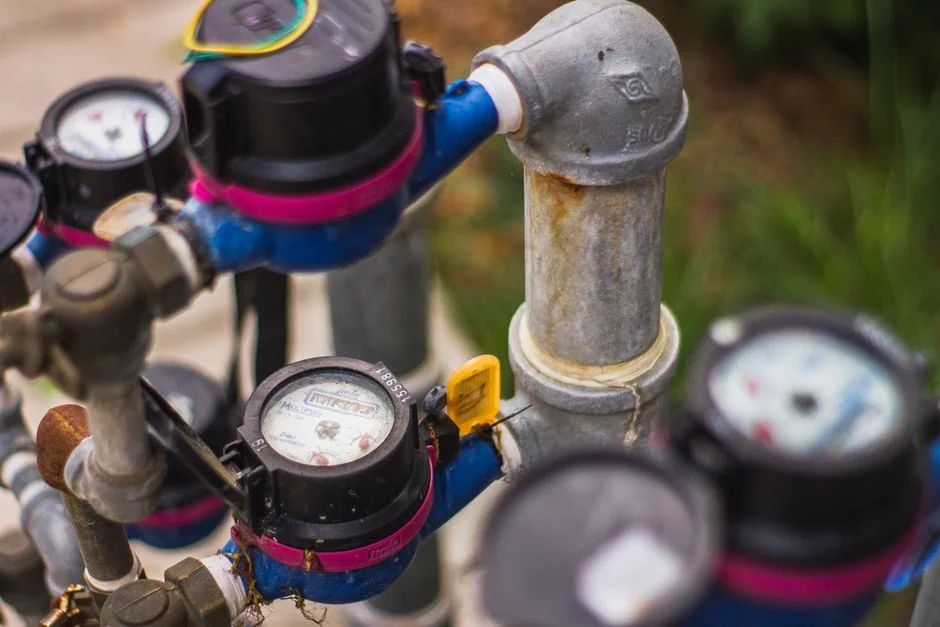
A plant becomes technically defensible only when its hydraulic basis and physical installation match the hotel’s actual operating pattern. Use occupancy and operating records to establish average daily sewage flow and peak periods; do not size from guest-room count alone. Ask for meter readings or measured flow records covering ordinary trading, full occupancy and relevant seasonal variation.
Before accepting a buried configuration, confirm:
- Gravity sewer invert levels and the connection route;
- Available pipe capacity and the receiving-point location;
- Treatment-plant location and underground utility setbacks;
- Burial depth, excavation access and landscaping reinstatement;
- Groundwater level and flood exposure at the proposed location;
- Power supply, controls, alarms and maintenance access.
The research supplied for this comparison contains no verified MBR capacity range or filtration specification. Those figures should be requested from the bidder and checked against the design flow, treatment objective and site envelope. Equipment specifications are selection criteria, not proof that MBR is required at a particular hotel.
Confirm local authority approval, the power connection, operator access, alarm provision, spare parts, sludge handling and the approved discharge point. For any decentralized hotel wastewater treatment option, ask the bidder to explain how A/O biological contact oxidation stages, clarification and subsequent treatment steps fit together, or how the membrane bioreactor stages address the agreed objective. The packaged treatment selection for hotels provides a useful comparison structure, but the final selection must use the Gambian site survey and authority requirements.
Do not omit sludge disposal from the comparison. Ask who will remove, transport and dispose of the residual sludge or biosolids, where it will go, what access is required, and which recurring operating task this creates for the hotel.
Build an RFQ scope with acceptance criteria
A comparable quotation must describe the complete treatment system, not only the packaged equipment. Request one integrated scope covering incoming works, biological treatment, clarification, disinfection where required, controls, sludge handling, installation, commissioning, training and handover. If disinfection is not part of the proposed process, require the bidder to explain the effluent treatment sequence and its compliance basis.
| Quote line item | Technical scope to specify | Red flags to check before signing |
|---|---|---|
| Design basis and treatment train | State design flow, peak-flow basis, process stages, treatment train, final discharge route and required effluent quality | Equipment-only wording, an unstated flow basis or no explanation of how the proposed stages meet the treatment objective |
| Incoming works and installation | Define connection, excavation, pipework, lifting, foundations, backfill, reinstatement and underground utility interfaces | Civil works excluded without identifying who will complete them or whether the exclusion affects price and programme |
| Controls, power and alarms | Specify control philosophy, power demand, protection, alarms, data logging and operator interface | No power schedule, no alarm list or undefined supplier responsibility for utility connections |
| Sludge handling and discharge approval | Define residual-sludde withdrawal, storage, removal, disposal documentation and the approved discharge point | Sludge route omitted or approval treated as automatic despite no written confirmation |
| Commissioning and handover | Define testing, training, as-built documents, operating manual, spare parts and support responsibilities | Commissioning limited to equipment start-up with no performance test or hotel staff handover |
| Assumptions, price and schedule | List unresolved site assumptions, exclusions, payment milestones, delivery programme and long-term operating responsibilities | Unresolved assumptions or commercial exclusions are left for the hotel to discover after award |
Specify the site information the hotel must provide: verified flow and peak demand, occupancy variation, sewer survey, effluent criteria, discharge point, footprint, groundwater and flood information, power availability, access and sludge-disposal arrangements. Identify who is responsible for the survey, permits, power connection, discharge approval, construction access, commissioning and handover.
Require each bidder to identify unresolved assumptions and commercial exclusions. Treat these as clarification items before award. For consistency, the containerized sewage treatment plant sizing illustrates why flow and configuration questions should be resolved before comparing alternatives, although the hotel’s proposed system may not be containerized.
Acceptance criteria should define the agreed treatment objective, test method, authority requirement and handover documents. The supplied research does not establish a Gambian numerical effluent limit, comparative life-cycle performance or price for any route, so the RFQ must request project-specific pricing and written acceptance conditions.
Frequently Asked Questions
How should a Gambian hotel be sized for a sewage treatment plant?
Size it from verified sewage flow and peak demand, supported by occupancy patterns, meter history or measured flow—not guest-room count alone. The bidder should state the design flow and explain how peak and seasonal variation are handled in the selected treatment train.
What should be included when comparing a sewer connection, A/O plant and MBR quotation?
For sewer discharge, require written confirmation of connection availability and receiving capacity. For on-site options, require the design flow, process stages, footprint, utilities, controls, installation, sludge route, discharge point, commissioning and handover. A comparable quote must state all assumptions and exclusions so equipment-only bids are not compared on an incomplete basis.
How can a buyer assess a sewage treatment supplier?
Check the supplier’s integrated scope, local support arrangements, control and alarm provisions, operator training, spare-parts plan and commissioning evidence. Also require named responsibilities for permits, the power connection, discharge approval, construction access and long-term maintenance; without these, technical compliance at handover remains unresolved.
What does a complete hotel wastewater treatment quotation need to cost?
Ask bidders to price equipment, incoming works, installation, civil works, controls, power requirements, commissioning, training, discharge approval support, sludge handling and long-term operating responsibilities separately. No supported project price is available for these Gambian hotel routes, so the buyer should provide the verified flow, survey data, effluent objective, footprint and discharge route and request a site-specific quotation.