Confirm the wastewater duty before selecting equipment
For a hotel in Djibouti, the practical choice is usually between connection to an available sewer, an underground A/O package plant, or an MBR system. Sewer discharge may be simplest where network access, treatment capacity and local acceptance are confirmed. A buried A/O plant suits a conventional treatment objective where footprint and operating controls are acceptable. MBR merits consideration for compact installation or advanced water reuse. Studies cited by Fluence indicate that each occupied hotel room uses 100 and 200 GPD of drinking water, but final sizing must use measured hotel wastewater flows and verified local requirements.
Start by separating every stream that can reach the proposed treatment route: guest-room bathroom wastewater, food-service wastewater, laundry grey water, swimming-pool discharges, staff wastewater, roof runoff, and grounds or parking-lot runoff. Fluence specifically identifies bathroom fixtures, food-service wastewater, laundry grey water, and roof, grounds, and parking-lot runoff as relevant hotel streams. Their hydraulic loads and contaminant concentrations must not be combined into one generic “hotel wastewater” figure.
Use the cited room-use benchmark only to frame the enquiry. Fluence states that some studies found each occupied hotel room uses between 100 and 200 GPD of drinking water, corresponding to an annual average of 36,500 to 73,000 gallons per room. That is drinking-water use, not a verified wastewater-generation rate, so it cannot size an underground A/O package treatment plant or an MBR.
Before comparing quotations, request measured average and peak flows in m³/day, the occupancy profile and seasonal variation, wastewater characteristics, required reuse applications, available footprint, burial depth, vehicle access, drainage routes, flood exposure, grid connection, backup-power needs, and remote-monitoring requirements. Decide whether recovered water is intended only for nonpotable applications—such as landscaping and outdoor water features—or whether any proposed reuse requires a higher level of regulatory approval.
Compare sewer discharge, buried A/O and MBR treatment
Sewer discharge is the baseline route only when network access, available capacity, tariffs and local acceptance have been confirmed in writing. The EIB’s description of wastewater treatment infrastructure in Djibouti does not establish that a sewer connection is available at a particular hotel or that the receiving system has capacity for the proposed discharge. A comparison of sewer, A/O and MBR hotel treatment therefore starts with site confirmation, not assumed network access.
In-house treatment can reduce dependence on drinking water for suitable nonpotable applications. Fluence identifies landscaping and outdoor water features among the potential uses of treated wastewater. That reuse case may justify an MBR, but the required quality, intended use and authority approval must be defined before selecting membrane equipment.
| Discharge route or influent problem | Governing rule or process option | What data settles it |
|---|---|---|
| Available municipal sewer | Sewer discharge is the baseline where connection, capacity, tariffs and local acceptance are confirmed; in-house reuse may be unnecessary if these conditions are met. | Written connection response, receiving-network capacity confirmation, applicable tariffs, discharge conditions and stated authority for each requirement. |
| Compact conventional biological treatment | Use a buried A/O package route when below-grade installation, integrated clarification and disinfection, and compact siting are the main objectives within the supplier’s stated flow envelope. | Measured average and peak flows, footprint, burial depth, soil and flood conditions, power availability, and the supplier’s process-sizing basis. |
| Advanced nonpotable reuse | Use MBR when the required reuse quality or compact footprint justifies the added membrane scope; confirm cleaning, replacement and spare-parts arrangements. | Reuse application and quality schedule, peak-flow data, membrane configuration, cleaning method, replacement provisions and O&M responsibility. |
| Food-service, laundry and bathroom streams | Assess source separation separately because each stream has different hydraulic, quality and pretreatment requirements. | Individual stream flow and sampling data, grease or solids observations, laundry characteristics, proposed reuse destination, and separate unit-process assessments. |
Match the treatment route to site constraints
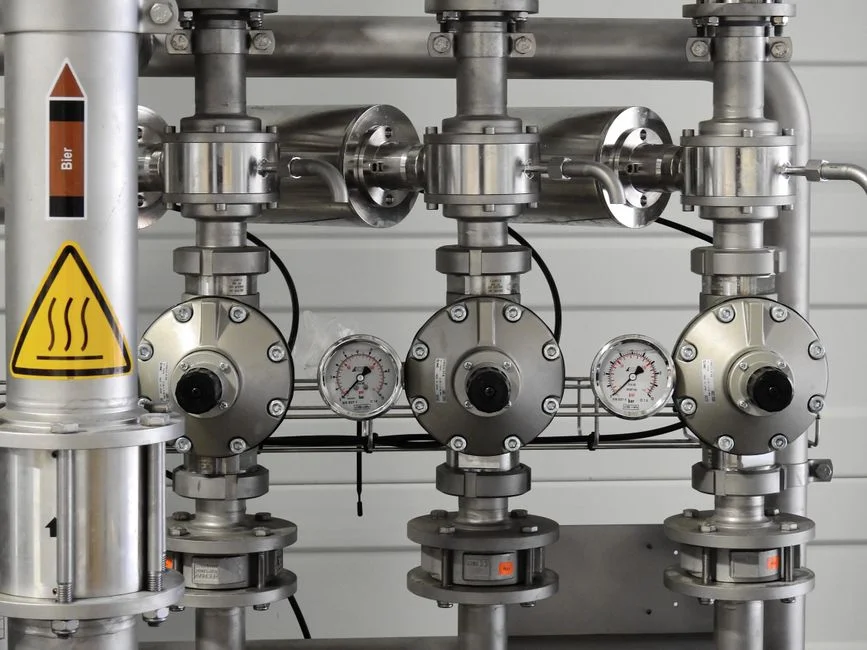
Site constraints dictate the mechanical footprint and process complexity required for effective wastewater handling. Choose a buried A/O package plant when the priority is a compact conventional biological route, below-grade installation, and integrated clarification and disinfection. A containerized sewage treatment sizing in Djibouti should be used only as a sizing reference; the quoted design must be based on measured flows and the proposed treatment duty.
Choose MBR when advanced reuse or a smaller installation footprint justifies the membrane scope. Require the supplier to explain membrane cleaning, replacement intervals under the stated duty, critical spares, recovery behavior, and whether membrane work can occur without disrupting hotel operations. The UF versus MBR for greywater reuse comparison can help structure the technical questions, but Djibouti reuse requirements and site conditions must control the decision.
Choose sewer discharge when an acceptable connection is confirmed and the property does not need on-site water recovery. Obtain the applicable connection and discharge conditions in writing. The environmental impact screening should distinguish public municipal investment from unverified site facts: municipal treatment infrastructure in Djibouti does not prove that a specific hotel can connect, what capacity is available, or which approvals apply.
Treat source-separation opportunities separately. Laundry, food-service and bathroom streams may have different reuse options, but every diverted stream needs its own hydraulic, quality and pretreatment assessment. Include access for cleaning, odor control, backwash or membrane maintenance, and the consequences of one stream being unavailable when designing the reuse train.
Build the RFQ scope and acceptance criteria
A quotation must state the complete design basis, unit-process train, design duty, standby strategy, control philosophy, power demand, civil interfaces, sludge handling, commissioning method and O&M deliverables. Do not accept a performance guarantee based only on nominal capacity: require agreed sampling points, test methods, acceptance values, rectification periods and startup criteria tied to the hotel’s actual wastewater and reuse duties.
Complete the following pre-order checklist before comparing commercial responses:
- Attach flow records covering guest rooms, kitchens, laundry, pools, staff facilities and stormwater, with average, peak and seasonal data.
- Provide occupancy, wastewater characteristics, reuse demand, available footprint, burial depth, soil, flood level, drainage and utility-connection information.
- Define the authority route, environmental screening, discharge point, sampling requirements and required permits in writing.
- Require supplier drawings showing process boundaries, civil interfaces, access, sludge or solids handling, control panel, power supply and monitoring.
- State commissioning boundaries, training, spare parts, maintenance schedule, warranty exclusions and named responsibilities.
| Quote line item | Technical scope to specify | Red flags to check before signing |
|---|---|---|
| Design basis and process train | Measured average and peak flows, occupancy basis, influent characteristics, treatment objectives, reuse demand, unit processes and selected duty envelope. | Nominal capacity without a design basis; no process drawings; unsupported reuse claims; treatment sized from room-count alone. |
| Civil interfaces and installation | Footprint, burial depth, excavation, access, drainage, flood protection, connections, loading, odor control and site-restoration obligations. | Exclusions buried in general terms; no site plan; no responsibility matrix for hotel works and supplier works. |
| Controls, power and standby | Control philosophy, alarms, remote monitoring, power demand, backup-power interface, outage strategy and restart requirements. | No stated power availability or standby assumptions; remote monitoring offered without cybersecurity or service responsibilities. |
| Sludge and pretreatment | Grease, solids and grit management; storage; removal route; cleaning method; waste handling and residue disposal responsibility. | Sludge disposal omitted; no grease or solids strategy; maintenance access conflicts with hotel operations. |
| Commissioning and acceptance | Startup criteria, sample points, test methods, acceptance values, rectification period, training, O&M documents and warranty scope. | Guarantee based only on capacity; no test protocol; no agreed response for failed acceptance testing. |
| Permits and environmental screening | Authority route, applicable discharge and reuse conditions, environmental screening, documentation and who prepares or submits each item. | Supplier assumes approvals without naming the authority, scope or schedule; site-specific compliance is treated as settled. |
Confirm the environmental impact screening before ordering. The EIB states that EIAs for wastewater treatment plant components are required by national legislation in Djibouti. That establishes a screening requirement, but it does not replace site-specific confirmation of the applicable authority, approval route, discharge conditions, construction requirements or reuse approval.
Frequently Asked Questions
When is sewer discharge better than an A/O package plant or MBR for a Djibouti hotel?
Sewer discharge is preferable when the utility confirms connection availability, network capacity, tariffs and acceptable discharge conditions, and the hotel does not require on-site water recovery. If access is unconfirmed, request written confirmation before comparing it with an MBR membrane bioreactor or buried A/O route.
How should hotel flow data support preliminary wastewater sizing?
Use measured flow records, occupancy and seasonal data as the primary sizing basis. The Fluence-cited benchmark of 100 and 200 GPD of drinking water per occupied room, with an annual average of 36,500 to 73,000 gallons per room, can support initial enquiries but not equipment selection by itself.
What should a treatment-system quotation include for cost and budget control?
Request a priced breakdown covering process equipment, civil works, installation, controls, utilities, commissioning, training, maintenance, membrane or replacement-parts provisions, waste removal, exclusions and warranty obligations. Compare quotations against the same measured design duty and acceptance schedule; if the supplier does not provide a price, ask for a complete cost schedule with the scope boundaries stated.
What should be verified with the Djibouti authority before selecting and ordering equipment?
Confirm the applicable connection or discharge route, environmental screening, construction approval, reuse conditions, sampling requirements and operating documentation. The EIB’s statement that EIAs for wastewater treatment plant components are required by national legislation provides the screening starting point, but the hotel must obtain site-specific confirmation from the responsible authority before relying on any route.