Establish the discharge route before selecting equipment
For an effluent treatment plant in Pokhara, choose a packaged A/O system when a compact biological treatment route is the priority and MBR when the project requires membrane-based solids separation or a defined reuse application. A 2026 Pokhara University hospital study found average removal efficiencies of 64.59% for COD and 79.23% for BOD, but its mechanical and sand-filter plant was not an A/O or MBR installation. Treat these results as site-specific evidence, not guaranteed performance. Final selection requires verified discharge or reuse limits, wastewater flows and loads, available space, sludge handling and acceptance criteria.
Obtain the signed discharge consent, reuse specification and receiving-water or reuse conditions before comparing quotations. No Pokhara-specific discharge limit is established by the information available for this procurement, so a generic permit assumption could send the project to the wrong treatment route. The Pokhara sewage and A/O treatment comparison provides local context, but the applicable approval remains a project document to be verified.
Keep the compliance criterion separate from equipment sizing. A discharge limit defines the required water quality; it does not establish average or peak flow, biological loading, equalization volume, footprint or power demand. The project owner should nominate who will provide the signed consent, reuse specification and final site data. The approving authority must then confirm whether the proposed route and receiving point are acceptable.
Use this sequence:
- Confirm whether the treated water will be discharged, reused or land-applied.
- Obtain the governing document from the authority responsible for the receiving point or reuse application.
- Request verified average and peak wastewater flows and representative influent characteristics.
- Compare treatment concepts against the confirmed target and installation constraints.
| Discharge route or influent problem | Governing rule or process option | What data settles it |
|---|---|---|
| Direct discharge | Apply only the signed discharge consent or applicable permit criteria. | Signed consent, receiving-water conditions, authorized discharge point and responsible authority. |
| Defined reuse application | Base treatment and polishing on the recipient’s reuse specification. | Reuse standard, intended application, point-of-use quality requirement and operating schedule. |
| Land application | Verify the receiving land, application method and governing conditions with the authority. | Landholding evidence, application plan, seasonal demand and site-access constraints. |
| Variable wastewater flow or load | Determine whether equalization is required before selecting a biological treatment capacity. | Flow recording, peak-period sampling and influent COD and BOD data. |
Match the treatment route to the wastewater and reuse target
Choose between packaged A/O and MBR only after the wastewater duty, reuse target and site constraints are documented. The closest local study examined a Pokhara University hospital ETP using mechanical treatment and traditional sand filtration. It reported average removal efficiencies of 64.59% for COD, 79.23% for BOD, 69.78% for TSS and 23.27% for turbidity. Those results are useful benchmarks, but they do not establish either route’s guaranteed performance in Pokhara.
Use the underground packaged A/O treatment plant as the comparison basis where compact biological treatment is the priority and the treatment objectives do not specifically require membrane solids separation. For a reuse application with defined solids or turbidity controls, ask bidders to price the MBR membrane bioreactor system against the verified reuse specification. Neither technology should be accepted from a route name alone: the selected system must match measured flow, loads, suspended solids, footprint, operating resources and sludge handling.
The hospital study also supports asking why performance changes between operating periods. Its authors associated declining ETP performance with a need for improved maintenance and preservation. Require bidders to identify the maintenance regime that protects biological activity, solids separation and reuse quality, rather than assuming that an installed plant will sustain initial performance.
Constructed wetlands may be proposed as a polishing option for micropollutant removal because that application was investigated in Wageningen University research on effluent reclamation. That work does not establish performance in Pokhara. Treat wetlands as a project-specific option requiring local justification, not as a default substitute for an A/O or MBR plant.
| Discharge route or influent problem | Governing rule or process option | What data settles it |
|---|---|---|
| Compact biological treatment is the priority | Compare a packaged A/O route against the confirmed effluent target. | Average and peak flow, COD and BOD loads, footprint, utilities, sludge route and signed treatment criteria. |
| Reuse requires membrane-based solids separation | Compare an MBR route, including required pretreatment and membrane maintenance. | Reuse specification, suspended solids, turbidity, required cleaning method, operator resources and replacement provisions. |
| Flow or load varies materially through the day | Assess equalization before fixing biological or membrane capacity. | Hourly or interval flow data and influent sampling across representative operating periods. |
| Additional micropollutant control is investigated | Assess constructed wetlands only as a research-supported polishing concept requiring local validation. | Target compounds, treatment objectives, climate and site evidence; no Pokhara performance is established. |
Use the Pokhara performance evidence as a benchmark, not a guarantee
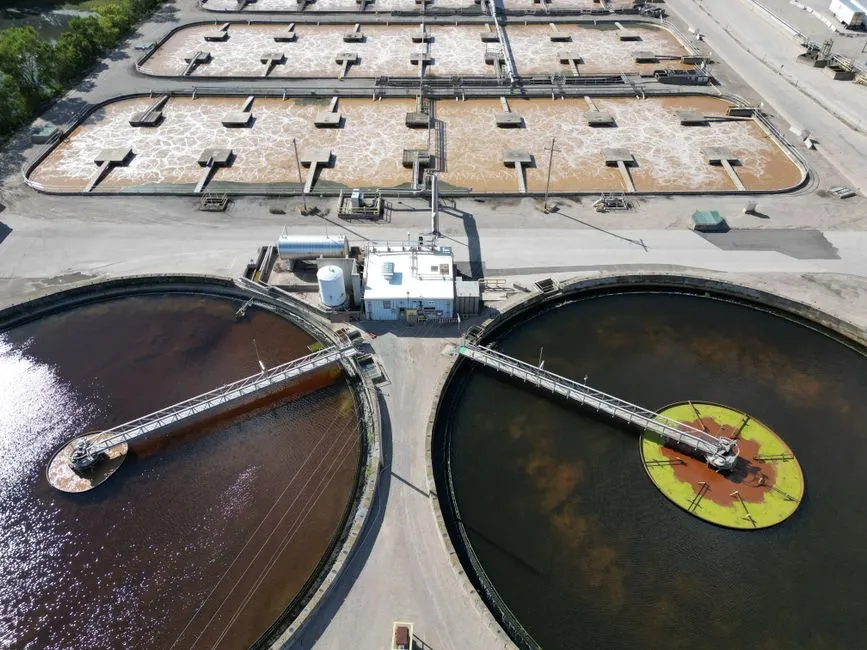
Ask each supplier to convert the local benchmark into measurable guarantees. The 2026 Pokhara University hospital study reported average COD and BOD removal efficiencies of 64.59% and 79.23%, respectively, with TSS removal of 69.78% and turbidity removal of 23.27%. The comparison covers one hospital ETP with mechanical treatment and traditional sand filtration; it does not represent a packaged A/O or MBR installation.
Require the quotation to state which parameters are guaranteed, how each parameter will be measured and what operating conditions apply. Ask for the laboratory method, sampling points, test duration and treatment of any dilution correction. The supplier must also explain which inspection, cleaning, biological maintenance and operator tasks are intended to prevent deterioration. The greywater membrane-selection guidance can support that technical review, but it does not replace project acceptance criteria.
Do not accept “comparable performance” as a guarantee. Request the guaranteed value, measurement method and condition for every parameter needed to demonstrate compliance or fitness for the intended reuse. Where a parameter is excluded from the guarantee, require the reason, alternative evidence and responsibility for future verification.
Build an RFQ scope that suppliers can price consistently
Give every bidder the same treatment duty and commercial boundary. Require each quotation to identify design flow, influent basis, effluent target, treatment route, tank or module capacity, utility demand and installation boundary. Ask suppliers to list exclusions explicitly; otherwise, quotations may appear comparable while offering different scopes.
Define the required process chain: inlet screening, equalization, biological treatment, clarification, filtration, disinfection, controls, sludge handling, piping, civil works, commissioning and training. Include the automatic chemical dosing system only where the selected process requires dosing. The quotation should identify the chemical, storage, duty and operator controls rather than leaving dosing as an ambiguous accessory.
The industrial ETP and DAF selection guide is useful for checking process exclusions, but the Pokhara RFQ must be based on the project’s wastewater analysis and signed discharge or reuse criteria.
| Quote line item | Technical scope to specify | Red flags to check before signing |
|---|---|---|
| Design basis | Average and peak flow, influent COD and BOD, suspended solids, turbidity, pH, oil-and-grease and TDS. | Unverified flow assumptions, no sampling period or missing analysis are attached. |
| Process equipment | Screening, equalization, biological treatment, clarification, filtration, disinfection, sludge handling and required piping. | Equipment is listed without capacity, duty, materials or performance responsibility. |
| Controls and dosing | Control philosophy, alarms, chemical type, storage, duty and operator-control requirements. | Dosing is included without a process need, chemical duty or safe-storage scope. |
| Civil and installation | Foundations, access, drainage, power connection, installation boundary and site interfaces. | Civil works are excluded without identifying who will provide them. |
| Commissioning and handover | Commissioning sequence, training, spare parts, preventive-maintenance schedule and handover documents. | “Commissioning” means only that the equipment starts, with no performance test or training deliverable. |
| Performance guarantee | Guaranteed parameters, test methods, sampling points, test duration, corrective-action period and acceptance authority. | Guarantees cover only COD removal, omit reuse parameters or rely on undefined laboratory methods. |
Set acceptance tests and delivery responsibilities before signing
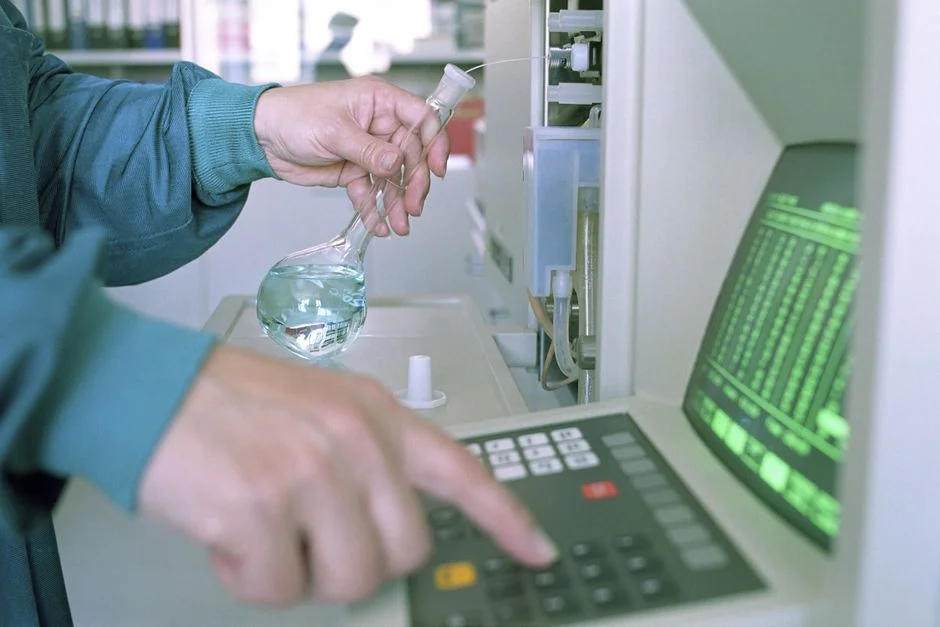
Define acceptance through measured performance, not simply operational status. Specify influent and effluent sampling locations, laboratory methods, operating conditions, any correction for dilution and responsibility for sample collection. The project record should identify who collects each sample, who performs the analysis, how anomalies are resolved and which report becomes the contractual acceptance record.
Separate the functional demonstration from guaranteed contaminant removal. A functional test confirms equipment starts, controls operate and the sequence can run. Performance acceptance confirms the stated guarantees over the agreed test period under documented operating conditions. Require documented results before final acceptance and define the corrective-action period and responsibility for retesting.
Assign site surveys, foundations, power supply, drainage, access, permits, operator training, spare parts and handover documents to named parties. Ask for the commissioning sequence, preventive-maintenance schedule, critical spares list, response times and post-commissioning support. The packaged A/O versus MBR selection guide provides a useful comparison structure, while the acceptance schedule must reflect the selected route and measured site data.
Before signature, complete these owner actions:
- Obtain the signed discharge consent or reuse specification.
- Approve the wastewater characterization and sampling basis.
- Allocate civil, electrical, drainage, access and permit responsibilities.
- Approve the guarantee schedule, test protocol and acceptance authority.
- Schedule operator training, spares and post-commissioning support.
Further Reading
Frequently Asked Questions
What is the difference in cost between a packaged A/O plant and an MBR system in Pokhara?
Do not compare the technologies using an assumed unit price; no quotation or supported price is available for this project. Request a priced bill of quantities for each route using the same average and peak flows, influent analysis, effluent target, utilities, civil work, sludge handling, controls, commissioning and acceptance schedule. This lets the owner identify whether extra equipment, membrane maintenance or civil requirements—not an unexplained headline price—drive the difference.
How should an effluent treatment plant in Pokhara be sized?
Size the plant from verified average and peak flows, influent COD and BOD loads, suspended solids and the confirmed effluent or reuse target. Ask each bidder to show its design flow, biological loading basis, equalization requirement, tank or module capacity and treatment train. Do not size from the hospital study’s removal efficiencies because that installation was neither A/O nor MBR.
Which supplier offers the most reliable A/O or MBR proposal?
Compare bids using the same submission checklist: verified design basis, process route, included equipment, exclusions, utility demand, guaranteed parameters, test methods, sampling points, test duration, corrective-action period, commissioning records and maintenance support. Request evidence relevant to the proposed system and ask for clearly named responsibilities. A concise performance claim without a test protocol is not a comparable supplier commitment.
What should be tested before accepting an effluent treatment plant?
Require two separate demonstrations: a functional test of equipment operation and controls, followed by performance testing against every guaranteed parameter. Record influent and effluent sampling locations, laboratory methods, operating conditions, correction for dilution and responsibility for sample collection. Final