Choose the Treatment Route from the Effluent Objective
A DAF system can form the core of an industrial effluent treatment plant when the objective is to remove suspended solids, oil and grease, or colloidal material before biological, membrane or discharge treatment. It works by saturating part of the wastewater with air under pressure, releasing fine bubbles in the flotation tank and skimming the attached solids from the surface. The correct plant for Djibouti cannot be selected without wastewater analysis, flow data, discharge route and reuse requirements. DAF may require equalization, pH control, chemical dosing and downstream biological, UF or RO treatment.
Start with the required end use, because a clarified effluent that is acceptable for transfer to another treatment facility may not be suitable for direct discharge or industrial reuse. The receiving route and governing acceptance criteria must be confirmed with the relevant Djibouti authority; the available research does not establish site-specific permit limits. Record the proposed discharge point, any sewer or centralized treatment agreement, reuse application and the client’s internal water-quality requirements before comparing offers.
DAF is a clarification process for suspended matter, including oil and solids. It should not be assumed to remove dissolved organic load, nutrients or dissolved salts. For oils and fats, prior grease and solids separation by flotation may be required, with coagulant dosing and pH control selected from measured effluent characteristics. If the target quality is stricter than clarified DAF effluent, compare a DAF-to-biological train with DAF-to-UF/RO. The source describing dairy effluent identifies ultrafiltration after DAF as a route to nearly complete oil-and-fat removal, while treating biological separation as dependent on prior removal of solids and fats.
| Discharge route or influent problem | Governing rule or process option | What data settles it |
|---|---|---|
| Transfer to a sewer or another treatment facility | DAF may provide clarification before transfer if the receiving facility accepts the proposed flow and quality. | Written receiving-facility acceptance criteria, discharge point, peak flow and proposed outlet parameters. |
| Suspended solids or colloidal material dominate | Assess screening, equalization, coagulation and flocculation followed by dissolved air flotation. | Representative suspended-solids, turbidity, particle characterization and chemical-demand data. |
| Oil and grease interfere with separation or downstream treatment | Provide prior grease and solids flotation, with pH control and chemical dosing where measured characteristics require them. | Oil-and-grease concentrations, flow variability, free or emulsified oil condition and downstream temperature and aeration requirements. |
| Clarified effluent does not meet direct-discharge or reuse requirements | Compare a DAF-to-biological train with DAF-to-UF/RO, depending on the remaining dissolved load and intended reuse. | COD, BOD5, total dissolved solids, nutrients, outlet limits and the specific reuse process. |
Use the DAF engineering specifications to identify equipment configurations and performance claims that still require confirmation against site data. The industrial DAF unit selection framework can then be used to compare treatment objectives rather than equipment capacity alone.
Define the DAF Process and Pretreatment Scope
Pretreatment requirements are defined by the contaminants that could impair flotation or downstream equipment. The DAF mechanism uses pressurized, air-saturated recycle water to generate fine bubbles that attach to suspended material; the floated material is then removed by a skimmer. Chemical addition must be based on measured contaminants and trial data rather than assumed from the industry label.
Ferric chloride and aluminum sulfate are identified as possible coagulants, while a flocculant may be used to create larger clusters. Their selection, dose and operating sequence remain site-specific. Ask the chemical supplier or treatment contractor for compatibility evidence, storage requirements, dosing-control philosophy and the consequences of over- or under-dosing. A PLC-controlled chemical dosing system should be priced as a defined package, not assumed to include tanks, reagents, pipework or verification.
Protect the DAF pressure circuit from solids that may accumulate in the pressurization tank and cause fouling, clogging and decomposition of COD. Screening, solids removal and adequate pretreatment may therefore be necessary before flotation. The order and duty of these units depend on the wastewater source and the equipment arrangement shown by the supplier.
Obtain representative samples from normal production, cleaning and discharge cycles. The dairy treatment source identifies facility-specific concentration variability as a key design issue. If wastewater varies materially by batch, specify how equalization, recirculation and chemical control will manage that variation. Request a process flow diagram showing screening, equalization, pH adjustment, coagulation, flocculation, DAF, sludge handling and every downstream stage. For an industrial DAF system, that diagram should also identify recycle, air-saturation, pressurization and sludge-removal arrangements.
Build the Sizing and Quotation Input Sheet
A comparable quotation requires a defined wastewater mass balance and boundary conditions. Give each supplier the same completed data package and require missing entries to be identified as exclusions or assumptions.
- State average flow, peak hourly flow, minimum flow, operating hours, required treatment duration, future expansion and the complete wastewater mass balance by source.
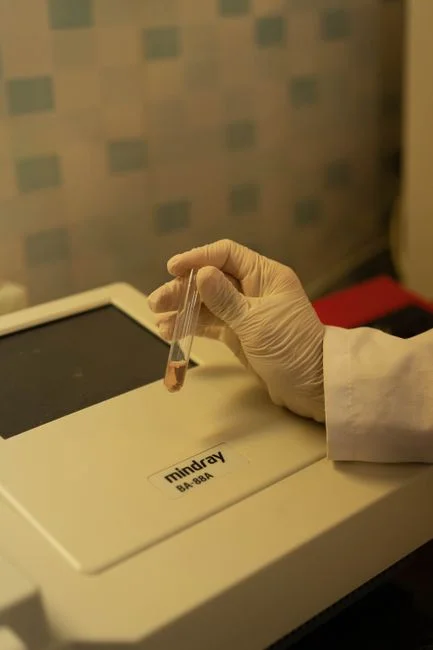
- Provide representative laboratory results for COD, BOD5, suspended solids, turbidity, pH, oil and grease, total dissolved solids and temperature, with sampling dates and analytical methods.
- Define the treatment boundary: untreated industrial effluent or pretreated wastewater, including whether oil recovery, chemical supply and sludge handling are included.
- Require the supplier to state hydraulic loading, flotation-tank configuration, recycle ratio, pressure basis, bubble specification, sludge-loading method and treated-effluent guarantees. Do not approve an offer based on flow capacity alone.
- Request utility demand, equipment dimensions, weights, foundation or anchorage data, control philosophy, drawings and a stated delivery lead time.
Time-aware data matters because a single grab sample may conceal operational peaks. One DAF modelling study used COD, pH, turbidity and TDS from equalization-tank effluent as model inputs, collected during 8-hour monitoring during a year. This supports requesting time-composition data, while recognizing that the study’s variables and monitoring scope do not establish requirements for every Djibouti site.
Use this fillable preliminary sizing input sheet:
| Discharge route or influent problem | Governing rule or process option | What data settles it |
|---|---|---|
| Hydraulic basis | Supplier must state the design flow, operating hours and treatment duration assumed in the price. | Average flow: ________; peak hourly flow: ________; operating hours: ________; future expansion: ________. |
| Wastewater composition | Laboratory results should establish DAF pretreatment, chemical dosing and downstream duties. | COD: ________; BOD5: ________; suspended solids: ________; turbidity: ________; pH: ________; oil and grease: ________; total dissolved solids: ________; temperature: ________. |
| Flow and concentration variation | Time-based sampling should determine whether equalization and shock-load handling are required. | Sampling dates and times: ________; production or cleaning cycle represented: ________; sampling method: ________. |
| DAF hydraulic and process design | Capacity alone is insufficient; the supplier must disclose the design basis. | Hydraulic loading: ________; tank configuration: ________; recycle ratio: ________; pressure basis: ________; sludge-loading method: ________. |
| Scope boundary | Untreated and pretreated influent definitions create different equipment and installation duties. | Plant receives: ________; upstream works included: ________; downstream treatment included: ________; chemical supply included: ________; sludge handling included: ________. |
Set Performance, Delivery and Acceptance Criteria
Convert the process objective into testable commercial terms before comparing prices. Specify the guaranteed flow and operating hours, influent limits, outlet parameters, sampling point, test frequency and laboratory method. If a Djibouti permit route has not been confirmed, label all discharge guarantees as conditional on the applicable criteria being supplied and verified by the responsible authority.
Define factory and site acceptance tests. Include the test wastewater or a representative agreed sample, test duration, startup stabilization, parameter recording, witnessed procedures and remedies for failed results. DAF modelling research reports that static and dynamic models behaved differently under shock loads and that past data affected system prediction. This supports discussing variable-flow operation, monitoring and test conditions rather than accepting a single steady-state demonstration.
| Quote line item | Technical scope to specify | Red flags to check before signing |
|---|---|---|
| DAF process equipment | Guaranteed flow, operating hours, design basis, outlet guarantees, sampling point, test method and remedy for failure. | Only peak flow is stated; no influent limits; performance lacks a sampling method or acceptance condition. |
| Pretreatment and chemical dosing | Screening, equalization, pH control, coagulation, flocculation, dosing equipment, reagent compatibility and storage interface. | Tanks, agitation, pipework, chemicals or controls are referred to separately without a responsible party. |
| Electrical, controls and documentation | Electrical standard, control philosophy, PLC or automation scope, alarm strategy, drawings, manuals, control narrative and training. | Automation is called “optional”; final drawings, interfaces or programming are excluded. |
| Civil, installation and commissioning | Foundations, anchorage, local installation, utilities, start-up, site acceptance testing and operator training. | Freight is quoted but local transport, erection, commissioning or permits are omitted. |
| Sludge and waste handling | Float removal, collection, thickening or dewatering interface, storage, disposal responsibility and residual characteristics. | Sludge route is unstated; disposal, handling equipment or operator labour are excluded. |
| Delivery and warranty | Delivery lead time, packing, shipment terms, payment milestones, commissioning date, warranty period and spare parts. | Lead time lacks a reference point; extended warranty or spare parts are unavailable at a defined price. |
Ask each bidder to list exclusions explicitly, particularly civil work, chemical supply, utilities, sludge disposal, local permits, installation, start-up, operator training and extended warranties. Before award, request the proposed operating manual, equipment drawings, power and water demand, foundation information, control narrative and delivery programme. These documents allow the buyer to test whether the offered DAF train fits the actual site rather than merely matching a stated flow.
Related Equipment
- industrial DAF system — specifications, capacity range, and technical data
Further Reading
Frequently Asked Questions
Is DAF suitable for industrial wastewater in Djibouti?
DAF is suitable when the primary objective is industrial wastewater clarification, suspended-solids treatment or oil-and-grease removal. It may be insufficient for dissolved organics, nutrients or salts, so the treatment objective and effluent analysis must come first. The buyer should request representative analysis and confirmation of the discharge route or reuse requirement before choosing the route.
What data is needed to size a DAF treatment plant?
Request average and peak flow, operating hours, treatment duration, future expansion, source-by-source flow composition and representative results for COD, BOD5, suspended solids, turbidity, pH, oil and grease, total dissolved solids and temperature. Also request sampling dates and methods. These inputs allow the supplier to state hydraulic loading, recycle requirements, chemical dosing and downstream duties rather than quote capacity alone.
How should DAF acceptance testing be specified?
Specify guaranteed operating conditions, influent limits, outlet parameters, sampling points, test frequency and laboratory methods. Require a factory test where applicable and a witnessed site test after installation, including the agreed wastewater source, stabilization procedure, recorded results and remedy for failure. Include variable-flow conditions if the influent is known to fluctuate.
What should I request when comparing an industrial ETP quotation in Djibouti?
Give each bidder the same influent, flow, outlet and scope-boundary data, then require a priced offer with equipment drawings, utilities, controls, civil interfaces, sludge handling, delivery, installation, commissioning, training, exclusions and warranty. Ask for the proposed delivery lead time and local-permit responsibilities in writing. Confirm the discharge route and governing criteria before treating any outlet value as a permit compliance guarantee.