Frame the Botswana Greywater Decision
For a greywater recycling system in Botswana, the immediate decision is whether source-separated UF, MBR, or a packaged treatment route best fits the site and reuse objective. Greywater means household wastewater from washing dishes, bathing and laundry, excluding toilet inputs; it may contain chemical and biological contaminants. Northern Botswana research found greywater dumped into pit latrines could increase chemical, microorganism and parasite leaching into soil, groundwater and surface water. Selection therefore starts with flow, wastewater quality, source inventory, available space, reuse application and applicable local criteria—not generic system capacity.
Define the project boundary before comparing equipment. A source-separated greywater project collects washing, bathing and laundry wastewater without toilet inputs. A mixed-sewage treatment route receives toilet wastewater as well and must be assessed against the wider wastewater system. A packaged sewage plant should not be relabelled as a greywater solution merely because it can treat a selected flow.
Start with the reuse outcome. Identify whether the treated water is intended for irrigation, court washing, toilet flushing or another application, then obtain the criteria applicable to that use. The Botswana reuse planning paper treats treatment and reuse as mutually interrelated: treatment output becomes the reuse facility’s input, so its quantity and quality must be acceptable to that facility.
Use the commercial greywater recycling route comparison as a structural reference, but make the final decision with Botswana-specific site data. A source-separated train may reduce the treatment burden by excluding black water, while a mixed-sewage route may be necessary where toilet flows cannot be segregated. These variables dictate the technical requirements for the chosen treatment process.
Check the Risks and Conditions That Change the Route
Pit-latrine interaction changes the project requirements and must be determined before selecting equipment. In Northern Botswana, households surveyed in Kasane, Kazungula and Lesoma reported dumping greywater into pit latrines, and hazardous chemicals were also dumped there to control odours. The research concluded that this practice can expand the environmental footprint of both greywater and pit-latrine excreta, increasing pollution risks to soil, groundwater and surface-water resources.
The residential survey covered Kasane at 264 dwellings/ha, Kazungula at 100 du/ha and Lesoma at 99 du/ha, with n = 30 households per village. These figures describe the surveyed Northern Botswana settlements; they are not design densities for a proposed recycling system. Request a separate site inventory before applying collection, storage or treatment capacities.
| Discharge route or influent problem | Governing rule or process option | What data settles it |
|---|---|---|
| Greywater enters a pit latrine | Assess the existing drainage arrangement before treating a discharge route as acceptable; source separation may prevent continued mixing at the source. | Site survey, pit-latrine construction details, drainage paths, soil and groundwater conditions, and the authority’s applicable approval requirements. |
| Cleaning chemicals enter the greywater stream | Identify the substances and control their entry where practicable; chemical loading and wastewater-quality variation affect treatment selection and monitoring. | Product inventory, chemical concentrations, influent sampling results, and observations across different days and seasons. |
| Toilet wastewater cannot be separated | Use a route defined for mixed sewage rather than treating it as source-separated greywater. | Building-level plumbing survey showing which fixtures discharge to each collection line and whether retrofit is feasible. |
| Treated water is discharged rather than reused | Apply the locally applicable discharge criteria to the receiving environment; reuse criteria do not automatically establish discharge compliance. | Identity and location of the receiving water or drainage system, receiving-water data, and written local criteria from the responsible authority. |
Require site evidence showing where greywater currently goes, whether it enters pit latrines, which chemicals are discarded with it, and where leakage could reach soil, groundwater or surface water. The relevant documents are a drainage plan, a site survey, groundwater or soil information where available, and representative influent sampling. Do not infer site acceptance from the research locations or their housing densities.
Compare UF, MBR and Packaged Treatment Routes
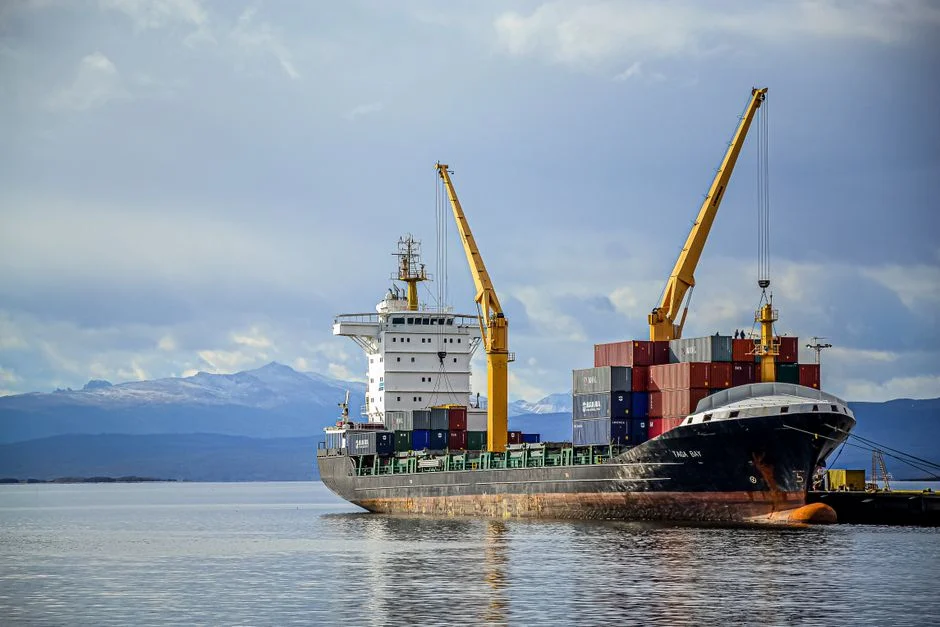
Process selection must align with the treatment objective, feed composition and operating conditions rather than the product category alone. UF, MBR and packaged sewage plants have different process boundaries, and their suitability cannot be established without the design flow and wastewater-quality basis.
Use hollow-fiber UF for a source-separated polishing train
The hollow-fiber ultrafiltration system uses hollow-fiber membranes to remove bacteria, colloids and suspended solids without chemicals, with automatic backwash and air scour. This makes it a candidate where source-separated greywater requires solids and microbial separation before reuse or further treatment.
Do not treat catalogue functions as proof of reuse suitability. Ask the supplier to demonstrate how the selected membrane handles the documented wastewater-quality variation, what pretreatment is required, how backwash waste is managed and which treated-water parameters will be monitored. Confirm the available footprint, utilities, access and operator requirements for the automatic functions.
Use MBR when the biological and membrane treatment scope is justified
The MBR membrane bioreactor combines biological treatment with membrane separation. Compare that route when the design influent and required effluent quality justify the added process complexity and when the site can support membrane operation, control systems, maintenance and waste handling.
Request the proposed treatment objectives and the supplier’s performance basis. A generic catalogue description does not establish the required reactor configuration, membrane specification, cleaning method, redundancy, treated-water variability or suitability for the intended Botswana reuse application.
Use a packaged sewage plant only when its inlet boundary fits the site
The catalogued package route combines anoxic and aerobic biological contact oxidation, sedimentation and disinfection in one unit. It is described as an integrated sewage treatment product, not a dedicated greywater train. Use it only after confirming that its stated inlet scope, treatment objectives and effluent claims match the wastewater to be received.
The alternative catalogue product is a package sewage treatment system. Its underground installation should not substitute for a site-specific review of access, excavation, groundwater, installation, controls and servicing.
Across all three routes, assess water quantity, wastewater quality, seasonal and diurnal variation, geology, available space, local design criteria, risk and cost. These are the Botswana reuse paper’s planning considerations. A preliminary survey and a comparison of alternatives should precede technical approval; a capacity selected without representative flow and quality data remains unresolved.
Build a Site-Data and Quotation Package
Give every supplier the same site-data request and require each quotation to identify its assumptions. A greywater equipment quotation checklist helps expose exclusions before prices are compared, but its technical content must be completed with project-specific measurements.
Request average and peak greywater flow by day, season and time of day; an inventory of kitchens, baths, laundry and cleaning sources; influent sampling results; and evidence of wastewater-quality variation. Also provide the available footprint, soil and groundwater conditions, intended reuse, applicable local criteria, design standards and treatment capacity. Where no reliable data exist, require the supplier to state the assumption, its basis and the survey or test needed to confirm it.
| Quote line item | Technical scope to specify | Red flags to check before signing |
|---|---|---|
| Influent and treatment basis | State average and peak design flow, source-separated greywater or mixed sewage, representative quality data, seasonal and diurnal variation, and design standards. | No documented flow basis; greywater and toilet inputs are mixed; treatment capacity is selected from a population estimate alone. |
| Collection and pretreatment | Define collection pipes or channels, screening, grit control, balancing, storage, pump stations, overflows and the responsibility for each boundary. | Collection, excavation, pump controls or overflow disposal are left outside the quotation or assumed without a site plan. |
| Treatment equipment | Specify the selected route, treatment objectives, membrane or media details, controls, utilities, treated-water storage and residual or backwash handling. | Only catalogue performance is quoted; no membrane cleaning method, backwash route, redundancy or treatment objective is stated. |
| Reuse and discharge interface | Define the reuse facility, storage and distribution, permitted uses, discharge route, monitoring points and responsibilities for each party. | Treated water is called “reusable” without identifying the receiving use or locally applicable criteria. |
| Installation and commissioning | Require a site-specific preliminary survey, confirmed design flow and quality basis, civil works, utilities, installation, operator training and performance tests. | Commissioning is limited to startup, with no measurable quantity or quality acceptance tests. |
| Operations and commercial exclusions | List preventive maintenance, monitoring, membrane replacement, spare parts, training, service support, warranty and all excluded works. | Consumables, membrane replacement, site power, sludge or backwash disposal, labour and local support are unpriced. |
Apply the core planning test from the Botswana reuse paper: the treatment plant output must be matched to the reuse facility’s ability to absorb effluent quantity and quality fluctuations without public-health or environmental risks. Require a monitoring strategy and a clear owner for corrective action. If no local reuse criteria or discharge limits are supplied in the tender document, ask the buyer or authority for the applicable document before technical approval.
Confirm Delivery, Commissioning and After-Sales Scope
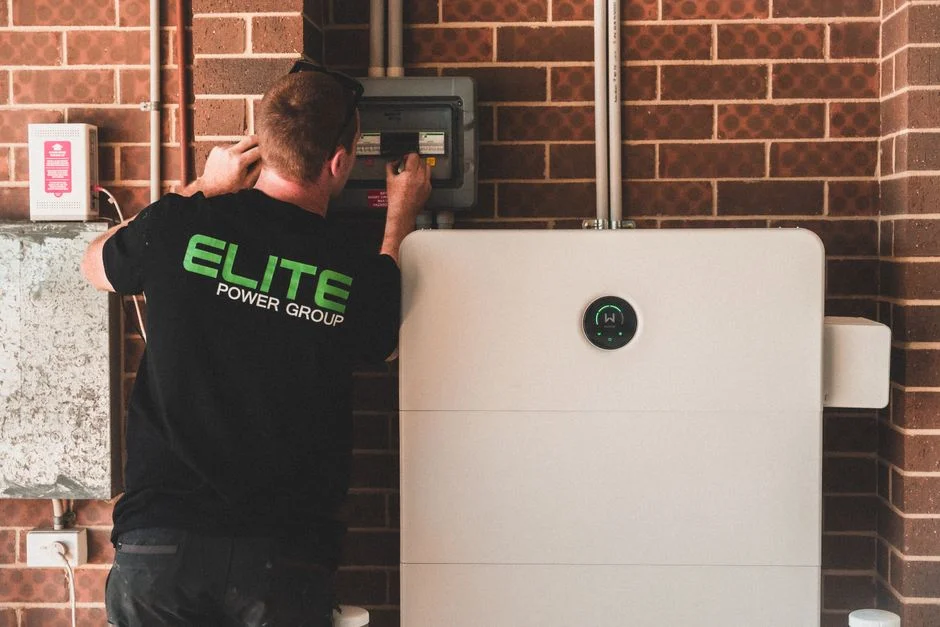
Convert catalogue claims into site-specific deliverables and acceptance tests. The Botswana reuse paper identifies a sound preliminary survey and confirmation of the agreed design flow and wastewater-quality basis as essential preliminary-stage tasks. Require the supplier to document both before freezing the equipment order.
Define acceptance tests for treated-water quantity and quality, automatic controls, membrane cleaning or backwash, alarms, access, power and water requirements. The tests should identify the sampling points, operating conditions, acceptance criteria, instruments and responsible party. Where the intended reuse has no established acceptance values, obtain the applicable local criteria first; do not let the supplier write an unsupported specification into the acceptance certificate.
Clarify installation, operator training, preventive maintenance, membrane replacement, monitoring, spare-parts availability and local service support. A quotation that includes equipment but omits membrane consumables, backwash-waste management, sludge handling, power upgrades or routine service is not a complete lifecycle offer.
Check delivery scope as well. Require delivery destinations, transport responsibility, unloading requirements, site access constraints, installation sequence, electrical connections, commissioning attendance, training records and response arrangements for technical faults. Also confirm whether local service personnel or international support are available; no delivery interval should be accepted until the supplier states it clearly.
Finally, verify the reuse pathway itself. The industrial effluent treatment route comparison can support broader process questioning, but the equipment proposal must still be checked against the intended Botswana reuse application and locally applicable criteria. A treatment process alone does not establish compliance or safe reuse.
Frequently Asked Questions
How should a greywater recycling system in Botswana be sized?
Size it from measured site demand and flow evidence, not a generic equipment rating. Request average and peak flows by day, season and time of day; the source inventory; representative influent sampling; and the expected reuse demand. Ask each supplier to state how its quoted capacity corresponds to those inputs and whether wastewater-quality variation changes the proposed equipment or storage arrangement.
When is UF more suitable than MBR or a packaged wastewater plant?
UF is more suitable as a candidate when source-separated greywater needs solids and microbial separation and its documented feed is compatible with the selected membrane and pretreatment. MBR becomes relevant when biological treatment and membrane separation are both justified by the treatment objective. A packaged sewage plant should be selected only when its inlet scope includes the actual wastewater received; a mixed-sewage description does not make it a dedicated greywater train.
What should a Botswana greywater equipment quotation include?
Require one priced scope covering the treatment basis, collection and pretreatment boundaries, treatment equipment, controls, utilities, storage, installation, commissioning tests, operator training, monitoring, maintenance, membrane replacement, spare parts, service support and exclusions. Also request the site-specific survey, confirmation of design flow and wastewater-quality basis, delivery scope and the documented basis for every performance claim. A price without these inputs cannot be compared reliably.
How can a buyer verify that a proposed system meets the intended reuse and local requirements?
Identify the responsible Botswana authority and obtain the applicable reuse or discharge criteria for the intended application. Require the supplier to