Define the High-COD Duty Before Choosing Equipment
Selecting a high-COD industrial wastewater treatment system in Guinea-Bissau requires more than a single COD concentration value. The wastewater must be characterized by flow, BOD/COD ratio, suspended solids, oil and grease, pH, temperature, salinity, and inhibitory compounds, followed by confirmation of the discharge or reuse route and applicable permit conditions. High-strength, biodegradable streams may justify anaerobic treatment and biogas recovery; one UASBplus system is specified for concentrated wastewater with COD of 15,000 to 60,000 mg/l. Pretreatment, aerobic stabilization, and MBR or other polishing should then be added according to the required effluent quality.
COD is the starting indicator of oxidizable organic load, not a complete design basis. The measured wastewater envelope must also define how much load the equipment must handle and whether that load is compatible with biological treatment. Use the industrial wastewater equipment selection guide when assigning each decision to a measurable input.
Request laboratory results for influent and effluent COD, including seasonal peaks and the sampling method. Obtain average and peak flow, BOD/COD ratio, wastewater temperature and pH, oil and grease, suspended solids and colloid levels, and salinity and inhibitory or toxic compound concentrations. Record production-season peaks, batch discharges, and cleanup water because an average concentration can conceal shock loading. Food-processing wastewater also requires particular care: its organic load can be up to 10 times higher than municipal wastewater, according to Fluence, and seasonal production variability adds design complexity.
Before selecting final equipment, identify the receiving route and permit authority responsible for the proposed discharge or reuse. Obtain the applicable Guinea-Bissau conditions, any receiving-water requirements, and the reuse specification in writing. Final compliance depends on that verified route; neither a generic process description nor a supplier’s catalogue limit establishes the site’s legal obligation.
Compare the Treatment Routes That Can Handle High COD
The wastewater composition determines whether the route begins with physical separation, anaerobic conversion, aerobic stabilization, or advanced polishing, while the receiving route or reuse objective determines the required final quality.
| Discharge route or influent problem | Governing rule or process option | What data settles it |
|---|---|---|
| High-strength, biodegradable organic load | Screen anaerobic UASB, IC or EGSB treatment; BIOPAQ UASBplus is specified for concentrated wastewater at COD of 15,000 to 60,000 mg/l, according to Paques. | COD, BOD/COD ratio, temperature, pH, hydraulic profile, inhibitory compounds and treatability-test results. |
| Oil, grease, suspended solids or separable colloids | Use equalization and physical or chemical pretreatment before the biological stage. An industrial DAF pretreatment system becomes a candidate when analysis supports solids or oil removal. | Oil and grease, total suspended solids, colloid characterization and settleability or flotation trial data. |
| Residual soluble organics after anaerobic treatment | Screen aerobic A/O or SBR treatment; an integrated MBR wastewater treatment system is relevant where compact equipment and high effluent quality are required. | Expected anaerobic effluent COD, BOD, suspended solids, nutrient or reuse requirements and receiving-water conditions. |
| Refractory contaminants or defined industrial wastewater reuse objective | Reserve activated carbon, UF, NF, RO or additional advanced oxidation for identified polishing duties rather than adding them automatically. | Specific compound or reuse-quality requirement, membrane-feed analysis, treatment objectives and a defined disposal route for concentrates. |
GL Environment identifies coagulation-flocculation, dissolved air flotation and equalization as pretreatment options for suspended solids, oil and separable organic matter. It also describes advanced oxidation for refractory organics and notes that UASB, IC and EGSB selection should depend on wastewater characterization and treatability testing. Aerobic A/O, SBR and MBR stages can follow anaerobic treatment to degrade residual organic matter and stabilize effluent quality.
Advanced polishing should follow a defined need. For industrial wastewater reuse, the buyer must identify the required water quality, end use and disposal route for membrane concentrates or spent activated carbon before comparing UF, NF, RO and other advanced options.
Match DAF, MBR and Upgrading to the Site Conditions
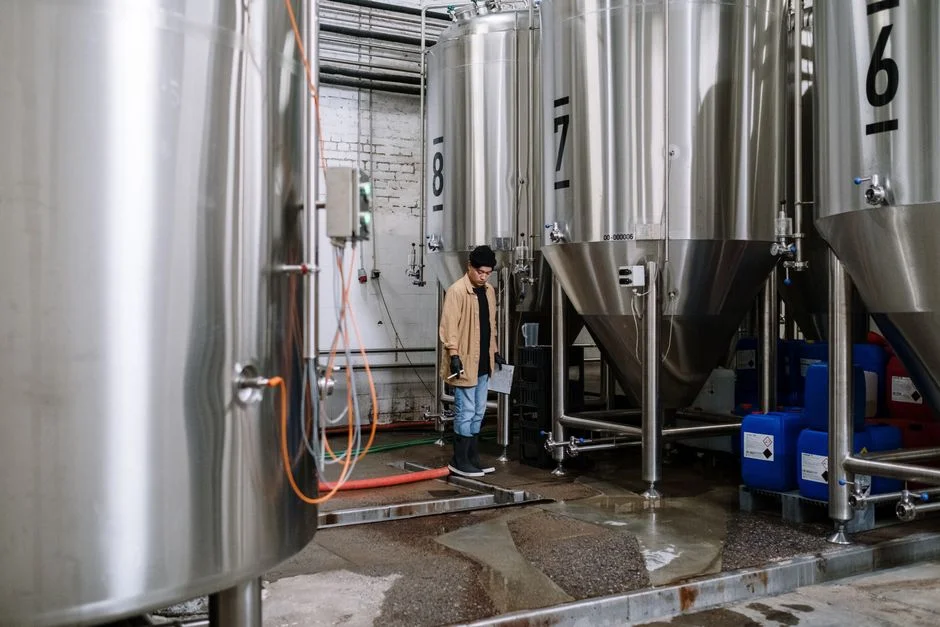
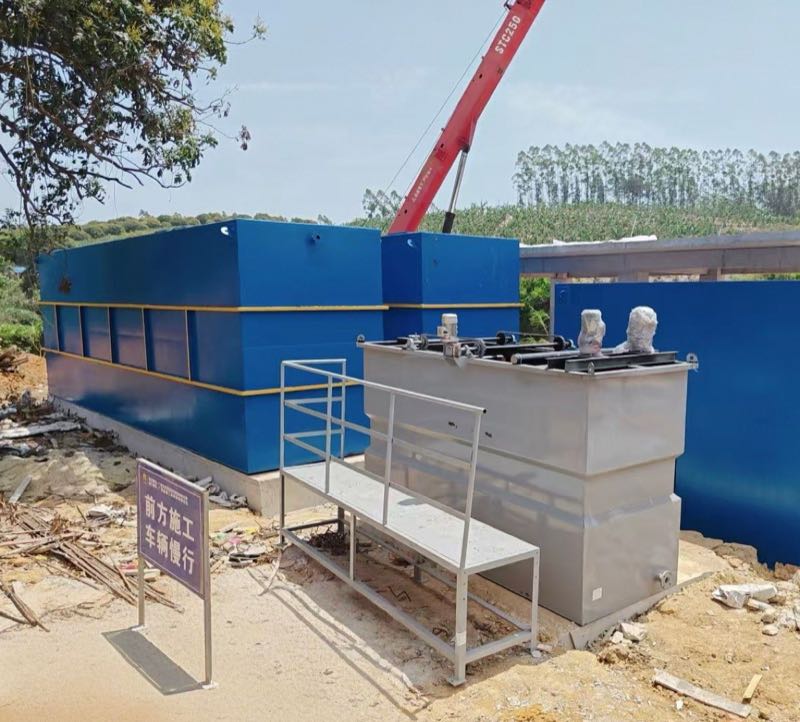
Place DAF before biology only when the wastewater contains material that would interfere with biological treatment or downstream membranes. Food and beverage plants may need DAF, but the COD label alone does not justify it. Oil and grease, suspended solids and colloid measurements must show whether clarification and flotation have a defined role.
Ask the supplier to identify the contaminant basis for each pretreatment stage and provide the corresponding performance evidence. For DAF, this should connect flotation performance to measured oil, solids or colloid characteristics rather than an assumed COD removal. For MBR, define whether the requirement is biological solids separation, aerobic polishing, compact installation, reuse preparation or a combination; each creates different membrane-feed and operating obligations.
Confirm whether the proposed anaerobic reactor will be new, modular or installed in an existing tank. Paques states that a pilot plant is available for on-site testing, supporting treatability testing before final anaerobic process selection. The test should examine the actual wastewater rather than a synthetic substitute, with the supplier documenting the operating conditions and resulting treatment performance.
Make upgrade access part of the layout decision. Confirm how additional pretreatment, aerobic capacity or polishing could be installed without assuming that the existing production system can be shut down. The comparison of DAF, MBR, UF and RO provides a useful separation of polishing duties, but the selected route must still match the site’s verified effluent objective.
Build an RFQ That Exposes Design Gaps
A comparable RFQ must separate confirmed scope, supplier assumptions, acceptance evidence and unresolved local risks. Require each bidder to state its design flow, influent and effluent COD basis, treatment objectives, process stages and sizing calculations. A process name or nominal equipment capacity is not a substitute for a calculation linked to the supplied wastewater data.
| Quote line item | Technical scope to specify | Red flags to check before signing |
|---|---|---|
| Design basis and sizing calculations | Average and peak flow; influent and effluent COD basis; BOD/COD ratio; hydraulic and contaminant loading; treatment objectives; process stages; and calculation notes. | Unstated design flows, no peak-load treatment, unidentified sampling method, or generic capacity selected without applying the site wastewater envelope. |
| DAF and equalization | State whether equalization, coagulation-flocculation and DAF are included; identify the oil, solids or colloid removal duty, equipment sizing basis and operating controls. | DAF included only to meet an assumed COD reduction, with no physical contaminant data, or chemical dosing and sludge removal excluded. |
| Anaerobic reactor and biogas system | Specify reactor option, feed and discharge characteristics, biodegradability basis, temperature and pH assumptions, hydraulic profile, gas handling, safety provisions and scope of maintainable internals. | Biogas recovery presented as guaranteed without gas-quality and utilization data; no treatability basis; or reactor, separator, piping and gas equipment omissions. |
| Aerobic treatment and MBR polishing | Define residual-load treatment, aeration and solids handling, membrane configuration, cleaning requirements, controls, access and the intended effluent-quality function. | MBR offered as a generic polishing step, with no membrane-feed envelope, cleaning scope, replacement provision or identified reuse/discharge parameter. |
| Performance guarantee and local obligations | Tie guarantees to an agreed influent range, sampling method, test conditions and laboratory responsibility; list permit support, receiving-water assessment, utilities, installation, commissioning, training, spares and sludge disposal as priced items. | Universal guarantee wording, undefined analytical methods, open-ended installation assumptions, omitted sludge route, or a compliance statement not tied to the verified discharge route. |
Ask bidders to list every exclusion that can affect performance, including civil works, utilities, hazardous chemicals, biological media, membrane cleaning, sludge transport or disposal, start-up inoculum, operator support and local regulatory submissions. A high-COD specification based on the high-COD industrial wastewater specification for Gabon may provide a useful drafting structure, but Guinea-Bissau permit and receiving-route conditions must remain separate buyer inputs.
Plan Commissioning and Performance Acceptance
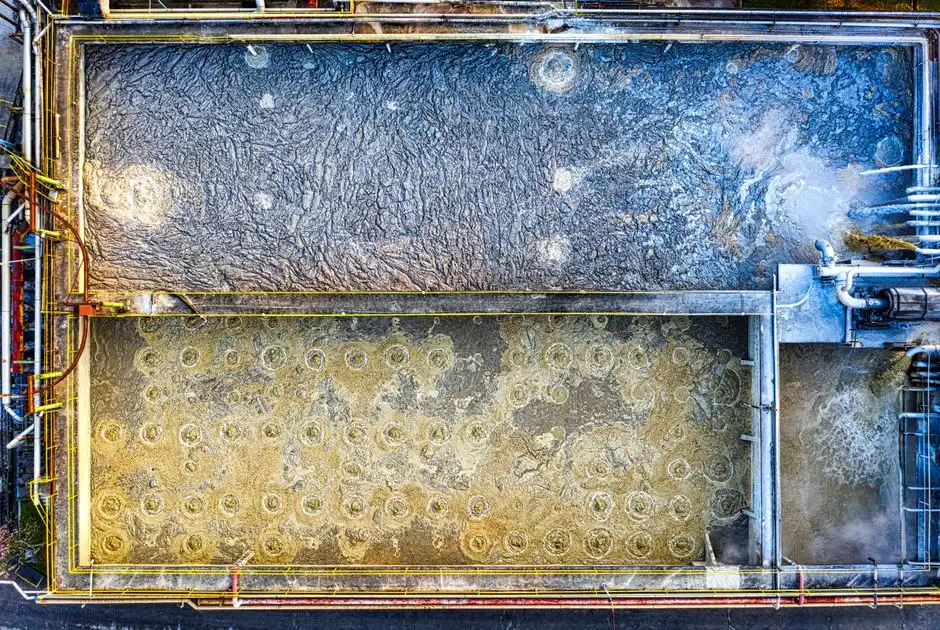
Performance acceptance must test the installed system under representative operating conditions. Define acceptance tests for flow, influent and effluent COD, BOD, suspended solids, oil and grease and pH, then add any parameter required by the verified reuse objective. The contract should state the test duration, sampling frequency, analytical methods, operating conditions and party responsible for laboratory analysis.
Do not accept a performance guarantee without a defined influent range. Dainam Enviro explains that a sudden COD increase can cause shock loading, reduce biological treatment efficiency, elevate effluent COD and increase microbial recovery time. Equalization may therefore be part of the demonstrated duty, not merely a tank included in the layout.
Agree corrective-action obligations for failed tests, including diagnosis, remedy, retesting and responsibility for laboratory or third-party services. Confirm that acceptance represents normal production conditions, including the agreed proportion of seasonal, batch and cleanup flows rather than only a controlled clean-water run.
Include start-up support, operator training, control-system integration, utilities, preventive maintenance, spare parts and handover documentation in the scope. Identify what operating data the supplier must retain and which alarms, duty cycles and change-control records operators must receive. This turns equipment delivery into an operable treatment system with an auditable acceptance record.
Frequently Asked Questions
What inputs are needed to price a high-COD wastewater treatment system in Guinea-Bissau?
Request a quotation based on the measured influent and effluent COD, average and peak flows, BOD/COD ratio, suspended solids, oil and grease, pH, temperature, salinity and inhibitory compounds. Also require the discharge route, reuse objective, available utilities, installation boundary and sludge-disposal route. A defensible quotation should be tied to those inputs rather than a COD-only estimate.
How should a buyer select a supplier and confirm treatment capacity?
Ask each bidder to submit its design-flow basis, contaminant-loading calculations, process-stage sizing, stated exclusions and evidence from comparable wastewater. Where anaerobic treatment is proposed, request an on-site pilot basis or equivalent treatability evidence. Paques states that a pilot plant is available for on-site testing. Confirm that the proposed capacity handles the agreed average and peak envelope and does not rely on an undefined peak factor.
Should DAF and MBR be included automatically in the treatment train?
No. Include DAF when oil, grease, solids or colloid data establish a physical pretreatment duty, and include MBR when the required effluent quality or compact biological separation justifies it. The buyer should request measured wastewater characteristics, the design removal duty and evidence that each stage protects downstream treatment rather than being added as generic equipment.
Which acceptance evidence should be required before accepting the installed system?
Require a contractual test protocol covering flow, influent and effluent COD, BOD, suspended solids, oil and grease, pH and any reuse-specific parameter. The protocol must define duration, sampling frequency, analytical methods, representative operating conditions, laboratory responsibility and retesting after corrective action. Final regulatory compliance should be checked against the verified discharge route and applicable Guinea-Bissau requirements rather than inferred from a generic effluent specification.