Choose the Sludge and Effluent Route First
Choose fecal sludge treatment plants for coastal camps by matching sludge characteristics, receiving conditions, footprint, and the required effluent or reuse route to a complete treatment train—not by selecting a reactor from nominal flow alone. Liquid treatment, solids handling, pathogen containment, and final disposal or reuse must be defined together. A review of camp interventions identified further treatment of the solid and/or liquid fraction as a barrier in 31% of cases, while heavy rain was the most common environmental barrier at 45%. A 2026 Cox’s Bazar study further demonstrates the need to protect nearby drinking water.
Fecal sludge is human excreta from onsite sanitation technologies that has not been transported through a sewer. The camp’s collection records and source-specific samples should establish solids concentration, moisture content, variability, and contaminant profile. Because the sludge has not passed through a sewer, those characteristics cannot be inferred from a domestic wastewater design flow.
Separate two decisions before selecting equipment. The first is the liquid route: treatment, disinfection, and the permitted discharge or reuse destination. The second is the solids route: thickening or dewatering, contained storage, removal, and controlled disposal. The camp-intervention review found that further treatment of the solid and/or liquid fraction was a barrier in 31% of cases, so neither route should remain an undefined supplier assumption.
Obtain the applicable effluent or reuse standard from the approving authority and identify the receiving water, reuse application, or controlled-disposal site. No universal coastal discharge standard can be inferred from the available camp evidence. For the liquid route, also establish whether dewatering equipment is required; a plate and frame filter press for fecal sludge dewatering is one candidate module, not a complete treatment plant.
| Discharge route or influent problem | Governing rule or process option | What data settles it |
|---|---|---|
| High-solids or variable fecal sludge from onsite sanitation | Protect the biological stage with defined pretreatment and establish a controlled solids-retention and removal route. | Source-specific solids concentration, moisture content, daily generation, peak collection flow, and variability records. |
| Liquid discharge to a coastal receiving environment | Proceed only after the authority confirms the receiving-water route, required treatment, disinfection, sampling, and approval conditions. | Approved discharge point, receiving-water assessment, applicable effluent requirement, and permit-holder responsibilities. |
| Reclaimed water for a defined camp use | Define the application, public-health controls, residual-sludge destination, and monitoring before selecting disinfection. | Written reuse standard, point-of-use exposure assessment, and approval from the responsible authority. |
| Residual sludge requiring concentration or storage | Price sludge holding and dewatering as an independent module with removal frequency and safe destination. | Required retention time, maximum storage period, dewatering route, removal access, and disposal authorization. |
Match the Treatment Train to Site Conditions
Define pretreatment, biological treatment, solids separation, and disinfection as linked modules. A biological stage cannot be priced reliably until incoming solids, pretreatment performance, retention time, and sludge removal are established. Anaerobic treatment can support resource recovery, and UASB reactor process flow and pretreatment design is useful for that comparison, but no commercial-scale performance figure is established here.
Give robust solids pretreatment specific attention. The camp review describes clogged filter media, inlet solids overload, frequent emptying, and loss of required retention time caused by high sludge concentrations and volumes. Specify where solids are removed, the inlet screen or separator duty, the accessible solids-storage volume, and how accumulated sludge leaves the treatment train. A rotary mechanical inlet screening for camp fecal sludge can be evaluated as the upstream module, but screening alone does not establish downstream dewatering or biological capacity.
Select the disinfection barrier only after identifying the required pathogen outcome and the drinking-water or receiving-water pathway. Chlorine-resistant materials do not by themselves establish an effective disinfection train; dosage, contact, fouling, storage, and monitoring requirements must match the approved route. Nearby drinking water should be mapped rather than treated as an assumption-free exclusion zone.
Use enclosed treatment and discharge arrangements where flies or operator exposure present a risk. In the reviewed interventions, contact with pathogens through flies or plant operation was a barrier in 32% of cases, while systems preventing sludge contact by remaining enclosed up to discharge routes were the most common safety facilitator, identified in 67%.
| Discharge route or influent problem | Governing rule or process option | What data settles it |
|---|---|---|
| Solids entering a biological or filtration stage | Provide inlet screening or solids separation with an accessible removal point and defined solids-storage duty. | Peak sludge flow, solids concentration, screen aperture or separation objective, and expected removal frequency. |
| Organic sludge requiring biological treatment | Use anaerobic or another biological route only after pretreatment and solids-retention requirements are defined. | Organic loading information, required retention time, temperature and site conditions, and intended resource-recovery route. |
| Pathogen exposure during storage, treatment, or discharge | Specify enclosed transfer, treatment, sludge handling, and discharge interfaces, with vector and operator controls. | Exposure pathway assessment, collection route, operator tasks, and required containment conditions. |
| Disinfection before discharge or reuse | Select the barrier from the approved effluent or reuse requirement, then specify materials and monitoring around that duty. | Authority requirement, contact pathway, receiving-water or reuse assessment, and required sample points. |
Build for Flooding, Salt, Space and Operations
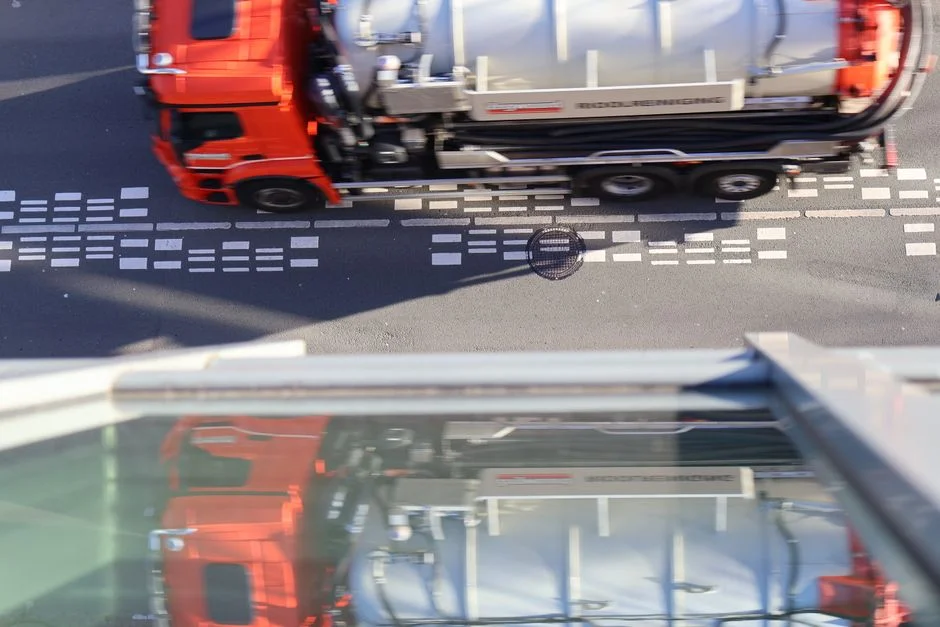
Make flood level, drainage, construction access, and wet-weather operation explicit procurement inputs. Heavy rain was the most common environmental barrier in the camp review, identified in 45% of cases because it could halt construction work, induce landslides, or increase sludge-drying time. The supplier must therefore state how each module remains accessible and serviceable under the camp’s wet-weather plan.
Allow for seasonal drying and storage constraints. One example in the review increased drying time from three to five weeks during the rainy season. Ask the camp operations lead for the maximum acceptable sludge-storage period, then check whether storage, dewatering, and removal frequencies remain workable under that condition. A layout based only on average flow may conceal the seasonal capacity gap.
Request corrosion-resistant material options, enclosure details, odor control, vector protection, access clearances, and safe sludge-removal interfaces. Do not assume that one material grade is universally appropriate for every coastal site; the exposure map, washdown regime, soil and groundwater conditions, and equipment-maintenance plan should determine the specification.
Place operating responsibilities inside the quotation. Define required operator competence, remote monitoring, backup power, spare parts, preventive maintenance, desludging frequency, response to power interruption, and recovery after flooding. For an underground or packaged arrangement, request the underground integrated sewage treatment equipment scope and access requirements and verify that it can be safely maintained at the camp.
- Ask the camp operations lead for population served, daily fecal-sludge generation, peak collection flow, and seasonal variation.
- Ask the sanitation or laboratory team for source-specific solids, moisture, and contaminant data.
- Ask the engineering or environmental authority for footprint, soil, groundwater separation, flood level, drainage route, and the applicable discharge or reuse approval.
- Ask the camp logistics and operations teams for power availability, backup-power needs, operator skills, monitoring expectations, access constraints, and safe sludge-removal arrangements.
Protect Drinking Water and the Receiving Coast
Map drinking-water sources, surface-water pathways, groundwater separation, flood flows, and the final destination of both liquid effluent and residual sludge before approving the layout. The camp-intervention review notes that untreated sludge discharge can create environmental and public-health risks, particularly where collection, treatment, and receiving waters are close together.
Use the Cox’s Bazar work as a site-risk lesson, not as a universal spacing rule. The 2026 study selected 63 fecal sludge treatment plants for fecal-sludge collection and paired drinking-water sampling households located within 100 m of each facility. Its relevance is the demonstrated proximity between fecal-sludge management infrastructure and drinking-water sources in a densely populated camp using onsite sanitation—not a site-specific prohibition distance.
Require two monitoring plans. The first should test treatment-process performance at agreed sample points and frequencies. The second should monitor the environmental pathway, including relevant drinking-water sources, surface water, groundwater where applicable, and residual-sludge handling locations. The available excerpts do not establish universal numerical effluent limits, so the RFQ should require the supplier to apply the authority-approved limits and provide verifiable sampling methods.
Where disinfection is part of the approved train, the UV sterilizer equipment scope can be evaluated as one barrier option. Selection still depends on the required pathogen outcome, water matrix, dosing or intensity conditions, fouling control, and approved sampling method.
Turn the Route into a Quotation and Acceptance Package
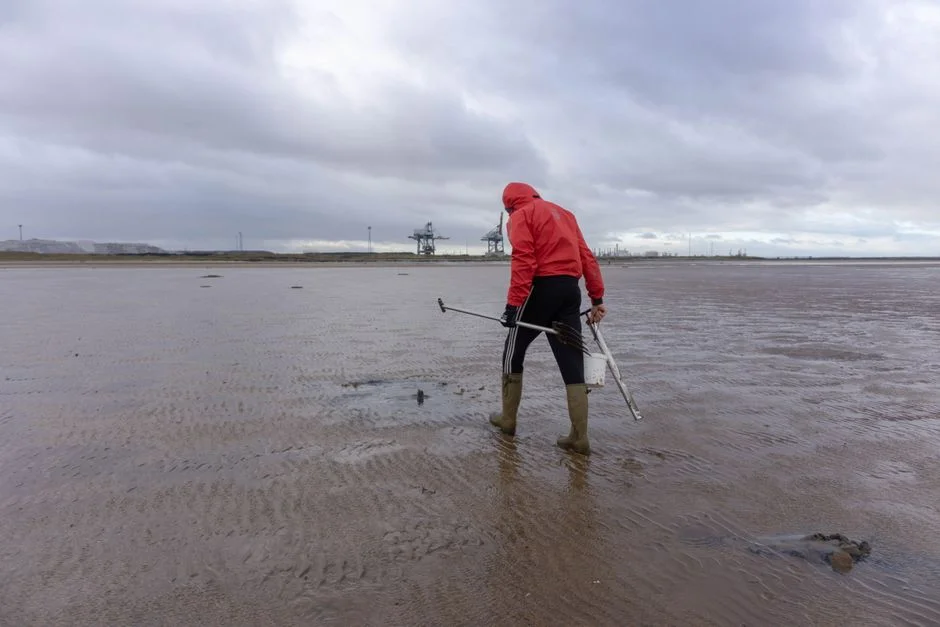
Require each bidder to state the design sludge flow, solids loading, retention time, hydraulic residence, duty cycle, operating availability, and treatment objectives. A nominal flow alone does not show whether the plant can accept peak collection deliveries or preserve the required treatment and storage times.
Separate line items for inlet screening, mixing, biological treatment, solids separation or dewatering, sludge storage, odor and vector control, disinfection, controls, utilities, access platforms, installation, commissioning, training, and warranty. State exclusions against the same list so that a missing module cannot be hidden inside a general package price.
| Quote line item | Technical scope to specify | Red flags to check before signing |
|---|---|---|
| Inlet screening and solids pretreatment | Design delivery, solids concentration, screen or separator duty, accessible solids outlet, and downstream transfer arrangement. | Only nominal flow is stated; screen selection is omitted; accumulated solids have no removal route. |
| Biological treatment | Organic and hydraulic loading basis, required retention time, pretreatment requirements, temperature basis, and operating control strategy. | No sludge-loading basis, no required treatment time, or biological capacity is presented without pretreatment limits. |
| Solids separation, storage, and dewatering | Separation objective, storage volume and duration, removal method, dewatering duty, destination, and safe access arrangement. | Sludge removal or disposal is excluded; storage volume is omitted; the quoted dewatering unit does not match the sludge characteristics. |
| Disinfection and discharge | Approved outcome, barrier selection, contact or dose conditions, materials, controls, sampling points, and discharge or reuse interface. | Disinfection is promised without a receiving-water or reuse basis; sampling or approval conditions are excluded. |
| Wet-weather, power, and service provision | Flood response, drainage, backup power, remote monitoring, critical spares, preventive maintenance, and access during wet conditions. | The package assumes uninterrupted gravity flow or grid power without naming responsibilities for interruption and recovery. |
| Commissioning and acceptance | Test methods, sample points, witnessing, leakage checks, training completion, documentation, performance demonstration, and permit conditions. | Acceptance relies on undefined “ satisfactory operation” or omits witness tests, training records, and site-specific approval requirements. |
Make acceptance depend on agreed test methods, sampling points, witnessing, training completion, documentation, leakage checks, and the site-specific discharge or reuse approval. Do not invent universal performance thresholds. Before signature, mark each missing input as buyer-supplied or supplier-supplied, list every exclusion, and reconcile the final treatment train with the valves, filter media, and treatment-parts scope.
Further Reading
Frequently Asked Questions
How much should a fecal sludge treatment plant for a coastal camp cost?
Request a quote based on the complete liquid and solids routes, not a reactor price or flow rate alone. The bidder should separately price pretreatment, biological treatment, solids separation or dewatering, contained storage, disinfection, controls, utilities, civil works, installation, commissioning, training, and residual-sludge removal. Ask for capital cost, supplier scope, exclusions, site-specific civil and utility assumptions, and recurring items such as power, chemicals, maintenance, sludge removal, sampling, and operator support.
How should a supplier be selected and sized for a coastal camp?
Require the bidder to demonstrate sizing against daily and peak fecal-sludge generation, solids loading, required retention and hydraulic residence, duty cycle, storage duration, wet-weather conditions, and the approved discharge or reuse route. Check whether the supplier accepts responsibility for missing site data or merely assumes favorable values. Also request the full chain of custody for liquid effluent and residual sludge, enclosure and vector controls, and the proposed commissioning and performance-verification plan.
Should the plant use anaerobic digestion or another biological treatment route?
Select the biological route after confirming pretreatment performance, sludge characteristics, required retention time, site conditions, and the final treatment objectives. Anaerobic treatment can support biogas recovery, but the available camp evidence does not establish a commercial-scale performance figure for this application. Compare the chosen process using source-specific sludge data and a solids-retention plan, rather than choosing it solely by nominal liquid flow.
What should be tested before the coastal camp plant is accepted?
Accept the plant only against agreed test methods and sample points for pretreatment, biological treatment, solids handling, disinfection, and any approved reuse or discharge condition. Require witnessed tests, leakage checks, operating demonstrations, complete documentation, operator training records, and confirmation of site-specific regulatory approval. Keep environmental and drinking-water monitoring separate from process testing, because satisfying an internal treatment result does not by itself demonstrate protection of a receiving water or nearby drinking-water source.