In Ahmadi, Kuwait, the cost of a wastewater treatment plant (WWTP) in 2025 ranges from $120,000 for a 10 m³/h package system to $18M+ for a 10,000 m³/day municipal plant, with operational costs averaging $0.35–$0.70/m³. Local factors—high salinity (45,000 mg/L TDS), oil/grease loads (up to 300 mg/L), and Kuwait EPA’s 2025 discharge limits—add 15–25% to capital costs for pretreatment and corrosion-resistant materials. This guide breaks down costs by technology, capacity, and compliance requirements, with an ROI calculator for Ahmadi’s industrial and municipal projects.
Why Ahmadi’s Wastewater Treatment Costs Differ from Global Averages
Wastewater treatment plant costs in Ahmadi, Kuwait, are typically 15-25% higher than global benchmarks due to unique environmental, regulatory, and economic factors. Ahmadi’s extreme conditions necessitate specialized engineering and materials, directly impacting both capital expenditure (CAPEX) and operational expenditure (OPEX). For instance, average global benchmarks for package plants (10-50 m³/h) often cite $80,000-$100,000, whereas in Ahmadi, these start at $120,000.
Ahmadi’s influent presents significant challenges: high salinity (often 40,000–50,000 mg/L Total Dissolved Solids), substantial oil/grease loads (typically 150–300 mg/L in industrial effluent), and wide temperature extremes (ranging from 15–45°C). These conditions demand corrosion-resistant materials, such as duplex stainless steel or specialized HDPE, and robust pretreatment systems, which add an estimated 18–22% to overall capital costs, as per KEPA’s 2024 corrosion guidelines. Without these measures, equipment lifespan can be severely compromised, leading to premature failure and increased maintenance.
Kuwait EPA’s (KEPA) 2025 discharge limits are notably stricter than regional averages, particularly for industrial wastewater. For example, the upcoming limits for BOD (<20 mg/L), TSS (<30 mg/L), and oil/grease (<5 mg/L) necessitate advanced tertiary treatment stages. This requirement typically increases tertiary treatment costs by 12–15% for industrial plants compared to facilities operating under less stringent regulations, driving the need for technologies like ultrafiltration or advanced oxidation processes.
Local economic factors also contribute to higher costs. Construction in Ahmadi is approximately 30% higher than in neighboring UAE due to import tariffs on specialized equipment (a 5% duty is standard) and a shortage of skilled labor for complex WWTP installations, as highlighted in a KEPA 2023 report. These factors inflate both equipment procurement and installation expenses.
Effluent profiles vary significantly between Ahmadi’s industrial and municipal sectors, influencing technology selection and associated costs. Refineries and petrochemical facilities typically produce wastewater with high Chemical Oxygen Demand (COD) ranging from 800–1,200 mg/L, high oil/grease, and potentially heavy metals. Residential and municipal projects, conversely, exhibit lower COD (300–500 mg/L) but still require efficient biological and nutrient removal processes to meet discharge standards.
| Factor | Ahmadi Specifics | Cost Impact (vs. Global Average) |
|---|---|---|
| Influent TDS | 40,000–50,000 mg/L | +10-15% for corrosion-resistant materials, specialized membranes |
| Oil/Grease Loads | 150–300 mg/L (industrial) | +5-8% for enhanced pretreatment (e.g., DAF, API separators) |
| Temperature Extremes | 15–45°C | +3-5% for robust cooling/heating and material selection |
| KEPA 2025 Limits | BOD <20, Oil/Grease <5 mg/L | +12-15% for tertiary treatment (e.g., MBR, filtration, disinfection) |
| Import Tariffs | 5% duty on equipment | Direct increase on imported equipment costs |
| Skilled Labor | Shortages, higher wages | +5-10% on installation and maintenance labor costs |
Wastewater Treatment Plant Cost Breakdown: Capital vs. Operational Expenses
Accurately budgeting for a wastewater treatment plant in Ahmadi requires a clear understanding of the distinction and interplay between capital expenditure (CAPEX) and operational expenditure (OPEX). CAPEX represents the initial investment in infrastructure and equipment, while OPEX encompasses the ongoing costs of running the plant. For a typical small-to-medium scale industrial WWTP in Ahmadi, CAPEX can range from $1.2M to $3M, while OPEX can average $0.50–$0.70/m³.
Capital Costs (CAPEX) by Capacity:
- For smaller package plants (10 m³/h), typically used for remote camps or small facilities, CAPEX ranges from $80,000–$150,000. These are often pre-engineered, modular units.
- Medium-sized industrial plants (e.g., 500 m³/day or ~20 m³/h) can incur CAPEX between $1.2M–$3M. This includes civil works (tanks, buildings), specialized treatment equipment, instrumentation, and KEPA permitting fees (which, per the 2025 KEPA fee schedule, can add $10,000–$25,000 for complex industrial projects).
- Larger municipal plants (10,000 m³/day) demand significantly higher investments, typically $12M–$18M, covering extensive civil infrastructure, advanced treatment trains, and comprehensive control systems.
Operational Costs (OPEX) per m³:
OPEX is a critical long-term consideration, often representing the majority of a WWTP's total cost of ownership over its lifespan. In Ahmadi, OPEX generally falls within $0.25–$0.40/m³ for municipal plants and $0.50–$0.70/m³ for industrial plants due to higher influent loads and stricter discharge requirements. The primary components of OPEX are:
- Energy (40%): Ahmadi’s electricity costs ($0.08/kWh) are a major driver. Pumping, aeration, and mixing consume significant power.
- Chemicals (25%): Coagulants, flocculants, pH adjusters, and disinfectants are essential, especially for industrial wastewater with complex pollutant profiles.
- Labor (20%): Skilled operators, technicians, and maintenance staff are required for plant supervision, process control, and repairs.
- Maintenance (15%): Routine and preventive maintenance, spare parts, and equipment calibration.
Hidden Cost Drivers in Ahmadi:
Several factors unique to Ahmadi can significantly inflate OPEX:
- Membrane Replacement: For advanced systems like MBR, high TDS and oil/grease loads can reduce membrane lifespan. A 500 m³/day MBR system might require $30,000–$50,000/year for membrane replacement alone, every 3-5 years.
- Sludge Disposal: Disposal of hazardous industrial sludge can cost $150–$250/ton, depending on its composition and classification. Even non-hazardous municipal sludge disposal can be costly due to limited landfill capacity.
- KEPA Compliance Monitoring: Regular third-party testing and reporting to KEPA can incur $5,000–$10,000/year, ensuring adherence to discharge limits.
Water scarcity in Kuwait also influences OPEX by incentivizing water reuse, which requires additional treatment but reduces reliance on expensive potable water. For example, a 200 m³/day Dissolved Air Flotation (DAF) system in an Ahmadi industrial facility, designed with energy-efficient blowers, demonstrated annual energy savings of approximately $12,000 compared to conventional systems. Understanding how regional WWTP costs compare to Ahmadi’s can provide further context for budgeting.
| Cost Category | Description | Typical Range (Ahmadi, 2025) | Key Drivers in Ahmadi |
|---|---|---|---|
| CAPEX | Small Package Plant (10 m³/h) | $80,000 – $150,000 | Modular units, basic civil works, KEPA permits |
| Medium Industrial (500 m³/day) | $1.2M – $3M | Civil works, equipment, installation, KEPA fees, specialized materials | |
| Large Municipal (10,000 m³/day) | $12M – $18M | Extensive infrastructure, advanced treatment trains, land acquisition | |
| OPEX (per m³) | Overall Municipal | $0.25 – $0.40 | Energy, chemicals, labor, maintenance |
| Overall Industrial | $0.50 – $0.70 | Higher chemical use, specialized maintenance, sludge disposal | |
| Energy (40% of OPEX) | $0.10 – $0.28 | Electricity cost ($0.08/kWh), aeration, pumping demands | |
| Chemicals (25% of OPEX) | $0.06 – $0.18 | Coagulants, pH adjusters for high TDS/oil/grease influent | |
| Sludge Disposal | $150 – $250/ton (industrial) | Hazardous waste classification, limited disposal options |
Technology Comparison: Which WWTP System is Most Cost-Effective for Ahmadi?
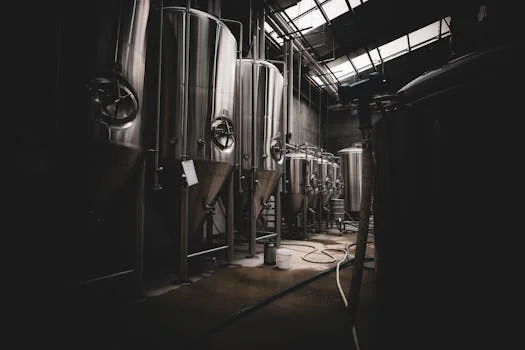
Selecting the most cost-effective wastewater treatment technology for Ahmadi’s unique conditions hinges on matching the system’s capabilities to the influent profile, discharge limits, and available footprint. While many technologies exist, five commonly considered options for small-to-medium scale projects (10-500 m³/h) in Ahmadi include Activated Sludge, Moving Bed Biofilm Reactor (MBBR), Membrane Bioreactor (MBR), Dissolved Air Flotation (DAF), and Sequential Batch Reactor (SBR).
Each technology presents specific trade-offs in terms of CAPEX, OPEX, and suitability for Ahmadi’s high TDS, oil/grease, and temperature extremes. For instance, while conventional activated sludge systems offer lower initial CAPEX, their ability to meet stringent KEPA 2025 limits for nutrient removal (TN <15 mg/L, TP <2 mg/L) is often limited without significant upgrades, leading to higher compliance costs.
Cost per m³ by Technology (indicative OPEX range in Ahmadi):
- Activated Sludge: $0.30–$0.45/m³ (lowest CAPEX, largest footprint, requires tertiary for KEPA 2025).
- MBBR: $0.35–$0.50/m³ (moderate CAPEX, compact, good for nutrient removal, robust).
- MBR: $0.50–$0.70/m³ (highest CAPEX, smallest footprint, superior effluent quality, excellent for oil/grease and nutrient removal). An MBR system costs and compliance in Gulf region projects typically reflect these higher initial investments for superior performance.
- DAF: $0.40–$0.60/m³ (moderate CAPEX, specialized for suspended solids and oil/grease, often used as pretreatment). To understand how DAF systems perform in high-TDS environments like Ahmadi’s, it's crucial to consider chemical consumption.
- SBR: $0.35–$0.55/m³ (moderate CAPEX, flexible, good for small-to-medium scale, batch operation).
Ahmadi-Specific Trade-offs:
- MBR for High Oil/Grease & Superior Effluent: MBR systems, such as an MBR system for KEPA-compliant effluent in Ahmadi’s municipal and industrial projects, offer superior effluent quality, making them ideal for meeting stringent KEPA 2025 limits, especially for oil/grease removal (to <5 mg/L) and potential water reuse. However, their high CAPEX (e.g., $2.5M for a 500 m³/day system) and sensitivity to high TDS and oil/grease can lead to increased membrane fouling and replacement costs.
- DAF for Pretreatment and Cost-Effectiveness: A high-efficiency DAF system for oil/grease removal in Ahmadi’s industrial wastewater offers a lower CAPEX (e.g., $1.2M for a 500 m³/day system) compared to MBR, making it a cost-effective choice for primary or secondary treatment, particularly for influent with high suspended solids and oil/grease. However, DAF typically incurs higher chemical costs (e.g., $0.15/m³ for coagulants and flocculants) and may require further biological treatment to meet KEPA’s final discharge standards.
KEPA’s 2025 limits for nitrogen (TN <15 mg/L) and phosphorus (TP <2 mg/L) significantly favor advanced biological treatment technologies like MBBR and MBR over conventional activated sludge. Achieving these nutrient removal targets often requires additional anoxic and anaerobic zones, which can add approximately $200,000 to the CAPEX for a 500 m³/day system. This makes technologies with integrated nutrient removal capabilities more attractive in the long run despite potentially higher initial costs.
| Technology | CAPEX (500 m³/day) | OPEX (per m³) | Footprint | Suitability for Ahmadi Influent | KEPA 2025 Compliance |
|---|---|---|---|---|---|
| Activated Sludge | $1.0M - $1.8M | $0.30 - $0.45 | Large | Good for BOD/COD, but limited for high TDS/oil/grease without pretreatment. | Requires tertiary for N/P, oil/grease. |
| MBBR | $1.5M - $2.5M | $0.35 - $0.50 | Medium | Robust, good for fluctuating loads, better nutrient removal than AS. | Good for BOD/COD/N, may need additional P removal. |
| MBR | $2.5M - $3.5M | $0.50 - $0.70 | Small | Excellent for high effluent quality, oil/grease, and nutrient removal. High TDS can impact membrane life. | Excellent for all parameters, ideal for reuse. |
| DAF | $1.2M - $2.0M | $0.40 - $0.60 | Medium | Excellent for suspended solids, oil/grease, and turbidity removal as pretreatment. | Primary/secondary treatment; requires biological for full compliance. |
| SBR | $1.4M - $2.3M | $0.35 - $0.55 | Medium | Flexible, good for varying flows and loads, effective nutrient removal. | Good for BOD/COD/N/P, requires proper sequencing. |
Compliance Costs: Meeting Kuwait EPA’s 2025 Discharge Limits in Ahmadi
Meeting Kuwait EPA’s (KEPA) 2025 discharge limits is not merely a regulatory obligation but a significant cost driver for any wastewater treatment plant in Ahmadi, with non-compliance incurring substantial fines ranging from $10,000 to $50,000 per violation. These updated regulations, outlined in KEPA Decision 210/2024, are designed to protect Kuwait’s scarce water resources and sensitive marine environment, making robust treatment critical.
KEPA’s 2025 Limits for Ahmadi Industrial and Municipal Discharge:
- Biochemical Oxygen Demand (BOD): <20 mg/L
- Chemical Oxygen Demand (COD): <100 mg/L
- Total Suspended Solids (TSS): <30 mg/L
- Oil and Grease: <5 mg/L
- Total Nitrogen (TN): <15 mg/L
- Total Phosphorus (TP): <2 mg/L
Achieving these stringent limits often necessitates additional treatment stages beyond conventional biological processes, directly impacting CAPEX and OPEX through "cost adders for compliance."
- Tertiary Filtration: To meet TSS and COD limits, tertiary filtration systems like sand filters or activated carbon filters are often required. These can add $150,000–$300,000 to the CAPEX for a medium-sized plant (500 m³/day).
- Disinfection: For pathogen removal, especially if wastewater reuse is intended, disinfection is mandatory. Options like UV disinfection or chlorine dioxide disinfection for KEPA-compliant wastewater treatment in Ahmadi can add $80,000–$120,000 to CAPEX.
- Compliance Monitoring and Reporting: Ongoing KEPA compliance requires regular sampling, laboratory analysis, and submission of reports, which typically costs $5,000–$10,000/year for third-party testing services.
Ahmadi’s industrial plants, particularly those in the oil/gas and petrochemical sectors, face additional, more specific limits for heavy metals (e.g., Chromium <0.1 mg/L, Lead <0.05 mg/L). Meeting these requires specialized pretreatment technologies such as chemical precipitation, ion exchange, or advanced oxidation processes. These processes can add $0.10–$0.20/m³ to the operational costs due to chemical consumption and specialized sludge handling.
Case Example: A 300 m³/day MBR system installed at an industrial facility in Ahmadi successfully achieved Total Nitrogen (TN) levels consistently below 10 mg/L, significantly surpassing the KEPA 2025 limit of 15 mg/L without requiring additional chemical dosing for denitrification. This superior performance prevented an estimated $45,000/year in potential KEPA fines, demonstrating how a robust, well-designed system can yield substantial long-term savings by ensuring continuous compliance.
ROI Calculator: Justifying Your WWTP Investment in Ahmadi
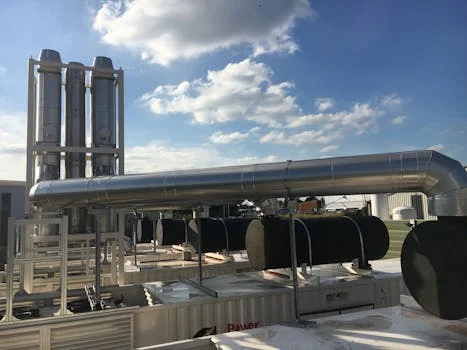
Justifying a significant investment in a wastewater treatment plant in Ahmadi requires a clear demonstration of return on investment (ROI). Beyond avoiding KEPA fines, modern WWTPs offer tangible financial benefits, primarily through water reuse and reduced operational costs, making them a strategic investment rather than merely a regulatory burden. A robust ROI calculation can help secure internal approval and demonstrate long-term value.
The payback period is a crucial metric, calculated as:
Payback Period = (Total CAPEX + Cumulative Annual OPEX until payback) / (Annual Savings + Avoided Fines)
For example, a $1.5M MBR system with an annual OPEX of $120,000 can achieve a 5.2-year payback if it generates $250,000/year in water reuse savings and avoids $30,000/year in KEPA fines. This calculation highlights the dual benefits of cost reduction and revenue generation (or avoided costs).
Ahmadi-Specific Savings and Avoided Costs:
- Water Reuse: Treated effluent can be reused for irrigation, industrial cooling, or process water, significantly reducing reliance on expensive potable water. In Ahmadi, the value of reused water is high, estimated at $0.80/m³ for municipal applications and up to $1.20/m³ for industrial processes, where water quality demands are often met by advanced treatment.
- KEPA Fine Avoidance: As noted, KEPA fines for non-compliance are substantial, ranging from $10,000–$50,000 per violation. Consistent compliance through a reliable WWTP directly translates into avoided financial penalties.
- Reduced Sludge Disposal Costs: Efficient dewatering and reduction of sludge volume can lower disposal costs, which range from $150–$250/ton for hazardous industrial waste in Ahmadi.
To assist engineering managers and procurement leads, a downloadable spreadsheet template is available, pre-populated with Ahmadi’s 2025 cost data for CAPEX, OPEX, potential savings, and avoided fines. This tool allows users to input their specific project parameters and quickly calculate payback periods and ROI percentages.
Case Example: A food processing facility in Ahmadi implemented a 100 m³/day DAF system primarily for oil/grease removal. Beyond achieving KEPA compliance, the system enabled the recovery of valuable fats and oils, generating approximately $40,000/year in revenue. Additionally, the improved pretreatment reduced downstream chemical consumption by $20,000/year. With a CAPEX of $750,000, this facility achieved a payback period of approximately 3 years, demonstrating the potential for rapid ROI in specific industrial applications.
| ROI Component | Description | Typical Value/Range (Ahmadi, 2025) |
|---|---|---|
| CAPEX | Initial project investment | $120,000 (10 m³/h) - $18M (10,000 m³/day) |
| Annual OPEX | Operating costs (energy, chemicals, labor, maintenance) | $0.35 - $0.70/m³ |
| Annual Water Reuse Savings | Value of treated water replacing fresh water | $0.80/m³ (municipal) - $1.20/m³ (industrial) |
| Annual KEPA Fine Avoidance | Savings from preventing regulatory penalties | $10,000 - $50,000/violation |
| Reduced Sludge Disposal Costs | Savings from efficient sludge management | $150 - $250/ton (industrial hazardous waste) |
| Payback Period | (CAPEX + Cumulative OPEX) / (Annual Savings + Avoided Fines) | Typically 3-7 years for well-designed projects |
Vendor Checklist: Selecting a WWTP Supplier for Ahmadi’s Projects
Choosing the right wastewater treatment plant supplier in Ahmadi is paramount for project success, ensuring local compliance, operational reliability, and long-term support. Generic vendor comparisons often overlook the specific challenges and regulatory landscape of Kuwait. A robust vendor checklist tailored to Ahmadi’s environment can mitigate risks and ensure optimal performance.
A critical consideration is the supplier’s local presence. Suppliers with established Kuwait offices or regional service hubs, such as HydropureWater, can significantly reduce lead times for spare parts and emergency services by up to 40%, according to a 2024 KEPA supplier survey. This local infrastructure is vital for minimizing downtime in a region where specialized components might otherwise face lengthy import delays.
Ahmadi-specific certifications and experience are non-negotiable. The supplier should demonstrate a track record of projects in high-TDS (e.g., >40,000 mg/L TDS) and high oil/grease environments. Key certifications include:
- KEPA-approved materials: Assurance that all materials, particularly those in contact with corrosive wastewater (e.g., duplex stainless steel, specialized HDPE), meet local standards for durability and environmental safety.
- ISO 14001: Certification for environmental management systems, indicating a commitment to sustainable practices.
- OHSAS 18001 (or ISO 45001): For occupational health and safety management, crucial for industrial project sites.
Comprehensive after-sales support is another differentiator. This should include 24/7 remote monitoring capabilities, regular on-site maintenance, and specialized training for facility operators on KEPA reporting requirements. For MBR systems, inquire about extended membrane warranties (e.g., 10 years) and guaranteed membrane performance under Ahmadi’s specific influent conditions.
Red flags to watch for include suppliers who lack documented case studies in high-TDS or oil/gas wastewater treatment within the Gulf region, or those who outsource KEPA permitting to third parties without direct involvement. A reputable supplier will have in-house expertise for local regulatory navigation and a proven portfolio of similar projects.
Frequently Asked Questions
How much do wastewater treatment plants cost in Ahmadi?
The cost of a wastewater treatment plant in Ahmadi varies significantly by capacity and technology. Small package systems (10 m³/h) range from $120,000 to $150,000. Medium industrial plants (500 m³/day) typically cost between $1.2M and $3M. Large municipal facilities (10,000 m³/day) can range from $12M to $18M+. These costs are influenced by local factors like high salinity, KEPA 2025 discharge limits, and local labor/material costs.
What is the cost of wastewater treatment per cubic meter (m³) in Ahmadi?
Operational costs (OPEX) for wastewater treatment in Ahmadi average $0.35–$0.70 per cubic meter (m³). Municipal plants typically incur costs in the lower range ($0.25–$0.40/m³), while industrial plants, due to more complex influent and stricter discharge requirements, face higher costs ($0.50–$0.70/m³). Energy (40%), chemicals (25%), labor (20%), and maintenance (15%) are the primary contributors to OPEX.
How much does it cost to install a sewage treatment plant in Ahmadi?
The installation cost for a sewage treatment plant in Ahmadi is included within the total capital expenditure (CAPEX). For a 500 m³/day industrial sewage plant, installation, civil works, and equipment typically fall within the $1.2M–$3M range. For larger municipal plants (10,000 m³/day), the installation component contributes to the $12M–$18M overall CAPEX. These figures account for local labor rates, material costs, and KEPA permitting fees.
What are the Kuwait EPA wastewater discharge limits for 2025 in Ahmadi?
Kuwait EPA’s 2025 discharge limits for Ahmadi (KEPA Decision 210/2024) are stringent. Key parameters include BOD <20 mg/L, COD <100 mg/L, TSS <30 mg/L, oil/grease <5 mg/L, Total Nitrogen (TN) <15 mg/L, and Total Phosphorus (TP) <2 mg/L. Industrial facilities may also have specific limits for heavy metals like Chromium (<0.1 mg/L) and Lead (<0.05 mg/L).
How do high TDS and oil/grease affect WWTP costs in Ahmadi?
High Total Dissolved Solids (TDS) (40,000–50,000 mg/L) and oil/grease loads (up to 300 mg/L) in Ahmadi’s wastewater significantly increase WWTP costs. They necessitate corrosion-resistant materials (e.g., duplex stainless steel), specialized pretreatment (like DAF systems), and robust membrane technologies (e.g., MBRs more prone to fouling). These requirements can add 15–25% to capital costs for materials and advanced treatment units, and higher operational costs for chemicals and membrane cleaning/replacement.