Choose the wastewater route before selecting equipment
An underground A/O package sewage treatment plant can suit a hotel where there is no accessible sewer, limited surface space and a confirmed route for the treated effluent. Connection to a municipal sewer is usually the simplest option when available and legally acceptable. An MBR wastewater treatment system should be compared when tighter treated-water quality or reuse objectives justify the additional operational requirements. The correct decision begins with the discharge or reuse destination, available footprint, seasonal peak flow and maintenance access—not with a nominal plant size.
Hospitality plants are custom-designed around guest capacity, seasonality and site-specific demands, so the presence of a nearby sewer does not by itself settle the selection. Confirm the permitted discharge route with the relevant Albanian authority before ordering. The available Albania information identifies the Ministry of Tourism and Environment’s environmental standards and the AKUM water network, but it does not establish a hotel-specific numerical effluent limit.
| Discharge route or influent problem | Governing rule or process option | What data settles it |
|---|---|---|
| Municipal sewer is available and accepted | Compare the cost and operational simplicity of sewer connection against on-site treatment; do not procure treatment capacity before confirming connection availability and conditions. | Written confirmation of connection eligibility, discharge route, applicable conditions, connection location and any owner contribution required. |
| No suitable sewer or the hotel requires on-site reuse | Consider an underground A/O biological treatment package, subject to footprint, seasonal hydraulic loading, treatment objectives and effluent-disposal confirmation. | Average and peak flows, wastewater characteristics, available area, burial depth, soil and groundwater conditions, intended reuse or discharge route. |
| Strict reuse quality or a more compact treatment train is required | Compare the MBR option with A/O treatment for the specified reuse purpose; ask suppliers to explain the added process, controls, membrane maintenance and operating implications. | Reuse application, required water quality, operating duty, operator competence, maintenance access and membrane replacement responsibility. |
| High-strength kitchen, laundry or other separable streams are present | Decide whether streams enter the same train or require equalization, pretreatment or separate collection. | Source-separated flow measurements and samples covering COD, BOD, suspended solids, fats and oils, pH and temperature. |
Use the comparison framework in sewer, A/O and MBR treatment options to identify which route each project condition supports.
Size the plant around seasonal hotel demand
Size the plant from measured and forecast hotel wastewater conditions, not occupied rooms alone. Ask the hotel’s operations team for average daily sewage flow, peak hourly flow, wastewater contribution per occupied room, monthly occupancy, event loading and laundry or kitchen discharge assumptions. Record whether these figures are metered, derived from operating records or estimated, and require suppliers to state their design basis.
Seasonality governs the design because guest numbers and operating schedules change through the tourism calendar. Ask each bidder to identify the average and peak design flow, applied peak factor, operating mode, redundancy approach and treatment-train boundary. The supplier should also state whether kitchen wastewater, laundry effluent and other high-strength streams enter the same train or require separate balancing.
- Obtain occupancy history and the expected peak occupied-room condition.
- Separate sewage sources and identify measured or estimated flows for each.
- Collect influent samples and analytical results for COD, BOD, suspended solids, fats and oils, pH and temperature.
- Require each supplier to document its design flow, peak factor, redundancy and treatment-train boundary.
- Check that the proposed plant remains operable and maintainable during lower-season flows as well as peak periods.
The A/O-versus-MBR hotel treatment comparison is useful for checking which questions a supplier must answer, including seasonal hydraulic loading, treatment quality and operating requirements.
Check site, reuse and regulatory constraints
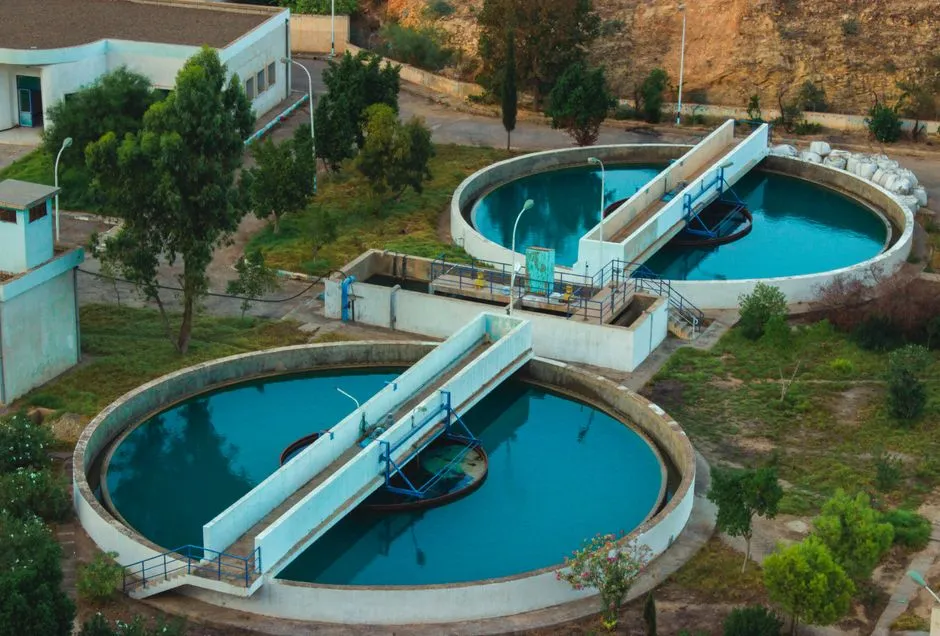
Check whether the proposed plant can be installed and maintained before evaluating its treatment claim. Collect the available footprint, landscaping plan, soil and groundwater conditions, burial depth, vehicle access, electrical supply and maintenance-access requirements. These conditions determine excavation, lifting, tank installation, controls, sludge removal and whether routine service can be performed without disrupting hotel operations.
Treated-water reuse for irrigation or technical use may be possible where site conditions permit, but the intended end use must be confirmed rather than assumed. Ask the authority and the supplier to identify the applicable water-quality requirement, monitoring arrangement and responsibility for demonstrating reuse compliance. Do not convert a general statement about possible reuse into permission for a specific application.
For an Albanian project, obtain current confirmation of the route through the Ministry of Tourism and Environment’s environmental standards and, where relevant, the AKUM water network. The available information also refers to Albania’s EU accession process towards UWWTD, but it does not verify a universal numerical effluent standard for this hotel duty. Request the permit conditions that apply to the selected discharge or reuse route and assign responsibility for regulatory liaison.
Build a quotation package that suppliers can compare
A comparable hotel wastewater RFQ must define the treatment obligation and the commercial boundaries. Require every quotation to identify design flow, wastewater sources, process stages, treatment-performance criteria, unit dimensions, civil interfaces, utilities, controls, sludge handling, commissioning and training. Undefined exclusions make quotations appear comparable when they cover different scopes.
Confirm whether disinfection is included. The WSZ product description states that its integrated treatment includes disinfection, but a quotation should state the process, scope and performance obligation explicitly. Treat delivery, electrical works, operator training, documentation, spare parts, warranty and on-site support as separately priced items so the buyer can compare both completeness and cost.
| Quote line item | Technical scope to specify | Red flags to check before signing |
|---|---|---|
| Design basis and process | Average and peak flows, source streams, treatment stages, disinfection, treatment-performance criteria, controls and redundancy. | Plant capacity lacks a peak-flow basis, excludes a relevant wastewater stream or gives no measurable performance requirement. |
| Equipment and civil interfaces | Unit dimensions, excavation or installation requirements, access, connections, utilities, electrical supply and site works. | Foundations, wiring, pipework, controls or delivery access are described as buyer scope without price or responsibility. |
| Sludge and operation | Sludge type, removal route, storage, operator duties, maintenance access, spare parts and service support. | Sludge disposal, membrane maintenance or consumables are omitted or assigned without clarification. |
| Commissioning and handover | Testing, training, operating documents, alarms, start-up support, performance demonstration and warranty commencement. | Handover means delivery only, with no defined test, remedy or competent operating documentation. |
| Delivery and commercial terms | Incoterm, shipment route, unpacking responsibility, schedule, tax or duty treatment, payment milestones and warranty. | Installation, commissioning, import charges or site support are unpriced and therefore disputed after award. |
For logistics planning, the available Albania supplier evidence states 4–7 days transit by road from Turkey or container sea transport to Durres port. Treat this as shipment-route information, not a guaranteed lead time for every order; obtain a current, order-specific quotation and logistics confirmation.
Set delivery and acceptance criteria before signing
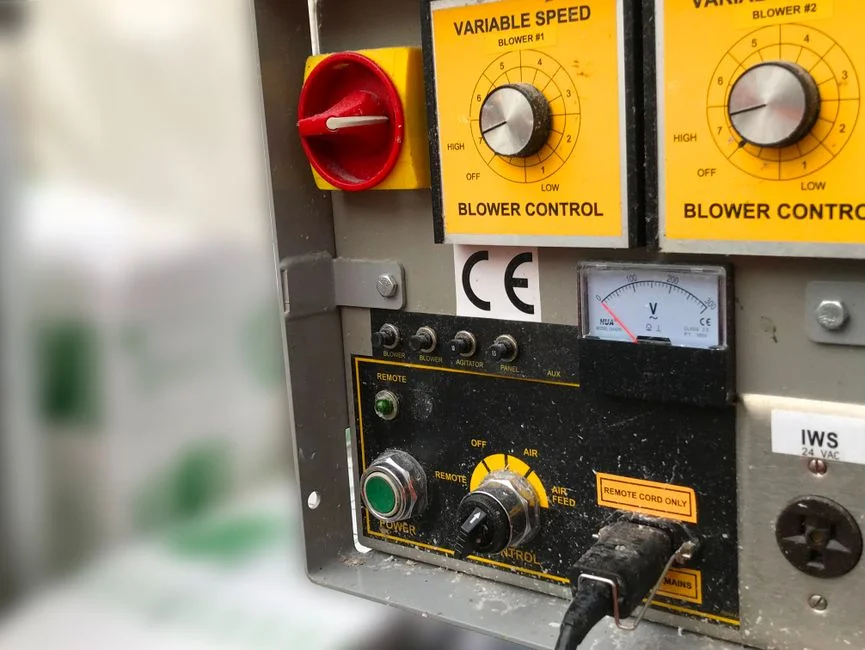
Do not treat shipment or installation as proof that the wastewater plant is ready for compliant operation. Tie final payment or handover to document review, factory or pre-delivery inspection where agreed, delivery-condition checks, installation completion, commissioning, operator training and a site performance demonstration. Each obligation should have a responsible party, date and documentary record.
Define the performance test before signing. The contract should state the accepted flow condition, test method, sampling point, operating period, parameter limits, witnessing party, retest procedure and remedy if the demonstration fails. Do not accept a generic statement that the plant meets “hotel requirements” without measurable criteria or an agreed test method.
Require operational documentation covering start-up, normal operation, shutdown, maintenance, alarm response, sludge removal and spare-parts recommendations. Also confirm who provides the site data, who remains responsible for permitted discharge, who demonstrates reuse quality and who handles regulatory liaison. The available excerpts do not establish that these obligations automatically belong to the equipment supplier.
The package specification, cost and compliance checklist in package wastewater plant specifications, costs and compliance can structure the technical review, while local permit confirmation remains necessary for the Albanian site.
Frequently Asked Questions
How is a package sewage treatment plant sized for a hotel with seasonal occupancy?
Use the hotel’s measured or documented average daily flow and peak hourly flow, then provide occupancy, event, kitchen and laundry assumptions to every supplier. Require each bidder to state its design flow, peak factor, redundancy and treatment boundaries. Do not approve a nominal size until those inputs and the proposed operating mode are documented.
What should be included in a packaged sewage treatment plant quotation for a hotel in Albania?
The RFQ should separately price treatment equipment, civil works, utilities, controls, sludge handling, disinfection, delivery, installation, commissioning, training, documentation, spare parts, warranty and support. Ask for an itemized quotation, stated exclusions, payment milestones and the treatment-performance test. Request comparable quotations using the same site data and scope.
How should WSZ and MBR options be compared for a hotel wastewater project?
Compare each option against the same requirements: seasonal flows, available footprint, intended reuse quality, discharge conditions, installation constraints, operator capability and maintenance access. Require the WSZ and MBR proposals to identify their complete treatment trains and lifecycle service obligations, including membrane or consumable replacement where applicable. Choose the route that meets the confirmed project requirement.
Which site and compliance information must the hotel provide before selecting a supplier?
Provide wastewater flows and characteristics, source separation, occupancy and event data, footprint, soil and groundwater conditions, burial depth, landscaping, access, power, sludge-handling arrangements, intended reuse purpose and proposed discharge route. Request the applicable Albanian permit conditions and identify who will manage compliance. If any input is unavailable, state it as an explicit quotation assumption and require the supplier to price or qualify it.