Top Sewage Treatment Equipment Suppliers in Port Harcourt: 2025 Buyer’s Guide with Costs, Compliance & ROI Data
Port Harcourt’s sewage treatment equipment market is fragmented, with suppliers offering solutions ranging from ₦20 million ($50K) package plants to over ₦1.6 billion ($2M+) industrial MBR systems. Key vendors like Wilkriss Nigeria and Threeo Limited provide DAF, clarifiers, and skid-based systems, but compliance with Nigeria’s FMEnv and NESREA standards (e.g., <30 mg/L BOD for discharge) often requires custom engineering. This guide compares 5 top suppliers, breaks down costs (₦32,000–₦140,000/$80–$350 per m³ capacity), and includes ROI data for industrial and municipal projects in Rivers State.Why Port Harcourt Needs Reliable Sewage Treatment Equipment
68% of Port Harcourt industrial facilities failed wastewater compliance audits in 2023, according to an FMEnv Rivers State report, highlighting a critical need for reliable sewage treatment equipment. Imagine a Port Harcourt factory manager, facing a ₦15 million fine for exceeding effluent discharge limits, scrambling to upgrade an outdated treatment system. This scenario is increasingly common as regulatory pressures intensify, driven by the region's rapid industrial growth and severe environmental challenges.
Nigeria’s regulatory bodies, particularly the Federal Ministry of Environment (FMEnv) and the National Environmental Standards and Regulations Enforcement Agency (NESREA), are actively enforcing strict discharge limits. NESREA National Environmental Regulations (2009) mandate that industrial effluent discharged into public waters must not exceed <30 mg/L for Biochemical Oxygen Demand (BOD), <50 mg/L for Total Suspended Solids (TSS), and <10 mg/L for oil and grease. Non-compliance carries significant penalties, including fines ranging from ₦5 million to ₦50 million or even facility shutdown, as evidenced by FMEnv 2024 enforcement data.
Industrial growth drivers in Port Harcourt further exacerbate the demand for robust wastewater solutions. The oil and gas sector, accounting for 22% of Nigeria’s GDP, alongside a ₦1.2 trillion food processing sector, generates substantial volumes of complex industrial wastewater. Concurrently, Port Harcourt's population, estimated at 3.2 million with a 3.5% annual growth rate, places immense pressure on municipal sewage infrastructure. This growth, coupled with inadequate treatment, contributes significantly to environmental degradation. The Niger Delta pollution, largely from industrial and municipal discharge, costs Nigeria an estimated $7 billion per year in health and ecosystem damage, according to a 2022 World Bank report. Investing in advanced sewage treatment equipment is therefore not just a compliance issue, but an economic and public health imperative.
Top 5 Sewage Treatment Equipment Suppliers in Port Harcourt (2025)
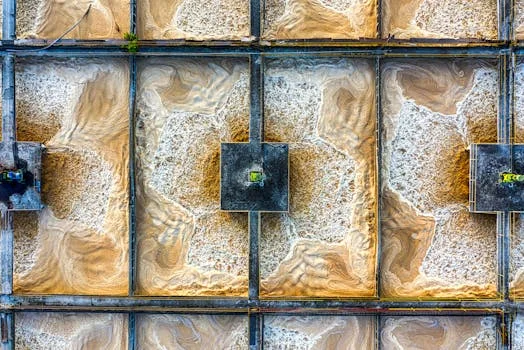
Evaluating sewage treatment equipment suppliers in Port Harcourt requires scrutinizing their technical capabilities, local support, and adherence to Nigerian regulatory standards. While the market features numerous players, a select few stand out for their experience and offerings in industrial and municipal wastewater treatment. For instance, Wilkriss Nigeria Limited is recognized for importing and manufacturing skid-based clarifiers, sand filters, and Dissolved Air Flotation (DAF) systems, maintaining a confirmed local service center in Port Harcourt.
Threeo International, an indigenous engineering firm, specializes in comprehensive water treatment solutions, including turnkey sewage treatment plants for both municipal and industrial clients. EcoTech Engineering Ltd differentiates itself with a focus on integrated water and air treatment, showcasing relevant case studies in the oil and gas and food processing sectors. Emmnez Water Solution Ltd primarily operates as a retail and wholesale supplier of water treatment parts, offering limited custom engineering capabilities for complex sewage projects. Neslyn Nig Limited, while active in borehole and general water treatment, has not extensively documented specific sewage treatment projects, which is a consideration for large-scale industrial or municipal applications.
The following table provides a more granular comparison of these top suppliers:
| Supplier | Technology Offered | Capacity Range (m³/h) | After-Sales Support | Compliance Certifications | Local Case Studies (Industry) |
|---|---|---|---|---|---|
| Wilkriss Nigeria Limited | DAF, Clarifiers, Sand Filters, Skid-based systems | 5 - 200 | Local service center, Spare parts, Warranty (1-2 years) | ISO 9001 (claimed), SON (product specific) | Oil & Gas, Food Processing |
| Threeo International | Turnkey Package Plants, Biological systems | 10 - 500+ | Comprehensive support, Operator training, Maintenance contracts | ISO 14001 (claimed), FMEnv registration | Municipal, Brewery, Chemical |
| EcoTech Engineering Ltd | Integrated Biological, MBR (via partners), DAF | 20 - 300 | Technical consultation, System optimization | N/A (focus on project-based compliance) | Oil & Gas, Food Processing |
| Emmnez Water Solution Ltd | Basic Filtration, Chemical Dosing (parts supply) | N/A (component-based) | Parts supply, Basic troubleshooting | N/A (component supplier) | Small-scale commercial, Residential |
| Neslyn Nig Limited | Basic Water Treatment (borehole focus) | N/A (limited sewage focus) | Basic maintenance | N/A | Residential, Small businesses |
Sewage Treatment Technologies: Which One Fits Your Project?
Selecting the optimal sewage treatment technology for a Port Harcourt project directly impacts operational efficiency, compliance, and long-term cost. The choice depends on several critical factors, including flow rate, available space, and the required effluent quality for discharge or reuse. Understanding the technical characteristics of common systems is crucial for informed procurement decisions.
Package plants, such as HydropureWater’s WSZ Series, are compact, pre-engineered units designed for smaller flow rates, typically ranging from 1 to 80 m³/h. These systems are ideal for hotels, hospitals, remote camps, and small communities due to their ease of installation (often underground) and relatively low capital cost. They offer a cost-effective solution at approximately ₦32,000–₦60,000 ($80–$150) per m³ of capacity, providing reliable secondary treatment. Learn more about compact underground sewage treatment systems for Port Harcourt projects.
Dissolved Air Flotation (DAF) systems, like HydropureWater's, excel at high-efficiency removal of fats, oils, grease (FOG), and suspended solids (TSS). With TSS removal rates typically ranging from 92–97% (per EPA benchmarks), DAF systems are indispensable in industries such as food processing, petrochemicals, and abattoirs where high concentrations of these pollutants are present. Their cost ranges from ₦48,000–₦100,000 ($120–$250) per m³ capacity. Explore high-efficiency DAF systems for industrial wastewater in Nigeria.
Membrane Bioreactor (MBR) systems represent an advanced treatment technology, delivering near-reuse-quality effluent (<1 μm filtration) that often exceeds standard discharge limits. MBRs are particularly suited for space-constrained sites due to their compact footprint and for applications requiring high-quality treated water, potentially for non-potable reuse. While their energy consumption is higher, typically 0.6–1.2 kWh/m³ (per HydropureWater MBR specs), the superior effluent quality and reduced footprint justify the investment. MBR systems typically cost ₦80,000–₦140,000 ($200–$350) per m³ capacity. Discover MBR systems for near-reuse-quality effluent in space-constrained sites.
A simple decision framework for technology selection involves four key considerations:
- Flow Rate (m³/h): Small flows (1-80 m³/h) suit package plants; medium-to-large industrial flows (50-500+ m³/h) may require DAF or MBR.
- Space Constraints: Underground package plants or compact MBRs are ideal for limited footprints; DAF systems are typically above-ground.
- Effluent Quality Requirements: Basic BOD/TSS limits (secondary treatment) can be met by package plants; stringent limits or reuse (tertiary treatment) necessitate MBR or DAF followed by further polishing.
- Budget (Capex vs. Opex): Evaluate the trade-offs between initial capital expenditure and ongoing operational costs (energy, chemicals, maintenance).
| Technology Type | Footprint | Energy Use (kWh/m³) | Effluent Quality (BOD/TSS) | Maintenance Requirements | Typical Applications |
|---|---|---|---|---|---|
| Package Plants (WSZ Series) | Small, often underground | 0.3 - 0.6 | Secondary (30-50 mg/L) | Moderate (sludge removal, aeration) | Hotels, Hospitals, Small Communities |
| DAF Systems | Medium, above-ground | 0.2 - 0.5 | High TSS/FOG removal (<20 mg/L) | Moderate (chemical dosing, sludge scraping) | Food Processing, Petrochemicals, Abattoirs |
| MBR Systems | Compact, modular | 0.6 - 1.2 | Tertiary, near-reuse quality (<5 mg/L) | Higher (membrane cleaning, aeration) | Space-constrained sites, Water Reuse, Pharmaceuticals |
Cost Breakdown: Sewage Treatment Equipment in Port Harcourt (2025)
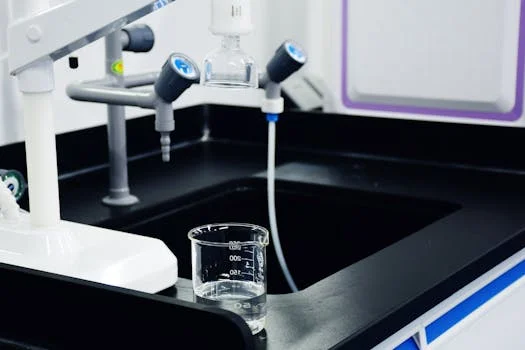
The capital expenditure (Capex) for sewage treatment equipment in Port Harcourt ranges from ₦20 million ($50,000) for small package plants to over ₦1.6 billion ($2 million) for large industrial MBR systems. On a per cubic meter capacity basis, this translates to approximately ₦32,000–₦140,000 ($80–$350) (per supplier quotes and HydropureWater product data). These figures encompass the core equipment, installation, and initial commissioning.
Beyond the initial investment, operational expenditure (Opex) is a significant factor. Typical Opex for industrial wastewater treatment in Nigeria ranges from ₦60–₦160 ($0.15–$0.40) per cubic meter of treated water. This covers electricity for pumps and aeration, chemicals for coagulation, flocculation, and disinfection (such as disinfection options for Nigerian industrial wastewater), and labor for operation and maintenance. For example, a 50 m³/h package plant operating 20 hours a day could incur monthly Opex in the range of ₦1.8 million to ₦4.8 million.
Several hidden costs often surprise procurement managers in Port Harcourt:
- FMEnv Compliance Testing: Quarterly or bi-annual effluent testing by accredited laboratories can cost ₦500,000–₦2 million per year, depending on the number of parameters and frequency.
- Spare Parts: Annual spare parts expenditure, including membranes, pumps, and sensors, typically accounts for 5–10% of the initial Capex.
- Operator Training: Ensuring competent local staff can operate and maintain the system effectively requires initial and ongoing training, costing ₦200,000–₦500,000 per session.
A robust Return on Investment (ROI) calculation is crucial for justifying these investments. Consider an example for a 50 m³/h package plant with a Capex of ₦40 million and an annual Opex of ₦5 million. If this plant helps a factory avoid ₦12 million per year in FMEnv fines for non-compliance (based on FMEnv 2024 data), the payback period is approximately 3.2 years. This calculation highlights that the cost of inaction (fines, reputational damage, potential shutdowns) often far outweighs the investment in compliant treatment infrastructure.
| System Type | Capex Range (₦) | Opex (₦/m³) | Payback Period (Years) |
|---|---|---|---|
| Small Package Plant (1-10 m³/h) | ₦20M - ₦60M | ₦50 - ₦120 | 2.5 - 4.0 |
| Medium DAF System (50-100 m³/h) | ₦100M - ₦300M | ₦80 - ₦150 | 3.0 - 5.0 |
| Large MBR System (100-500 m³/h) | ₦400M - ₦1.6B+ | ₦100 - ₦160 | 3.5 - 6.0 |
Compliance and Regulatory Requirements for Port Harcourt
Adherence to Nigeria's environmental regulations, particularly those enforced by FMEnv Rivers State and NESREA, is non-negotiable for all sewage treatment operations in Port Harcourt. Non-compliance can lead to severe penalties, including substantial fines and operational shutdowns, making a thorough understanding of the legal landscape paramount for any project.
The Federal Ministry of Environment (FMEnv) Rivers State mandates pre-treatment for all industrial effluent before discharge into public sewers or water bodies, as outlined in the FMEnv Guidelines (2023). facilities are required to conduct quarterly compliance testing by accredited laboratories, submitting reports to the Ministry to demonstrate ongoing adherence to discharge standards.
The National Environmental Standards and Regulations Enforcement Agency (NESREA) National Environmental Regulations (2009) set the overarching discharge limits for various pollutants. For industrial effluent, critical parameters include a Biochemical Oxygen Demand (BOD) of less than 30 mg/L, Total Suspended Solids (TSS) of less than 50 mg/L, and oil and grease content of less than 10 mg/L. These limits are strictly enforced to protect public health and the environment.
Beyond effluent quality, equipment itself must meet specific standards. The Nigerian Industrial Standards (NIS) 554:2015 provides guidelines for wastewater treatment equipment, and certification by the Standards Organisation of Nigeria (SON) is often required, particularly for imported systems. This ensures the equipment meets national quality and performance benchmarks.
Local permits are also essential for establishing and operating a sewage treatment plant in Port Harcourt. An Environmental Impact Assessment (EIA) is typically required for plants exceeding 50 m³/h capacity or those located near sensitive areas like residential zones. Additionally, an FMEnv discharge permit, which can cost between ₦300,000 and ₦1 million annually, must be secured before any treated effluent can be legally discharged. Penalties for non-compliance are significant, ranging from ₦5 million to ₦50 million in fines, or even facility shutdown, as reinforced by FMEnv 2024 enforcement data. Proactive engagement with regulatory bodies and ensuring robust compliance measures are critical to avoid these costly consequences.
How to Choose the Right Supplier: A 5-Step Framework
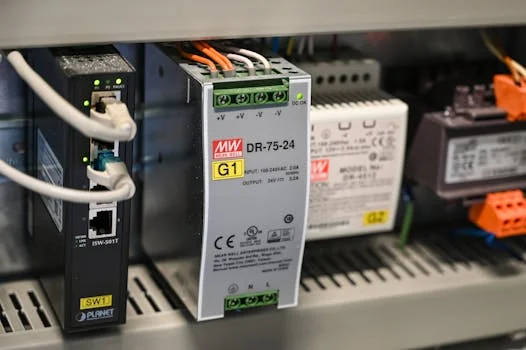
Selecting the ideal sewage treatment equipment supplier in Port Harcourt requires a structured approach that prioritizes technical fit, regulatory compliance, and long-term operational support. Beyond simply comparing prices, procurement managers and facility engineers must evaluate a supplier's ability to deliver a solution that meets specific project demands and ensures sustained compliance.
This 5-step framework guides the decision-making process:
- Define Project Requirements: Clearly articulate the project's technical and operational needs.
- Shortlist Local & Proven Suppliers: Identify vendors with a track record in Port Harcourt and relevant industry experience.
- Request & Compare Technical Proposals: Scrutinize the engineering details of each proposed solution.
- Evaluate After-Sales Support: Assess the supplier's commitment to long-term system performance.
- Negotiate Contracts with Performance Guarantees: Secure agreements that protect your investment and operational continuity.
| Step | Key Questions for Evaluation |
|---|---|
| Step 1: Define Project Requirements |
|
| Step 2: Shortlist Local & Proven Suppliers |
|
| Step 3: Request & Compare Technical Proposals |
|
| Step 4: Evaluate After-Sales Support |
|
| Step 5: Negotiate Contracts with Performance Guarantees |
|
Frequently Asked Questions
Procurement managers and facility engineers in Port Harcourt frequently ask about the financial, technical, and regulatory aspects of implementing sewage treatment solutions.
How much does it cost to set up a sewage treatment plant in Port Harcourt?
Capital expenditure (Capex) ranges significantly, from approximately ₦20 million ($25,000) for a small 10 m³/h package plant to over ₦1.6 billion ($2 million) for a 500 m³/h industrial MBR system. Operational expenditure (Opex) typically falls between ₦50–₦150 ($0.12–$0.37) per cubic meter of treated water, depending on energy, chemical, and labor costs (per supplier quotes and FMEnv data). For an overview of how package plants compare to DAF and MBR systems for African projects, refer to our detailed guide.
What are the three types of wastewater treatment, and which one is best for my project?
The three main types are: (1) Primary treatment (physical screening and settling to remove large solids), (2) Secondary treatment (biological processes, e.g., activated sludge or A/O process, to remove dissolved organic matter), and (3) Tertiary treatment (advanced filtration, e.g., MBR or DAF, for polishing and disinfection). The best choice depends on your effluent quality needs: secondary treatment is sufficient for basic compliance with NESREA standards, while tertiary treatment is required for stringent discharge limits, sensitive environments, or water reuse applications.
Do I need an EIA for a sewage treatment plant in Port Harcourt?
Yes, an Environmental Impact Assessment (EIA) is required if your plant exceeds 50 m³/h capacity or is located near residential or environmentally sensitive areas. FMEnv Rivers State mandates an EIA for all new industrial wastewater projects as part of the permitting process (FMEnv Guidelines, 2023).
Can I import sewage treatment equipment into Nigeria?
Yes, you can import sewage treatment equipment into Nigeria, but it must comply with the Nigerian Industrial Standard (NIS) 554:2015 and be certified by the Standards Organisation of Nigeria (SON). Many local suppliers in Port Harcourt, such as Wilkriss and Threeo, specialize in handling the import logistics, customs clearance, and compliance requirements, simplifying the process for clients.
What is the payback period for a sewage treatment plant in Port Harcourt?
The payback period for a sewage treatment plant in Port Harcourt typically ranges from 2–5 years. This timeframe is heavily influenced by the system type, initial capital investment, operational costs, and, crucially, the value of avoided regulatory fines and potential facility shutdowns. For example, a ₦40 million package plant with ₦5 million annual Opex could achieve a payback in approximately 3.2 years by avoiding an estimated ₦12 million per year in FMEnv non-compliance fines (FMEnv 2024 data).