Package wastewater treatment plants in South Africa are pre-engineered, containerised or skid-mounted trains sized from about 1 kL/day (roughly 4–12 people) to 400 kL/day for camps, estates, hotels, and industrial parks. Capex typically spans $15,000–$500,000 (2025 project quotes, technology and civil scope dependent). Buyers usually design against SANS 241 Class 1/2 water-quality benchmarks, the Water Services Act, and a DWS water use licence for discharge or reuse.
Why Decentralised Package Plants Matter Across South Africa
Decentralised package sewage trains fill gaps where municipal sewers are delayed or remote: units from 1–400 kL/day ship as modules, with 2025 Capex of $15,000–$500,000 and targets often set to SANS 241 Class 2 for discharge or Class 1 for reuse. Water stress and provincial bylaws keep modular plants on mine, resort, and industrial shortlists.
South Africa faces a projected 17% water deficit by 2025, according to the DWS 2023 report cited in earlier planning notes. That deficit, plus enforcement pressure under the National Water Act, pushes owners toward on-site treatment instead of waiting on trunk sewers. Most plants we size for mining camps and estate clusters run at the lower end of the quoted hydraulic range until occupancy ramps up.
Regulatory drivers remain tight. Amendments discussed for the National Water Act in 2024 and strict SANS 241 Class 1 and Class 2 benchmarks for potable and high-quality water raise the bar for reuse and sensitive discharge. Provincial bylaws, such as Western Cape 2025 effluent discharge limits, often add nutrient and pathogen rules beyond national minima. Miss those limits and you face fines plus forced shutdowns.
Use cases stretch across the country. Remote mining camps in Limpopo need reliable sewage treatment and optional reuse for dust suppression or process make-up water. Informal settlements use plug-and-play trains when sewers lag behind housing delivery. Hotels and resorts in water-stressed catchments treat domestic sewage for irrigation. Industrial parks specify industrial wastewater treatment South Africa packages that meet licence limits before discharge or recycle. For urban Gauteng questions such as how is wastewater treated in midrand south africa, package units often bridge the gap until municipal capacity arrives.
Traditional options leave clear gaps. Septic tanks give poor nutrient removal and risk groundwater pollution when soakaways fail. Conservancy tanks need frequent, costly tanker desludging that scales badly with occupancy. Central municipal works suit dense cities but fail remote or fast-growing sites on Capex, land take, and construction schedule. Modular package trains cut civil volume and shorten commissioning when site power and a lawful discharge path are ready.
Decision rule for buyers: if sewer connection is more than 12–18 months away, or peak flow sits under about 400 kL/day with variable occupancy, a packaged train usually beats tanker haulage on five-year cash cost. Above that flow, or with exotic industrial toxics, you should compare a site-built works instead of forcing a sanitary package into the wrong duty.
How Package Wastewater Treatment Plants Work: Process and Specs
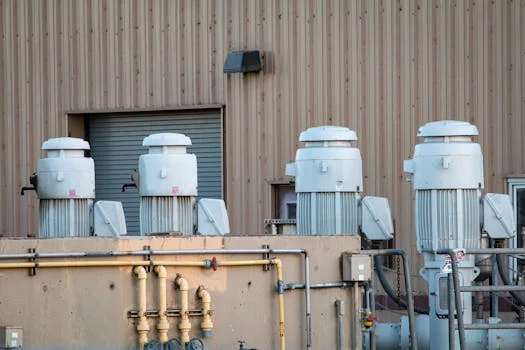
A typical South Africa package sewage train runs primary, secondary, and tertiary stages so raw sewage becomes licence-compliant effluent. Module choices track influent strength and the SANS 241 class used as the design benchmark for reuse or sensitive discharge. Field crews still spend most startup days balancing aeration, sludge age, and disinfection dose—not rearranging tanks.
The core treatment stages include:
- Primary Treatment: Screens and grit removal protect downstream pumps and membranes. Sedimentation then drops settleable solids and cuts organic load before biology starts.
- Secondary Treatment (Biological): Microorganisms remove dissolved and colloidal organics. Common South Africa package options include:
- Activated Sludge: Aerobic reactors typically achieve 92–97% BOD removal when sludge age and dissolved oxygen stay in control.
- Extended Aeration: Longer hydraulic retention lowers sludge yield and stabilises effluent for small communities with weak operator cover.
- Trickling Filters: Biofilm on rock or plastic media treats flow with lower blower energy than dense activated sludge tanks.
- Membrane Bioreactors (MBR): Activated sludge plus microfiltration or ultrafiltration. Buyers comparing mbr wastewater treatment systems in south africa: 2026 engineering guide with costs, compliance & roi should treat package MBR modules as compact reuse trains, not full municipal MBR campuses. MBR packages often reach nearly 99% BOD removal with near-complete TSS and pathogen barrier performance for mining-camp reuse.
- Tertiary Treatment: Disinfection with UV or chlorination—often via on-site chlorine dioxide disinfection for package plants—and optional sand filtration polish residual solids before discharge or reuse.
Performance is measured against SANS 241 Class 1 (potable-grade benchmark) and Class 2 (high-quality non-potable / discharge benchmark). For reuse-grade effluent, an MBR package plant for high-quality effluent and water reuse is the usual shortlist pick when footprint is tight and pathogen limits are non-negotiable.
| Parameter | Raw Sewage (Influent) | Activated Sludge (Effluent) | MBR (Effluent) | SANS 241 Class 2 Limit | SANS 241 Class 1 Limit |
|---|---|---|---|---|---|
| BOD5 (mg/L) | 250–500 | <20 | <5 | <25 | <5 |
| COD (mg/L) | 500–1000 | <75 | <30 | <75 | <30 |
| TSS (mg/L) | 200–400 | <30 | <1 | <30 | <1 |
| NH4-N (mg/L) | 25–50 | <10 | <1 | <10 | <1 |
| Total Coliforms (CFU/100mL) | 106–107 | <1000 | <0 (Non-detect) | <1000 (discharged) | <0 (potable) |
| Energy Consumption (kWh/m³) | N/A | 0.6–1.2 | 1.5–2.5 | N/A | N/A |
| Footprint (m²/kL/day) | N/A | 1.0–1.5 (above ground) | 0.5–1.0 (above ground) | N/A | N/A |
Read the table with influent conditions attached. Activated sludge effluent near BOD <20 mg/L assumes domestic-strength feed around BOD 250–500 mg/L and stable aeration. MBR effluent near BOD <5 mg/L and TSS <1 mg/L assumes intact membranes and controlled flux. Energy at 0.6–1.2 kWh/m³ for activated sludge versus 1.5–2.5 kWh/m³ for MBR reflects blower and permeate pumping duty at typical package scale, not a municipal campus.
Cost Analysis for South Africa Package Plants (2025)
Capital expenditure for package wastewater systems in South Africa commonly runs from $15,000 for small domestic units to over $500,000 for larger industrial trains when civil works and commissioning are included. Budget both Capex and Opex before comparing ROI against tanker haulage or a delayed sewer connection fee.
What does a small package plant cost in South Africa?
A small domestic or estate package plant in South Africa typically costs about $15,000–$80,000 installed for roughly 1–20 kL/day when civil scope stays simple. Equipment often sits near $10,000–$60,000, with excavation, foundations, and commissioning filling the rest. Sites with deep tanks, long rising mains, or hard rock excavation move to the upper half of that band quickly.
Upgrade economics differ from greenfield installs. Owners replacing failing septic or conservancy systems should price demolition, temporary tanker cover during changeover, and any new rising main—not only the factory package price. Those soft costs often add 15–30% on constrained urban plots.
Capex Breakdown (Approximate Ranges, USD):
- Equipment: $10,000 – $400,000. Covers reactors, tanks, pumps, blowers, and controls. An Underground Package Sewage Treatment Plant (WSZ Series) can cost more in equipment when tanks are rated for burial loads and traffic surcharge.
- Civil Works: $5,000 – $100,000. Excavation, concrete foundations, access roads, and fencing.
- Installation: $3,000 – $50,000. Labour and cranage to assemble and connect modules on a prepared pad.
- Commissioning: $2,000 – $20,000. Startup testing and process tuning to licence limits under real influent.
Opex Breakdown (Approximate per Cubic Meter, USD):
For line-item energy and chemical maths, use a detailed opex breakdown for wastewater treatment.
- Energy: $0.10 – $0.30/m³ at typical SA tariff and aeration intensity. MBR trains sit higher because of membrane scour air and permeate pumping.
- Chemicals: $0.05 – $0.20/m³ for disinfection, pH trim, or phosphorus removal when licence conditions demand it.
- Maintenance: $1,000 – $10,000/year fixed for inspections, spares, and labour.
- Sludge Disposal: $50 – $200/ton, varying by province and disposal route.
Technology Comparison Matrix:
| Feature | Activated Sludge | MBR (Membrane Bioreactor) | Trickling Filter |
|---|---|---|---|
| Capex (Relative) | Medium ($$) | High ($$$) | Low-Medium ($) |
| Opex (Relative) | Medium-High ($$) | High ($$$) | Low ($) |
| Footprint (Relative) | Medium | Small | Large |
| Effluent Quality | Good (SANS 241 Class 2) | Excellent (SANS 241 Class 1, Reuse-grade) | Moderate (SANS 241 Class 2) |
| Maintenance Complexity | Medium | High (membrane cleaning) | Low |
| Sludge Production | Medium | Low | Low |
ROI Drivers:
Package plant ROI in South Africa rarely rests on Capex alone. Reuse credits, avoided fines, and drought resilience usually dominate the five-year cash story for camps and resorts.
- Water Reuse: Treated effluent can feed irrigation, cooling towers, toilet flushing, or other non-potable uses, cutting municipal or borehole demand—especially valuable for water reuse in mining camps.
- Regulatory Compliance: Avoiding fines up to R10 million and forced shutdowns under national and provincial effluent rules.
- Operational Resilience: Keeping sanitation and non-potable supply running during droughts or municipal interruptions.
Hidden Costs:
- Permitting: R5,000 – R50,000 for NEMA authorisation, DWS water use licences, and municipal approvals.
- Training: R10,000 – R30,000 so operators can run and maintain the plant correctly after handover.
- Remote Monitoring: R20,000 – R100,000/year for telemetry and SCADA with alarms when sites sit far from town.
Cash-flow tip: ask vendors to separate factory equipment, South Africa civil allowances, and first-year consumables. Blended lump sums hide whether a low bid simply omitted sludge haulage or operator training.
Compliance Checklist: Meeting South Africa’s Wastewater Rules in 2025
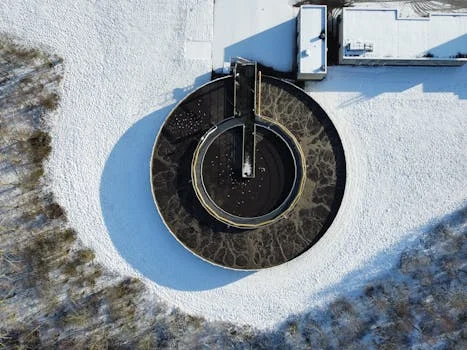
South African package-plant projects must align with SANS 241 Class 1/2 benchmarks and the Water Services Act (1997), while discharge usually also needs a National Water Act licence; fines can reach R10 million for serious breaches. Treat national standards, provincial bylaws, and municipal health rules as one stack, not optional extras on the quotation.
National Standards:
- SANS 241: Drinking-water quality standard. Class 1 and Class 2 limits are widely used as design benchmarks for treated effluent where reuse or sensitive receiving waters apply. Class 1 sets tight pathogen, chemical, and physical limits. Class 2 relaxes some parameters for non-potable uses or lower-risk discharge.
- Water Services Act (Act 108 of 1997): Frames water services provision, including wastewater treatment and discharge duties for service providers.
- National Water Act (Act 36 of 1998): Controls protection and use of water resources and typically requires a water use licence for effluent discharge to a water resource.
Owners tracking none compliance of wastewater treatment in south africa should budget for sampling, licence conditions, and corrective action before commissioning, not after the first failed lab set.
Provincial Variations:
Effluent quality expectations differ by province. For example, KwaZulu-Natal’s compliance requirements for municipal plants emphasise pathogen control near recreational waters and dense settlements.
- Gauteng: Strict BOD and TSS targets for river discharge often force advanced secondary or tertiary polishing on package trains.
- Western Cape: Nutrient removal (nitrogen and phosphorus) is prioritised to limit eutrophication in sensitive inland and coastal waters.
- KwaZulu-Natal: Pathogen control is a focus for discharges near settlements and recreational waters.
Permitting Process:
Permit timelines commonly run 3–12 months from first submission to operating authority, depending on listed activities and municipal backlog.
- Environmental Authorisation (NEMA): Required for listed activities with significant environmental impact under the National Environmental Management Act.
- Water Use Licence (DWS): Needed for waste or water discharge into a water resource under DWS review.
- Municipal Approvals: Local bylaws and health rules for construction and operation on the erf.
Monitoring Requirements:
- Continuous Monitoring: Larger plants often log pH, turbidity, and flow in real time as a licence condition.
- Monthly Lab Tests: BOD, COD, TSS, NH4-N, and pathogens verify treatment efficacy against the licence table.
Non-Compliance Risks:
- Fines: Up to R10 million or imprisonment under environmental legislation for serious offences.
- Shutdowns: Directives can stop operations until compliance is restored and verified.
- Reputational Damage: High-profile industrial pollution cases in 2023/24 showed how fast stakeholder trust erodes after effluent failures.
Supplier Selection Checklist for South Africa Package Plants
Vendor selection for a South Africa package plant should weight local service capacity, written effluent guarantees, and proven similar references above brochure claims. A weak after-sales network costs more than a slightly higher equipment quote once membranes or blowers need urgent spares during peak season.
Can package plants treat hospital wastewater in South Africa?
Package plants can treat hospital sanitary wastewater in South Africa when pretreatment and disinfection are sized for higher pathogen and pharmaceutical loads. High-strength ward or lab streams may need equalisation, screening, and sometimes advanced oxidation or carbon polishing before biological stages. Always give suppliers measured BOD, COD, TSS, and any cytotoxic or radioisotope constraints before freezing the process design.
Technical Criteria:
- Proven Track Record: Prefer vendors with at least 5 years of South Africa references on similar municipal sewage treatment South Africa or industrial loads. Request a completed-project list with dates and capacities.
- Technology Certifications: Confirm ISO 9001 manufacturing and documentation aligned with SANS 241 design targets and local engineering codes.
- Customization Options: Modular scaling for flow growth, above-ground or underground layouts, and future tertiary add-ons without ripping out the biological core.
- Engineering Expertise: In-house process design, P&ID packages, and commissioning support that stays available after handover.
Performance Guarantees:
- Effluent Quality Guarantees: Written guarantees for BOD, COD, TSS, and pathogens versus SANS 241 Class 1 or Class 2 limits (for example 95% BOD removal under stated influent conditions).
- Uptime Service Level Agreements (SLAs): Target 98%+ uptime with clear remedies when response times slip.
- Warranty Terms: Typically 1–5 years on equipment and installation defects, excluding consumables.
Local Support:
- Service Network: Regional offices or accredited partners across South Africa matter more than factory distance.
- Response Times: Emergency call-out commitments such as 24/48 hours should be written into the contract.
- Spare Parts Availability: Local stock of blowers, pumps, and membrane modules cuts downtime.
- Operator Training: Hands-on training for daily operation, membrane cleaning, and fault finding.
Case Studies and References:
- Reference Projects: Ask for 3–5 similar clients in mining, hospitality, or housing estates and call them directly.
- Performance Data: Review actual lab results against discharge standards, not only factory acceptance tests.
- Client Contact Details: Reputable vendors share contacts without delay or NDAs that block technical discussion.
Red Flags:
- No Local Presence: No office, staff, or service partners in South Africa.
- Vague Performance Claims: “Highly efficient” without numbers or guarantees tied to influent conditions.
- Lack of Third-Party Certifications: Missing ISO or independent performance proof.
- Unrealistic Pricing: Bids far below regional norms often cut materials or after-sales cover. For provincial price context, see regional cost benchmarks for Eastern Cape.
Buyer selection checklist (4–7 items):
- Confirm design flow in kL/day at peak-day, not average-day only.
- Match technology to licence class: activated sludge for Class 2 discharge, MBR when reuse or Class 1 is required.
- Price full Capex: equipment + civil + install + commissioning.
- Model Opex at local power tariff in $/m³ and sludge haulage in $/ton.
- Verify NEMA, DWS licence, and municipal approval path and timeline.
- Require written effluent guarantees and 24/48-hour service response.
- Inspect three operating references with recent lab certificates.
Who this is for: EPC contractors, mine camp operators, estate developers, hotel owners, and industrial park managers who need 1–400 kL/day modular treatment with a clear Capex band and licence path.
Who should look elsewhere: Dense metro schemes that already have spare municipal capacity, or factories with exotic toxic streams that need a full custom industrial WWTP rather than a sanitary package train.
Next step: Share influent analyses, peak flow, and discharge or reuse targets for a sized proposal via request a package plant quote.
Frequently Asked Questions
What is the lifespan of a package wastewater treatment plant in South Africa?
A well-maintained package plant in South Africa typically lasts 15–25 years for mechanical and process packages. Structural tanks and buried piping often exceed 30 years when corrosion protection and desludging schedules are followed. Plan mid-life replacement for pumps, blowers, and membranes rather than assuming the whole plant fails at once.
How much space does a package plant need?
Most modular package plants need about 0.5–1.5 m² per kL/day of design capacity above ground. MBR layouts usually sit near 0.5–1.0 m²/kL/day, while conventional activated sludge needs closer to 1.0–1.5 m²/kL/day. Underground tanks free surface area but add excavation depth and structural tank cost.
Can package plants handle industrial wastewater?
Yes—package plants can treat many industrial sanitary and light-process streams if pretreatment removes FOG, metals, or shock loads first. High-strength effluent needs clear BOD, COD, and TSS data before sizing aeration and sludge handling. Without that characterisation, suppliers cannot guarantee licence compliance.
What are the operating costs per cubic meter?
Domestic-strength package plants in South Africa commonly operate at about $0.20–$0.50/m³ including energy, chemicals, and routine maintenance. Industrial wastewater treatment South Africa duties with higher organics or special chemicals often land at $0.50–$1.50/m³. Local power tariffs and sludge haul distance move the number more than brand labels do.
How do I choose between activated sludge and MBR?
Choose activated sludge when Capex is tight, land is available, and SANS 241 Class 2 discharge is enough. Choose MBR when you need Class 1 or reuse-grade water, a smaller footprint, or stricter pathogen barriers for camps and hospitals. MBR Capex and membrane cleaning labour are higher, but reuse savings often close the gap on constrained sites.