Package Wastewater Treatment Plants in South Carolina USA: 2025 Engineering Guide with Costs, Compliance & Supplier Checklist
Package wastewater treatment plants in South Carolina are engineered to handle flows ranging from 0.1 to 6 MGD, consistently meeting stringent SCDHEC NPDES permit limits such as BOD less than 10 mg/L and TSS less than 15 mg/L. For projects planned in 2025, capital costs typically span from $1.2 million for a 0.5 MGD SBR system to $8 million for a 4 MGD MBR plant with tertiary filtration, with buried systems notably reducing land use by up to 60% compared to conventional above-ground installations. Critical engineering considerations include managing influent variability common in areas like Greenville’s industrial parks, optimizing energy efficiency (MBR systems operate at 0.8–1.2 kWh/m³ compared to SBRs at 0.5–0.7 kWh/m³), and securing robust local supplier support for navigating SCDHEC permitting processes.
Why South Carolina Needs Package Wastewater Treatment Plants in 2025
SCDHEC’s 2025 nutrient limits are driving a significant shift towards advanced decentralized wastewater treatment solutions across South Carolina. New NPDES permits will increasingly require stringent effluent limits, including Total Nitrogen (TN) below 3 mg/L and Total Phosphorus (TP) below 0.3 mg/L, particularly for discharges into sensitive watersheds. This regulatory pressure is exemplified by large-scale compliance drivers such as Charleston’s deep tunnel system, designed to manage combined sewer overflows and improve water quality in coastal areas, setting a precedent for enhanced treatment needs statewide.
Population growth in key regions further strains existing centralized infrastructure. Greenville's population is expanding at an annual rate of 1.5%, while Fort Mill experiences a more rapid 3.2% year-over-year growth, according to the SC Office of Revenue and Fiscal Affairs 2024 data. This surge in population frequently outpaces the expansion capacity of traditional municipal wastewater treatment plants, making decentralized package systems a practical and often necessary solution for new developments and outlying communities.
The industrial sector also contributes substantially to the demand for specialized wastewater treatment. South Carolina hosts major industrial players, including automotive manufacturing (e.g., BMW in Spartanburg), food processing (e.g., Nestlé in Anderson), and textiles (e.g., Milliken in Greenville). These facilities often generate high-strength wastewater that requires robust pretreatment to meet SCDHEC’s categorical limits, such as FOG (Fats, Oils, and Grease) below 100 mg/L, before discharge to municipal sewers or direct environmental release.
land constraints in rapidly developing urban and suburban areas favor compact, efficient treatment solutions. Buried package plants, such as an SBR system implemented by EarthTek near a Greenville high school, can reduce the overall footprint by as much as 60% compared to conventional above-ground facilities, as highlighted in the EPA’s 2023 ‘Decentralized Wastewater Systems’ report. This makes buried wastewater treatment systems particularly attractive for projects with limited available land, balancing environmental compliance with urban planning objectives.
Package Wastewater Treatment Plant Technologies: How They Work and When to Use Each
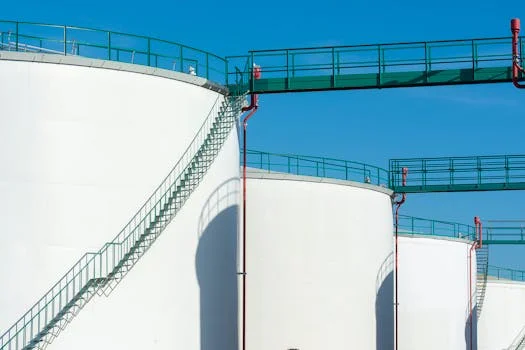
Selecting the appropriate package wastewater treatment technology hinges on balancing influent characteristics, desired effluent quality, site constraints, and operational budgets. Each technology offers distinct advantages and trade-offs tailored to specific project requirements in South Carolina.
Sequencing Batch Reactors (SBR)
Sequencing Batch Reactors (SBRs) operate on a fill-and-draw principle, performing all treatment processes (aeration, sedimentation, and decantation) in a single tank in a timed sequence. The typical 5-phase cycle includes: fill (wastewater enters), react (aeration for biological treatment), settle (solids separate), decant (treated effluent discharged), and idle. Fort Mill’s 4.5 MGD plant utilizes a similar batch-based approach to manage its municipal wastewater. SBR systems typically achieve BOD removal rates of 85–95% and TSS removal rates of 85–90%. Energy consumption for SBRs generally ranges from 0.5–0.7 kWh/m³, making them a cost-effective option for many municipal and commercial applications. A buried SBR package plant for South Carolina’s land-constrained sites offers an efficient solution for decentralized treatment.
Membrane Bioreactors (MBR)
Membrane Bioreactors (MBRs) integrate biological treatment with membrane filtration, offering superior effluent quality and a significantly smaller footprint. The core of an MBR system is the submerged PVDF (polyvinylidene fluoride) membrane, typically with pore sizes ranging from 0.1–0.4 μm, which acts as a physical barrier to separate treated water from activated sludge. This eliminates the need for secondary clarifiers and tertiary filtration. Aeration requirements for MBRs are higher, generally ranging from 1.0–1.5 kWh/m³, due to the need for membrane scouring. EarthTek’s Greenville project exemplifies MBR technology's capability to produce reuse-quality effluent, consistently achieving TSS less than 1 mg/L and turbidity below 0.2 NTU, ideal for MBR system for reuse-quality effluent in South Carolina’s nutrient-sensitive watersheds.
Dissolved Air Flotation (DAF)
Dissolved Air Flotation (DAF) systems are primarily used for pretreatment, effectively removing Fats, Oils, and Grease (FOG), suspended solids (TSS), and other low-density contaminants. DAF technology works by dissolving air under pressure into wastewater, then releasing it at atmospheric pressure, creating micro-bubbles that attach to suspended particles. These bubble-particle aggregates float to the surface, forming a scum layer that is mechanically skimmed off. DAF systems boast high removal efficiencies of 90–98% for FOG and TSS. They are particularly valuable in food processing, textile, and other industrial sectors in South Carolina that face strict pretreatment standards for FOG (e.g., less than 100 mg/L) before discharging to municipal sewers. A DAF pretreatment for South Carolina’s food processing and textile industries is essential for compliance.
Hybrid Systems
Hybrid systems combine elements of different technologies to achieve specific treatment goals, often focusing on enhanced nutrient removal. Anoxic/Oxic (A/O) + sedimentation systems, for instance, utilize alternating oxygen conditions to facilitate biological denitrification (TN < 5 mg/L) and phosphorus uptake (TP < 1 mg/L) before conventional clarification. While Charleston’s deep tunnel system represents a large-scale approach to managing wastewater and improving water quality, smaller hybrid package plants can integrate A/O processes with SBRs or MBRs to meet demanding nutrient limits in South Carolina's sensitive receiving waters.
| Technology | Core Mechanism | Typical Effluent Quality | Energy Use (kWh/m³) | Key Application |
|---|---|---|---|---|
| SBR | Fill, react, settle, decant, idle | BOD: 85-95%, TSS: 85-90% | 0.5-0.7 | Moderate flows, cost-sensitive, flexible |
| MBR | Biological treatment + membrane filtration | TSS < 1 mg/L, Turbidity < 0.2 NTU (reuse-quality) | 1.0-1.5 | High effluent quality, small footprint, water reuse |
| DAF | Micro-bubble flotation | FOG: 90-98%, TSS: 90-98% | 0.2-0.4 (for DAF only) | Industrial pretreatment (high FOG/TSS) |
| Hybrid (e.g., A/O) | Anoxic/oxic zones + sedimentation | TN < 5 mg/L, TP < 1 mg/L | Varies (similar to SBR for biological) | Enhanced nutrient removal |
Technology Comparison: MBR vs SBR vs DAF for South Carolina Projects
A direct comparison of MBR, SBR, and DAF technologies reveals distinct trade-offs in effluent quality, footprint, and cost, critical for optimizing package plant selection in South Carolina. MBR systems excel in producing exceptionally high-quality effluent suitable for water reuse, often achieving BOD and TSS levels significantly lower than conventional treatment methods (EPA’s 2024 ‘Wastewater Technology Fact Sheets’). SBRs, while producing good quality effluent, offer greater flexibility and lower capital costs, making them suitable for projects with moderate effluent requirements and budget constraints. DAF, primarily a pretreatment technology, is indispensable for industrial applications with high FOG and TSS loads.
For instance, Fort Mill’s utilization of membrane technology for its wastewater treatment facility underscores the trend towards high-efficiency systems in urban areas where stringent discharge limits and land scarcity are major concerns. This choice reflects a strategic investment in superior effluent quality and reduced environmental impact.
| Parameter | MBR | SBR | DAF |
|---|---|---|---|
| Effluent Quality (BOD/TSS) | <5 mg/L BOD, <1 mg/L TSS | <15 mg/L BOD, <15 mg/L TSS | Pretreatment only (90-98% FOG/TSS removal) |
| Footprint (sq ft/MGD) | 2,500-3,500 | 4,000-6,000 | 500-1,000 (pretreatment) |
| Energy Use (kWh/m³) | 1.0-1.5 | 0.5-0.7 | 0.2-0.4 |
| Capital Cost ($/MGD) | $3.5M - $5.0M | $2.2M - $3.5M | $0.5M - $1.5M (for DAF unit) |
| O&M Cost ($/1000 gal/year) | $0.80 - $1.50 | $0.50 - $1.20 | $0.10 - $0.30 (for DAF unit) |
| Land Requirements | Very low | Low to moderate | Very low (for pretreatment) |
| Permitting Complexity | High (for reuse) | Moderate | Moderate (for industrial pretreatment) |
| Best For | Water reuse, tight spaces, stringent nutrient limits | Cost-effective, flexible flows, moderate limits | High FOG/TSS industrial influent |
A practical decision tree for technology selection:
- If effluent must meet reuse standards or highly stringent nutrient limits, an MBR system is typically the optimal choice due to its superior filtration capabilities.
- If the project budget is a primary constraint, with capital costs needing to remain below $2.2M/MGD, an SBR system often provides the best balance of performance and affordability.
- If the influent wastewater has a consistently high concentration of Fats, Oils, and Grease (FOG) or suspended solids, particularly from food processing or textile industries, a DAF system is essential for effective pretreatment before biological treatment.
- If land availability is severely restricted, buried MBR or SBR systems offer compact solutions, minimizing the visible footprint.
2025 Cost Benchmarks for Package Wastewater Treatment Plants in South Carolina
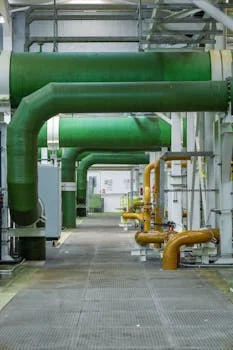
Understanding the comprehensive cost benchmarks for package wastewater treatment plants in South Carolina, including capital, operational, and hidden expenses, is vital for accurate project budgeting in 2025. Capital costs for package plants vary significantly by technology and capacity. For 0.1–1 MGD SBR systems, capital costs typically range from $1.2 million to $3.5 million. Larger 1–6 MGD MBR systems generally require a higher initial investment, falling between $2.5 million and $8 million, reflecting the advanced membrane technology and higher effluent quality (RSMeans 2024 data and vendor quotes). A detailed cost and ROI breakdown for wastewater treatment plants provides further regional context.
| Capacity (MGD) | SBR Cost ($) | MBR Cost ($) | DAF Cost ($) | Buried System Premium (%) |
|---|---|---|---|---|
| 0.1 | $1.2M - $1.8M | $2.5M - $3.5M | $0.5M - $0.8M | 15% - 25% |
| 0.5 | $2.0M - $3.0M | $3.5M - $5.0M | $0.8M - $1.2M | 10% - 20% |
| 1.0 | $3.0M - $4.5M | $4.5M - $6.5M | $1.2M - $1.8M | 10% - 15% |
| 4.0 | N/A (typically larger SBRs) | $6.0M - $8.0M | N/A (multi-unit DAF) | 5% - 10% |
Note: DAF costs represent the DAF unit and associated civil works, not a complete wastewater treatment plant.
Operational and Maintenance (O&M) Costs
O&M costs are a significant long-term consideration. For SBR systems, these typically range from $0.50–$1.20 per 1,000 gallons, while MBR systems, with their higher energy demands and membrane replacement schedules, incur O&M costs between $0.80–$1.50 per 1,000 gallons (EPA’s 2023 ‘Clean Watersheds Needs Survey’). These figures encompass energy, chemicals, labor, and routine maintenance.
Hidden Costs and ROI Drivers
Beyond the primary capital and O&M expenses, several hidden costs can impact the total project budget. SCDHEC permitting fees can range from $10,000 to $50,000, depending on the complexity and discharge type. Civil works, particularly for buried systems, can add $200,000 to $1 million, covering excavation, concrete foundations, and backfill. Land acquisition costs also vary dramatically, from $5–$20 per square foot in rural Greenville areas to $50–$100 per square foot in prime Charleston locations, making footprint efficiency a key economic factor.
Return on Investment (ROI) for package plants is driven by several factors. Energy-efficient blowers and pumps can yield up to 30% savings in electricity consumption, a major O&M component. The extended lifespan of modern membranes (8–10 years for MBRs) reduces replacement frequency. Crucially, land savings from compact or buried systems can significantly enhance project viability, especially in high-value areas, where reducing footprint by 60% can translate into substantial avoided land acquisition costs or increased developable area.
SCDHEC Compliance Checklist: Permitting, Pretreatment, and Monitoring for Package Plants
Navigating South Carolina’s regulatory framework requires strict adherence to SCDHEC’s NPDES permit requirements, industrial pretreatment standards, and rigorous monitoring protocols for all package wastewater treatment plants. Obtaining an NPDES (National Pollutant Discharge Elimination System) permit is mandatory for any discharge into state waters. Typical effluent limits for package plants include BOD less than 10 mg/L, TSS less than 15 mg/L, and ammonia less than 2 mg/L. For discharges into nutrient-sensitive watersheds, such as the Saluda River basin, more stringent limits for Total Nitrogen (TN less than 3 mg/L) and Total Phosphorus (TP less than 0.3 mg/L) are enforced. Project developers should consult SCDHEC’s 2024 ‘NPDES General Permit for Package Plants’ (Permit No. SCR000000) for specific requirements.
Industrial Pretreatment Standards
Industrial users discharging into municipal sewer systems must comply with SCDHEC’s pretreatment standards, outlined in Regulation 61-9, the ‘Industrial Pretreatment Program.’ Categorical limits are imposed on specific industries to prevent interference with municipal treatment plants and protect water quality. For example, food processing facilities typically face FOG limits of less than 100 mg/L, while metal finishing operations must adhere to stringent limits for heavy metals (e.g., less than 1 mg/L for certain metals). Effective pretreatment, such as the use of a DAF system for South Carolina’s food processing and textile industries, is crucial for industrial compliance.
Monitoring and Reporting
SCDHEC permits mandate regular monitoring and reporting to ensure continuous compliance. Required parameters typically include flow, pH, BOD, TSS, ammonia, and nutrients. Sampling frequency varies, with daily measurements often required for flow, pH, BOD, and TSS, and weekly or monthly sampling for nutrients. All monitoring data must be submitted through quarterly Discharge Monitoring Reports (DMRs) to SCDHEC by specified deadlines. Understanding how disinfection options for South Carolina’s package plants impact monitoring is also essential.
| Parameter | Typical NPDES Limit (mg/L) | Sampling Frequency | Reporting Method |
|---|---|---|---|
| Flow | N/A (monitor) | Daily | Quarterly DMR |
| pH | 6.0 - 9.0 S.U. | Daily | Quarterly DMR |
| BOD5 | <10 | Daily | Quarterly DMR |
| TSS | <15 | Daily | Quarterly DMR |
| Ammonia-N | <2 (seasonal) | Weekly | Quarterly DMR |
| Total Nitrogen (TN) | <3 (sensitive watersheds) | Weekly | Quarterly DMR |
| Total Phosphorus (TP) | <0.3 (sensitive watersheds) | Weekly | Quarterly DMR |
| FOG (Industrial) | <100 (pretreatment) | Monthly/Quarterly | Industrial Discharge Report |
Permitting Timeline and Required Documents
The permitting process for package plants in South Carolina can take 6–12 months for NPDES permits and 3–6 months for construction permits. Key documents required for submission include detailed engineering reports, site plans, hydraulic calculations, and proof of operator certifications (SCDHEC’s ‘Operator Certification Program’). Early engagement with SCDHEC and a thorough understanding of all requirements, similar to how Arkansas’s permitting compares to South Carolina’s requirements, are critical to avoiding delays.
Supplier Evaluation Framework: How to Select a Package Plant Vendor in South Carolina
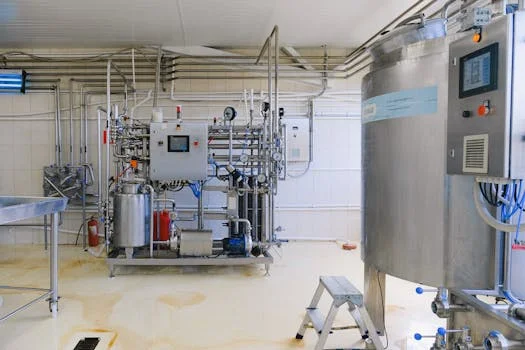
Selecting a package wastewater treatment plant vendor in South Carolina requires a structured evaluation framework that prioritizes technical guarantees, robust local support, and transparent cost structures. A vendor’s technical capabilities are paramount. This includes explicit effluent guarantees, such as "95% BOD removal or vendor pays penalties," which demonstrate accountability. Membrane warranties for MBR systems should be a minimum of 8–10 years, reflecting the expected lifespan of these critical components. vendors should provide guaranteed energy efficiency metrics, such as blower power consumption below 0.8 kWh/m³, to ensure long-term operational cost savings.
Local Support and Service
Robust local support is crucial for minimizing downtime and ensuring smooth operations. Vendors with South Carolina-based service teams, like EarthTek’s Greenville office, can provide rapid response times. Essential services include 24/7 remote monitoring capabilities, allowing for proactive issue detection, and a readily available spare parts inventory with lead times ideally under 48 hours. This local presence significantly reduces the risks associated with equipment malfunctions and maintenance.
Permitting Assistance and Training
Navigating SCDHEC’s complex permitting process can be a significant hurdle. A strong vendor partner will offer comprehensive permitting assistance, including providing detailed engineering reports, acting as a liaison with SCDHEC officials, and offering operator training programs that lead to SCDHEC-certified operators. This support can drastically reduce permitting delays and ensure compliance from day one.
Cost Transparency and Financing
Financial aspects require clear and transparent communication. Project managers should seek fixed-price bids to avoid unexpected cost escalations, though understanding escalation clauses for material costs (e.g., steel, membranes) is also important. Vendors should be able to discuss various financing options, including leasing arrangements and Public-Private Partnerships (P3s), to align with the client’s budgetary constraints and financial strategy.
| Criteria | Weight (%) | Vendor A Score (1-5) | Vendor B Score (1-5) |
|---|---|---|---|
| Effluent Guarantees | 20 | ||
| Membrane/Equipment Warranty | 15 | ||
| Energy Efficiency (Guaranteed) | 10 | ||
| Local SC Service & Support | 15 | ||
| 24/7 Remote Monitoring | 10 | ||
| Spare Parts Availability/Lead Time | 5 | ||
| SCDHEC Permitting Assistance | 10 | ||
| Operator Training Programs | 5 | ||
| Cost Transparency/Financing | 10 | ||
| Total Score | 100 |
Frequently Asked Questions
Common questions regarding package wastewater treatment plants in South Carolina often center on minimum capacity, land requirements, industrial compatibility, lead times, and available financing options.
Q: What’s the smallest package wastewater treatment plant allowed in South Carolina?
A: SCDHEC permits systems as small as 500 GPD for single-family homes under its ‘Onsite Wastewater Systems’ Regulation 61-56. However, industrial and municipal package systems typically start at 0.1 MGD (100,000 GPD) to serve commercial developments or small communities.
Q: How much land is needed for a 1 MGD package plant in Greenville?
A: For a 1 MGD capacity, a buried SBR system requires approximately 1,500 sq ft (0.03 acres). MBR systems, due to their compact membrane tanks, typically need around 2,500 sq ft (0.06 acres). Above-ground conventional systems would require 3–5 times more land, according to EPA’s 2023 ‘Decentralized Wastewater Systems’ report.
Q: Can package plants handle industrial wastewater in South Carolina?
A: Yes, package plants can effectively treat industrial wastewater, but pretreatment is often required for high-strength waste streams, such as those from food processing or textile industries. For example, a DAF system can reduce FOG levels to below 100 mg/L before biological treatment, ensuring compliance with SCDHEC’s ‘Industrial Pretreatment Program’.
Q: What’s the lead time for a package plant in South Carolina?
A: The typical project timeline involves 6–12 months for design and permitting, 3–6 months for manufacturing, and 2–4 months for installation and commissioning. Local suppliers, such as EarthTek, can often reduce overall lead times by up to 30% due to streamlined logistics and regional expertise (per vendor interviews).
Q: Are there financing options for package wastewater treatment plants in SC?
A: Yes, several financing options are available. The SC Rural Infrastructure Authority (RIA) offers low-interest loans (typically 2–3% APR) for public infrastructure projects. Additionally, the USDA’s Water & Waste Disposal Loan Program can cover up to 75% of project costs for rural communities, as per its 2024 program guidelines.