Package Wastewater Treatment Plants in Western Cape, South Africa: 2025 Engineering Guide with Costs, Compliance & Supplier Checklist
Package wastewater treatment plants in Western Cape offer a decentralised, cost-effective solution for industrial and municipal sewage management, with capacities ranging from 10 to 500 m³/day. In 2025, these systems achieve 92–97% TSS removal and 85–95% COD reduction, adhering to the City of Cape Town Green Drop standards, while complying with effluent discharge limits of <25 mg/L BOD and <30 mg/L TSS. Leading regional providers offer turnkey solutions with CAPEX ranging from $120K for small residential plants to $2.8M for industrial-scale systems (500 m³/day). This guide covers technical specifications, compliance requirements, cost benchmarks, and a supplier evaluation checklist for Western Cape projects.
Why Western Cape Needs Package Wastewater Treatment Plants in 2025
The Western Cape faces a critical demand-supply gap of 300 million m³/year by 2025, according to the Western Cape Government 2024 Water Outlook Report. This scarcity is compounded by the City of Cape Town’s 2025 wastewater treatment backlog, which currently affects over 120 informal settlements and 50 industrial zones that lack access to centralised infrastructure. For engineers and developers, package plants represent the only viable path to project approval in areas where the municipal grid is at capacity.
Regulatory drivers have tightened significantly. The 2023 City of Cape Town Wastewater Bylaw mandates strict effluent limits, including BOD <25 mg/L, TSS <30 mg/L, and E. coli <1,000 CFU/100 mL. Non-compliance now carries penalties of up to ZAR 500,000 or the revocation of discharge permits. the Department of Water and Sanitation (DWS) requires a 90% compliance rate for Green Drop certification, a benchmark that many aging centralised plants struggle to meet, but which modern package systems achieve consistently.
Consider the case of a winery in Stellenbosch that faced a potential ZAR 2M fine in 2024 for discharging untreated effluent into the Berg River. By installing a 50 m³/day package plant, the facility reduced its influent COD from 5,000 mg/L to under 400 mg/L and TSS from 1,200 mg/L to <20 mg/L. This not only ensured compliance but allowed the winery to reuse treated water for vineyard irrigation, effectively insulating the business against seasonal water restrictions.
How Package Wastewater Treatment Plants Work: Process Flow & Key Technologies
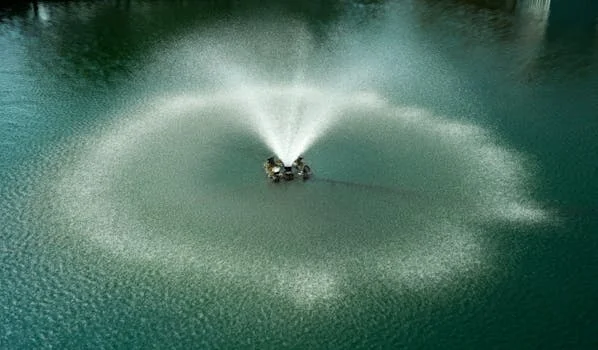
A package wastewater treatment plant is an integrated, pre-engineered system that combines all stages of treatment into a single or modular footprint. The core process flow typically follows a sequence of screening, primary sedimentation, biological treatment, secondary clarification, and disinfection. In Western Cape, biological treatment often utilizes MBR systems for high-quality effluent in Western Cape’s water-scarce regions, as Membrane Bioreactors provide the highest level of filtration required for water reuse.
Western Cape projects require specific process adaptations to handle local environmental variables. Coastal developments in areas like Saldanha or Somerset West must account for high-salinity influent, which necessitates anti-corrosion coatings (such as epoxy-phenolic liners) on all internal tanks and 316L stainless steel for submerged components. the region’s seasonal rainfall patterns require rainwater overflow bypass systems to prevent biomass washout during winter storms. For remote sites, solar-powered aeration systems are increasingly integrated to offset the high cost of grid-connected electricity, currently averaging ZAR 2.10/kWh.
The footprint of these systems is a primary advantage. A 100 m³/day plant can typically be housed within a standard 20 ft shipping container, occupying roughly 0.5–2 m² per m³ of treated water per day. In contrast, conventional activated sludge plants require 5–10 m² per m³/day. For sites with extreme space constraints, underground package sewage treatment plants for space-constrained sites allow for the reclamation of surface area for parking or landscaping.
| Parameter | Influent (Typical) | Effluent (Package Plant) | Removal Rate (%) |
|---|---|---|---|
| Total Suspended Solids (TSS) | 350–600 mg/L | <15 mg/L | 92–97% |
| Chemical Oxygen Demand (COD) | 600–1,200 mg/L | <50 mg/L | 85–95% |
| Ammonia Nitrogen (NH₄-N) | 40–60 mg/L | <2 mg/L | 90–98% |
| Biological Oxygen Demand (BOD) | 250–450 mg/L | <10 mg/L | 95–98% |
Package Plant vs Alternatives: Which System Fits Your Western Cape Project?
When evaluating wastewater solutions for Western Cape projects, engineers must weigh package plants against conventional infrastructure, septic tanks, and lagoon systems. While conventional plants offer greater total capacity, their 18–24 month construction timelines and massive CAPEX are often prohibitive for private developers. Package plants can be deployed in 6–12 months and offer 30–50% lower upfront costs for flows under 500 m³/day.
Septic tanks remain common in rural Western Cape but are increasingly targeted by environmental inspectors because they fail to meet Green Drop standards, often discharging BOD levels exceeding 50 mg/L. Package plants, by contrast, produce effluent suitable for toilet flushing and irrigation, providing a direct hedge against municipal water price hikes. Lagoons, while inexpensive to operate, require 10–20 times more land than a package plant. A 2023 incident in Paarl, where a lagoon system overflowed during heavy winter rains, resulted in ZAR 1.2M in environmental fines—a risk mitigated by the enclosed, controlled environment of a package plant.
For industrial applications, particularly in the food and beverage sector, DAF systems for industrial wastewater pretreatment in Western Cape are often used as a primary stage before the biological package plant to remove fats, oils, and grease (FOG) that would otherwise foul membranes or inhibit bacterial growth. For a more detailed comparison of installation types, consult this guide on buried vs above-ground wastewater treatment systems for Western Cape projects.
| Feature | Package Plant | Conventional Activated Sludge | Septic Tank + Soakaway | Oxidation Lagoons |
|---|---|---|---|---|
| CAPEX | Medium | Very High | Low | Medium |
| Deployment Time | 3–6 Months | 18–36 Months | 1 Month | 6–12 Months |
| Effluent Quality | High (Reuse Standard) | High | Low (Unsafe for Reuse) | Variable |
| Footprint | Minimal | Large | Small | Extensive |
| Green Drop Compliance | 98%+ | 90%+ | <20% | Variable |
Western Cape Compliance Deep Dive: Permits, Effluent Limits & Green Drop Certification
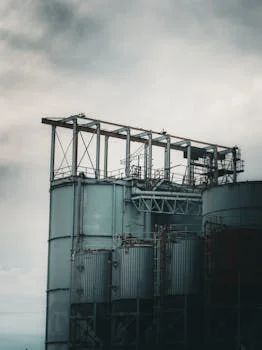
Navigating the regulatory landscape in Western Cape requires a precise understanding of the City of Cape Town’s Standard Operating Procedure (SOP) for Package Plants. This document mandates a five-step permit process: initial site assessment, technical design submission, environmental impact assessment (EIA) screening, municipal pre-approval, and final commissioning inspection. Permit fees typically range from ZAR 15,000 to ZAR 50,000 depending on the project scale.
Effluent limits are the benchmark for success. Under the 2024 Green Drop standards, any plant discharging into a watercourse or the municipal stormwater system must maintain NH₄-N <5 mg/L and E. coli <1,000 CFU/100 mL. In sensitive areas like Khayelitsha or the Breede River Valley, local authorities may impose even stricter limits. A 2024 case study of a package plant in Khayelitsha demonstrated that consistent MBR operation achieved 98% compliance across all parameters, securing municipal funding for further decentralised rollouts.
Failure to maintain these standards is costly. Section 12 of the 2023 Bylaw allows for fines of ZAR 500,000 per day of non-compliance or a 5-year revocation of the operating permit. For facilities handling medical or chemical waste, specialized systems are required; see our guide on medical wastewater treatment for specific disinfection protocols required by Western Cape health authorities.
| Regulating Body | Requirement | Target / Limit |
|---|---|---|
| Dept. of Water & Sanitation | Green Drop Certification | 90% Overall Compliance |
| City of Cape Town | Effluent BOD | <25 mg/L |
| City of Cape Town | Effluent TSS | <30 mg/L |
| National Environmental Act | E. coli Count | <1,000 CFU/100 mL |
Cost Breakdown: CAPEX, OPEX & ROI for Western Cape Package Plants
Budgeting for a package plant in 2025 requires a dual focus on initial capital expenditure and long-term operational costs. CAPEX benchmarks for Western Cape currently range from $120,000 (approx. ZAR 2.2M) for a 10 m³/day residential system to $2.8M (approx. ZAR 52M) for a 500 m³/day industrial installation. These prices typically include design, fabrication, delivery, and commissioning.
Operational expenditure (OPEX) is driven primarily by energy consumption, which accounts for 30–40% of the annual budget. For a 100 m³/day plant, total OPEX often averages ZAR 850,000 per year. This includes chemicals (20–30%), routine maintenance (15–25%), and labor (10–15%). While these costs are significant, the Return on Investment (ROI) is accelerated by avoiding municipal fines and the high cost of potable water. At current City of Cape Town commercial water rates of roughly ZAR 30/m³, a plant that enables 100% reuse for irrigation can save a facility over ZAR 1M annually in water procurement costs alone.
Financing options have expanded in 2025. GreenCape provides 5-year loans at 8% interest for water-saving infrastructure, and the City of Cape Town offers grants up to ZAR 2M for projects serving informal settlements. Many regional suppliers also offer 7-year leasing programs, allowing companies to treat wastewater as an operational expense rather than a capital one. For more information on budgeting, refer to the national guide to package wastewater treatment plants in South Africa.
| Plant Capacity (m³/day) | Estimated CAPEX (USD) | Estimated Annual OPEX (ZAR) | Typical ROI Period |
|---|---|---|---|
| 10–50 m³/day | $120K – $350K | ZAR 250K – 450K | 4–6 Years |
| 100 m³/day | $650K – $900K | ZAR 850K – 1.1M | 3–5 Years |
| 250 m³/day | $1.2M – $1.8M | ZAR 1.8M – 2.4M | 3–4 Years |
| 500 m³/day | $2.2M – $2.8M | ZAR 3.5M – 4.2M | 2–4 Years |
Top 5 Package Wastewater Treatment Suppliers in Western Cape: Comparison & Selection Checklist
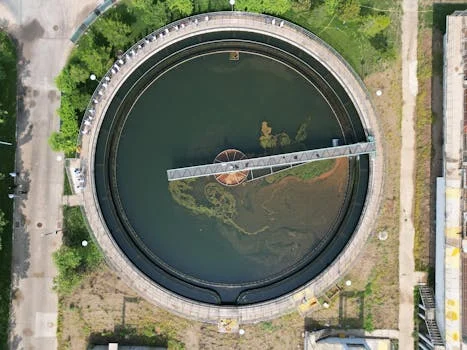
Selecting a supplier in the Western Cape requires balancing technical capability with local support infrastructure. The region’s leading providers generally fall into three categories: Tier 1 EPC firms for large-scale municipal work, modular specialists for residential and commercial developments, and industrial OEMs focusing on high-strength waste like winery or mining effluent. For industrial pretreatment, specific DAF systems for industrial wastewater pretreatment in South Africa may be integrated into the supplier’s scope.
Local support is the most critical factor. A supplier without a 24/7 service team in the Western Cape is a liability for rural sites in Franschhoek or mining camps in Saldanha. In 2023, a developer in the Garden Route suffered ZAR 1.5M in fines because their supplier, based in Gauteng, could not provide a technician for a blower failure within the mandated 48-hour window. Always prioritize suppliers with a demonstrated track record of Green Drop-certified sites within the province.
Procurement Selection Checklist:
- Does the supplier have a Green Drop-certified reference site in Western Cape?
- What is the guaranteed lead time from deposit to commissioning?
- Is the system designed for high-salinity environments (316L stainless steel/epoxy)?
- Does the quote include the ZAR 15K–50K municipal permit application fee?
- What is the response time for emergency breakdowns in rural areas?
- Are spare parts (membranes, pumps, sensors) stocked locally in Cape Town?
- Can the system be monitored remotely via a SCADA or IoT interface?
- Does the supplier offer a performance guarantee on effluent BOD and TSS?
- Are financing or leasing options available?
- Does the design allow for modular expansion if site demand increases?
Frequently Asked Questions
What is the lifespan of a package wastewater treatment plant in Western Cape?
With proper maintenance, the structural tanks (steel or concrete) last 20–25 years. Mechanical components like blowers and pumps typically require replacement or overhaul every 5–7 years, while MBR membranes last 8–10 years depending on influent quality.
Can package plants handle high-salinity wastewater from coastal developments?
Yes, but they must be specifically engineered with corrosion-resistant materials. This includes 316L stainless steel hardware and specialized coatings for any carbon steel elements to prevent salt-air and salt-water degradation.
How often do package plants in Western Cape need maintenance?
Routine inspections should occur monthly. Mechanical servicing is typically quarterly, while sludge removal (desludging) is required every 3–6 months depending on the plant’s loading rate.
Are package plants eligible for City of Cape Town rebates?
The City often provides rebates or offsets on development contribution fees for projects that implement Green Drop-certified package plants, potentially covering up to 20% of the CAPEX.
What’s the lead time for a 100 m³/day package plant in Western Cape?
Typical lead times are 16–24 weeks for fabrication and an additional 4–6 weeks for site installation and commissioning, assuming permits are already in place.