Why hospital wastewater treatment in Peru fails compliance audits
Hospital wastewater treatment in Peru must meet Supreme Decree 015-2015-MINAM effluent limits: BOD5 <25 mg/L, TSS <30 mg/L, COD <125 mg/L, and fecal coliforms <1,000 MPN/100 mL. WHO 2024 guidance also targets non-detectable SARS-CoV-2. A 200-bed Lima audit recorded COD at 320 mg/L with chlorine residual below 0.5 mg/L.
Similar SARS-CoV-2 RNA signals appeared in hospital effluent checks in Puno, Cuzco, and Cajamarca in 2022. Most plants we size for 100–300 bed campuses still run chlorination alone at the lower end of dose control. That setup rarely holds a stable residual when COD spikes after surgery peaks.
Common gaps include missing tertiary disinfection, weak pharmaceutical removal when DAF or MBR stages are absent, and no real-time pathogen monitoring. Non-compliance under Peru’s Environmental Sanctions Law (Law 30230) can reach 10,000 UIT (about S/49.5 million, or ~$13 million USD). Facility teams therefore need a staged train that hits national effluent limits and pathogen log-kill targets together.
Peru’s hospital wastewater standards: 2025 compliance checklist
Peruvian hospital effluent must be audited against Supreme Decree 015-2015-MINAM, Law 30230 sanctions, and MINSA 2024 hospital wastewater guidance. WHO 2024 pathogen targets and EPA 2023 pharmaceutical practice notes complete the stack. WHO 2024 calls for 99.99% SARS-CoV-2 removal, enteroviruses <10 MPN/100 mL, and chlorine residual >0.1 mg/L.
EPA 2023 practice notes target about 80% COD reduction for antibiotics and 90% for analgesics where hospitals polish beyond municipal baselines. Large municipal plants such as Lima MWWTP treat roughly 70% of collected wastewater. They do not publish hospital-specific pharmaceutical removal rates, so on-site polishing remains the hospital’s duty.
Use the checklist below during each quarterly audit. Mark Y/N/NA against current lab results for every row.
| Compliance Area | Standard/Guideline | Parameter | Target Value | Status (Y/N/NA) |
|---|---|---|---|---|
| Pathogen Control | WHO 2024 | SARS-CoV-2 Removal Efficiency | 99.99% | |
| Pathogen Control | WHO 2024 | Enteroviruses | < 10 MPN/100mL | |
| Disinfection Residual | WHO 2024 | Chlorine Residual | > 0.1 mg/L | |
| Organic Load | Supreme Decree 015-2015-MINAM | BOD5 | < 25 mg/L | |
| Suspended Solids | Supreme Decree 015-2015-MINAM | TSS | < 30 mg/L | |
| Chemical Oxygen Demand | Supreme Decree 015-2015-MINAM | COD | < 125 mg/L | |
| Bacteriological Contamination | Supreme Decree 015-2015-MINAM | Fecal Coliforms | < 1,000 MPN/100mL | |
| Pharmaceuticals | EPA 2023 Recommendations | Antibiotic COD Reduction | > 80% | |
| Pharmaceuticals | EPA 2023 Recommendations | Analgesic COD Reduction | > 90% | |
| Monitoring | MINSA 2024 | Real-time Pathogen Monitoring | Implemented |
Engineering specifications: influent vs. effluent limits for Peruvian hospitals
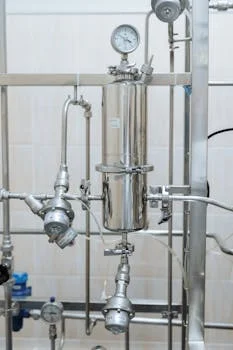
Typical hospital influent in Peru carries TSS 200–500 mg/L, BOD5 150–400 mg/L, and COD 300–800 mg/L under weekday surgery loads. Fecal coliform counts often sit at 106–108 MPN/100 mL. SARS-CoV-2 RNA was reported at 102–105 copies/mL in Peruvian hospital sampling in 2022.
Meeting Supreme Decree 015-2015-MINAM plus WHO 2024 non-detectable SARS-CoV-2 targets usually needs about 90–95% TSS and BOD removal. Pathogen design should assume at least a 4-log kill. Conventional Activated Sludge (CAS) alone is often short on viral and pharmaceutical polishing.
Lima MWWTP handles large municipal volume but does not specifically address hospital pharmaceutical and viral loads. On-site tertiary steps remain necessary for campus discharge permits.
| Parameter | Typical Hospital Influent (mg/L or MPN/100mL) | Peru Effluent Limit (Supreme Decree 015-2015-MINAM) | WHO 2024 Guideline (for comparison) | Required Removal % (Approximate) |
|---|---|---|---|---|
| TSS | 200–500 | < 30 | N/A | 90–95% |
| BOD5 | 150–400 | < 25 | N/A | 90–95% |
| COD | 300–800 | < 125 | N/A | 80–90% |
| Fecal Coliforms | 106–108 | < 1,000 | < 10 (Enteroviruses) | > 99.99% (Log 4+ kill) |
| SARS-CoV-2 RNA | 102–105 copies/mL | Non-detectable | 99.99% removal | 99.99% |
Equipment selection: MBR vs. DAF vs. chlorine dioxide
Membrane Bioreactor (MBR) trains used in hospital wastewater treatment in Peru can reach 99.99% SARS-CoV-2 removal. They also deliver up to 90% pharmaceutical COD reduction at a footprint up to 60% smaller than CAS. A 2023 Spain study reported strong pathogen inactivation on MBR permeate under hospital-like loads.
For tight sites with high drug loads, Dissolved Air Flotation followed by chlorine dioxide is a workable split train. Dissolved air flotation (DAF) mainly removes solids and a share of COD. European food-processing references cited as Aqualia 2024 data show about 85% COD removal on DAF alone.
DAF paired with chlorine dioxide can reach roughly 99.9% SARS-CoV-2 removal and about 80% pharmaceutical COD reduction. CAS plus ozone typically delivers about 99% SARS-CoV-2 removal and 70% pharmaceutical COD reduction. Compact medical polishing packages suit supplemental disinfection on smaller flows. The Medical & Hospital Wastewater Treatment System fits that role when primary biological treatment already exists.
Capital intensity rises with membrane area and automation. MBR usually costs more up front per m³/day capacity. Long-term O&M per cubic meter can still undercut multi-skid trains when sludge handling and footprint rent are counted. Match the matrix below to measured influent COD and available plot area before freezing the bid package.
| System | SARS-CoV-2 Removal | Pharmaceutical COD Removal | Footprint | Capital Cost ($/m³/day) | O&M Cost ($/m³) | Compliance Suitability |
|---|---|---|---|---|---|---|
| MBR Integrated Wastewater Treatment System | 99.99% | 90% | Compact (60% smaller than CAS) | $3,000 - $8,000 | $0.30 - $0.60 | Excellent (High pathogen & pharma removal) |
| DAF + Chlorine Dioxide Disinfection | 99.9% | 80% | Moderate | $1,500 - $4,000 | $0.20 - $0.40 (DAF) + $0.15 - $0.30 (ClO₂) | Good (Requires dual system) |
| CAS + Ozone Disinfection | 99% | 70% | Large | $1,000 - $3,000 | $0.25 - $0.50 | Fair (May not meet stringent pharma targets) |
| Compact Ozone Disinfection (e.g., /product/12-medical-wastewater-treatment.html) | 95-98% | N/A (Disinfection only) | Very Compact | $500 - $1,500 | $0.10 - $0.25 | Supplemental/Small scale |
What does a hospital treatment plant cost in Peru?
Hospital wastewater capital costs in Peru typically run from about $50,000 for compact chlorine dioxide generators to $1–$2.5 million for full MBR packages. Full-scale CAS plus tertiary treatment often lands at $1.5–$3 million. Complete DAF systems commonly sit between $200,000 and $800,000 depending on flotation area and sludge handling.
O&M usually sits near $0.15–$0.30/m³ for chlorine dioxide and $0.20–$0.40/m³ for DAF. MBR O&M is about $0.30–$0.60/m³, with membrane replacement every 5–7 years. Public hospitals may access a World Bank $200 million program launched in 2025 that aims to fund 50% of capital costs.
Private hospitals can explore MINAM grants for up to 30% reimbursement. ROI framing should include avoided Law 30230 fines (up to S/49.5M). Non-potable reuse savings of about $0.50–$1.00/m³ and any confirmed subsidy share also matter.
| System Type | Estimated Capital Cost (USD) | Estimated O&M Cost ($/m³) | Key Considerations |
|---|---|---|---|
| Compact Chlorine Dioxide Generator (e.g., /product/11-chlorine-dioxide-generator.html) | $50,000 - $150,000 | $0.15 - $0.30 | Effective disinfection, suitable for smaller flows or polishing. |
| DAF System (e.g., /product/4-dissolved-air-flotation-daf-machine.html) | $200,000 - $800,000 | $0.20 - $0.40 | Removes suspended solids and some COD; often paired with disinfection. |
| MBR System (e.g., /product/2-mbr-integrated-wastewater-treatment.html) | $1,000,000 - $2,500,000 | $0.30 - $0.60 | High-quality effluent, compact footprint, excellent for pathogen and pharma removal. |
| Full-Scale CAS + Tertiary Treatment | $1,500,000 - $3,000,000 | $0.25 - $0.50 | Established technology, but may require significant space and tertiary polishing for advanced targets. |
How much does hospital plant construction cost in Peru?
Hospital wastewater plant construction in Peru usually spans 6–12 months for permitting, civil works, mechanical install, and commissioning after equipment purchase. Influent characterization labs for a 30-day campaign typically cost $2,000–$5,000. Pilot trials at $10,000–$30,000 reduce redesign risk when COD swings with surgical schedules.
Budget contingency for rainy-season delays in highland regions such as Puno or Cuzco. Foundation and tank work slip when access roads wash out. An MBR integrated wastewater treatment package at $1–$2.5 million equipment scope still needs civil tanks, power, and sludge handling on top of skid price.
Compact polishing with chlorine dioxide at $50,000–$150,000 is cheaper to install. It only closes pathogen gaps when upstream solids and COD removal already exist. Tie construction cash flow to subsidy drawdowns so equipment deposits and civil milestones stay aligned.
Step-by-step procurement guide for Peruvian hospitals
Procurement for hospital effluent upgrades in Peru starts with a 30-day influent campaign. Cover TSS, BOD, COD, and pathogen indicators at $2,000–$5,000 using portable kits or a certified lab. Compare results to Supreme Decree 015-2015-MINAM; a COD of 320 mg/L against a 125 mg/L limit is a hard gap flag.
Then shortlist MBR, DAF plus chlorine dioxide, or CAS plus ozone. Use footprint, O&M, and pathogen log-kill from the equipment table. Request proposals from at least three suppliers with local service coverage, documented Peruvian compliance experience, and a warranty of at least two years.
Installation typically runs 6–12 months including MINAM and regional health permitting. Avoid three frequent failures: underestimating surgery-hour influent spikes, skipping regional permits, and omitting a $10,000–$30,000 pilot. That pilot often exposes hydraulic short-circuiting before steel is cut.
Selection checklist before award:
- 30-day influent dataset covers weekday surgery peaks and weekend lows.
- Design effluent meets BOD5 <25 mg/L, COD <125 mg/L, TSS <30 mg/L, and fecal coliforms <1,000 MPN/100 mL.
- Pathogen train documents ≥4-log kill or 99.99% SARS-CoV-2 removal pathway.
- Footprint fit is confirmed on as-built drawings, not brochure sketches.
- O&M budget includes membrane or chemical costs at the stated $/m³ band.
- Local spare-parts lead time and 2-year warranty are written into the contract.
- Pilot or factory acceptance test scope is priced before final PO.
Who this is for: plant engineers, hospital facility managers, and EPC teams sizing on-site treatment for Peruvian clinics and hospitals that must clear MINAM limits and MINSA pathogen expectations.
Who should look elsewhere: teams that only need a municipal sewer connection without on-site pathogen polishing.
Next step: compare your lab sheet to the Medical & Hospital Wastewater Treatment System, then send flows and COD data through the inquiry form for a capacity check.
Frequently Asked Questions
What SARS-CoV-2 removal do Peruvian hospitals need?
Peruvian hospital designs targeting WHO 2024 alignment aim for 99.99% SARS-CoV-2 removal from wastewater, not basic chlorination alone. That level usually needs membrane separation plus a controlled disinfectant residual, or an equivalent validated advanced oxidation path. Pair the process with routine RNA or indicator monitoring so operators catch dose failures before a compliance sample fails.
Does Supreme Decree 015-2015-MINAM set pharmaceutical limits?
Supreme Decree 015-2015-MINAM sets BOD5 <25 mg/L and COD <125 mg/L but does not list compound-specific pharmaceutical limits. EPA 2023 practice notes of about 80% antibiotic and 90% analgesic COD reduction are used as engineering targets when hospitals want stronger drug-residue control. Specify those targets in the tender if the receiving sewer or reuse scheme demands them.
Which technology best removes viruses and pharmaceuticals?
MBR systems are the strongest single-train option in this comparison, with about 99.99% SARS-CoV-2 removal and up to 90% pharmaceutical COD reduction under the stated conditions. DAF plus chlorine dioxide can reach roughly 99.9% viral removal and about 80% pharmaceutical COD reduction when both stages are operated together. Choose CAS plus ozone only when plot space is ample and pharmaceutical targets are less strict.
What is the cost range for a hospital system in Peru?
Compact disinfection packages start near $50,000, while comprehensive MBR systems commonly run $1 million to $2.5 million in equipment capital. Full CAS with tertiary polishing can reach $1.5–$3 million before civil extras. Public hospitals may offset about 50% of capital through the 2025 World Bank program when eligibility is confirmed.
What funding exists for hospital wastewater upgrades in Peru?
The 2025 World Bank program referenced for Peru targets about $200 million with up to 50% capital support for eligible public hospitals. Private facilities may pursue MINAM grants covering up to 30% of project expenses when documentation clears. Confirm current windows with the ministry before locking finance covenants to a single subsidy assumption.