Why MBR Systems Are Gaining Traction in Ivory Coast’s Wastewater Treatment Sector
In Ivory Coast, MBR (Membrane Bioreactor) wastewater treatment systems are increasingly adopted for industrial and municipal projects due to their compact footprint and near-reuse-quality effluent. For example, a 2023 project in Abidjan achieved 92–97% COD removal (4,500 mg/L → ≤300 mg/L) and 99% TSS reduction (190 mg/L → ≤2 mg/L) using a SIGMA DAF SMBR 100 system. However, costs range from $80,000 for small-scale systems (50 m³/day) to $2M+ for large municipal plants, with ROI dependent on local discharge fees and water reuse incentives. This guide provides 2025 technical specs, cost benchmarks, compliance requirements, and supplier evaluation criteria for Ivory Coast projects.
Ivory Coast generates approximately 120 million m³ of industrial wastewater annually, according to 2023 Ministry of Environment data, with nearly 60% of this volume currently discharged either untreated or in violation of regional standards. As urbanization in Abidjan continues at a 4.7% annual growth rate (World Bank 2024), existing infrastructure—primarily older Sequential Batch Reactors (SBR) and conventional activated sludge plants—is reaching capacity. This strain has forced a shift toward MBR technology, which offers a volumetric loading rate up to three times higher than traditional methods.
The regulatory landscape is the primary driver for this transition. The new 2025 Ivory Coast discharge standards (COD ≤300 mg/L, BOD5 ≤100 mg/L, TSS ≤2 mg/L) closely mirror the EU Directive 91/271/EEC, effectively mandating tertiary-level treatment for industrial operators. For companies like Dream Cosmetics in Abidjan, switching to an HydropureWater’s integrated MBR system for Ivory Coast projects allowed for a 60% reduction in plant footprint while ensuring 99% TSS removal, a feat unattainable with their previous SBR setup. in the context of projects like the Lagune Aghien water supply initiative, MBR systems provide a critical pathway for water reuse in irrigation and industrial cooling, mitigating the country's growing water scarcity.
How MBR Wastewater Treatment Systems Work: Process Flow and Key Components
An MBR system functions by integrating biological degradation via activated sludge with a physical liquid-solid separation using microfiltration or ultrafiltration membranes with pore sizes typically ranging from 0.1 to 0.4 μm. This design eliminates the need for secondary clarifiers, which are often the point of failure in tropical climates where sludge bulking is common. The process begins with rigorous fine screening (1–2 mm) to protect the membranes, followed by an anoxic/aerobic bioreactor where specialized bacteria break down organic matter. The mixed liquor is then pumped through or submerged in membrane modules where the treated water is extracted by vacuum, leaving all biomass and pathogens behind.
Key technical components for an Ivory Coast installation typically include DF series PVDF flat sheet membranes for MBR systems, which are preferred for their high mechanical strength and resistance to fouling in high-temperature environments. These modules are supported by EPDM plate diffusers providing microbubble aeration and Roots blowers (typically 2 kW for 50 m³/day systems) that serve a dual purpose: providing oxygen for the biomass and "scouring" the membrane surface to prevent cake layer formation. Standard aeration requirements for membrane scouring in these systems range from 0.2 to 0.4 Nm³/m²·h.
| Parameter | MBR Specification (2025 Standard) | Conventional Activated Sludge |
|---|---|---|
| Membrane Pore Size | 0.1 – 0.4 μm (Ultrafiltration/Microfiltration) | N/A (Gravity Settlement) |
| Sludge Retention Time (SRT) | 15 – 30 Days | 5 – 10 Days |
| Mixed Liquor Suspended Solids (MLSS) | 8,000 – 12,000 mg/L | 2,000 – 4,000 mg/L |
| Footprint Requirement | 0.5 – 1.0 m²/m³ treated | 2.5 – 4.0 m²/m³ treated |
| Effluent Turbidity | < 0.2 NTU | 5.0 – 15.0 NTU |
A critical advantage of MBR in the Ivorian industrial sector is the long Sludge Retention Time (SRT). By decoupling SRT from Hydraulic Retention Time (HRT), MBR systems allow for the development of slow-growing nitrifying bacteria, which significantly improves the removal of Total Nitrogen (TN) and Phosphorus (TP), ensuring compliance with the 2025 environmental mandates.
MBR vs. MBBR vs. SBR: Which System is Best for Ivory Coast Projects?
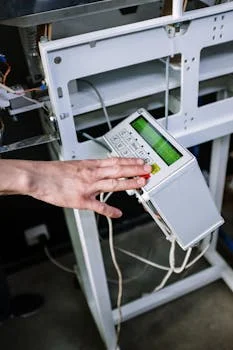
Selecting the appropriate technology for wastewater treatment in Ivory Coast depends heavily on the project’s specific constraints regarding land availability, energy costs, and effluent requirements. While MBR provides the highest quality effluent, Moving Bed Biofilm Reactors (MBBR) and Sequential Batch Reactors (SBR) remain competitive for specific industrial pretreatment and municipal applications where water reuse is not the primary objective.
| Feature | MBR (Membrane Bioreactor) | MBBR (Biofilm Reactor) | SBR (Sequential Batch) |
|---|---|---|---|
| COD Removal Efficiency | 95% – 98% | 80% – 90% | 85% – 92% |
| TSS in Effluent | < 2 mg/L | 20 – 50 mg/L | 10 – 30 mg/L |
| Energy Consumption | 0.8 – 1.2 kWh/m³ | 0.4 – 0.6 kWh/m³ | 0.3 – 0.5 kWh/m³ |
| CAPEX (Est. 2025) | $1,500 – $3,000 /m³/day | $800 – $1,500 /m³/day | $600 – $1,200 /m³/day |
| Water Reuse Potential | Excellent (Direct) | Requires Tertiary Filter | Requires Tertiary Filter |
In Abidjan, the choice between these systems often comes down to footprint and compliance. MBR systems are roughly 60% smaller than SBR plants of the same capacity, making them the only viable option for factories located in densely populated industrial zones like Yopougon or Vridi. For high-strength industrial waste, such as that from the cosmetic or textile industries, a DAF systems for MBR pretreatment in Ivory Coast is often paired with MBR to handle fat and oil loads (FOG) before they reach the membranes. Conversely, MBBR is often selected for industrial pretreatment where the goal is simply to reduce the organic load before discharging into the municipal sewer system, rather than achieving reuse-quality water.
Case studies from the Ivorian food processing sector indicate that while SBR systems have lower operational complexity, they frequently fail to meet the new TSS ≤2 mg/L limit during peak flow periods. This has led many project developers to favor MBR for new constructions to future-proof their operations against tightening environmental regulations and the rising costs of freshwater.
Ivory Coast Wastewater Discharge Standards: Compliance Requirements for MBR Systems
The Ministry of Environment and Sustainable Development in Ivory Coast has updated discharge limits for 2025 to address the critical pollution levels in the Ébrié Lagoon and other water bodies. These standards are now strictly enforced by the CIAPOL (Centre Ivoirien Anti-Pollution), with inspections occurring quarterly for major industrial sites. For an MBR system to be considered compliant, it must consistently meet or exceed the following parameters:
| Parameter | Ivory Coast 2025 Limit (General) | Food/Textile Industry Limit | MBR Typical Performance |
|---|---|---|---|
| COD (mg/L) | ≤ 300 | ≤ 200 | ≤ 50 |
| BOD5 (mg/L) | ≤ 100 | ≤ 50 | ≤ 5 |
| TSS (mg/L) | ≤ 2 | ≤ 2 | ≤ 1 |
| Total Nitrogen (mg/L) | ≤ 20 | ≤ 15 | ≤ 10 |
| Total Phosphorus (mg/L) | ≤ 1 | ≤ 1 | ≤ 0.5 |
The permit application process in Ivory Coast involves a mandatory Environmental Impact Assessment (EIA) for any system exceeding 50 m³/day capacity. Developers must also provide a management plan for the excess sludge generated by the MBR process. Non-compliance is no longer a minor overhead cost; fines currently range from 5 million to 10 million XOF per month (~$8,000–$16,000), and three textile factories in Abidjan were forced into temporary shutdowns in 2023 due to persistent violations. For specialized facilities, such as clinics or hospitals, medical wastewater treatment solutions for African markets must also incorporate a disinfection stage (UV or Ozone) as MBR membranes, while effective at removing bacteria, require an extra barrier for complete viral inactivation to meet WHO guidelines.
MBR System Costs in Ivory Coast: CAPEX, OPEX, and ROI Analysis (2025 Data)
Budgeting for an MBR system in Ivory Coast requires a granular understanding of both capital expenditure (CAPEX) and ongoing operational expenses (OPEX). For a standard 50 m³/day industrial system, CAPEX typically starts at $80,000 for the equipment alone. When including civil works, installation, and commissioning, the total project cost often reaches $120,000 to $150,000. Larger municipal plants (1,000 m³/day+) benefit from economies of scale but involve higher civil engineering costs, often exceeding $2M.
OPEX is dominated by energy consumption and membrane replacement. In Abidjan, where electricity costs range from $0.12 to $0.20/kWh, the energy required for membrane scouring (0.8–1.2 kWh/m³) is the largest cost driver. However, this is partially offset by the reduction in discharge fees and the potential for water reuse. For instance, a factory in the Vridi Industrial Zone using 50 m³/day of water could see an annual savings of $30,000 by reusing MBR effluent for non-potable tasks, leading to a payback period of approximately 2.7 years. This is highly competitive when compared to cost benchmarks for West African wastewater projects in neighboring countries.
| Cost Component | Estimated Price (USD) | Notes |
|---|---|---|
| Equipment (50 m³/day) | $80,000 – $110,000 | Includes membranes, blowers, PLC |
| Civil Works & Piping | $20,000 – $40,000 | Local labor and materials |
| Import Duties (Ivory Coast) | 10% – 20% of CIF value | Varies by equipment classification |
| Annual OPEX (per m³) | $0.80 – $2.00 | Energy, chemicals, and labor |
| Membrane Replacement | $0.05 – $0.15 / m³ | Calculated over a 5-8 year lifespan |
Financing for these projects is increasingly available through the African Development Bank’s water infrastructure funds and supplier-backed financing. HydropureWater, for instance, offers 3–5 year payment terms to qualified industrial clients in the region, significantly lowering the barrier to entry for high-efficiency MBR system costs and compliance in West Africa.
Selecting an MBR System Supplier for Ivory Coast Projects: Checklist and Red Flags
Choosing the right supplier is critical to the long-term success of an MBR project in Ivory Coast, as the tropical humidity and variable power grid can significantly impact equipment lifespan. A reliable supplier should provide not just the hardware, but a turnkey solution that includes local commissioning and operator training. Technical criteria should prioritize a membrane warranty of at least 5 years and an energy efficiency rating of ≤1.0 kWh/m³.
A major red flag for Ivorian projects is a supplier’s lack of a local service network. Without spare parts stocked in Abidjan or Yamoussoukro, a simple blower failure can lead to weeks of downtime and thousands of dollars in non-compliance fines. ensure the supplier has experience with local water chemistry; industrial wastewater in Ivory Coast, particularly from the food processing sector, often has high alkalinity which can lead to rapid membrane scaling if not addressed in the design phase. Pilot testing for 3–6 months is highly recommended for any industrial project to verify the flux rates and cleaning frequencies required for the specific influent.
| Evaluation Criterion | Requirement for Ivory Coast | Red Flag |
|---|---|---|
| Local Support | Service team based in Abidjan | Support only available via email/overseas |
| Membrane Type | PVDF Flat Sheet (preferred for fouling) | Low-grade PE or unknown fiber brands |
| Control System | Automated PLC with Remote Monitoring | Manual valves only; no data logging |
| References | At least 2 active West African sites | No local or regional references provided |
| Pretreatment | Integrated screening and DAF (if oily) | Direct membrane feed without screening |
Frequently Asked Questions
What are the disadvantages of MBR systems in Ivory Coast?
The primary disadvantages include higher energy consumption compared to SBR, the risk of membrane fouling if pretreatment is inadequate, and the requirement for more skilled labor to manage chemical cleaning (CIP) cycles. These can be mitigated by choosing automated HydropureWater’s integrated MBR system for Ivory Coast projects and implementing comprehensive staff training.
How much does an MBR system cost in Ivory Coast?
For 2025, a 50 m³/day system typically costs between $80,000 and $150,000 for a full installation. Large-scale municipal plants can range from $1.5M to over $2M depending on the level of automation and civil engineering required.
Which is better for Ivory Coast: MBBR or MBR?
MBR is superior for projects requiring water reuse and strict compliance with the ≤2 mg/L TSS limit. MBBR is a better choice for industrial pretreatment where land is available and the goal is to reduce organic load at a lower CAPEX and OPEX.
What are Ivory Coast’s wastewater discharge standards for industrial plants?
The 2025 standards require COD ≤200–300 mg/L, BOD5 ≤50–100 mg/L, and TSS ≤2 mg/L. These limits vary slightly by industry, with food and textile processing facing the strictest requirements.
Can MBR systems handle high-strength industrial wastewater in Ivory Coast?
Yes, MBR is highly effective for high-strength waste (e.g., COD 4,500 mg/L in cosmetics) when paired with adequate pretreatment like Dissolved Air Flotation (DAF) and fine screening. This setup is common in wastewater treatment solutions for African markets dealing with complex industrial effluents.