Why Hospital Wastewater Treatment in Balochistan Is a 2025 Priority
Balochistan’s 150+ hospitals generate 8–10% hazardous wastewater (per 2024 EPA data), requiring chemical disinfection under the Balochistan Hospital Waste Management Rules 2020. Effective treatment must achieve <10 mg/L BOD, <30 mg/L COD, and 99.9% pathogen kill. Systems like MBR (membrane bioreactors) or chlorine dioxide generators cost $50K–$500K, with payback in 3–7 years via avoided fines ($2K–$10K/year) and reduced waterborne disease outbreaks in downstream communities.
Balochistan EPA enforces fines ranging from $2,000 to $10,000 per year for healthcare facilities that fail to comply with the 2020 Hospital Waste Management Rules. For a hospital administrator in Quetta, these financial penalties are often accompanied by severe community pressure and legal challenges following contaminated water reports. In 2023, a major Quetta hospital faced significant legal scrutiny and heavy fines after discharging untreated effluent into a local canal, which served as a primary water source for over 5,000 residents. This incident highlights the growing enforcement trend where the Environmental Protection Agency (EPA) utilizes its authorized officers to conduct unannounced inspections and water quality sampling.
The environmental burden is quantified by the fact that approximately 8–10% of total hospital waste in the province is hazardous, with 10% specifically categorized as biomedical waste. When this liquid waste is discharged without treatment, it infiltrates the groundwater and soil, disproportionately impacting Indigenous communities in remote areas. These communities rely on local water bodies that become reservoirs for multi-drug resistant (MDR) bacteria and viral pathogens. The transmission pathways for waterborne diseases such as hepatitis A and E, cholera, and typhoid are directly linked to the seepage of untreated medical effluent into the provincial water table.
Beyond the legal and ethical implications, the lack of a compact hospital wastewater treatment system with ozone disinfection creates a long-term economic drain. The cost of treating a single outbreak of waterborne illness in a downstream village often exceeds the annual operating budget of a secondary treatment plant. By 2025, Balochistan’s regulatory landscape will require every facility—from private clinics in Gwadar to public teaching hospitals in Quetta—to demonstrate active chemical disinfection and biological stabilization of all liquid waste streams.
Balochistan Hospital Waste Management Rules 2020: Wastewater Compliance Requirements
The Balochistan Hospital Waste Management Rules 2020 classify liquid waste under Rule 2(1)(iv) as any effluent generated from laboratories, washing, cleaning, housekeeping, and disinfecting activities. This definition is expansive, ensuring that even non-clinical areas like hospital kitchens and laundries are scrutinized if their discharge mixes with medical waste. Rule 10 of the 2020 framework explicitly mandates chemical disinfection for all liquid waste before it leaves the hospital premises, a standard that supersedes older, less stringent disposal methods.
To remain compliant, hospitals must adhere to specific permissible discharge limits that are significantly stricter than general municipal standards. While the Pakistan National Environmental Quality Standards (NEQS) provide a baseline, the 2020 Rules and subsequent EPA directives for sensitive regions target <10 mg/L for Biological Oxygen Demand (BOD) and <30 mg/L for Chemical Oxygen Demand (COD). the fecal coliform count must be maintained below 100 CFU/mL to prevent the spread of enteric pathogens into the public sewer or natural waterways. These benchmarks align Balochistan with international WHO guidelines, necessitating advanced secondary treatment and tertiary disinfection.
Record-keeping is a non-negotiable component of compliance under Rule 15. Hospitals are required to maintain daily logs that record the volume of wastewater treated, the concentration of disinfectants used (e.g., residual chlorine levels), and the results of periodic laboratory testing. These logs must be retained for at least three years and made available to Balochistan EPA inspectors during their mandatory six-month audits. Failure to produce accurate records is often the first trigger for a non-compliance notice and subsequent administrative fines.
| Parameter | Balochistan 2020 Rule Standard | Pakistan NEQS (General) | Monitoring Frequency |
|---|---|---|---|
| BOD (5-day) | <10 mg/L | 80 mg/L | Monthly |
| COD | <30 mg/L | 150 mg/L | Monthly |
| Fecal Coliform | <100 CFU/100mL | <400 CFU/100mL | Weekly |
| Disinfection | Mandatory (Rule 10) | Not Specified | Daily (Residual) |
| TSS | <20 mg/L | 200 mg/L | Monthly |
Hospital Wastewater Treatment Technologies: How to Meet Balochistan’s Standards
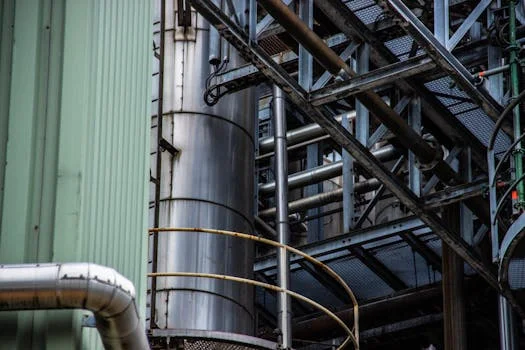
Achieving the mandatory <10 mg/L BOD and <30 mg/L COD limits requires a multi-stage treatment approach combining mechanical separation, biological degradation, and high-level disinfection. Primary treatment begins with the removal of large solids, medical plastics, and fibrous materials that can clog downstream pumps. Utilizing rotary mechanical bar screens (GX Series) allows for the removal of solids larger than 3 mm with an efficiency of 85–95% for Total Suspended Solids (TSS), protecting the integrity of the more sensitive biological stages.
For secondary treatment, hospitals in Balochistan must choose between footprint-intensive traditional systems and compact, high-efficiency technologies. MBR systems for near-reuse-quality hospital effluent are increasingly preferred in Quetta and Gwadar due to their small footprint and ability to achieve 99% BOD/COD removal. Membrane Bioreactors utilize <1 μm filtration, effectively acting as a physical barrier against bacteria and some viruses, which simplifies the subsequent disinfection stage. Alternatively, for facilities with high concentrations of fats, oils, and greases (FOG) from large laundry or canteen operations, Dissolved Air Flotation (DAF) units provide 90–95% TSS removal by floating contaminants to the surface for mechanical skimming.
The final and most critical stage under Rule 10 is disinfection. While traditional chlorination is common, it often produces harmful trihalomethanes (THMs). Modern facilities are pivoting to on-site chlorine dioxide generators for hospital effluent disinfection. Chlorine dioxide (ClO₂) offers a 99.9% pathogen kill rate and remains effective across a wider pH range without producing carcinogenic byproducts. For hospitals seeking the highest possible sterilization, ozone treatment provides a 99.99% kill rate for even the most resilient spores, though it carries a higher operating expense (OPEX) of $0.15–$0.30/m³ compared to $0.05–$0.10/m³ for ClO₂.
| Technology | BOD/COD Removal | Pathogen Kill Rate | Suitability for Balochistan |
|---|---|---|---|
| MBR (Membrane Bioreactor) | 98-99% | 99.9% (Physical) | High (Compact, water reuse) |
| DAF (Dissolved Air Flotation) | 60-70% (BOD) | Low | Medium (Pre-treatment for FOG) |
| Chlorine Dioxide (ClO₂) | N/A | 99.99% | High (Rule 10 Compliance) |
| Ozone Disinfection | N/A | 99.999% | Medium (High OPEX) |
Effective sludge management is the final technical hurdle. Residual biological solids must be dewatered to reduce disposal volumes. Plate and frame filter presses are the industry standard here, dewatering sludge to 25–30% dry solids content, making the final "cake" safe for transport to designated hazardous waste landfills as per the 2020 Rules.
Cost Breakdown: Hospital Wastewater Treatment Systems in Balochistan (2025)
Capital expenditure (CAPEX) for a compliant hospital wastewater treatment system in Balochistan typically ranges from $50,000 for small clinics to over $500,000 for large-scale tertiary care facilities. These costs are influenced by the choice of technology, the required flow rate (m³/day), and the level of automation. While the initial investment may seem high, a detailed cost breakdown per cubic meter of hospital wastewater reveals that integrated systems offer superior long-term value by minimizing chemical consumption and labor requirements.
Operating expenses (OPEX) generally fall between $0.50 and $2.00 per cubic meter of treated effluent. The primary drivers of OPEX include electricity for aeration and pumping, chemical reagents for disinfection (like sodium chlorite for ClO₂ generators), and periodic membrane replacement for MBR systems. In Balochistan, local labor for maintenance is approximately 30% cheaper than in Punjab, which can lower routine OPEX; however, this is often offset by the 15–20% import duties and transportation costs associated with specialized equipment and spare parts. To mitigate this, many hospitals are opting for local fabrication of non-critical components like settling tanks while importing core membrane and disinfection modules.
The Return on Investment (ROI) for these systems is realized within 3 to 7 years. This calculation includes the direct avoidance of EPA fines ($2K–$10K/year) and the potential for water reuse in non-potable applications like landscaping or cooling towers, which is particularly valuable in water-scarce regions like Quetta. data suggests that hospitals with onsite treatment see a reduction in secondary healthcare-associated infections in the surrounding community, which improves the institution's public standing and reduces philanthropic or government expenditure on local health crises.
| Hospital Size (Beds) | Flow Rate (m³/day) | Estimated CAPEX | Estimated OPEX ($/m³) |
|---|---|---|---|
| Small (10-50) | 10 - 50 | $50,000 - $150,000 | $1.20 - $2.00 |
| Medium (50-200) | 50 - 250 | $150,000 - $300,000 | $0.80 - $1.50 |
| Large (200+) | 250 - 1000+ | $300,000 - $500,000+ | $0.50 - $1.00 |
Step-by-Step Implementation Checklist for Balochistan Hospitals
Implementing a compliant wastewater treatment system requires a structured four-phase roadmap spanning approximately 30 to 45 weeks from initial audit to EPA certification. The process must begin with a comprehensive wastewater audit to establish the baseline hydraulic and organic loading. This involves 24-hour composite sampling to measure peak flow rates and concentrations of BOD, COD, and specific pathogens common in clinical environments.
- Phase 1: Assessment (4–6 weeks)
- Conduct a site-wide water audit to identify all discharge points.
- Sample effluent for BOD, COD, TSS, and fecal coliform.
- Review the facility’s Balochistan EPA compliance history and existing permit conditions.
- Phase 2: Design & Approval (6–8 weeks)
- Select treatment technology (e.g., MBR vs. DAF) based on the audit results.
- Prepare a detailed Engineering Design Report (EDR) for the EPA.
- Submit designs for EPA approval and obtain the necessary "Consent to Establish."
- Phase 3: Procurement & Training (8–12 weeks)
- Source core equipment (screens, membranes, ClO₂ generators).
- Develop a localized Operation and Maintenance (O&M) manual.
- Train technical staff on chemical handling, sensor calibration, and emergency bypass protocols.
- Phase 4: Installation & Commissioning (12–16 weeks)
- Execute civil works and equipment installation.
- Conduct performance testing to validate <10 mg/L BOD and 99.9% disinfection.
- Submit the final "Compliance Certification" and laboratory results to the Balochistan EPA for the "Consent to Operate."
Comparing these steps to international standards, such as how Western Australia’s hospital wastewater regulations compare to Balochistan’s, shows that while the technical requirements are similar, the administrative approval process in Balochistan requires more frequent direct engagement with provincial regulators to ensure local environmental sensitivities are addressed. Similarly, understanding how Lucknow’s hospitals tackle wastewater treatment under India’s EPA can provide valuable insights into managing high-density urban effluent in Quetta.
Frequently Asked Questions
How many hospitals are there in Balochistan?
According to the Pakistan Bureau of Statistics 2023 data, there are over 150 hospitals in Balochistan. This includes 30+ major facilities in Quetta, 20+ in the developing hub of Gwadar, and over 100 district-level hospitals and rural health centers across the province's 37 districts.
How is hospital wastewater treated?
Hospital wastewater is treated through a three-stage process: Primary treatment (mechanical screening to remove solids), Secondary treatment (biological processes like MBR or DAF to reduce organic load), and Tertiary treatment (chemical disinfection using Chlorine Dioxide or Ozone) to ensure a 99.9% pathogen kill rate before discharge.
What are the health issues in Balochistan linked to poor hospital wastewater treatment?
Poor treatment leads to high incidences of waterborne diseases, including hepatitis A and E, cholera, and typhoid. Studies indicate that communities downstream of hospitals with inadequate waste management have a 20% higher incidence of these infections compared to those near compliant facilities.
Which country is #1 in waste management?
Germany and South Korea are widely considered the leaders in hospital waste management. They achieve 99.9% regulatory compliance and maintain water reuse rates exceeding 80% through the use of advanced Membrane Bioreactors and automated disinfection systems.
What are the Balochistan Hospital Waste Management Rules 2020?
These rules are a legal framework that mandates the segregation and chemical disinfection of all liquid medical waste. They set strict discharge limits (e.g., <10 mg/L BOD) and require hospitals to undergo EPA inspections every six months to maintain their operating licenses.