What changed for Najaf manufacturers in 2026
Manufacturers in Najaf should treat trade waste and high-COD effluent as a sequence, not one machine. First, characterise the stream and remove or separate oil, grease, suspended solids, and incompatible industrial hazards. Then, apply flow- and load-based treatment: dissolved air flotation for floatable contaminants and solids, followed by biological treatment where the wastewater is biodegradable. A membrane bioreactor can polish mixed wastewater for reuse, while sludge dewatering and controlled disposal complete the train. The completed Najaf municipal plant has a reported design capacity of 100,000 m³/day and supports agricultural reuse, but factories must confirm permission, pretreatment acceptance, and monitoring conditions before relying on that infrastructure.
The Ministry of Construction, Housing and Municipalities reported completion of the Najaf Wastewater Treatment Plant in July 2025, according to Iraq Business News (2025-07-10). The facility was constructed on a 100-dunum site with a reported design capacity of 100,000 m³/day. The same report describes treatment for agricultural reuse and production of organic fertiliser as a by-product.
Those regional developments do not transfer the factory’s pretreatment obligation to the municipality. Design capacity does not establish that a particular industrial stream will be accepted, at what flow, or under which monitoring conditions. A manufacturer must obtain written acceptance criteria before committing to a discharge, transfer, or reuse route.
Operating margin also matters. A 2024 Journal of Food Protection review reported that wastewater treatment plants in Iraq are often poorly maintained or overloaded. That finding supports conservative pretreatment, sufficient equalisation, and operating-reserve design, rather than assuming that downstream capacity will remain available at all times.
Characterise the trade waste before choosing equipment
A representative sampling programme is the first engineering control because a single grab sample cannot establish the flow and contaminant loads that equipment must handle. Characterisation should cover normal production, cleaning activities, dumping operations, and upset conditions, with samples linked to flow measurements and production records.
The baseline request should include flow, chemical oxygen demand (COD), biochemical oxygen demand (BOD), pH, suspended solids, oil and grease, and temperature. Add toxicity, salinity, or metals where the production process or proposed reuse route makes them relevant. The industrial source also matters: food processing, textiles, metalworking, and petrochemical operations produce different contaminants and cannot share one default design basis.
| Input or document | Why the buyer needs it | Decision supported |
|---|---|---|
| Representative flow and sampling record | Captures production, cleaning, dumping and upset conditions rather than one isolated sample | Equalisation and equipment duty |
| COD, BOD, suspended solids, oil and grease, pH and temperature | Defines organic load, floatable load and operating conditions | DAF, biological and MBR selection |
| Toxicity, salinity and metals where relevant | Identifies hazards that may inhibit biological treatment or restrict reuse | Compatibility and pretreatment decisions |
| Written sewer-authority acceptance conditions | Defines permitted discharge limits, flow, monitoring and exceedance consequences | Compliance route and treatment target |
The written acceptance package should identify the permitted flow, discharge windows, monitoring programme, analytical methods, and consequences of exceedance. It should also distinguish direct discharge from transfer through an authorised treatment route.
An academic electrocoagulation study offers a research precedent, not a default process for a Najaf factory. MDPI’s 2024 study examined high-COD wastewater from a Pb/Zn sulphide flotation plant with an initial COD of 424.29 mg/L, evaluating anode material, current density, initial pH, and additives. Performance must be tested with the factory’s real wastewater because composition, pH, and operating conditions differ. A [PAC dosing system reference for pharmaceutical wastewater](/blog/14749-pac-dosing-systems-for-pharmaceutical-wastewater-2026-guide.html) can help organise chemical-demand questions, but it does not replace effluent characterisation.
Build a treatment train that controls high COD in stages
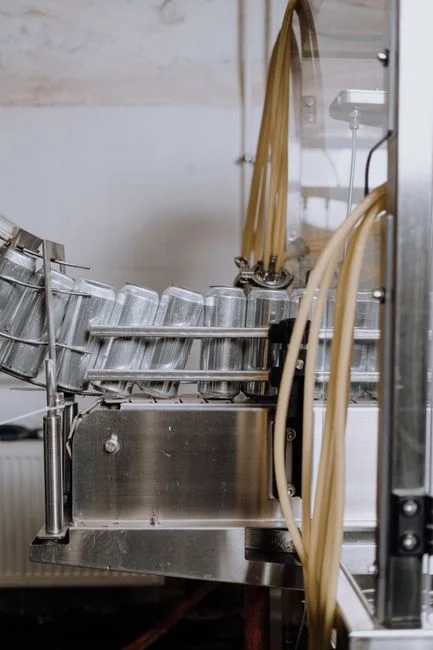
A staged train protects downstream biology and makes each performance obligation testable. The process sequence is:
- Equalisation and flow/load control.
- Screening or coarse pretreatment where fibrous debris is present.
- Source-specific removal of oil, grease, floatables, and solids.
- Biological treatment where the organics are biodegradable.
- Disinfection where the destination requires pathogen control.
- Sludge capture, conditioning, dewatering, and authorised disposal.
Equalisation should be designed around measured peak flow and organic loading, not average daily discharge alone. It limits hydraulic and concentration shocks, but it does not remove contaminants. Screening protects pumps and downstream units where rags, plastics, or fibrous material are present.
Where oil, grease, floatable solids, or colloidal material could overload biological treatment, a [DAF system for high-COD industrial pretreatment](/product/4-dissolved-air-flotation-daf-machine.html) is a logical physical barrier. Select it from measured flow and contaminant loading, including the anticipated recovery and sludge-handling route. DAF removes floatables and suspended material, but it does not by itself guarantee comprehensive COD reduction. Aerobic, anaerobic, or combined biological treatment may still be needed according to biodegradability and the treatment target.
Where biological treatment and membrane solids separation are required together, an [integrated MBR membrane bioreactor](/product/2-mbr-integrated-wastewater-treatment.html) combines biological degradation with membrane separation. It may suit a compact installation or a higher-quality reuse objective, subject to demonstrated performance on the actual waste. Disinfection should follow when pathogen control is required by the discharge or reuse destination.
| Process barrier | Primary function | Design basis |
|---|---|---|
| Equalisation | Reduces hydraulic and concentration shocks | Measured peak flow and relevant organic loading |
| Screening | Removes rags, plastics and fibrous debris | Debris characteristics and flow |
| DAF | Separates oil, grease, floatables and suspended material | Flow and contaminant loading |
| Biological stage | Reduces biodegradable organics | COD and BOD behaviour, biodegradability and loading |
| MBR | Combines biological treatment with membrane solids separation | Hydraulic duty, organic load and required effluent quality |
| Sludge dewatering | Produces a residual suitable for the approved handling route | Residual volume, solids characteristics and destination |
Electrocoagulation may be investigated for suitable mineral-processing streams, but the MDPI study’s initial COD of 424.29 mg/L applies only to its Pb/Zn flotation wastewater and is not a universal Najaf design value. For separated residuals, a [sludge dewatering filter press](/product/9-plate-frame-filter-press.html) can form part of a batch or campaign dewatering arrangement.
Choose pretreatment, biological treatment or MBR
The correct configuration follows from the contaminant and destination, not from a preference for one technology. DAF is the primary option when suspended solids, oil and grease, floatables, or colloidal matter are the main threat to downstream equipment. Biological treatment is appropriate when the organic load is sufficiently biodegradable and the objective is bulk COD reduction without relying only on membrane separation. MBR is appropriate where biological treatment and membrane solids separation are both required, footprint is constrained, or the reuse objective demands additional solids control.
| If the principal requirement is… | Evaluate first | Key limitation to verify |
|---|---|---|
| Removal of oil, grease, floatables or suspended solids | DAF pretreatment | Residual soluble and biodegradable COD still requires treatment |
| Bulk reduction of biodegradable organics | Biological treatment | Shock loads, toxicity and inadequate equalisation can inhibit the process |
| Biological treatment plus membrane solids separation | MBR | Solids handling, membrane maintenance and required effluent quality |
| Further reuse-quality polishing | UF or RO after the appropriate upstream barriers | Neither is a substitute for high-COD pretreatment |
Reverse osmosis and ultrafiltration should generally be evaluated as downstream polishing or reuse steps. An [ultrafiltration system](/product/17-ultrafiltration-uf-water-treatment-system.html) does not remove the load that must be controlled before biological treatment or membrane operation.
Every supplier should demonstrate performance using the factory’s wastewater or a representative sample. The tender should state the design flow, design COD load, guaranteed effluent parameter, and operating boundary. It should also define how the guarantee is sampled and calculated, what happens outside the boundary, and which party bears corrective-action responsibility.
Published equipment ranges provide selection references rather than automatic recommendations: the HydropureWater DAF range is 4–300 m³/h, while its MBR range is 10–2,000 m³/day. Neither range proves suitability for a Najaf factory; actual flow, load, wastewater characteristics, and treatment objectives determine the selection.
Design sludge handling and reuse around the final destination
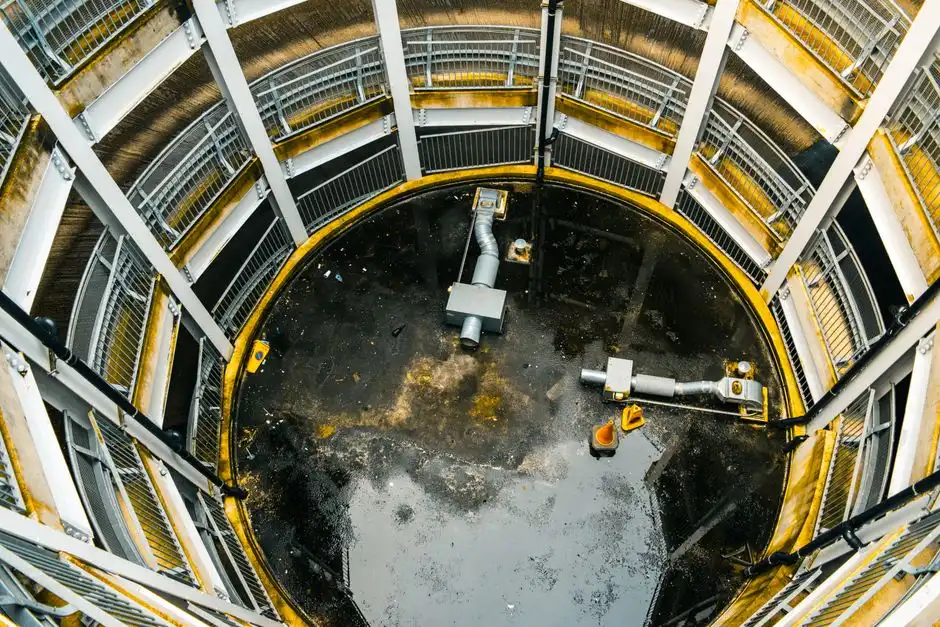
Sludge handling must be specified before the liquid treatment train is purchased. Capture the residual, establish whether thickening or conditioning is required, select a dewatering method, and define its authorised destination. A dewatering device cannot make an uncontrolled residue suitable for disposal.
For batch or campaign operation, a plate and frame press is an applicable mechanical option. The HydropureWater range spans filtration areas from 1 m² to 500 m², but the appropriate area depends on residual volume, solids characteristics, operating cycle, and required handling condition. These figures are equipment references, not a sizing calculation for a particular factory.
The Najaf plant’s reported agricultural reuse and organic-fertiliser output should be treated as regional context rather than automatic permission for every industrial effluent or residue. Iraq Business News (2025-07-10) reported both outcomes for the municipal project; it did not establish that a factory’s industrial contaminants or treated sludge qualify for the same route.
Evaluate reuse end to end. Depending on the source and destination, the assessment should address residual salinity, metals, nutrients, pathogens, and industrial contaminants. Sludge analysis and destination approval should determine whether additional testing, chemical conditioning, or restricted handling is required. Those approvals and analytical results belong in the procurement scope, not in a post-commissioning assumption.
A buyer can use this effluent treatment plant buyer’s guide as a general procurement reference, but it does not replace site-specific wastewater testing or Najaf regulatory acceptance.
Procure and commission a system that can pass scrutiny
A defensible tender defines the complete duty, not only the main treatment unit. Ask bidders to quote equipment based on measured flow and loading, together with civil works, electrical supply, controls, chemical storage, safety provisions, and sludge-handling interfaces. The scope should distinguish factory pretreatment from any downstream sewer connection or authorised treatment service.
Performance guarantees should identify the agreed effluent parameter, calculation method, sampling point, sampling frequency, laboratory method, and acceptance period. Ask how the supplier will respond when the wastewater leaves the stated operating boundary. A guarantee without a defined test method is difficult to enforce.
Define operating cases explicitly: startup, shutdown, weekend production, cleaning dumps, chemical additions, and organic or toxicity shocks. Equalisation must remain effective during irregular operations, and bypass provisions must not become an uncontrolled route for untreated discharge.
Include operator training, preventive-maintenance schedules, available spare parts, local or remote controls, power requirements, hazardous-area considerations where applicable, and emergency operating instructions. The GX bar screen protects downstream pumps and biological processes from solids, rags, plastics, and fibrous debris, but its selection and inclusion should follow confirmation of the factory’s screening requirement.
Agree a site trial or acceptance test before final handover using representative factory wastewater. The trial should establish sustained performance under the agreed operating envelope, verify sampling and analytical methods, check control response, and expose any fouling, foaming, sludge, or handling problems. A generic equipment catalogue cannot establish compliance with a factory’s permit or acceptance conditions.
Compliance risk remains with the manufacturer until the relevant authority confirms acceptance. A signed process guarantee, a completed commissioning test, and written discharge or transfer conditions address different obligations and should all be secured.
Frequently Asked Questions
How much does an industrial wastewater treatment system cost for a factory in Najaf?
No reliable universal price can be given from location alone. Ask each bidder to price against the measured peak flow, COD and BOD loads,
Frequently Asked Questions
How much does an industrial wastewater treatment system cost for a factory in Najaf?
The capital expenditure for an industrial wastewater treatment plant (WWTP) in Najaf typically ranges from $150,000 to over $1,000,000, depending on flow capacity and influent COD concentrations. Systems designed for 50–100 m³/day typically range between $200,000 and $450,000, inclusive of civil works, mechanical equipment, and electrical controls.
Operational costs, including electricity, chemical dosing (coagulants/flocculants), and sludge disposal, generally add $0.50 to $1.50 per cubic meter of treated water. Factors such as site-specific soil conditions and the need for advanced tertiary treatment for water reuse significantly influence the final project budget.
Should a Najaf manufacturer choose DAF, biological treatment or MBR for high-COD effluent?
Selection depends on the COD load and intended discharge destination. Dissolved Air Flotation (DAF) is the preferred primary treatment for high-fat, oil, and grease (FOG) or suspended solids common in Najaf’s food processing sector, capable of reducing COD by 30–60%. It is rarely a standalone solution for high-COD streams.
For high-COD effluent (above 2,000 mg/L), a combination of anaerobic biological treatment followed by Membrane Bioreactor (MBR) is recommended. MBR technology is superior for achieving stringent discharge standards, providing a high-quality effluent suitable for irrigation or process reuse, and is more resilient to the variable influent loads common in industrial settings.
How do manufacturers size equipment for high-COD wastewater?
Equipment sizing is determined by the mass balance of the influent stream, primarily based on the Organic Loading Rate (OLR), measured in kg COD/m³/day. Engineers calculate the volumetric flow rate (m³/h) and the peak COD concentration to determine the necessary hydraulic retention time (HRT) and the required oxygen transfer rate (OTR) for aeration systems.
Designers must apply a safety factor of 1.2 to 1.5 to account for seasonal variations and peak production shifts. Failure to properly size aerobic reactors based on the specific COD degradation rate of the waste can result in biomass washout or process failure, leading to non-compliance with local environmental discharge limits.
Can a factory discharge trade waste into the completed Najaf wastewater plant?
No, industrial trade waste cannot be discharged directly into the Najaf municipal sewer network without extensive pre-treatment. The municipal system is designed primarily for domestic sewage with significantly lower COD, BOD, and total dissolved solids (TDS) levels.
Industrial effluent must meet the local Najaf environmental authority’s discharge standards, typically requiring pre-treatment to reduce COD to below 500 mg/L and removing toxic constituents before entering the public grid. Unauthorized discharge of high-COD waste can cause immediate biological upset and failure of the municipal plant’s activated sludge process.
What should an equipment supplier prove during wastewater plant commissioning?
During commissioning, the supplier must demonstrate that the system consistently meets the guaranteed effluent quality parameters, specifically COD, BOD, TSS, and pH levels, over a 72-hour continuous performance test. They are required to provide analytical laboratory certificates from an accredited third-party laboratory confirming that the treated water meets the project's contract specifications.
Furthermore, the supplier must provide a comprehensive training program for site operators, deliver "as-built" electrical and mechanical drawings, and provide a verified manual for chemical dosage calibration. Successful commissioning is only complete once the system achieves the design throughput capacity while maintaining stable sludge volume index (SVI) levels in the secondary clarifiers or membrane units.