What Butler Requires Before Industrial Wastewater Enters the Sewer
EV and automotive plants discharging through Butler’s municipal sewer must meet applicable pretreatment requirements before wastewater enters the public sewer system. Butler’s local limits apply at the point of discharge, and the Board of Public Works may impose mass limitations in addition to, or instead of, concentration limits. The plant must provide, operate, and maintain compliance facilities at its expense and submit detailed treatment and operating plans for review before construction. A significant industrial user needs a wastewater discharge permit, and violating its conditions is itself a municipal code violation.
The governing compliance basis includes federal, state, and local categorical pretreatment standards, Butler’s local limits, and the ordinance’s discharge prohibitions. Detailed plans must be approved by the Superintendent before facilities are constructed, but approval does not transfer responsibility to the City: the user must modify the facilities when necessary to produce an acceptable discharge.
Two terms should be used precisely. Pass-through occurs when a pollutant passes through the publicly owned treatment works in harmful amounts. Interference occurs when an industrial discharge causes treatment-plant upset, collection-system overloading or damage, or another impairment of the POTW’s operation. EPA’s Local Limits Development Guidance, published in 2021, likewise treats the permit or controlling regulation as the final authority for indirect dischargers.
For industrial facilities, this review is distinct from evaluating a semiconductor pretreatment approach or a fabricated-metals compliance strategy. Those examples provide context, but the Butler ordinance, the plant’s permit, and verified wastewater data control the design.
Butler Local Limits That Can Shape an EV Plant Treatment Train
Butler’s published maximum allowable discharge limits apply directly at the point where wastewater enters the public sewer. The following values come from the City of Butler’s Pretreatment of Wastewater ordinance, last amended by Ordinance 1751 on 2022-02-21.
| Parameter | Maximum daily concentration |
|---|---|
| Total aluminum | 1.0 mg/L |
| Total arsenic | 0.03 mg/L |
| Total cadmium | 0.04 mg/L |
| Total chromium | 1.5 mg/L |
| Total chlorides | 680 mg/L |
| Total copper | 0.4 mg/L |
| Total cyanide | 0.05 mg/L |
| Total hexavalent chromium | 0.4 mg/L |
| Total iron | 10.0 mg/L |
| Total lead | 0.25 mg/L |
| Total mercury | 0.000009 mg/L |
| Total molybdenum | 0.04 mg/L |
| Total nickel | 0.04 mg/L |
| Total selenium | 0.05 mg/L |
| Total silver | 0.25 mg/L |
| Total phenols | 0.5 mg/L |
| Total zinc | 0.5 mg/L |
These numbers are a screening tool, not a complete design basis. Total toxic organics are evaluated case by case by the Board of Public Works, using concentration, loading, flow to the wastewater treatment plant, and other conditions needed to prevent pass-through and protect the POTW. The plant should therefore screen its paint, coating, solvent, rinse, and cleaning streams for the specific constituents relevant to its operations rather than assuming that only the tabulated metals and conventional parameters matter.
Butler also identifies high-strength wastewater when CBOD5 exceeds 200 mg/L, TSS exceeds 225 mg/L, ammonia-N exceeds 20 mg/L, COD exceeds 500 mg/L, or total phosphorus exceeds 10 mg/L, according to the same 2022-02-21 ordinance. A high-strength surcharge is not approval to discharge. The City reserves the right to prohibit wastewater that causes or is reasonably expected to cause POTW upsets, overloading, or sewer damage.
Most importantly, Butler may establish requirements more stringent than the published limits through an ordinance or an industrial wastewater discharge permit. Equipment sizing should therefore be tied to the current permit plus measured worst-case wastewater, not the local-limit table alone. A broader numeric local-limit screening example can help organize the analytes, but Butler’s permit remains controlling.
Characterize Every Waste Stream Before Selecting Equipment
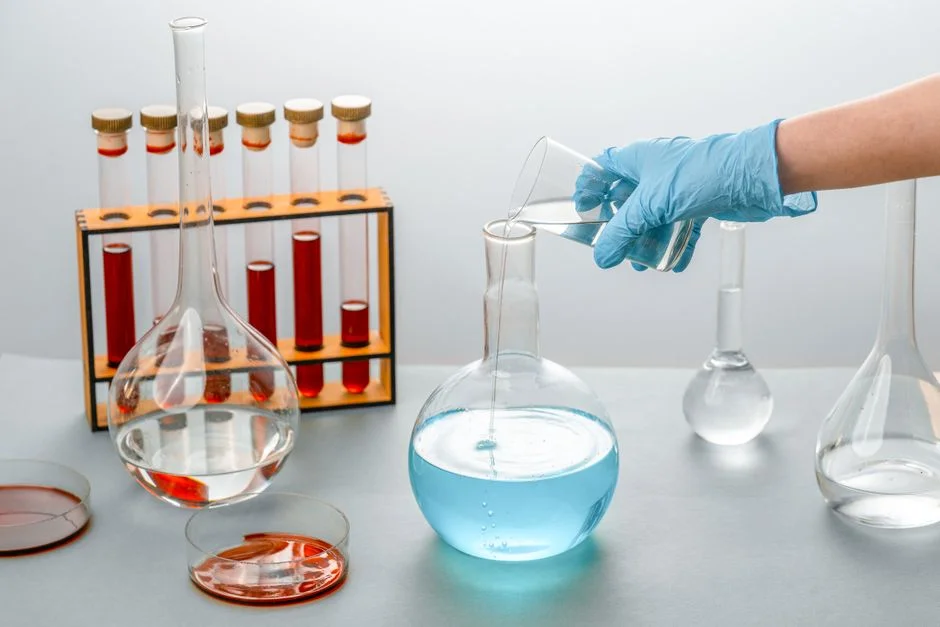
Butler’s local limits and high-strength thresholds cannot be applied reliably until each wastewater source has been identified, sampled, and measured against its flow. A source-by-source inventory separates paint and coating operations, vehicle or battery washing, floor cleaning, process rinses, cooling-water blowdown, domestic sewage, stormwater, and other industrial process water. Streams that will never enter the permitted discharge should be excluded from the treatment train, while excluded streams still need physical routing controls that prevent accidental entry.
| Waste stream | Characterization focus | Engineering implication |
|---|---|---|
| Paint and coating | Metals, phenols, pH, COD, suspended solids, and identified organic constituents | Determine whether source control, segregation, physical-chemical treatment, or biological treatment is required |
| Vehicle or battery washing | pH, TSS, oil and grease, FOG, metals, and wash chemistry | Establish equalization, solids removal, and oil/FOG treatment requirements |
| Floor cleaning | Detergent, pH, COD, phosphorus, oil and grease, and cleaning chemistry | Assess compatibility and possible release of concentrated cleaner batches |
| Process rinses | Batch frequency, constituent profile, flow, and toxicity indicators | Define temporary storage, controlled dosing, and treatment targets |
| Cooling-water blowdown | pH, metals, conductivity-related parameters, suspended solids, and chemical additives | Decide whether segregation is preferable to combined treatment |
| Domestic sewage | Flow, COD, BOD, TSS, ammonia, and phosphorus | Determine whether separate sanitary routing or combined pretreatment is required |
| Stormwater | Source, contaminants, drainage area, and discharge destination | Keep uncontrolled runoff outside the industrial wastewater permit where applicable |
Representative sampling must cover production, wash cycles, cleaning, maintenance, and batch-dump conditions. One routine composite sample can miss a concentrated coating dump, floor-cleaner release, or cleaning-cycle peak. Flow measurements are equally important: concentration alone does not demonstrate mass-loading control, particularly because Butler may impose mass limitations.
Ask the plant’s EHS and engineering teams for the current industrial-user permit, POTW inspection correspondence, self-monitoring reports, prior exceedances, sewer map, discharge point, and any batching or storage constraints. If an ammonia problem is part of the investigation, the high-effluent ammonia field guide provides a useful process framework, but plant-specific data must still establish the load and treatment route.
Use a Source-Separated Treatment Train for EV Manufacturing Wastewater
A defensible EV manufacturing treatment train assigns each unit operation to a measured pollutant or operating problem. The general sequence is screening, equalization and pH control, oil/FOG and solids removal, biological or chemical polishing where justified, final polishing, monitoring, and controlled sewer discharge. The exact sequence should follow the wastewater map rather than a generic treatment template.
| Process step | Primary design function | Selection condition |
|---|---|---|
| Fine screening | Remove rags, plastics, debris, and fibrous material | Use where these materials threaten pumps, biological equipment, or membranes |
| Equalization and pH control | Smooth hydraulic, concentration, and pH excursions | Include when batch operation creates variable loads or the permit requires controlled discharge |
| Oil/FOG and solids separation | Remove emulsified oil, FOG, colloids, and suspended solids | Apply where measured oil, FOG, colloids, or solids interfere with downstream treatment |
| Biological treatment | Remove biodegradable organics and, where designed for it, ammonia | Use when measured organics or ammonia make biological treatment technically suitable |
| Chemical polishing | Remove pollutants not fully addressed by physical or biological treatment | Select from permit limits and residual pollutant data |
| Ultrafiltration | Separate suspended solids, colloids, bacteria, and protect downstream membranes | Use when those separation or protection objectives govern |
| Reverse osmosis | Provide an advanced dissolved-solids barrier | Use only when the waste profile and compliance target justify concentrate management |
| Monitoring and controlled discharge | Verify compliance and prevent off-spec release | Include automatic diversion, hold, alarm, and flow control where warranted |
Fine screening should protect downstream pumps and biological or membrane systems from fibrous and solid debris. Equalization is more than a hydraulic tank: it controls the slug loads and pH excursions that can trigger interference. Butler authorizes the Superintendent to require suitable storage and flow-control facilities, restrict peak-period discharge, and consolidate or relocate discharge points.
Where oil, FOG, colloids, or suspended solids are present, an approved physical-chemical separator may be required before biological or membrane treatment. An DAF system for industrial oil, FOG, and solids removal should be sized from measured flow, contaminant loading, and operating conditions rather than a generic production rate. The DAF capacity calculation for an EV plant illustrates the sizing logic; the same method can be applied to Butler-area facilities without importing Hungary-specific requirements.
Biological treatment is justified when measured organics or ammonia support it, not because it is a customary part of an EV pretreatment train. An MBR membrane bioreactor for compact biological treatment combines biological treatment with membrane separation where that combination fits the land, loading, and maintenance requirements. The MBR versus conventional activated sludge comparison is useful for that decision.
UF should be selected for its actual separation objective. The supplied equipment information lists a catalog range of 2,000–40,000 L/h, 0.03 μm PVDF membranes, automatic backwash, and air scour; these are catalog attributes, not a Butler sizing determination. RO should be reserved for a justified dissolved-solids target and paired with a concentrate-disposal plan. The 2024 Waterkeeper Alliance finding cited in the supplied research reports greater than 99 percent PFAS reduction for RO and other advanced filtration, but that is not a Butler performance guarantee or proof that advanced treatment is required for every stream.
Control Batch Discharges, pH Swings, and Flow Spikes
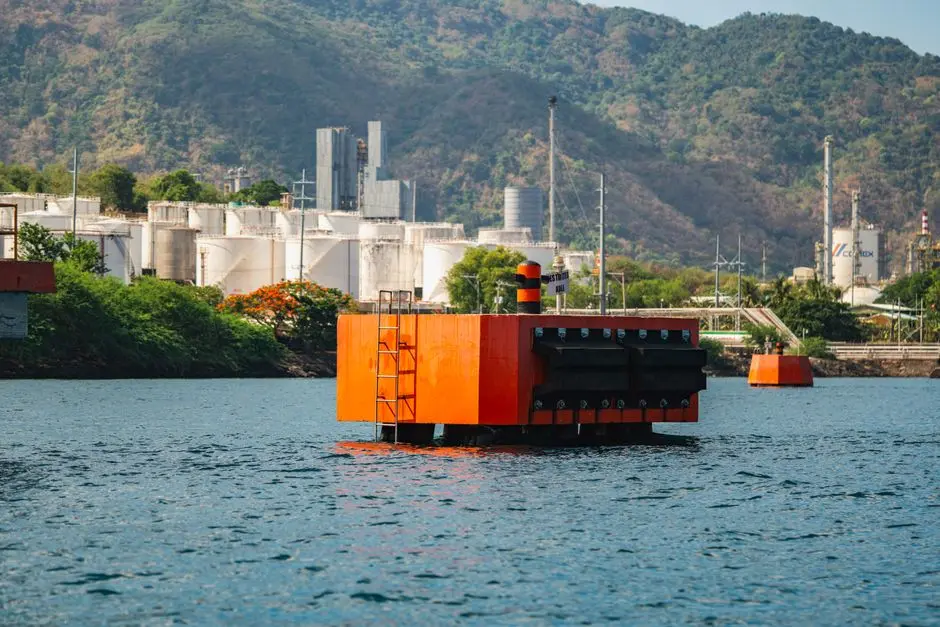
Butler requires the Superintendent to evaluate each significant industrial user at least once every two years to determine whether an accidental-discharge or slug-control plan, or other slug controls, are needed. The Superintendent may require the user to develop, submit, approve, and implement such a plan. A coating campaign, floor-cleaning release, wash-water dump, or chemical transfer event can therefore create a compliance obligation even when the annual average discharge looks acceptable.
The minimum plan content is specific: discharge practices, including non-routine batches; stored chemicals; immediate notification procedures; and prevention measures. Those measures include inspection and maintenance of storage areas, material handling and transfer, loading and unloading, plant-site runoff, worker training, containment, controls for toxic organic pollutants such as solvents, and emergency response.
Translate that requirement into plant controls:
- Map every batch-generating source, its destination, storage capacity, and authorized discharge route.
- Segregate incompatible coating, cleaning, wash, and process streams.
- Control valve sequencing and prohibit uncontrolled dumping.
- Use temporary storage and secondary containment for cleaning chemicals and coating residues.
- Verify combined storage and treatment capacity before a campaign or maintenance release.
- Route off-spec wastewater to a hold or diversion response rather than the sanitary sewer.
Butler may require storage and flow-control facilities on the user’s property to ensure equalization, and an industrial wastewater discharge permit may be issued solely for flow equalization. Equipment controls should therefore include tank-level interlocks, pump sequencing, flow limits, high-high diversion, and a documented manual override procedure.
Dilution is prohibited when it substitutes for adequate treatment unless expressly authorized. The Superintendent may impose mass limitations where dilution is used or where mass limits are otherwise appropriate. Compliance cannot be demonstrated by lowering concentration through extra process water. The EV plant wastewater compliance and treatment guide provides broader context for site-level controls, but Butler’s ordinance governs this decision.
Turn the Permit File into a Commissioning and Monitoring Plan
Butler approval requires detailed treatment and operating plans before construction, and the permit file should carry those commitments through commissioning. The package should include wastewater characterization, flow and mass-loading calculations, a signed process flow, equipment sizing, control narratives, chemical and waste-handling procedures, sampling locations, calibration methods, and the slug-control plan. A comparable shutdown and commissioning approach for cooling blowdown is discussed in the wastewater and cooling-blowdown treatment guide.
| Commissioning stage | Verification required | Acceptance evidence |
|---|---|---|
| Individual equipment | Hydraulic capacity, controls, alarms, calibration, and chemical dosing | Manufacturer testing plus site verification under operating conditions |
| Complete treatment train | Influent and effluent performance during normal production | Representative sampling and verified flow records |
| Worst-case batch | Response to representative concentration and pH excursions | Documented diversion, hold, and recovery operation |
| Final discharge | Concentration and mass-loading compliance | Paired laboratory results and flow data |
| Operating controls | Permit sampling, notification, and record requirements | Calibrated instruments and assigned operator procedures |
Commission each major stage and the integrated train with influent and effluent samples representing normal production and worst-case batch conditions. A single clean-water demonstration does not establish treatment performance. Where the permit requires continuous monitoring, install it with alarms and pre-defined actions to divert, hold, or terminate a noncompliant discharge.
Pair sampled concentrations with flow data. A plant can meet a concentration limit yet exceed a mass limit, or dilute a high-strength batch until its concentration appears compliant. Both concentration and loading must therefore be visible in the compliance record.
Keep self-monitoring reports, equipment maintenance, calibration records, chemical logs, inspection results, slug events, and corrective actions together for permit renewal and POTW review. No equipment train can establish site-specific compliance without the current permit, verified wastewater data, and the receiving POTW’s requirements. Those controlling inputs must be checked again before procurement and again before startup.
Budget and Equipment-Selection Questions for Plant Buyers
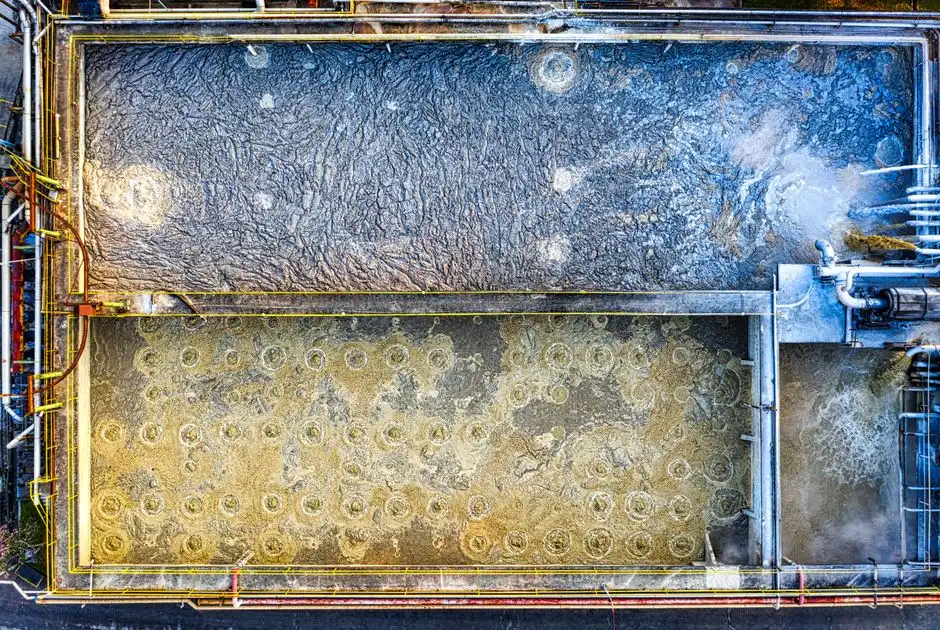
No defensible capital-cost range can be stated without project-specific inputs. A buyer should provide design flow in m³/h, influent characterization including COD, BOD, TSS, and metals, the target effluent quality against Butler’s current permit, and the cost and route for concentrate and biosolids handling. The supplied research contains no Butler project price, so a generic price would obscure the variables that actually drive cost.
| Option | Primary function | Key buyer check |
|---|---|---|
| DAF | Oil, FOG, colloids, and solids separation | Comparable wastewater loading and verified effluent performance |
| Lamella clarification | Suspended-solids separation where the application fits | Sludge handling, solids removal, and operating response |
| MBR | Biological treatment with membrane separation | Organic and ammonia loading, membrane lifecycle, controls, and redundancy |
| UF | Suspended-solids and colloid separation | Pretreatment needs, cleaning demand, and membrane replacement terms |
| RO | Advanced dissolved-solids separation | Concentrate volume and disposal route, energy demand, and pretreatment requirements |
Require suppliers to document comparable installations, effluent results on comparable influent, membrane replacement intervals and cost, control-system scope, redundancy, commissioning support, and delivery commitments. Put performance responsibilities, acceptance tests, and contractual lead times in the purchase agreement rather than relying on general sales claims.
Compare lifecycle inputs as well as purchase price: chemical consumption, sludge or concentrate disposal, membrane cleaning, operator attention, and redundancy. A DAF sizing example for an EV plant shows why flow and loading remain site-specific. Make the final equipment selection conditional on representative wastewater testing, the current Butler permit, and the receiving POTW’s current requirements.
Frequently Asked Questions
Can an EV plant dilute wastewater to meet Butler’s sewer limits?
No. Butler’s ordinance prohibits increasing process-water use or otherwise diluting a discharge as a substitute for adequate treatment unless expressly authorized. The Superintendent may impose mass limitations where dilution is used. Treatment performance should be demonstrated by pollutant removal, not by lowering concentration with clean water.
What treatment is usually required for EV manufacturing wastewater?
A site-specific train may include screening, equalization, pH control, oil/FOG and solids removal, biological treatment, chemical polishing, filtration, or advanced treatment. The required sequence depends on measured pollutants, flow, batch behavior, and permit limits; biological treatment is not justified where the waste profile does not support it.
How can a buyer estimate the cost of Butler-compliant pretreatment?
Request a project-specific quotation after collecting design flow, representative influent characterization, target effluent quality, residue-handling requirements, operating inputs, and comparable supplier performance. No supported Butler price exists in the supplied research, so a universal CAPEX range would not be defensible.
How should a buyer select a treatment-equipment supplier?
Compare demonstrated performance on comparable influent, contractual guarantees, redundancy, membrane lifecycle, controls, commissioning support, delivery commitments, and documentation of sludge or concentrate handling. Confirm that the supplier accepts the site’s measured wastewater and current Butler permit as the governing basis for its selection.
What should the plant do when a batch discharge exceeds a limit?
Divert and hold the flow, notify the control authority as required, investigate the source, restore compliant operation, and document the event and corrective actions. Do not dilute the off-spec stream or send it directly to the sewer. The slug-control plan should define the responsible operator, notification route, hold capacity, and restart criteria before a batch is released.