
Choose DAF, an ETP, or a Combined Treatment Train
A Miami factory should select treatment equipment from the contaminants that must be removed and the quality required of the final effluent, not from production volume alone. Dissolved air flotation (DAF) is primarily a physical separation step for oil, grease, FOG, suspended solids, and colloidal material. A full industrial effluent treatment plant (ETP) becomes necessary when the wastewater also needs biological BOD/COD reduction, pH control, tertiary polishing, disinfection, and coordinated sludge handling. A combined train is usually the logical choice when flotation must protect downstream biological treatment or when reuse requires further polishing.
| Observed wastewater condition | Primary treatment objective | Equipment category to evaluate |
|---|---|---|
| Recoverable free oil, emulsified oil, grease, FOG, suspended solids, or colloids | Remove contaminants that can rise and be skimmed | DAF as the primary separation unit |
| Dissolved organic load requiring BOD/COD reduction, plus pH and solids control | Provide biological treatment and coordinated residuals handling | Full industrial ETP |
| Oil and fine solids must be removed before biology, or DAF effluent requires reuse polishing | Protect downstream equipment and meet the final-water objective | Combined treatment train |
The best DAF unit decision framework therefore begins with wastewater composition and final use. If the required outcome is separation alone, start with DAF and define its pretreatment and sludge route. If the required outcome includes biological reduction and discharge or reuse quality, develop an ETP or combined train. This distinction prevents an unnecessarily broad package while also avoiding a flotation unit that cannot meet the site’s final-water requirement.
Map the Factory Wastewater Before Sizing Equipment
Representative wastewater characterization is the controlling input for equipment selection because the same factory can discharge clean process water, oily wash water, and concentrated batch waste through one collection system. Obtain analysis covering pH, oil and grease, FOG, TSS, BOD, and COD, then add contaminants specific to the process, such as metals, dyes, solvents, detergents, or high-salinity constituents. Sampling should represent normal production and relevant batch discharges rather than only a single grab sample.
| Design-basis item | Information the buyer must establish | Why it affects selection |
|---|---|---|
| Wastewater composition | pH, oil and grease, FOG, TSS, BOD, COD, and process-specific contaminants | Determines the necessary physical, chemical, biological, and polishing operations |
| Hydraulic profile | Average flow, peak flow, operating shifts, batch discharges, and flow variability | Sets equipment and equalization capacity |
| Stream segregation | Whether oil-bearing, high-strength, and clean streams can remain separate | May reduce treatment complexity and chemical demand |
| Receiving or reuse route | Direct discharge, sewer discharge, onsite reuse, or broader reuse objective | Defines the required final-water quality and treatment train |
| Miami requirements | Applicable permit, pretreatment, sewer-limit, and reuse conditions for the site | Prevents selection against the wrong compliance route |
Map flow in two dimensions: composition and time. A low average flow can conceal a batch discharge that overloads DAF hydraulics, while a stable flow can still be unsuitable for biological treatment if the wastewater contains inhibitory compounds. Segregating streams may remove the need to treat clean cooling water alongside oily wash water, but it also adds collection piping, storage, and operational controls.
Next, identify the receiving route. A Miami wastewater permit, sewer pretreatment requirement, or onsite reuse specification must be obtained for the actual site; no research supplied here establishes a universal Miami limit. A buyer asking for a wastewater reuse treatment design should request the required water quality, reuse application, expected variability, and whether the intent includes zero liquid discharge. Factory floor area and production rate cannot substitute for these inputs.
How DAF Removes Oil, FOG, and Suspended Solids
DAF separates floatable contaminants by attaching micro-bubbles to suspended solids, oils, and greases, increasing their lift so a skimmer removes the accumulated surface layer. Alantech reports typical aeration pressure of 3–5 bar in its Dissolved Air Flotation: A Comprehensive Overview; a related technical source on refinery ETP treatment describes bubble sizes of 10–100 microns. Clarified water leaves from the lower portion of the flotation tank, while the floating contaminant layer is removed separately.
The process sequence matters. Wastewater may first enter screening and sedimentation to remove large particles and settleable solids that could clog equipment or create excessive buildup, according to Alantech’s overview. A flocculation chamber may be placed upstream of the flotation tank when chemicals are required to form larger flocs. The industrial DAF system then combines pressure saturation, pressure release in the flotation tank, bubble attachment, flotation, and skimming.
DAF is not a substitute for every biological or polishing requirement. Alantech states that clarified water may undergo further clarification and disinfection when needed for discharge or reuse. The [DAF system specifications and selection guide](/blog/2181-dissolved-air-flotation-system-specifications-2025-engineering-data-standards-selection-guide.html) should be used to evaluate the proposed pressure regime, recycle arrangement, skimming arrangement, pretreatment, and downstream treatment scope.
For emulsified oil and fine solids, DAF can serve as a protective barrier before biology. Quora’s refinery-effluent technical explanation describes how emulsified oil can impair biological reactors by coating biomass and limiting oxygen transfer; it also identifies coagulation and DAF as pretreatment for emulsions and fine solids. This application supports using DAF ahead of an ETP’s biological stage rather than treating it as the whole plant.
Build the Right Factory Treatment Sequence
A complete factory treatment train should connect each physical removal step with the next treatment objective and the residuals route. Unitop’s Waste Water Treatment Plant description divides ETP operation into preliminary, primary, secondary, tertiary, disinfection, reuse, and sludge-disposal functions.
- Preliminary treatment: Screen the combined effluent, remove oil and grease in an appropriate trap, and route the wastewater to equalization.
- Equalization: Stabilize flow and provide mixing, pH correction, and cooling where required.
- Primary physico-chemical treatment: Apply coagulation and flocculation where needed, then use DAF to remove suspended matter and floating or emulsified oil.
- Secondary treatment: Reduce dissolved BOD and COD through aerobic or anaerobic biological activity.
- Tertiary treatment: Remove remaining suspended solids, color, and odor through filtration where required.
- Disinfection: Apply hypochlorite, ozone, or UV where the receiving route requires pathogen control.
- Reuse treatment: Add membrane and polishing stages appropriate to the specified reuse quality.
- Sludge handling: Collect solids from across the plant and dewater them for the factory’s residuals-handling route.
| Train stage | Primary function | Relevant equipment or design output |
|---|---|---|
| Headworks and equalization | Remove large material, segregate oil, and stabilize hydraulic and pH conditions | Screen, oil and grease trap, equalization tank, mixing and pH control |
| Physico-chemical treatment | Destabilize contaminants, form flocs, and separate floatable material | Coagulant and flocculant dosing, flocculation, DAF |
| Biological treatment | Reduce dissolved BOD/COD | Aerobic or anaerobic process selected from influent characteristics |
| Polishing and disinfection | Meet discharge or reuse requirements | Sand filtration, carbon filtration, membrane treatment, and disinfection as applicable |
| Residuals management | Collect and dewater sludge from treatment stages | Sludge collection, storage, dewatering, and disposal route |
An automatic chemical dosing system supports controlled coagulant, flocculant, and pH-adjustment dosing where the process design requires it. If reuse is the objective, Unitop states that reverse osmosis should have ultrafiltration pretreatment and reports permeate recovery of 92–95% in that reuse and zero-liquid-discharge context. That recovery figure belongs to that specified membrane configuration, not automatically to every reuse train.
Floatation sludge and other ETP solids must connect to a dewatering decision. A plate-and-frame filter press can form part of that evaluation, but feed characteristics, chemical conditioning, operating schedule, and the final residuals route should be established before selecting it.
Compare DAF, ETP, and Combined-System Options
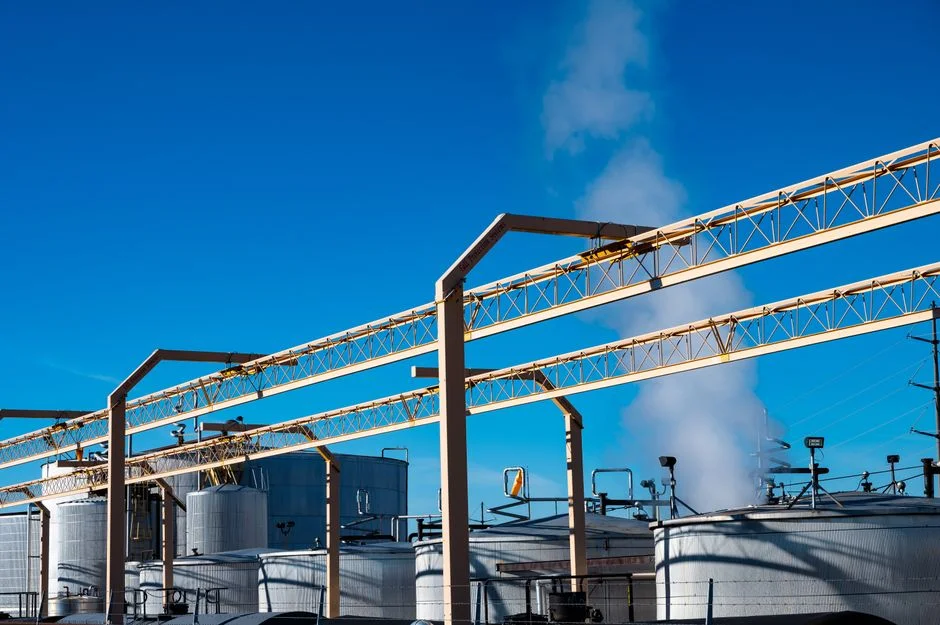
DAF is the compact option when the required function is oil, FOG, suspended-solids, or colloidal separation. A full ETP is broader because it can coordinate equalization, physico-chemical treatment, biological reduction, tertiary treatment, disinfection, and sludge processing. A combined train is the stronger starting point when DAF protects downstream biology or when flotation alone cannot meet the specified discharge or reuse quality.
| Evaluation item | DAF-centered option | Full ETP | Combined train |
|---|---|---|---|
| Primary function | Oil, FOG, solids, and colloid separation | Integrated physico-chemical, biological, polishing, and residuals treatment | Flotation before biological or reuse treatment |
| Final-water route | Requires confirmation against discharge or reuse targets | Can be designed around the selected final-water objective | Combines clarification with downstream quality treatment |
| Key scope check | Pretreatment, chemical dosing, skimming, and sludge route | All process stages, controls, polishing, disinfection, and sludge handling | Interfaces between DAF, downstream treatment, and residuals handling |
| Typical purchasing focus | Hydraulic capacity, pressure regime, recycle, and flotation performance | Treatment objectives, process integration, and complete equipment list | Compatibility of each stage with the specified final-water outcome |
HydropureWater’s DAF models are listed from 4–300 m³/h across 13 configurations. That range provides an initial commercial screen, but it does not establish which model fits a factory. Average flow, peak and batch flow, contaminant loading, pretreatment, and required effluent quality still govern selection.
Chemical consumption, compressed-air demand, pumping, footprint, automation, maintenance, and sludge production should be compared as operating consequences, not left as purchasing afterthoughts. PLC-controlled chemical injection may reduce dosing inconsistency, but the supplier must define the control basis and reagent demand. Where suspended solids, colloids, or bacteria affect downstream membranes or reuse quality, ultrafiltration may be relevant; the listed UF range is 2,000–40,000 L/h with 0.03-micron PVDF membranes.
Prepare a Supplier-Ready Specification
A comparable request for proposal should give every supplier the same design basis and require each bid to identify the treatment objective of every stage. Send representative wastewater analyses, average and peak flows, operating shifts, batch information, stream-segregation possibilities, pH range, receiving route, and applicable permit, sewer, or reuse requirements. If site-specific Miami criteria are unavailable, state that limitation rather than embedding an unverified limit in the specification.
- Ask each supplier to state the proposed treatment objective for every unit operation, including what is removed and what remains.
- Request the DAF pressure regime, recycle arrangement, flotation function, skimming method, pretreatment, and control philosophy.
- Require a complete equipment list covering equalization, dosing, DAF, biological treatment, filtration, disinfection, controls, and sludge dewatering where applicable.
- Request utility demand, chemical consumption assumptions, compressed-air requirements, pumping arrangement, maintenance access, controls scope, and spare-parts support.
- Require each bidder to identify assumptions that still need laboratory, hydraulic, or permit information.
- Compare lifecycle operating implications, not equipment purchase price alone.
HydropureWater’s plate-and-frame filter presses are listed with filtration areas from 1–500 m² and manual, hydraulic, and fully automatic PLC-controlled operation. Those configurations provide a basis for sludge-dewatering evaluation, but the correct choice depends on the sludge’s physical characteristics and handling requirements. The DAF selection guidance and 2026 DAF operating-cost breakdown help structure supplier questions about consumables, service access, and long-term operating implications.
Frequently Asked Questions
Is DAF alone sufficient for a Miami factory wastewater stream?
DAF alone may be sufficient only if the specified final-water objective is achieved by oil, FOG, suspended-solids, and colloid separation. Biological BOD/COD reduction, tertiary polishing, or disinfection requires additional stages. Confirm this against representative wastewater analysis and the receiving or reuse requirements rather than assuming the flotation outlet is finished effluent.
What flow rate should I request when comparing DAF and ETP suppliers?
Provide both average and peak flow, operating shifts, batch discharges, and flow variability. HydropureWater lists DAF models from 4–300 m³/h across 13 configurations, but a published model range cannot replace project-specific hydraulic sizing. Ask each supplier to identify the design flow used, how batch peaks are handled, and whether equalization is required.
Which wastewater tests should I send to suppliers?
Start with pH, oil and grease, FOG, TSS, BOD, and COD, then add process-specific contaminants such as metals, dyes, solvents, detergents, or salinity indicators. Include sampling dates and production conditions so suppliers can see whether the data represents normal operations, concentrated batches, or both. This list defines the minimum starting analytical scope, not a substitute for a complete process review.
How should I compare DAF suppliers and control procurement risk?
Require a unit-operation proposal rather than a generic package quotation. Ask each supplier to state the design basis, DAF process description, pretreatment, controls scope, sludge route, utilities, maintenance requirements, and lifecycle-cost assumptions. Check that every promised function is assigned to a specified component and that unresolved inputs are listed explicitly.
What is the main Miami compliance risk when choosing between DAF and an ETP?
The main risk is selecting equipment before confirming the site’s discharge route and applicable requirements. Verify the Miami-area permit, pretreatment or sewer limits, and reuse goals for the actual facility, then incorporate them into the design basis. The equipment category should follow those requirements and the wastewater characterization; it should not be chosen from factory size, and no supplier should substitute a generic “Miami wastewater permit” assumption for site-specific approval.