What Changes When Meta Acquires an Arizona Plant?
A change in corporate ownership does not by itself remove an Arizona plant’s permit conditions, pretreatment duties, monitoring obligations or compliance liability. The buyer must verify each discharge authorization with ADEQ and each sewer or industrial pretreatment agreement with the receiving authority. Wastewater obligations remain tied to the site, discharge path, covered operation and written authorization—not simply to the buyer’s identity. The acquisition team should also compare current operating records with Meta’s planned production, processes and wastewater characteristics before deciding whether treatment or monitoring must change.
The diligence question is not merely, “Is the facility permitted?” It has three parts: who assumes responsibility after closing, whether every authorization remains valid, and whether the existing treatment and monitoring systems can meet written conditions under Meta’s intended operating model. A site may hold several instruments with different covered owners, streams, reporting duties and amendment provisions. Treating them as one permit creates gaps that cannot be repaired by a general representation that the plant was compliant when sold.
Meta’s Meta Mesa Data Center fact sheet, published September 3, 2026, states that Meta worked with the City of Mesa to pay the full cost of water and wastewater service for the Mesa Data Center. It also describes water-efficiency and restoration commitments. These facts establish a verified utility relationship and corporate context, but they are not discharge limits, permit-transfer rules or authorization to apply to an unrelated Arizona plant. The same distinction applies to plant-acquisition wastewater diligence and to acquisition questions outside Arizona: site-specific law and records control.
For each authorization, compare three states of fact: what the current document permits, what the site demonstrably does, and what Meta proposes to operate. Any difference can trigger an amendment, a capital project, tighter monitoring or escalation to the issuing agency and receiving utility.
Build an Arizona Wastewater Authorization Register
An Arizona authorization register must separate state direct-discharge authorizations from utility-issued sewer or pretreatment approvals because each authority can impose different conditions on the same facility. For every instrument, identify the issuing authority, covered owner and operator, process and production scope, discharge points, monitoring locations, reporting frequency, written limits, compliance status and transfer or amendment provisions. A general permit register assembled by the seller is only a starting index; the underlying documents and amendments must be obtained.
Request the complete permit and appendices, discharge characterization, applicable local limits, monitoring plan, analytical results, agency correspondence, enforcement history and a written determination addressing transfer or amendment. Review stormwater authorization, waste manifests, disposal records and outstanding notices separately because those duties may not transfer on the same basis as a wastewater discharge permit. The accompanying industrial wastewater pretreatment compliance review provides useful diligence questions, but its limits cannot be imported into Arizona.
Do not apply the ownership-transfer procedure described in the supplied Texas article to an Arizona site. Obtain the applicable Arizona transfer, notification or amendment instructions directly from ADEQ and the receiving authority, and record the date and authority contact behind each conclusion.
| Record | Required diligence fields | Disposition and evidence |
|---|---|---|
| ADEQ direct-discharge authorization | Covered owner and operator, process, discharge point, limits, monitoring, reporting, compliance history and transfer language | Continue, amend, upgrade or escalate; retain written agency determination |
| POTW sewer or industrial pretreatment authorization | Covered user and process, local limits, discharge points, sampling requirements, enforcement record and amendment trigger | Written receiving-utility confirmation |
| Stormwater authorization | Permittee, industrial activity coverage, discharge points, inspection obligations and transfer conditions | Separate agency confirmation and corrective-action status |
| Waste-management records | Manifests, disposal contracts, generator status, notices and unresolved findings | Document responsibility and closure evidence |
Map Every Wastewater Stream Before Selecting Treatment
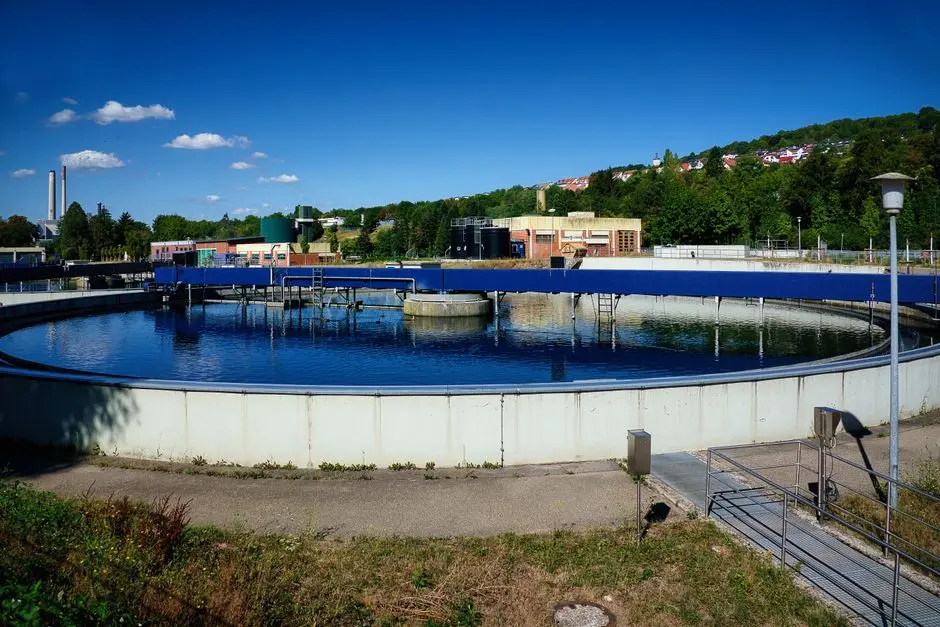
Every stream must be mapped separately because domestic wastewater, industrial process wastewater, cooling or utility blowdown, stormwater and contaminated non-contact water can have different destinations, contaminant profiles and regulatory paths. Build a flow and mass balance for each stream and connect it to its final destination: sanitary sewer, industrial pretreatment system, permitted direct discharge, or on-site treatment and reuse. Do not combine streams merely because they enter the same collection system; combination requires a documented technical and regulatory basis.
Request representative data for pH, suspended solids, oil and grease, flow, metals, toxic organics and every additional parameter identified by ADEQ, the receiving authority or the process engineer. Duration and seasonal variation matter as much as average daily flow: similar daily volumes can create different treatment loads when generation timing, peak discharge and batch releases differ. Compare the verified profile with existing flow diagrams, chemical inventories, production records, sampling history and Meta’s planned operating model.
Any upstream change in constituent, flow, production or process chemistry is a potential permit mismatch until the relevant authority confirms otherwise. For cooling-sensitive operations, data center wastewater and cooling-blowdown treatment provides a useful technical reference for separating streams, but the Arizona design basis must come from the acquired plant’s records.
| Stream | Evidence to obtain | Acquisition test |
|---|---|---|
| Domestic wastewater | Flow generation, fixtures and loading, collection route and receiving authorization | Does the existing sanitary treatment and sewer authorization cover the post-close facility? |
| Industrial process wastewater | Process inventory, batch records, constituent analyses and discharge destination | Do local limits and pretreatment duties match actual production and chemistry? |
| Cooling or utility blowdown | Generation timing, seasonal flow, chemistry, treatment controls and final destination | Can the system handle peak and variable loading under Meta’s operating plan? |
| Stormwater | Drainage map, exposed areas, pollutants, sampling history and permit coverage | Is each discharge point and industrial activity covered? |
| Contaminated non-contact wastewater | Source, contamination mechanism, volume, analysis and disposal or treatment route | Is the stream included in the applicable authorization or waste-management duty? |
Confirm Sewer and Pretreatment Duties at the Receiving Authority
The receiving utility’s current industrial pretreatment permit, appendices, local sewer limits, monitoring requirements, discharge-characterization rules and enforcement history define the plant’s operating acceptance criteria when wastewater enters a POTW. Obtain those records directly and confirm that the authorization covers the present owner, user, process, production level, discharge point and applicable industrial streams. A sewer-use agreement alone does not establish that the plant may discharge every stream now generated or proposed by Meta.
Reconcile local limits with the sampling plan, laboratory methods, chain-of-custody procedures, flow records, calibration records, operator logbooks and compliance correspondence. Identify whether an ownership transfer, production increase, process change or wastewater-composition change requires an amendment or replacement approval. Seek that determination in writing before treating the authorization as an accepted closing condition.
Meta’s September 3, 2026 Mesa fact sheet confirms full-cost water and wastewater service from the City of Mesa, but it provides no plant-specific permit terms for another acquisition. A water-service account also does not establish an industrial pretreatment permit. The buyer should request the receiving authority’s transfer procedure, required forms, effective date and confirmation of continuing authorization rather than infer those rules from a utility relationship.
Turn Permit Limits Into Treatment Design Criteria
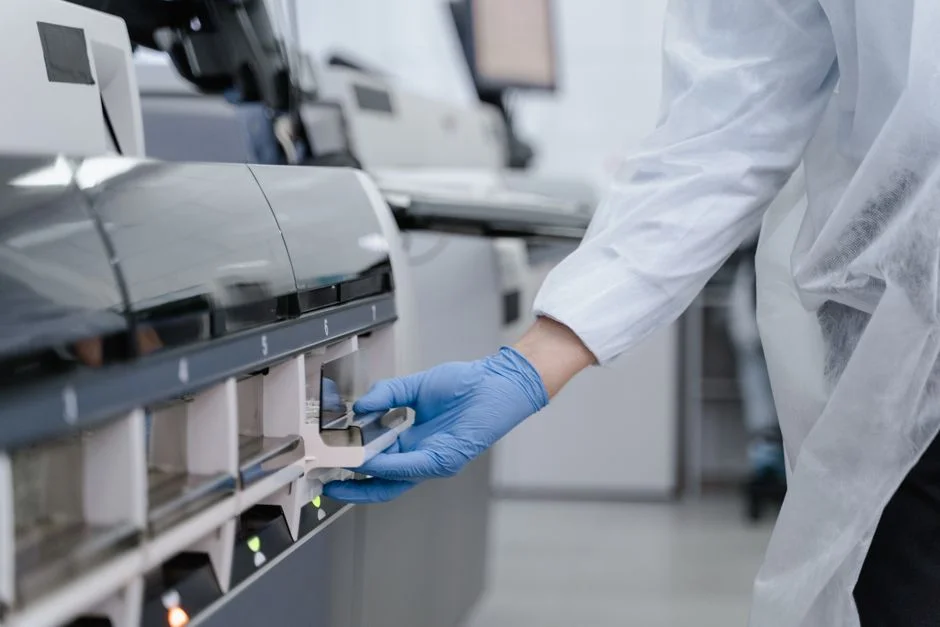
Written permit conditions and receiving-utility local limits should become the acceptance criteria for preliminary treatment design. Treatment selection starts with verified objectives, not with the acquiring company’s identity or a generic description of the plant. The design inputs are stream flow, composition, destination, required removal objectives, permit constraints, operating hours and reuse requirements.
A DAF industrial wastewater pretreatment system is relevant where verified objectives include removal of suspended solids, oil and grease, FOG or colloidal material. The supplied DAF catalog covers 4–300 m³/h across 13 standard models. Hydraulic loading, contaminant variability, removal requirements and sludge characteristics still determine whether a listed model is suitable.
An MBR wastewater treatment system may fit where biological treatment and membrane separation are required for industrial process water or reuse. The supplied MBR catalog range is 10–2,000 m³/day. Suitability depends on biological loading, membrane objectives, pretreatment needs, operating envelope and reuse specification.
The supplied WSZ underground integrated sewage treatment plant is another candidate only for a smaller-scale domestic or mixed application. Its stated architecture includes A/O treatment, sedimentation and disinfection, with a capacity range of 1–80 m³/h and a no-operator-required operating concept. Neither the corporate buyer nor a comparable facility establishes suitability; verified site requirements do.
Treatment sludge remains a separate design issue. The supplied plate and frame filter-press catalog includes filtration areas from 1–500 m². The appropriate area must be developed from verified sludge characteristics and the required cake condition, rather than selected from a headline flow rate.
| Verified objective | Candidate technology | Supplied catalog range | Decision constraint |
|---|---|---|---|
| Suspended solids, oil and grease, FOG or colloidal removal | DAF | 4–300 m³/h; 13 standard models | Confirm hydraulic and constituent loading, removal efficiency and sludge handling |
| Biological treatment with membrane separation for process water or reuse | MBR | 10–2,000 m³/day | Confirm biological loading, membrane objectives, pretreatment, operating envelope and reuse specification |
| Smaller-scale domestic or mixed treatment | WSZ integrated plant | 1–80 m³/h | Confirm A/O, sedimentation and disinfection fit the verified application |
| Treatment-sludge dewatering | Plate and frame filter press | 1–500 m² filtration area | Establish area from sludge characteristics and required cake condition |
Preserve Monitoring and Compliance Through Closing
Monitoring continuity is an operating condition, not an administrative task that can wait until after closing. For each regulated discharge, obtain the current sampling plan, analytical results, chain-of-custody procedures, calibration records, flow records, operator logbooks and compliance correspondence. Identify who must sample, where samples must be collected, which analytical methods apply and which discharge monitoring reports or other compliance reports are due after the acquisition.
Check whether changes to personnel, laboratories, instrumentation, data systems or reporting platforms could interrupt responsibility for sampling, analysis, certification and filing. Establish who retains historical records, who receives regulator correspondence and who is accountable for corrective actions on the effective closing date.
Before operational responsibility transfers, document baseline equipment condition, treatment redundancy, spare-parts availability, operator training, preventive-maintenance status and outstanding corrective actions. Historical compliance is evidence about past operation; it does not demonstrate that the equipment can meet written limits under Meta’s planned operating model.
Create a post-close action register with an owner, priority, due date and completion evidence for agency notifications, permit amendments, monitoring gaps, training, maintenance and reporting verification. The register should distinguish pre-closing defects from post-closing performance obligations so that neither is lost between the seller, buyer and operator.
Make the Continue, Amend, Upgrade or Escalate Decision
The defensible acquisition outcome is a permit-by-permit disposition supported by agency or utility confirmation where continuing authorization depends on it. Ownership, planned production, process modifications and wastewater-composition changes must be evaluated together because any one of them can alter the applicable obligations.
Allocate pre-close violations, transfer applications, monitoring continuity, corrective work and capital-treatment responsibilities in the acquisition agreement. A purchase agreement should not leave environmental liabilities unresolved in a post-close administration queue.
| Decision | Triggering condition | Required action and evidence |
|---|---|---|
| Continue | The authorization covers the acquired operation, historical compliance is documented, monitoring transfers without a material gap and written confirmation is available | Record the supporting documents, residual conditions and confirmation from ADEQ or the receiving authority |
| Amend | Ownership or planned operations change, but the treatment train remains adequate | Submit the information required by the applicable Arizona authority or utility and verify approval status before the relevant trigger |
| Upgrade | Existing equipment cannot reliably meet written limits, pretreatment requirements, reuse goals or anticipated wastewater changes | Obtain a site-specific engineering evaluation and align capital work with permit and operating needs |
| Escalate | A stream is absent from the authorization, prior violations remain unresolved or operational changes could affect the receiving sewer system | Escalate for professional and authority review; do not rely on the existing authorization until the issue is resolved |
Frequently Asked Questions
Do Arizona
Frequently Asked Questions
Do Arizona wastewater permits transfer automatically when Meta acquires a plant?
No, Arizona Pollutant Discharge Elimination System (AZPDES) permits do not transfer automatically. Under Arizona Administrative Code (A.A.C.) Title 18, Chapter 9, the new owner must submit a formal application for permit transfer to the Arizona Department of Environmental Quality (ADEQ) at least 30 days prior to the proposed transfer date.
The original permittee must remain responsible for compliance until the official transfer is approved. Failure to execute a timely transfer can result in the facility operating without a valid permit, which constitutes a significant violation of the Clean Water Act.
How much should I budget for wastewater treatment compliance after an Arizona plant acquisition?
Budgeting should account for a 15% to 25% contingency above existing operational expenditures to cover immediate infrastructure upgrades required to meet ADEQ’s Numeric Water Quality Standards (WQS). For industrial facilities, annual compliance testing and reporting costs typically range from $20,000 to $50,000, depending on the complexity of the discharge parameters listed in the permit.
Capital expenditures for system retrofits to handle increased high-strength wastewater loads or specific heavy metal concentrations can vary widely, but projects often range from $250,000 to over $1 million depending on the required pretreatment technology, such as membrane bioreactors or advanced oxidation processes.
How do I size wastewater treatment equipment when Meta may change plant operations?
Equipment should be sized based on a "Maximum Potential Load" analysis rather than current facility discharge data. This requires calculating the design flow rate (in gallons per day) and the worst-case scenario for Biochemical Oxygen Demand (BOD), Total Suspended Solids (TSS), and pH fluctuations associated with Meta’s specific industrial processing requirements.
Engineers should incorporate a 20% to 30% safety factor into the hydraulic design to accommodate future operational spikes. Utilizing modular treatment units provides the most flexibility, allowing for the addition of supplemental treatment cells or chemical dosing skids if discharge quality requirements become more stringent under new operational parameters.
What should I ask a wastewater equipment supplier before selecting a treatment system?
You must ask for specific performance guarantees regarding the effluent quality, including a written commitment that the system will consistently meet the numeric discharge limits specified in the facility's AZPDES permit. Request documentation of similar installations in Arizona to confirm the equipment's efficacy in high-temperature, arid environments where evaporation rates can impact concentration levels.
Additionally, inquire about the availability of local technical support, the lead time for critical spare parts, and the system’s energy efficiency rating. Ensure the supplier provides a comprehensive operation and maintenance (O&M) manual that includes a preventive maintenance schedule aligned with ADEQ reporting requirements.
What is the biggest wastewater compliance risk during a plant acquisition closing?
The greatest risk is the "hidden" legacy contamination or non-compliance status of the existing onsite treatment infrastructure that may not be fully documented in historical records. If the current facility is operating under a Notice of Violation (NOV) or has failed to meet discharge monitoring report (DMR) deadlines, the new owner assumes immediate liability for these past failures upon closing.
Conducting a rigorous Phase I and Phase II Environmental Site Assessment (ESA) specifically focused on the wastewater treatment plant (WWTP) and associated conveyance piping is essential. Failure to identify these gaps before transfer can lead to immediate enforcement actions, substantial fines, and potential mandatory shutdown orders from the ADEQ.