Utrecht’s industrial sector requires sewage treatment equipment that meets Dutch Urban Waste Water Directive 91/271/EEC standards while optimizing for space, energy, and cost. Top regional suppliers offer DAF, MBR, and SBR systems with capacities from 4–300 m³/h, but costs vary widely (€150K–€2.5M) depending on technology and compliance needs. This guide compares five Utrecht-area suppliers, provides technical specs, and includes a decision framework to match equipment to your project’s flow rate, contaminant profile, and budget.
Why Utrecht’s Industrial Sector Needs Specialized Sewage Treatment Equipment
Utrecht’s new municipal sewage plant, recently upgraded to serve as a regional benchmark, achieves 30% energy savings and doubles the removal efficiency of nitrogen and phosphates. For industrial facilities in the Amsterdam-Rijnkanaal corridor, these municipal benchmarks are becoming the new standard for private discharge permits. The Dutch Urban Waste Water Directive 91/271/EEC mandates increasingly strict effluent limits for Chemical Oxygen Demand (COD), Biochemical Oxygen Demand (BOD), and Total Suspended Solids (SPS), so industrial players must modernize their onsite treatment to avoid escalating costs.
Non-compliance with these regulations is not merely a technical failure but a significant financial risk. Under the Dutch Environmental Management Act, facilities failing to meet discharge permits can face fines reaching €100,000 per year, alongside the potential for forced operational shutdowns. In Utrecht’s core industrial sectors—specifically food processing, chemical manufacturing, and textiles—wastewater often contains high concentrations of Fats, Oils, and Grease (FOG) or heavy metals. Conventional treatment often fails here, whereas a high-efficiency DAF system for Utrecht’s food processing and chemical industries can achieve 92–97% COD removal rates (HydropureWater field data, 2025), ensuring compliance while protecting downstream municipal infrastructure.
Space is a premium commodity in Utrecht’s densely packed industrial zones. Facilities located near the city center or along major waterways often lack the 200–500 m² required for traditional activated sludge tanks. This has driven a shift toward compact technologies like Membrane Bioreactors (MBR) or fully automated underground sewage treatment plant for Utrecht’s residential and commercial projects, which minimize the visible footprint. With Dutch industrial energy costs averaging approximately €0.12/kWh, the selection of equipment must prioritize low-energy aeration and smart PLC controls. Advanced anaerobic systems or high-efficiency MBRs can offer 10–20× lower energy consumption than older cross-flow systems, providing a significant hedge against volatile energy markets.
Top 5 Sewage Treatment Equipment Suppliers in Utrecht: Technical Specs Compared
Technical specifications for industrial sewage treatment equipment in the Utrecht region are dictated by the specific effluent requirements of the Vallei en Veluwe or Stichtse Rijnlanden water authorities. The following table compares five leading supplier profiles active in the Utrecht market, ranging from global manufacturers to specialized Dutch integrators.
| Supplier Category | Technologies Offered | Capacity Range | Compliance Certs | Utrecht Project Reference |
|---|---|---|---|---|
| Supplier A (Dutch Water Specialist) | MBR, SBR, Anaerobic | 10 – 500 m³/h | ISO 14001, CE, KOMO | Utrecht Brewery: 50 m³/h MBR for water reuse |
| Supplier B (German Industrial Leader) | DAF, Ion Exchange, RO | 5 – 200 m³/h | TÜV, Dutch Water Authority | Lage Weide Chemical: 30 m³/h DAF for FOG removal |
| Supplier C (Global Engineering Integrator) | Turnkey WWTP, MBR, WSZ | 50 – 2,000 m³/h | ISO 9001, BRL 5021 | Municipal Upgrade: Energy-neutral sewage plant |
| Supplier D (Regional SME Specialist) | Compact MBR, WSZ Plants | 1 – 80 m³/h | CE Marking, VCA** | Oudenrijn Logistics: Underground WSZ for 200 FTE |
| Supplier E (European Equipment Manufacturer) | DAF, Screw Presses, SBR | 20 – 400 m³/h | ISO 45001, CE | Food Processor: 100 m³/h DAF for protein recovery |
When evaluating these suppliers, procurement managers must distinguish between equipment-only vendors and turnkey solution providers. While a Dutch municipal sewage treatment standards and compliance requirements overview highlights the need for certified installation, lead times are equally critical. For instance, custom-engineered MBR systems from German specialists typically require 12–16 weeks, whereas standard DAF units from regional manufacturers can often be delivered in 8 weeks. Ensuring the supplier has a local service team in the Utrecht or Randstad area is vital for maintaining the 24/7 operational uptime required by Dutch manufacturing facilities.
How to Choose the Right Sewage Treatment Technology for Your Utrecht Facility
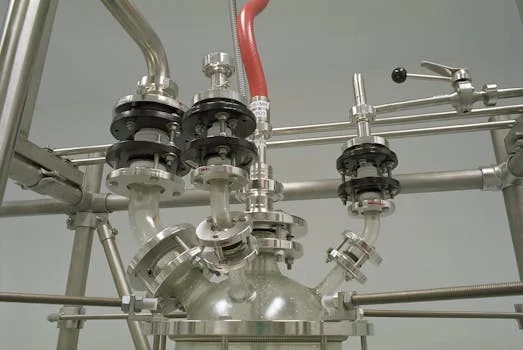
Selecting the optimal sewage treatment technology for a Utrecht facility depends on the influent Chemical Oxygen Demand (COD) concentrations and the physical footprint available within industrial zones like Lage Weide or Oudenrijn. A structured decision framework allows engineers to match the technology to the specific contaminant profile of their wastewater stream.
- Is influent COD > 1,500 mg/L? If yes, consider anaerobic systems to generate biogas and reduce sludge production, followed by an aerobic polishing stage.
- Is space limited (< 100 m²)? A compact MBR system for space-constrained Utrecht facilities is the preferred choice, offering a 60% footprint reduction compared to conventional activated sludge systems (HydropureWater MBR specs, 2025).
- Is FOG or TSS the primary concern? Food processing facilities with high oil content (e.g., snack production or industrial kitchens) should utilize a DAF system. The HydropureWater DAF line, for example, achieves up to 99% oil and grease removal, preventing the clogging of municipal sewers.
- Is the goal water reuse? If the facility intends to reuse effluent for cooling towers or process water, MBR technology provides reuse-quality effluent with filtration levels below 1 μm.
Environmental conditions in the Netherlands also play a role in technology selection. Cold winters, where temperatures fluctuate between 0°C and 5°C, can significantly inhibit biological activity in uninsulated tanks. Utrecht facilities should opt for insulated stainless steel tanks or heated anaerobic digesters to maintain consistent microbial performance. For heavy metal removal in plating or electronics manufacturing, a combination of chemical precipitation and lamella clarifiers remains the industry standard, though this requires a larger footprint than membrane-based solutions. A detailed cost comparison between DAF and sedimentation for industrial wastewater treatment can help determine the long-term ROI of these competing approaches.
Cost Breakdown: Sewage Treatment Equipment in Utrecht (2025 Data)
Capital expenditure for industrial sewage treatment systems in Utrecht typically ranges from €150,000 for standard DAF units to over €2.5 million for high-capacity MBR plants, excluding civil works and VAT. Budgeting accurately requires an understanding of the technology-specific price drivers and the associated "soft costs" of Dutch permitting and installation.
| Technology Type | Capacity Range | Estimated Total Cost (€) | Primary Cost Drivers |
|---|---|---|---|
| DAF System | 4 – 50 m³/h | €80,000 – €300,000 | Pump efficiency, polymer dosing units |
| MBR System | 10 – 200 m³/day | €250,000 – €1,200,000 | Membrane material, PLC automation |
| Underground WSZ Plant | 1 – 80 m³/h | €150,000 – €500,000 | Excavation, reinforced tank housing |
| Anaerobic Digester | 20 – 100 m³/h | €800,000 – €3,000,000 | Biogas handling, heat exchangers |
In the Dutch market, the total project budget is generally distributed as follows: Equipment (60%), Installation (20%), Civil Works (15%), and Commissioning/Permitting (5%). The Netherlands applies a 21% VAT rate, though businesses can typically reclaim this. Environmental permits in Utrecht generally cost between €5,000 and €20,000 depending on the complexity of the discharge profile. To offset these high initial costs, Utrecht buyers should investigate the DEI+ (Demonstratie Energie- en Klimaatinnovatie) scheme. This Dutch government grant can cover 30–50% of the investment costs for systems that significantly improve energy efficiency or facilitate water circularity.
Step-by-Step Supplier Selection Checklist for Utrecht Buyers
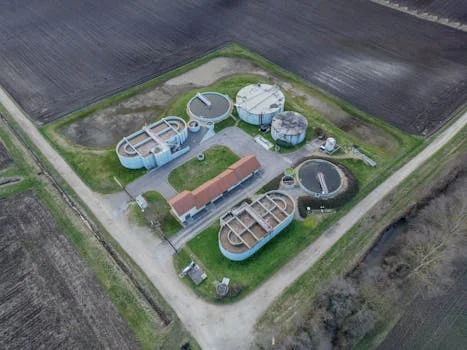
A rigorous supplier evaluation process in the Dutch market must prioritize local service availability and proven compliance with the Dutch Environmental Management Act to mitigate long-term operational risks. Use the following checklist to vet potential partners for your Utrecht project:
- Local Service Presence: Does the supplier have a dedicated service team based within 100km of Utrecht for 24-hour emergency response?
- Regulatory Approval: Can the supplier provide written confirmation of approval from the Hoogheemraadschap De Stichtse Rijnlanden for their specific technology in your industry?
- Warranty Terms: Do they offer at least a 3-year warranty on critical components like MBR membranes or DAF aeration pumps?
- Remote Monitoring: Is the system equipped with a PLC that allows for remote monitoring and cloud-based troubleshooting?
- Pilot Testing: Will the supplier conduct a pilot test using your actual facility's wastewater to validate COD and TSS removal rates?
- Energy Benchmarking: Can the supplier provide a guaranteed energy consumption figure (kWh/m³) based on Dutch energy costs?
- Reference Check: Have you visited at least one operational site in the Netherlands where this equipment has been running for more than 2 years?
- Financial Incentives: Does the supplier assist with the technical documentation required for DEI+ or MIA/VAMIL tax relief applications?
Red Flags to Avoid: Be cautious of suppliers who cannot provide a detailed mass balance for your specific wastewater profile or those who refuse to disclose the origin of their membrane modules. In Utrecht’s strict regulatory climate, "black box" solutions often lead to permit violations and costly retrofits.
Frequently Asked Questions
What is the difference between STP and WWTP?
An STP (Sewage Treatment Plant) primarily treats domestic waste (toilets, sinks) using biological processes. A WWTP (Wast