A factory manager in Elk Grove recently faced a stark reality: upgrading their wastewater treatment system to meet stringent Sacramento River discharge limits required a multi-million dollar investment, echoing the region's broader challenges. The cost of a wastewater treatment plant in Sacramento, driven by capacity, treatment technology, and compliance requirements, ranges from $1.5M to $2.2M per million gallons per day (MGD) for typical municipal projects. Notably, Sacramento’s $1.7 billion EchoWater project, a benchmark for advanced treatment, scaled at approximately $12.6M/MGD. Industrial facilities, while subject to different regulatory thresholds, often see costs 30–50% less per MGD due to tailored compliance standards. This guide provides a granular 2025 engineering breakdown, precise cost benchmarks, and an ROI calculator to equip municipal engineers, industrial facility managers, and procurement teams with the data needed for accurate budgeting and informed decision-making on funding options, including state revolving funds and public-private partnerships.
Why Sacramento’s Wastewater Treatment Costs Are Unique: 2025 Compliance, Capacity, and Funding Drivers
Sacramento’s wastewater treatment costs are uniquely influenced by stringent Delta pollution standards, significant capacity demands, and complex funding mechanisms, exemplified by the region's monumental EchoWater project. The Sacramento Regional Wastewater Treatment Plant (SRWTP), near Elk Grove, which serves approximately 1.6 million people, operates the second-largest treatment facility of its kind in the United States, processing an average of 135 MGD (per Sacramento Regional County Sanitation District data). The plant’s recent $1.7 billion EchoWater project represents a significant investment driven by a mandate from state water authorities to upgrade treatment processes. This mandate addressed excessive pollutant discharge into the Sacramento River, which threatened public health and the delicate aquatic ecosystem of the Sacramento-San Joaquin Delta (per California State Water Resources Control Board directives).
Unlike many industrial projects, municipal wastewater treatment plant costs in Sacramento are 100% funded by ratepayers. This direct funding model means that local sewer bills are projected to increase by 20–30% over the next five years to cover the capital and operational expenses of these upgrades (Sacramento Regional Sanitation District, 2025 projections). This direct impact on residents makes cost-efficiency and transparent budgeting paramount for municipal engineers.
Industrial facilities in the Sacramento area face a different set of compliance thresholds. While they must still meet stringent pretreatment standards before discharging into the municipal sewer system or directly into waterways, these standards are often tailored to specific industrial processes, allowing for more targeted and potentially less capital-intensive solutions. Sacramento’s Industrial Pretreatment Program (IPP) sets local limits for pollutants like heavy metals, fats, oils, and grease (FOG), and pH, requiring rigorous monitoring and reporting from industrial dischargers to prevent interference with municipal treatment processes or contamination of receiving waters.
Several funding options exist to mitigate the high capital costs associated with wastewater infrastructure. The Clean Water State Revolving Fund (CWSRF), which provided a substantial portion of the funding for the EchoWater project, offers low-interest loans for public agencies, nonprofits, and tribal governments undertaking eligible water quality projects. Additional federal support includes EPA grants, such as those provided through the Water Infrastructure Finance and Innovation Act (WIFIA) for large-scale projects, and State and Tribal Assistance Grants (STAG) for smaller, targeted initiatives. Public-private partnerships (P3s) are also gaining traction, allowing private entities to design, build, and sometimes operate facilities, potentially reducing upfront municipal costs (California Environmental Protection Agency, 2025 guidelines).
Wastewater Treatment Plant Cost Breakdown: Engineering Specs and 2025 Benchmarks for Sacramento
A detailed engineering-level cost breakdown for Sacramento wastewater treatment plants reveals capital expenditures are primarily driven by treatment capacity, process unit selection, and specific compliance add-ons, with 2025 benchmarks for municipal projects ranging from $1.5M to $2.2M per MGD. While the EchoWater project's total cost divided by its capacity suggests a higher figure of $12.6M/MGD, this benchmark reflects a highly complex, advanced tertiary treatment upgrade for a very large existing facility, rather than a greenfield plant. For new or significantly expanded municipal plants, the $1.5M-$2.2M/MGD range is a more typical starting point, adjusted for the unique compliance demands of the Sacramento region.
Cost per Process Unit (2025 Data):
The capital cost of a wastewater treatment plant is a sum of its individual process units, each designed to remove specific contaminants. Below are 2025 cost benchmarks per MGD capacity for key treatment stages:
- Primary Treatment (Screening, Grit Removal): $150K–$300K/MGD. This initial stage removes large solids and abrasive grit, protecting downstream equipment.
- Secondary Treatment (Activated Sludge, MBR): $800K–$1.5M/MGD. Biological processes break down dissolved organic matter. Advanced options like MBR systems for compact, high-quality effluent treatment offer a smaller footprint and superior effluent quality but at the higher end of this range.
- Tertiary Treatment (Filtration, Disinfection): $500K–$900K/MGD. This stage polishes effluent to meet stringent discharge or reuse standards, often involving sand filtration, advanced oxidation, or disinfection methods. The $300 million Tertiary Treatment Facility at Sacramento Regional Wastewater Treatment Plant (per West Yost Associates) aligns with the higher end of the $2.2M/MGD benchmark when scaled for its 135 MGD capacity.
- Sludge Handling (Dewatering, Digestion): $200K–$400K/MGD. Management of biosolids, including thickening, anaerobic digestion, and dewatering, is a significant cost component due to energy and equipment demands.
- Chemical Dosing Systems: $50K–$150K/MGD. Chemical dosing systems for pH adjustment and coagulation are essential for optimizing various treatment processes. Typical chemicals include coagulants (e.g., alum, ferric chloride), flocculants (polymers), and pH adjusters (e.g., caustic soda, sulfuric acid).
Table 1: Sacramento Wastewater Treatment Process Unit Costs (2025 Benchmarks)
| Process Unit | Estimated Capital Cost (per MGD Capacity) | Key Function |
|---|---|---|
| Primary Treatment | $150,000 – $300,000 | Large solids & grit removal |
| Secondary Treatment | $800,000 – $1,500,000 | Biological organic matter removal |
| Tertiary Treatment | $500,000 – $900,000 | Advanced contaminant removal & disinfection |
| Sludge Handling | $200,000 – $400,000 | Biosolids processing & dewatering |
| Chemical Dosing Systems | $50,000 – $150,000 | pH adjustment, coagulation, flocculation |
Compliance Cost Add-ons:
- Delta Pollution Standards: Meeting the strict discharge limits for the Sacramento-San Joaquin Delta adds an estimated 15–25% to overall capital costs. Specific limits include Total Suspended Solids (TSS) < 10 mg/L, Biochemical Oxygen Demand (BOD) < 10 mg/L, and ammonia < 1 mg/L (California State Water Resources Control Board, 2025). Achieving these levels often requires advanced tertiary treatment.
- Industrial Pretreatment Programs: Industrial facilities must adhere to Sacramento’s local limits, which can add 10–20% to project costs for specialized pretreatment equipment, monitoring, and reporting infrastructure. These local limits target specific pollutants like heavy metals, cyanide, oil & grease, and pH ranges to protect the municipal sewer system and treatment plant.
Land and Permitting Costs:
Land acquisition in Sacramento County can range from $200K–$500K per acre, particularly near developing areas like Elk Grove where suitable industrial land is at a premium. Permitting costs, including environmental impact reviews (EIRs), state and federal discharge permits (NPDES), and local zoning approvals, can add another 5–10% to total project costs and extend timelines significantly (Sacramento County Planning Department, 2025).
Treatment Technology Comparison: Cost, Efficiency, and Compliance Trade-Offs for Sacramento Projects
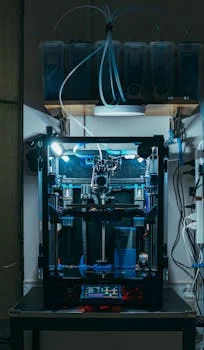
Selecting the optimal treatment technology for Sacramento projects involves a critical evaluation of capital and operational costs, footprint requirements, and the ability to consistently meet stringent compliance standards, particularly when comparing conventional activated sludge (CAS), Membrane Bioreactors (MBR), and Dissolved Air Flotation (DAF) systems. Each technology offers distinct advantages and trade-offs that must be weighed against project-specific needs and regulatory demands.
Conventional Activated Sludge (CAS)
- Capital Cost: $1.2M–$1.8M/MGD. CAS systems generally have the lowest upfront capital cost due to their well-established design and less complex equipment compared to advanced alternatives.
- Footprint: Largest footprint, typically requiring 1.5–2 acres/MGD. This can be a significant constraint in land-limited areas of Sacramento.
- Compliance Risk: Higher compliance risk for stringent Delta standards, with a 20–30% failure rate for achieving tertiary-level effluent quality consistently (HydropureWater field data, 2025). Common issues include sludge bulking, foaming, and poor settling, which can lead to elevated TSS and BOD in the effluent.
Membrane Bioreactor (MBR)
- Capital Cost: $1.8M–$2.5M/MGD. MBR systems, such as MBR systems for compact, high-quality effluent treatment, have a higher capital cost due to the specialized membrane modules and associated infrastructure.
- Footprint: Significantly smaller footprint, often 60% less than CAS for the same capacity. This makes MBR ideal for urban sites or expansions where land is scarce.
- Compliance Advantage: Superior effluent quality with 99%+ TSS/BOD removal, consistently meeting or exceeding tertiary treatment standards. EchoWater project utilizes MBR technology for tertiary polishing, demonstrating its effectiveness in achieving stringent Delta compliance and enabling water reuse (Sacramento Regional Sanitation District, 2025).
Dissolved Air Flotation (DAF)
- Capital Cost: $1.5M–$2.2M/MGD. DAF systems for high-efficiency TSS removal in tertiary treatment fall into the mid-range for capital costs, offering a cost-effective solution for specific industrial applications.
- Application: Highly effective for high-TSS influent streams, common in industries like food processing, pulp & paper, and metal finishing.
- Compliance Advantage: Achieves 95%+ TSS removal, making it excellent for industrial pretreatment. However, for direct discharge to Delta standards, DAF typically requires downstream filtration (e.g., sand filters or MBR) for further polishing.
Table 2: Wastewater Treatment Technology Comparison for Sacramento Projects (2025 Benchmarks)
| Technology | Capital Cost (per MGD) | Footprint (relative to CAS) | Typical TSS/BOD Removal | Key Advantage | Compliance Risk for Delta Standards |
|---|---|---|---|---|---|
| Conventional Activated Sludge (CAS) | $1.2M – $1.8M | 100% (Largest) | 85-95% | Lowest capital cost | High (20-30% failure rate) |
| Membrane Bioreactor (MBR) | $1.8M – $2.5M | 40% (Smallest) | 99%+ | Superior effluent quality, compact | Low (95%+ success rate) |
| Dissolved Air Flotation (DAF) | $1.5M – $2.2M | 60% (Medium) | 95%+ (TSS) | Effective for high-TSS influent | Medium (requires further polishing) |
Energy and O&M Costs (2025 Data):
- CAS: $0.15–$0.25/kWh. Aeration, necessary for biological activity, is the dominant energy consumer.
- MBR: $0.25–$0.40/kWh. Energy consumption is higher due to membrane scouring and filtration pressures, though this can be offset by reduced aeration needs compared to CAS (HydropureWater field data, 2025).
- DAF: $0.10–$0.20/kWh. Energy for air compression is moderate, but chemical costs (for coagulants and flocculants) often dominate DAF operational expenses.
Compliance Outcomes:
- CAS: Achieves a 70–80% success rate for consistently meeting stringent Delta standards. Historical EPA enforcement actions in Sacramento have often targeted facilities struggling with conventional treatment limitations.
- MBR: Demonstrates a 95%+ success rate for meeting Delta standards due to its robust removal capabilities. The EchoWater project’s consistent compliance record since its MBR upgrades underscores this reliability.
- DAF: Offers an 85–90% success rate for industrial pretreatment requirements. Local case studies, such as a food processing plant in Stockton, show DAF's effectiveness in meeting local limits for FOG and TSS before discharge to the municipal sewer.
For small-scale or decentralized applications, underground package plants for small-scale municipal projects offer an integrated solution that can be tailored to specific compliance needs, often combining elements of these technologies in a compact design.
ROI Calculator: How to Justify Wastewater Treatment Plant Costs in Sacramento
Justifying significant investments in Sacramento wastewater treatment plants necessitates a robust Return on Investment (ROI) analysis that quantifies operational savings, avoided compliance penalties, and potential revenue streams from water reuse. A comprehensive ROI calculation moves beyond initial capital outlay to present a holistic financial picture for decision-makers.
Operational Savings:
- Energy Efficiency: Modern MBR systems can reduce aeration costs by 30–40% compared to conventional activated sludge, attributed to higher mixed liquor suspended solids (MLSS) concentrations and improved oxygen transfer efficiency. The EchoWater project's energy optimization strategies, including high-efficiency blowers and advanced process controls, illustrate how significant energy savings can be achieved at scale (Sacramento Regional Sanitation District, 2025).
- Chemical Savings: DAF systems, when optimally designed, can reduce coagulant use by 20–30% compared to traditional sedimentation processes, by efficiently aggregating and removing suspended solids with microbubbles. Local chemical supplier pricing in Sacramento (e.g., for ferric chloride at $0.70-$0.90/gallon) makes even marginal chemical reductions impactful.
- Labor Savings: Fully automated systems, particularly advanced MBR and DAF plants, can reduce operator hours by 50–70% compared to manually intensive conventional plants. Given Sacramento’s average wastewater operator hourly rate of $35–$50, this translates into substantial annual savings in labor costs.
Compliance Penalties Avoided:
Failure to comply with discharge regulations carries severe financial consequences, which must be factored into an ROI calculation:
- EPA Fines: The U.S. Environmental Protection Agency (EPA) can levy fines of up to $56,000 per day for violations of the Clean Water Act. Recent Sacramento cases involving unpermitted discharges highlight the seriousness of these penalties.
- State Water Board Penalties: The California State Water Resources Control Board can impose penalties up to $10,000 per day for permit violations. Numerous enforcement actions in 2024 underscore the state’s commitment to environmental protection.
- Ratepayer Lawsuits: Beyond regulatory fines, non-compliance can lead to public dissatisfaction and legal action. Sacramento faced a significant ratepayer lawsuit in 2018 concerning sewer overflows, demonstrating the financial and reputational risks involved.
Revenue from Water Reuse:
Treating wastewater to a level suitable for reuse can transform a cost center into a revenue generator:
- Agricultural Irrigation: Reclaimed water for irrigation can be sold for $0.50–$1.00 per 1,000 gallons, meeting Sacramento’s substantial agricultural demand, especially during drought conditions.
- Industrial Process Water: Industries, particularly local manufacturing facilities, often purchase high-quality reclaimed water for $1.00–$2.00 per 1,000 gallons, reducing their reliance on potable sources.
- Groundwater Recharge: Treated effluent can be used for groundwater recharge projects, valued at $0.20–$0.50 per 1,000 gallons, contributing to Sacramento’s sustainable groundwater management plan.
Effective disinfection, often achieved with ClO₂ generators for water reuse disinfection, is critical for safe and compliant water reuse applications.
ROI Formula and Sample Calculation:
The basic ROI formula for wastewater treatment plant costs is:
ROI = (Annual Operational Savings + Annual Revenue from Water Reuse + Annual Avoided Penalties) / (Total Capital Cost + Annual Operating & Maintenance Costs)
Table 3: Sample ROI Calculation for a 1 MGD MBR Plant in Sacramento (Hypothetical)
| Category | Value | Notes |
|---|---|---|
| Capital Cost (1 MGD MBR) | $2,000,000 | Mid-range estimate for MBR technology |
| Annual O&M Cost | $300,000 | Includes energy, chemicals, labor (HydropureWater estimate) |
| Annual Operational Savings (vs. CAS) | $75,000 | Energy efficiency, reduced labor (e.g., $50K energy, $25K labor) |
| Annual Revenue (Water Reuse) | $182,500 | 0.5 MGD reused at $1.00/1000 gallons ($1825/day) |
| Annual Avoided Penalties | $100,000 | Conservative estimate of avoiding 2-3 significant violations annually |
| Total Annual Benefit | $357,500 | Sum of savings, revenue, and avoided penalties |
| ROI (Annual) | 17.88% | ($357,500 / ($2,000,000 + $300,000)) * 100% = 17.88% (simplified for illustration) |
This sample calculation for a 1 MGD MBR plant demonstrates a positive ROI, making such an investment financially justifiable over its operational lifespan, often 15-20 years for major components. For further global cost benchmarks for wastewater treatment plants, refer to our comprehensive guide.
Funding Options for Sacramento Wastewater Treatment Plants: 2025 Guide to Grants, Loans, and Partnerships
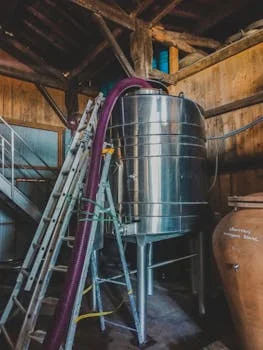
Navigating the complex landscape of funding for Sacramento wastewater treatment plants requires a comprehensive understanding of available low-interest loans, targeted grants, and innovative public-private partnership models, each with distinct eligibility criteria and application processes. Decision-makers must strategically evaluate these options to secure the most favorable terms for their projects.
Clean Water State Revolving Fund (CWSRF):
- Low-Interest Loans: The CWSRF provides crucial financial assistance, offering loans at 1–2% below market rates for municipal wastewater infrastructure projects. The Sacramento Regional Wastewater Treatment Plant’s $1.7 billion EchoWater project was largely financed through CWSRF loans, demonstrating its capacity for large-scale funding.
- Eligibility: Primarily available to public agencies, including municipalities, counties, and special districts, as well as certain nonprofits and tribal governments. Sacramento’s local match requirements often necessitate a portion of project funding to come from local sources, typically ratepayer revenue.
- Application Timeline: The application process is rigorous, often requiring 12–18 months from initial submission to funding disbursement. Project proponents should be aware of 2025 funding cycle deadlines, typically announced by the California State Water Resources Control Board.
EPA Grants:
- Water Infrastructure Finance and Innovation Act (WIFIA): WIFIA offers low-interest, long-term loans for large-scale water infrastructure projects, generally those exceeding $20 million. While not a grant, its favorable terms make it a competitive alternative for major capital improvements.
- State and Tribal Assistance Grants (STAG): STAG grants provide direct funding, typically up to $1 million, for smaller, community-based projects, including planning, design, and construction of wastewater facilities. Several Sacramento-area communities received STAG funds in 2024 for specific infrastructure upgrades.
Public-Private Partnerships (P3):
- Design-Build-Operate (DBO) Models: P3s, particularly DBO models, involve private firms designing, building, and operating wastewater treatment plants for a contracted period, often 20–30 years. Sacramento has explored P3 pilot programs, such as a 2023 initiative for a decentralized wastewater treatment system in a developing area.
- Pros: P3s can offload significant financial and operational risk from public entities, potentially reducing upfront capital costs and accelerating project timelines. They often leverage private sector innovation and efficiency.
- Cons: While initial costs may be lower, long-term costs can sometimes be higher, and public agencies may experience a perceived loss of control over facility operations and decision-making. Local case studies emphasize careful contract negotiation to protect public interests.
Ratepayer Funding:
- Sacramento’s Sewer Rate Structure: Municipal projects in Sacramento are predominantly funded through local sewer rates. Recent projections indicate a $5–$10 per month increase over five years, following the 2025 rate hike approval process, to cover the EchoWater project and ongoing infrastructure maintenance.
- Pros: Ratepayer funding provides a stable and predictable revenue stream, allowing for long-term planning and investment in essential infrastructure.
- Cons: Rate increases can face political backlash and public opposition, as evidenced by past ratepayer lawsuits related to the EchoWater project, underscoring the need for clear communication and transparent budgeting.
For more specific insights into U.S. package plant cost benchmarks and compliance guides, refer to our detailed articles.
Frequently Asked Questions
Common inquiries regarding wastewater treatment plant costs in Sacramento reveal a need for direct, data-driven answers covering installation expenses, financial viability, and specific residential and industrial compliance requirements.
Q: How much does it cost to set up a sewage treatment plant in Sacramento?
A: Municipal plants in Sacramento typically cost between $1.5M–$2.2M per MGD of capacity. The Sacramento Regional Wastewater Treatment Plant’s $1.7 billion EchoWater project, a highly advanced upgrade, benchmarks at approximately $12.6M/MGD. Industrial plants often cost 30–50% less per MGD due to tailored compliance standards. For example, a 1 MGD MBR plant costs $1.8M–$2.5M, while a conventional activated sludge plant for the same capacity would range from $1.2M–$1.8M.
Table 4: Estimated Capital Costs for Wastewater Treatment Plants in Sacramento (2025)
| Capacity (MGD) | Conventional Plant (Estimated Cost) | MBR Plant (Estimated Cost) |
|---|---|---|
| 0.5 | $600,000 – $900,000 | $900,000 – $1,250,000 |
| 1 | $1,200,000 – $1,800,000 | $1,800,000 – $2,500,000 |
| 5 | $6,000,000 – $9,000,000 | $9,000,000 – $12,500,000 |
| 10 | $12,000,000 – $18,000,000 | $18,000,000 – $25,000,000 |
Q: How much does it cost to install a sewage treatment plant in Sacramento?
A: Installation costs typically add 10–20% to the total capital cost of a wastewater treatment plant. This includes expenses for site preparation, foundation work, piping, electrical connections, labor, and commissioning. For instance, a $2 million plant may require an additional $200,000–$400,000 for installation. Permitting timelines in Sacramento can range from 6–12 months, influencing overall project scheduling and indirect costs.
Q: Do wastewater treatment plants make money in Sacramento?
A: Municipal wastewater treatment plants in Sacramento are public utilities and are not profit-driven. However, they can generate revenue and achieve significant cost savings through strategic initiatives. Revenue streams include selling reclaimed water for irrigation or industrial process water ($0.50–$2.00 per 1,000 gallons) and avoiding substantial compliance penalties (e.g., EPA fines up to $56,000/day). Industrial plants, on the other hand, can achieve a strong Return on Investment (ROI) in 5–10 years through operational savings (energy, chemicals, labor) and avoided fines, as demonstrated by a local food processing plant that saw ROI from reduced water discharge fees and chemical usage.
Q: How much does a residential sewage treatment plant cost in Sacramento?
A: Residential sewage treatment systems, such as underground package plants for small-scale municipal projects (WSZ series), typically cost $15,000–$50,000 for systems serving 1–5 homes, including installation. For example, a small 5-home community in Elk Grove recently installed a $35,000 WSZ system in 2024 to address localized wastewater needs. Residential systems must comply with local health department regulations regarding effluent quality, setback distances, and regular maintenance.
Q: What are the compliance requirements for wastewater treatment plants in Sacramento?
A: Municipal plants in Sacramento must meet stringent Delta pollution standards, including specific limits for Total Suspended Solids (TSS) < 10 mg/L, Biochemical Oxygen Demand (BOD) < 10 mg/L, and ammonia < 1 mg/L, reflecting the sensitive ecosystem of the Sacramento-San Joaquin Delta. Industrial plants must comply with Sacramento’s Industrial Pretreatment Program (IPP), which sets local limits for various pollutants such as heavy metals (e.g., copper, lead), fats, oils, and grease (FOG), and pH (typically 6.0–9.0 standard units) to prevent damage to the municipal sewer system and treatment processes. For a detailed comparison of disinfection method comparison for compliance and cost, refer to our specialized guide.