

Why Domestic Sewage Treatment in Huambo Needs a Different Playbook
Angola's domestic wastewater discharge volume is rising, but the country maintains low centralized treatment-facility coverage, requiring most new capacity to be added through decentralized systems rather than trunk sewers (Liding Angola market analysis, 2025). Huambo sits on the central plateau at roughly 1,700 m elevation, with cooler nights, a distinct dry season, and seasonal water stress that affect both hydraulic peaking and biological kinetics. Grid power in peri-urban Huambo districts is intermittent; treatment trains must tolerate long idle periods and resume operation without operator intervention. Angola is tightening environmental regulations and discharge standards, pushing decentralized technology toward higher effluent quality (Liding Angola market analysis, 2025).
For this article, "domestic sewage" means blackwater plus greywater from households, worker housing, schools, hospitals, hotels, and similar non-industrial sites — the scope used in US EPA municipal wastewater guidance (US EPA, NPDES). The scope of the article is decentralized package-plant-scale systems sized between roughly 10 m³/day and a few hundred m³/day, which covers the typical Huambo residential, institutional, and small-community use case. A general "wastewater in Angola" answer misses the highland-climate and weak-grid specifics that decide whether a unit actually runs six months after handover.
What 'Domestic Sewage' Looks Like in Huambo: Influent and Flow Profile
Typical domestic sewage characteristics in the supplied research include high BOD/COD, ammonia nitrogen, and suspended solids. Liding's AOO+MBBR train is specified to remove COD, BOD, ammonia nitrogen, and other pollutants to international discharge or reuse standards (Liding Angola market analysis, 2025). US EPA notes that sanitary sewers — separate from stormwater — are the modern standard, and that infiltration and inflow during wet weather can dramatically increase flow at the treatment plant and cause sanitary sewer overflows — a design issue that applies even to small Huambo catchments (US EPA, NPDES). Huambo's wet-season peak factor for residential flows must be confirmed locally; a screening value of 2–3× average dry-weather flow is a typical engineering assumption for separate sanitary systems in developing contexts. Per-capita sewage generation for highland Angola is not specified in the supplied research; measure or request the local water-utility figure rather than rely on generic global defaults. Effluent targets for Huambo projects will normally be set by the Angolan environmental authority; Liding cites "international discharge standards" as the design benchmark where local limits are not formally adopted (Liding Angola market analysis, 2025).
| Design input | What the research supports | Buyer action |
|---|---|---|
| Pollutant load | High BOD/COD, ammonia, TSS; removal to "international discharge or reuse standards" (Liding, 2025) | Run composite sampling on the actual Huambo catchment; do not size to factory test water |
| Peak wet-weather factor | I/I can dramatically increase plant flow and trigger SSOs (US EPA, NPDES) | Confirm 2–3× ADWF locally; size equalization accordingly |
| Per-capita sewage flow | Not specified in supplied research | Request Huambo or provincial water-utility figure before sizing |
| Effluent target | "International discharge standards" cited where local limits are not formally adopted (Liding, 2025) | Confirm current limit with the Angolan environmental authority |
Process Options That Fit Huambo: A/O, MBBR, MBR, Vermifiltration
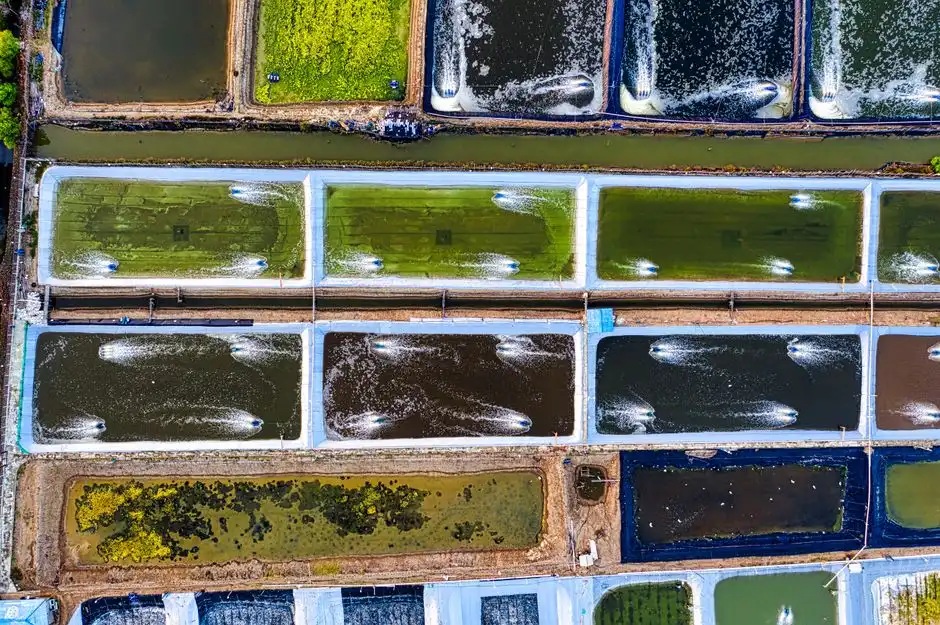
Four process trains realistically fit a Huambo package-plant scope: A/O biological contact oxidation, AOO+MBBR "Johkasou" style, MBR, and vermifiltration. The A/O package combines anoxic/aerobic contact oxidation with sedimentation and disinfection in a single buried unit, rated 1–80 m³/h, fully automated, no operator required, with buried or trailer-mounted installation (HydropureWater WSZ datasheet). The AOO+MBBR Johkasou is modular, buried, and decentralized, uses high-efficiency biological fillers to handle flow and load fluctuations, runs on an energy-saving aeration system, and is remote-monitored with corrosion- and high-temperature-resistant construction (Liding Angola market analysis, 2025).
The HydropureWater MBR membrane bioreactor system adds submerged PVDF membranes at <1 μm to activated sludge, claims a 60% footprint reduction versus conventional plants, covers 10–2,000 m³/day, and targets near-reuse effluent. The DF series flat-sheet MBR module adds an integrated aeration box and is individually replaceable, with claimed 10–20× lower energy consumption than external cross-flow designs. Vermifiltration combines filtration with earthworms, is described in the IntechOpen chapter as efficient, low-expertise, and decentralized, and has been validated against Zimbabwe's EMA Statutory Instrument limits — relevant for very small or pilot Huambo sites where operator skill is limited (IntechOpen, 2021). Choosing between these technologies requires matching the specific load profile of the Huambo site against the maintenance capacity of the local operator.
| Process | Capacity range (research) | Footprint & power | Operator skill | Best fit in Huambo |
|---|---|---|---|---|
| A/O package (WSZ) | 1–80 m³/h (HydropureWater WSZ) | Buried; fully automated, no operator | Low | Standard residential, hotels, hospitals |
| AOO+MBBR Johkasou | Flexible, different scales (Liding, 2025) | Buried modular; energy-saving aeration, remote monitoring | Low–medium | Fluctuating loads, communities, schools |
| MBR (submerged PVDF) | 10–2,000 m³/day (HydropureWater MBR) | 60% footprint reduction; continuous aeration for membrane scouring | Medium | Water-reuse sites, tight footprints |
| Vermifiltration | Validated against Zimbabwe EMA limits (IntechOpen, 2021) | Land-based; very low energy | Low | Small or pilot Huambo sites only |
Designing for Huambo's Highland Climate and Weak Grid
Liding specifies corrosion- and high-temperature-resistant construction for Angola's tropical climate; for Huambo's cooler plateau nights the same material spec is conservative and appropriate (Liding Angola market analysis, 2025). Buried installation minimizes land take, buffers temperature swings, and keeps the unit out of direct sun — a real advantage on the highland plateau (HydropureWater WSZ datasheet; Liding Angola market analysis, 2025). On power, the WSZ underground package sewage treatment plant is fully automated with no operator required, and the MBBR Johkasou uses an energy-saving aeration system, both of which matter under intermittent grid; MBR adds a continuous aeration load for membrane scouring that must be sized against the available generator or solar buffer (HydropureWater WSZ datasheet; Liding Angola market analysis, 2025).
Modular capacity is built in: AOO+MBBR systems are described as flexibly sized to "different scales" of local need, supporting phased build-out as a Huambo housing or institutional project grows (Liding Angola market analysis, 2025). Any biological train produces waste activated sludge; downstream dewatering should be planned at the same time as the main reactor — for example with a HydropureWater plate and frame filter press — not after commissioning. A buried package plant without a sludge plan becomes an operational problem within months, especially in a highland climate where digester biology slows in cooler months.
From Screening to Selection: A Huambo-Specific Decision Framework
Step 1 — define the duty: average and peak flow, influent load, required effluent class (discharge vs reuse), available footprint, and power budget. Step 2 — match the train: A/O package for straightforward discharge duty in the 1–80 m³/h range; AOO+MBBR for fluctuating loads and stronger effluent quality; MBR when reuse is the goal or space is tight (60% footprint reduction per HydropureWater MBR datasheet); vermifiltration only for very small or low-skill sites (IntechOpen, 2021). Step 3 — climate and site checks: buried installation, remote monitoring, automated restart after power loss, and corrosion-resistant materials — all documented advantages of the Liding Johkasou for Angola (Liding Angola market analysis, 2025). Step 4 — compliance and operability: confirm current Angolan discharge limits with the local authority; verify that the chosen unit can meet them with the actual Huambo influent, not with factory test water. Step 5 — sludge and residuals: include sludge thickening and dewatering in the scope from day one; a buried package plant without a sludge plan becomes an operational problem within months.
| If your site looks like this… | Then the screening answer is… |
|---|---|
| Steady residential load, discharge to drain, <80 m³/h | A/O package (WSZ) |
| Fluctuating school/hospital/worker-housing load, tighter effluent | AOO+MBBR Johkasou |
| Tight footprint, reuse for irrigation or toilet flush | MBR (submerged PVDF, or DF series modules) |
| Pilot or very small site, very low operator skill | Vermifiltration, with EMA-style validation as a local benchmark |
CAPEX, OPEX, and Procurement Reality in Angola
Liding's Angola analysis flags centralized wastewater infrastructure CAPEX as a barrier in Angola and positions decentralized modular systems as the more practical solution — useful framing for a Huambo business case (Liding Angola market analysis, 2025). The OPEX drivers named in the research are low energy consumption, long maintenance intervals, automated and remote-monitored operation, and durable materials suited to tropical climate (Liding Angola market analysis, 2025). The WSZ underground package sewage treatment plant is factory-built and trailer-mountable, which shortens on-site installation time versus field-erected activated-sludge plants (HydropureWater WSZ datasheet).
The supplied research contains no Angolan price list, so request the following line items in any quote rather than assume a number: skid, membranes (if MBR), control panel, installation, commissioning, sludge handling equipment, spare parts, and shipping to Huambo. Lead-time and overland transport to the central highlands should be an explicit procurement line item. For a cross-check on packaging assumptions in a comparable African context, the 2026 packaged sewage treatment plant guide for Kinshasa housing and the 2026 supplier comparison guide for African sewage treatment equipment walk similar procurement steps. For a parallel view on decentralized rural systems, the 2026 decentralized rural sewage treatment guide shows how regulators structure discharge requirements elsewhere in semi-arid highland climates.
Frequently Asked Questions
What influent assumptions should a Huambo engineer use to size a domestic sewage plant?
Use the qualitative profile from the research — high BOD/COD, ammonia nitrogen, and suspended solids, with an AOO+MBBR train sized to remove those pollutants to "international discharge or reuse standards" (Liding Angola market analysis, 2025). For flow, do not size from generic global per-capita defaults: measure or request the Huambo water-utility figure, and confirm a wet-season peak factor locally rather than assuming a value (US EPA, NPDES).
Which technology is the best fit for a Huambo housing block or school in 2026?
For a steady residential or institutional load in the 1–80 m³/h range, the A/O package is the simplest match because it is buried, fully automated, and needs no on-site operator (HydropureWater WSZ datasheet). If the load fluctuates or the effluent target is tighter, move to an AOO+MBBR Johkasou with high-efficiency biological fillers and energy-saving aeration (Liding Angola market analysis, 2025). Pick MBR only when
Frequently Asked Questions
What is the best technology for domestic sewage treatment in Huambo?
For the climatic and topographical conditions of the Angolan highlands, Membrane Bioreactor (MBR) technology is considered the most effective. Given the region's moderate temperatures, MBR systems provide superior effluent quality, consistently achieving Biochemical Oxygen Demand (BOD) levels below 10 mg/L and Total Suspended Solids (TSS) under 5 mg/L, which is critical for protecting local groundwater resources.
How much does a packaged sewage treatment plant cost in Angola in 2026?
As of 2026, the capital expenditure for a modular, containerized sewage treatment plant in Angola ranges between $1,200 and $2,500 USD per cubic meter of daily capacity, depending on the level of automation and material specifications. This estimate excludes import duties, local transport from the port of Lobito to Huambo, and specialized civil works required for installation.
What size of package sewage plant do I need for a housing block in Huambo?
Sizing is calculated based on an average per capita water consumption of 150 liters per day. For a standard housing block, apply a peaking factor of 2.5 to account for morning and evening usage spikes. A building with 50 residents typically requires a system capable of treating 7.5 to 10 cubic meters per day to ensure sufficient hydraulic retention time for effective biological degradation.
Is a decentralized Johkasou system compliant with Angolan discharge standards?
Yes, Johkasou systems are compliant provided they are specified with tertiary treatment stages to meet the Angolan Ministry of Environment guidelines for effluent discharge into surface waters. While standard Johkasou units are highly efficient at primary and secondary treatment, developers must ensure the system includes a final disinfection unit, such as UV or chlorination, to meet local microbiological standards for fecal coliform reduction.
How do I handle sludge from a buried package sewage plant in the Angolan highlands?
Sludge must be extracted via a vacuum truck every 6 to 12 months, depending on the organic loading rate. In the Huambo region, the extracted sludge should be transported to a licensed centralized composting facility or a designated municipal drying bed. Due to the high moisture content of the soil in the highlands, buried tanks must be reinforced with concrete to prevent flotation during the rainy season when the water table rises.