Why a Maiduguri Data Center Treats Blowdown as a Resource, Not Waste
Maiduguri sits on the Lake Chad basin, where source-water conductivity climbs through the dry season and ambient temperatures regularly exceed 40 °C, so cooling-tower evaporation concentrates dissolved solids faster than in temperate climates. Cooling tower blowdown at 4 cycles of concentration is 25–30% of makeup water; for a facility using 10 million gallons monthly that is 2.5–3 million gallons of blowdown per month according to Genesis Water Tech (2026). Direct discharge fees in water-stressed regions reach $5–15 per thousand gallons, so reuse is both a permitting and a financial decision in Borno State. A 100 MW facility can use up to 2 million liters per day, which is why hyperscale planning in the Lake Chad basin must include a closed-loop water plan from day one (IDE Technology, 2026).
Blowdown is the largest non-evaporative water output the hall will produce, making it the cheapest source of high-quality makeup for the operator. Reusing it as tower makeup pushes cycles of concentration higher, cuts raw-water withdrawal from a stressed municipal network, and avoids hauling brine across a city that already runs on intermittent grid power.
The Wastewater Streams a Maiduguri Hall Actually Generates
Cooling tower blowdown is the largest steady stream, containing TDS of 1,200–6,000 mg/L, suspended solids of 10–50 mg/L, and various biocides, scale inhibitors, and corrosion products (Genesis Water Tech, 2026). Glycol-bearing closed loops create a separate fill-and-flush risk during commissioning and maintenance; both ethylene and propylene glycol can starve surface water of oxygen if released (Hobi, 2026). Construction-phase fill-and-flush discharges and equipment wash-down water are episodic but high-strength; the Loudoun Water pretreatment program cited by E&E News is a useful template for what a local utility may require (E&E News, 2026). Humidification bleed-off, chiller purge, and generator coolant water should be inventoried before any RO is sized.
A complete stream map is the prerequisite for sizing the recovery train, because any stream that bypasses the RO ends up in the discharge permit calculation. Maiduguri sites that skip this step typically discover during commissioning that an unaccounted chiller-purge stream pushes their daily discharge above the volume the municipal receiver was designed to accept.
Matching the Treatment Train to Maiduguri Source-Water Chemistry
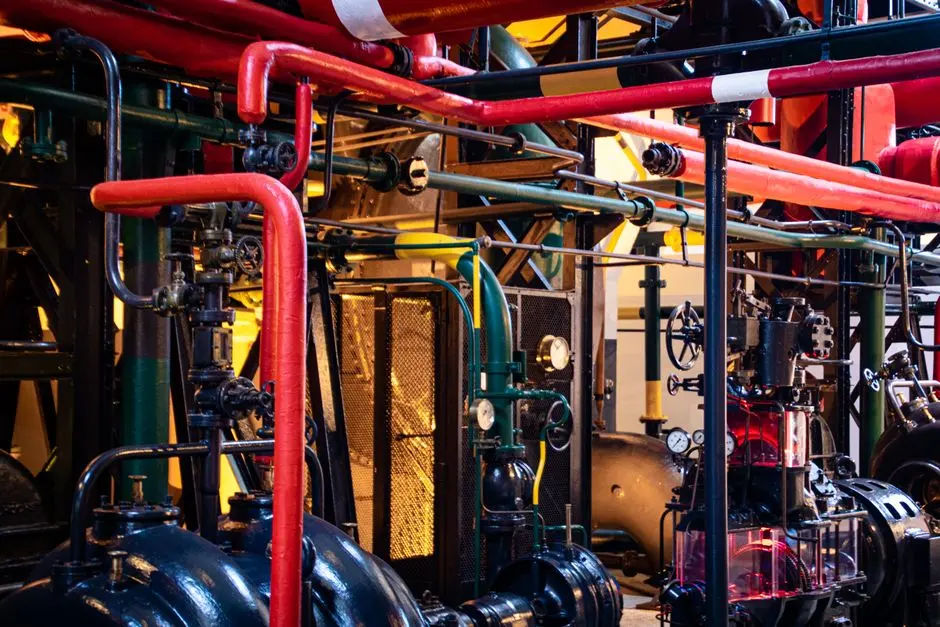
Side-stream filtration at 1–5% of circulation flow knocks suspended solids down to levels downstream RO can tolerate; self-cleaning spiral filters reach 10–25 micron (Genesis Water Tech, 2026). Ultrafiltration (0.01–0.1 micron PVDF, 10–30 psi, 90–95% recovery) removes bacteria, colloids, and SDI load before the high-pressure pump, and an ultrafiltration pretreatment skid sized to blowdown flow is the right starting point. Reverse osmosis provides 95–99% dissolved-solids rejection, permeate of 10–50 mg/L TDS, operating pressure of 150–400 psi, and recovery of 50–85% on CTBD; antiscalant selection is critical in silica-rich Lake Chad water (Genesis Water Tech, 2026). Where reuse is the goal, RO permeate blends with raw makeup to push cycles from 3 to 6, which the U.S. Department of Energy estimates cuts makeup water ~20% and blowdown ~50% (Hobi, 2026).
| Process Stage | Function | Operating Range | Maiduguri-Specific Note |
|---|---|---|---|
| Side-stream filtration | Suspended-solids reduction, biological control | 10–25 micron; 1–5% of circulation flow | Self-cleaning spiral units preferred to avoid backwash waste |
| Ultrafiltration (UF) | SDI, colloid, and bacteria control upstream of RO | 0.01–0.1 micron; 10–30 psi; 90–95% recovery | PVDF membranes tolerate higher Sahel feed temperatures |
| Reverse osmosis (RO) | Dissolved-solids, silica, and hardness removal | 150–400 psi; 50–85% recovery; permeate 10–50 mg/L TDS | Antiscalant must address Lake Chad silica and calcium sulfate |
| Antiscalant / biocide dosing | Membrane protection, biological control | Site-tuned; PLC-controlled | Use a PLC-controlled antiscalant and biocide dosing skid sized to seasonal TDS swings |
| Permeate blending | Cycles-of-concentration push from 3 to 6 | Makeup reduction ~20%; blowdown reduction ~50% | Source: U.S. DOE via Hobi (2026) |
The limiting scaling species in Lake Chad basin water is usually silica or calcium sulfate rather than calcium carbonate. The antiscalant selection and the RO recovery target should be set against an actual feed analysis, not generic brackish-water defaults.
Sizing the Train for a Reference 10 MW Maiduguri Campus
A 10 MW evaporative-cooled hall requires 2,000–2,500 m³/day of makeup, which at 4 cycles of concentration produces 500–750 m³/day of blowdown (extrapolated from Genesis Water Tech, 2026). A side-stream filter sized at 1–5% of circulation flow (~30–80 m³/h) feeds UF; UF then feeds a two-pass RO with antiscalant tuned to Lake Chad silica and calcium sulfate scaling indices. A 50,000 GPD RO skid (about 190 m³/day) is the Genesis Water Tech reference, installed at $250,000–500,000; OPEX is $1.50–3.00 per thousand gallons treated including energy, chemicals, membrane replacement, and maintenance (Genesis Water Tech, 2026). An industrial reverse osmosis system matched to this duty is the central capex line item. Discharge-compliance sizing must include TDS reduction, metals removal, and biocide neutralization, with the cost case built on avoided discharge fees rather than water savings (Genesis Water Tech, 2026). The full compliance picture for Nigerian data center discharge is covered in the 2026 data center discharge compliance guide.
| Parameter | Reference Value | Source |
|---|---|---|
| 10 MW hall makeup water | 2,000–2,500 m³/day | Extrapolated from Genesis Water Tech (2026) |
| Blowdown at 4 cycles of concentration | 500–750 m³/day (25–30% of makeup) | Genesis Water Tech (2026) |
| RO skid reference size | 50,000 GPD (~190 m³/day) | Genesis Water Tech (2026) |
| RO installed CAPEX | $250,000–500,000 | Genesis Water Tech (2026) |
| RO OPEX (energy, chemicals, membranes, maintenance) | $1.50–3.00 per 1,000 gal treated | Genesis Water Tech (2026) |
| Side-stream filter CAPEX | $50,000–200,000 (typical data center range) | Genesis Water Tech (2026) |
| Avoided discharge fees (water-stressed regions) | $5–15 per 1,000 gal | Genesis Water Tech (2026) |
Typical Maiduguri projects hit the $300,000–700,000 capex band for the recovery train before civil works and balance-of-plant are considered. The cost case stands or falls on whether the site can credibly redirect permeate to the cooling-tower makeup header.
When Maiduguri Sites Should Consider High-Recovery or Zero Liquid Discharge
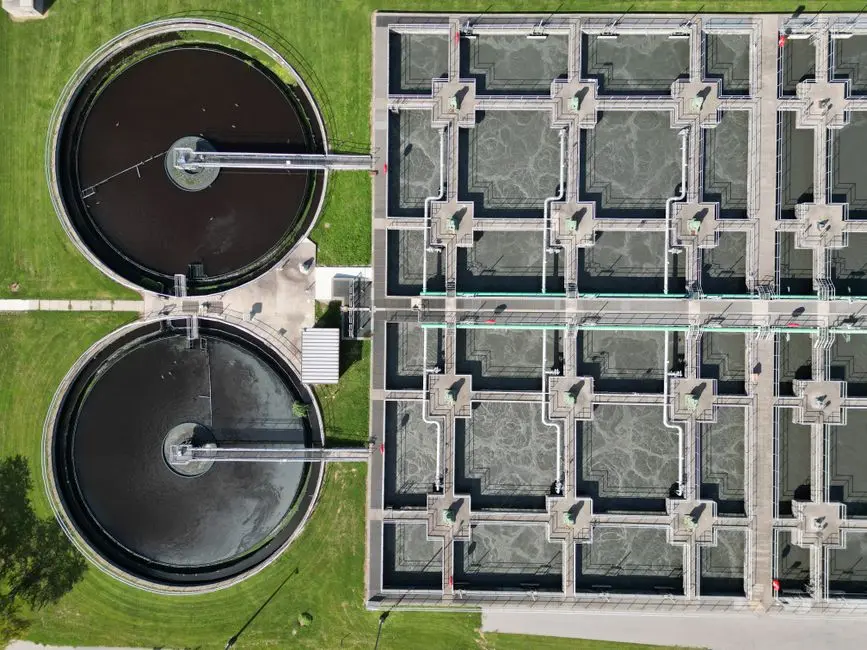
Conventional brackish-water RO plateaus at 75–80% recovery on CTBD before scaling dominates; pushing higher requires a different design philosophy (IDE Technology, 2026). Mechanical vapor compression reaches 95–98% recovery and produces distillate below 10 mg/L TDS, but consumes 15–25 kWh per 1,000 US gallons, which is problematic where Maiduguri grid reliability forces diesel generation (Genesis Water Tech, 2026). Full ZLD combines RO concentration, MVC evaporation, and a crystallizer at 95–99% overall recovery, but capital of $3–8M and OPEX of $5–15 per thousand gallons make it a last-resort option in water-scarce regions with no discharge path (Genesis Water Tech, 2026). Partial ZLD that cuts liquid waste by 80–90% is usually the right starting point in Borno State; the remaining brine can be containerized and hauled to a licensed waste receiver. Comparative context for another equatorial, grid-constrained site is given in the Manaus, Brazil data center blowdown guide.
If daily brine output fits in a 20 ft container and the nearest licensed receiver is within 100 km, partial ZLD with off-site disposal usually beats full ZLD on lifecycle cost.
FMEnv Compliance, Community Engagement, and the Borno State Context
Nigeria's Federal Ministry of Environment effluent limits govern TDS, residual chlorine, and metals; design should track these limits in the operating SOP rather than retrofitting them later. Some jurisdictions now set TDS discharge limits below 1,500 mg/L, which effectively bans untreated blowdown discharge (Genesis Water Tech, 2026). Maiduguri has limited municipal wastewater capacity, so a large new blowdown stream can quickly exceed a treatment plant's design envelope (Hobi, 2026). Community engagement should disclose cooling design, WUE targets, and a drought plan; developers that pair buildouts with local water investment reduce permitting friction. A parallel Nigerian municipal context is treated in the Aba, Nigeria data center blowdown guide.
The community-engagement lead in Maiduguri must address how much raw water the site will draw, where the brine goes, and how the facility handles a multi-week grid outage. These questions require a defensible answer based on the WUE target, the partial-ZLD brine-handling plan, and the diesel-generation fuel budget before the project leaves the design-review stage.
Frequently Asked Questions
What is a realistic budget for a 10 MW Maiduguri data center blowdown treatment train?
Reference installed CAPEX is $250,000–500,000 for a 50,000 GPD RO skid, with side-stream filtration adding $50,000–200,000; OPEX runs $1.50–3.00 per 1,000 gallons treated (Genesis Water Tech, 2026). Buyers should request a site-specific quote including UF, RO, dosing skids, civil works, and a three-year membrane-replacement allowance.
How do I pick a treatment-train supplier for a Maiduguri project?
Ask for documented performance on silica-rich, high-alkalinity feed water and references in water-stressed or grid-constrained sites. The supplier should provide feed-water-compatibility data, recovery targets, and a clear escalation path to MVC or partial ZLD if cycles are pushed.
What FMEnv compliance risks should we flag before commissioning?
TDS below 1,500 mg/L is the discharge threshold some jurisdictions now enforce, and residual chlorine plus metals are the other common limit triggers (Genesis Water Tech, 2026). Confirm that the proposed RO recovery and permeate blend will keep the combined discharge stream below the stated