

Why Sediment in Lift Stations and Sewer Pipes Demands New Inspection Tools
Sediment, grit, and debris accumulate in lift station wet-wells and at low points in sewer mains, where coarse material is normally removed by screens or grinding equipment (EPA 832-F-00-073, September 2000). When these stations are not maintained, the system can back up, overheat, or fail (AQUALIS), making sediment monitoring a service-life issue. Lift station pumps are designed to last 7 to 10 years with regular maintenance and inspection (AQUALIS), so inspection programs function as pump-life insurance. Inspection frequency depends on use and local regulation; Jacksonville, FL requires monthly lift station inspections as the strictest known example (AQUALIS). Flooded and surcharged trunk sewers make conventional CCTV impractical, forcing utilities into bypass pumping, postponed inspections, or incomplete data (Municipal Sewer & Water, October 2026).
The 2026 Smart Sewer Technology Stack
EPA's Smart Sewer Technologies framework groups tools into three categories: asset management software (CMMS/EAM), real-time data collection (sensors, RTDSS, SCADA, RTC), and condition/capacity assessment (digital, electrical, and laser-based scanning) (EPA Smart Sewer Technologies). A CMMS or EAM system analyzes larger volumes of data than can be processed manually, helping operators identify problem areas to address clogs, breaks, and system failures before they cause overflows (EPA). Remote sensors collect flow, water level, and rainfall data to a central database, allowing utilities to dial in maintenance intervals and inform capital planning (EPA). RTDSS combines hardware and software, typically working with SCADA to inform operational decisions; RTC actively controls wastewater levels using overflow tanks, inline storage, or routing to a treatment facility (EPA). Digital, electrical, and laser-based scanning tools are newer alternatives to CCTV for sewer system inspection, offering higher detail and precision (EPA).
| EPA Category | Function | Typical Use in 2026 Procurement |
|---|---|---|
| CMMS / EAM | Asset management software | Stores inspection outputs, schedules preventive work, supports capital planning (EPA) |
| Remote sensors + SCADA | Flow, level, rainfall data collection | Continuous system-wide monitoring baseline (EPA) |
| RTDSS | Real-time decision support combined with SCADA | Operational decisions during wet-weather events (EPA) |
| RTC | Active flow control (local, regional, or system-wide) | Routes excess flow to offline storage or treatment (EPA) |
| Digital, electrical, laser scanning | Newer condition-assessment alternatives to CCTV | More detail and precision for defect mapping (EPA) |
Inside a 2026 Floating Pipe Inspection Robot
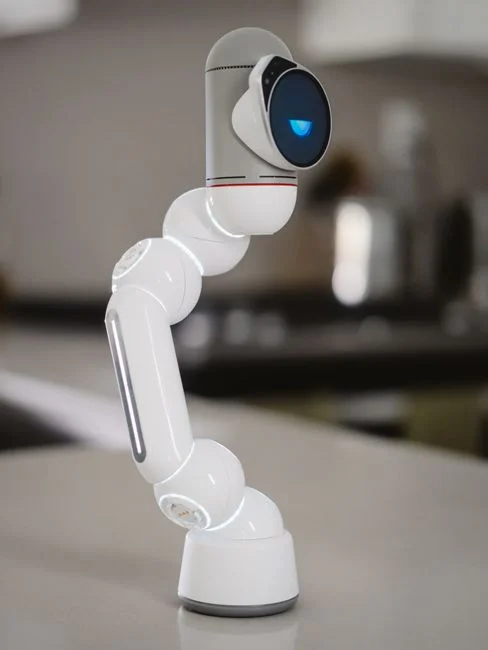
The TRACER X20 is a self-propelled floating inspection robot designed for large sewer, stormwater, siphon, and culvert pipelines where water, silt, flow, or poor traction make standard CCTV impractical (Municipal Sewer & Water, October 2026). Utilities are increasingly adopting these mobile platforms to bypass the limitations of traditional fixed-camera systems. It operates in pipes 24 inches and larger, allowing crews to inspect active or partially flooded lines and addressing the bypass-pumping dilemma. The system supports long-distance deployments up to 6,700 feet per launch. HD visual inspection can be combined with sonar and laser profiling to document defects above the waterline and sediment or shape changes below it (Municipal Sewer & Water, October 2026). The output provides data to improve asset knowledge, budgeting, cleaning priorities, and rehabilitation planning with less setup and fewer site delays (Municipal Sewer & Water, October 2026). Manufacturer contact: 877-613-2210; www.fiberscope.net/tracer-x20-floating-pipe-inspection-robot/.
Matching Inspection Tools to Pipe Condition
Dry-pipe CCTV remains the EPA-referenced industry standard for accessible, non-surcharged lines (EPA Smart Sewer Technologies). For active flow or partially flooded lines 24 inches and larger, floating self-propelled platforms (e.g., TRACER X20) combine HD visual with sonar and laser profiling to capture both above- and below-waterline data (Municipal Sewer & Water, October 2026). For continuous system-wide monitoring of flow, level, and rainfall, remote sensors feeding SCADA, RTDSS, and CMMS/EAM remain the EPA-recommended baseline (EPA). For active flow control, RTC systems can be installed locally, regionally, or system-wide to manage volume and route excess flow to offline storage or a treatment facility (EPA). For automated defect analysis, newer digital, electrical, and laser-based scanning tools automate data collection and evaluation and can be integrated with CMMS/EAM for capital planning (EPA).
| Pipe Condition | Tool Family to Specify | What It Captures |
|---|---|---|
| Dry, accessible, non-surcharged | CCTV crawler (EPA baseline) | Visual defect coding along the pipe wall (EPA) |
| Active flow or partially flooded, 24 in+ | Floating self-propelled platform with HD + sonar + laser | Above-waterline defects; below-waterline sediment and shape changes (Municipal Sewer & Water, October 2026) |
| System-wide continuous monitoring | Remote sensors + SCADA + RTDSS feeding CMMS/EAM | Flow, level, rainfall, and operational analytics (EPA) |
| Wet-weather volume management | RTC (local, regional, or system-wide) | Active routing of excess flow to storage or treatment (EPA) |
| Automated defect analysis and capital planning | Digital, electrical, laser-based scanning integrated with CMMS/EAM | Structured data for inflow/infiltration and rehabilitation prioritization (EPA) |
From Data to Decisions: Integrating Inspection with Asset Management
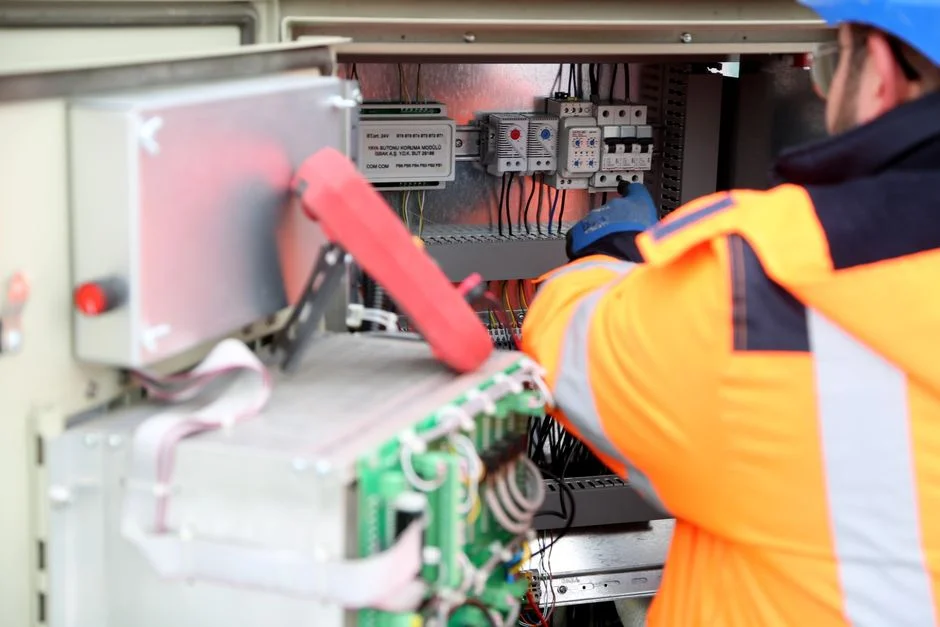
EPA recommends integrating condition-assessment data and analytics with CMMS or EAM systems to optimize asset costs and inform capital planning (EPA Smart Sewer Technologies). Hydraulic models using RTC data, flow dynamics, capacity, condition, and performance data have become more accurate with real-time monitoring and advanced analytics (EPA). For lift stations specifically, routine inspection includes observation of pumps, motors and drives for noise, vibration, heating, and leakage, plus checks of valves, control panel switches, and pump rates (EPA 832-F-00-073, September 2000). Installing a grinder or screen in a lift station ensures large debris is collected or shredded, as most clogs are attributed to wipes, diapers, and non-flushable plastics (AQUALIS). A specifier building a 2026 program will typically pair upstream headworks screening (such as a rotary mechanical bar screen for headworks screening) with downstream solids handling using dissolved air flotation for suspended solids and FOG removal, then layer the inspection and condition-assessment tools above. For related reading on headworks and utility-side planning, see this coarse screen inlet works specifications guide, the control room upgrade pricing comparison for utilities, and an integrated wastewater treatment plant working principle overview.
Frequently Asked Questions
Which 2026 inspection tool should I specify for a flooded or surcharged trunk sewer?
For active or partially flooded lines 24 inches and larger, a floating self-propelled robot such as the Fiberscope TRACER X20 combines HD visual above the waterline with sonar and laser profiling of sediment and shape changes below it, with deployments up to 6,700 feet per launch (Municipal Sewer & Water, October 2026). Where pipes are dry and accessible, EPA still identifies CCTV as the industry-standard baseline (EPA Smart Sewer Technologies). Request pipe diameter, current water depth, and expected debris load from the field so the vendor can confirm platform fit.
What inspection frequency should a lift station follow in 2026?
Inspection frequency depends on use and local regulation; AQUALIS identifies Jacksonville, FL as requiring monthly inspections, the strictest known example, and states that pumps are designed to last 7 to 10 years with regular maintenance. Routine lift station inspection per EPA 832-F-00-073 (September 2000) includes observation of pumps, motors, and drives for noise, vibration, heating, and leakage, plus checks of valving, control panel switches, and pump rates. Confirm the local regulatory minimum before drafting the inspection scope of work.
How do I justify a smart-sewer investment to a procurement or council review?
Frame the request around the failure modes the technology prevents. EPA notes that CMMS/EAM analyzes larger data volumes in near real time so operators address clogs, breaks, and overflows before they occur, while remote sensors let utilities dial in maintenance intervals and inform capital planning (EPA Smart Sewer Technologies). AQUALIS adds that pumps are designed to last 7 to 10 years with regular inspection, so each avoided failure or premature rehabilitation supports the business case. Build the justification around avoided bypass pumping, avoided overflows, and extended pump life rather than the tool itself.
What should I ask a vendor before awarding a 2026 inspection contract?
Ask how the inspection data will be delivered and integrated: EPA states that condition-assessment data and analytics can be integrated with CMMS or EAM systems to optimize asset costs and inform capital planning (EPA Smart Sewer Technologies). Request the export format, GIS or CMMS compatibility, and whether the contractor will deliver above- and below-waterline results in a single dataset—particularly relevant if a floating robot with sonar and laser profiling is proposed (Municipal Sewer & Water, October 2026). Also confirm the lead time for mobilizing long-distance deployment equipment and the operator qualifications for working in live flow.