Baghouse filters and electrostatic precipitators (ESPs) are the two main industrial options for particulate control. In a baghouse vs electrostatic precipitator selection, baghouses typically reach about 99% removal for particles from 0.5 microns upward on fabric media, while ESPs use electrostatic charging to capture about 98-99% of particles down to about 0.01 microns at lower pressure drop. Baghouses usually cost 30-50% less in capital outlay but carry higher filter-replacement OPEX. ESPs need higher CAPEX and suit hot flue gas up to about 400°C. Both can support EPA NSPS particulate limits; EU plants still work under Directive 2010/75/EU as amended by Directive (EU) 2024/1785.
Baghouse vs Electrostatic Precipitator Decision Snapshot
Baghouses typically deliver about 99% removal for 0.5-100 micron dust at 4-6 inches water column, with CAPEX around $5-15 per m³/h. ESPs typically deliver 98-99% removal for 0.01-100 micron particles at 0.5-1 inch water column, with CAPEX around $20-50 per m³/h and hot-gas capability near 400°C. Prefer baghouse for medium sticky-dust duties; prefer ESP for large ultra-fine hot streams.
Use the tables below for media limits, energy, footprint, and OPEX before locking a vendor package. Pair dust control with upstream water solids removal where slurry or scrubber blowdown is part of the same train, for example a High-Efficiency Sedimentation Tank (Lamella Clarifier) on wastewater bleed.
How Baghouse Filters Work: Mechanism, Efficiency, and Limitations
Baghouse filters achieve high particulate matter removal efficiency by physically capturing dust particles on fabric filter bags, forming a dust cake that enhances filtration (per EPA AP-42). The system typically operates by directing dust-laden gas into a housing containing multiple filter bags. As gas passes through the fabric, particles are trapped on the bag's exterior surface, while clean gas exits the system.
The accumulated dust cake is periodically removed through a pulse-jet cleaning process. This involves injecting compressed air (typically 60-100 psi) into the top of the filter bags for a short duration (0.1-0.3 seconds) at intervals of 30-60 seconds. This pulse creates a shockwave that dislodges the dust cake from the bag surface, allowing it to fall into a collection hopper below. Stable pressure drop and bag life of about 1-3 years depend on this cleaning cycle, the dust load, and the chosen filter media.
Baghouse systems demonstrate excellent particle size removal efficiency, capturing 99% of particles ranging from 0.5 to 100 microns (per EPA AP-42). The efficiency improves as a dust cake forms on the filter media, acting as a secondary filtration layer. Different particle sizes are captured with varying effectiveness:
| Particle Size Range (Microns) | Typical Removal Efficiency |
|---|---|
| 0.5 - 1 | >99% |
| 1 - 10 | >99.9% |
| 10 - 100 | >99.99% |
Filter media selection is critical for baghouse performance, with options tailored to specific temperature and chemical resistance requirements. Common materials include polyester (maximum operating temperature 120°C), PTFE (up to 260°C), and fiberglass (up to 280°C). Polyester offers a cost-effective solution for general industrial dust, while PTFE provides stronger chemical resistance and higher temperature tolerance at higher media cost. Fiberglass is chosen for high-temperature duty, though it can be more brittle.
Operational pressure drop in a baghouse typically ranges from 4-6 inches water column (per ASHRAE 52.2-2017). This pressure differential across the filter bags directly impacts the energy consumption of the system's fan, so fan sizing and continuous ΔP monitoring matter for OPEX. Higher pressure drop indicates either a clogged filter or an undersized system, leading to increased energy use and potential airflow reduction.
Despite their high efficiency, baghouses have clear limits. They are sensitive to moisture, with optimal operation typically below 80% relative humidity, as excessive moisture can blind filters and lead to premature bag failure. Temperature constraints, dictated by the filter media, limit their use in very high-temperature applications. Chemical compatibility with acidic or alkaline gases must be checked so media does not degrade; a high-efficiency pulse jet baghouse for industrial dust collection is sized around those media and cleaning constraints.
How Electrostatic Precipitators Work: Corona Discharge, Particle Charging, and Collection
Electrostatic precipitators (ESPs) remove particulate matter from gas streams by using electrostatic forces to charge particles and then collect them on oppositely charged plates (per EPA AP-42). The process begins as dust-laden gas enters the ESP chamber, passing between discharge electrodes and collection plates.
The primary mechanism for particle charging is the corona discharge process. High voltage (typically 30-100 kV) is applied to discharge electrodes, creating an intense electric field that ionizes the gas molecules around them. This ionization produces a cloud of negative ions (electrons) which then attach to the incoming dust particles, imparting a negative charge. The current density during this process usually ranges from 0.1-0.5 mA/m², with particle charging occurring very rapidly, typically within 0.1-1 second.
Once charged, the particles are driven by the electric field towards the grounded collection plates. As particles accumulate on these plates, they form a dust layer. Periodically, a mechanical rapping mechanism is activated to dislodge the collected dust, causing it to fall into hoppers below. Rapping frequency typically ranges from 1-10 minutes, with forces from 50-200 G, aiming to remove dust without excessive re-entrainment.
ESPs are highly effective in capturing a wide range of particle sizes, demonstrating 98-99% removal efficiency for particles from 0.01 to 100 microns (per EPA AP-42). This makes them particularly suitable for fine and ultra-fine particulate matter, often found in large combustion sources. The efficiency varies with particle size:
| Particle Size Range (Microns) | Typical Removal Efficiency |
|---|---|
| 0.01 - 0.1 | >98% |
| 0.1 - 1 | >99% |
| 1 - 10 | >99.5% |
| 10 - 100 | >99.9% |
Collection plate design influences performance, with both flat plate and tubular configurations utilized. Plate spacing typically ranges from 200-400 mm, optimized to balance collection efficiency with gas flow. Maintaining a controlled gas velocity, typically between 0.5-2 m/s, is crucial; higher velocities can lead to re-entrainment of collected dust, reducing overall efficiency.
ESPs have specific limitations. Their efficiency is sensitive to the electrical resistivity of the particles, with optimal performance for resistivity between 104-1011 ohm-cm. Particles with very low or very high resistivity can be difficult to collect. ESPs also require significant space, making their footprint a consideration for facilities with limited area. Sensitivity to gas composition, such as sulfur content, can affect performance by altering particle resistivity or causing corrosion, so material selection and, where SO₂ is present, an integrated FGD scrubber for SO₂ and particulate removal may sit in the same flue-gas train.
Side-by-Side Comparison: Efficiency, Costs, and Compliance
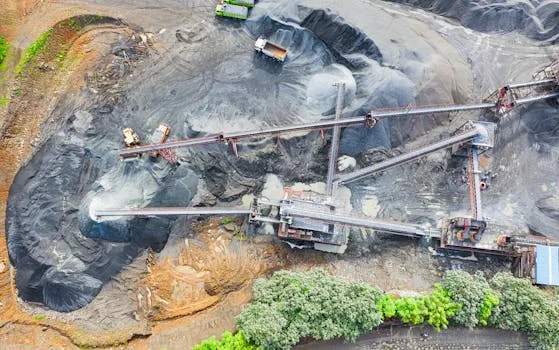
Evaluating baghouse and ESP options requires a data-driven comparison of operational parameters, costs, and compliance capabilities. Both technologies are industrial dust collector systems capable of meeting stringent air pollution control requirements, but their suitability varies significantly based on application specifics (per EPA NSPS and EU IED 2010/75/EU).
Earlier EU compliance references focused on Industrial Emissions Directive 2010/75/EU alone. Directive (EU) 2024/1785 amending that IED entered into force on 4 August 2024, and Member States then had 22 months to transpose the revised rules (European Commission, 2024). By 2050, implementation of the revised Directive is expected to reduce key air pollutants including PM2.5 by up to 40% compared to 2020 levels (European Commission, 2024). EPA NSPS particulate limits remain the core US driver for many source categories.
Baghouses generally offer a lower capital investment and excel in capturing a broad range of particles, particularly coarse and sticky dusts. Their operational expenses are higher due to regular filter replacements and the energy required for pulse cleaning. ESPs demand a higher upfront cost but typically have lower long-term operational expenses and suit high-temperature applications and ultra-fine particulate capture.
| Parameter | Baghouse | ESP | Notes |
|---|---|---|---|
| Particle Size Removal Efficiency | 99% for 0.5-100 microns | 98-99% for 0.01-100 microns | ESPs excel at ultra-fine particles (<0.1 micron). |
| Pressure Drop (inches water column) | 4-6 | 0.5-1 | Lower pressure drop in ESPs leads to reduced fan energy. |
| Energy Consumption (kWh/1,000 m³) | 0.8-1.5 | 0.4-0.8 | Baghouses consume more for fan power and pulse cleaning. |
| Temperature Limit (°C) | 120-280 (media dependent) | Up to 400 (or higher with specialized design) | ESPs are ideal for high-temperature flue gases. |
| Moisture Limit (RH%) | <80% (sensitive to condensation) | Can handle higher moisture (wet ESPs) | Moisture can blind baghouse filters. |
| Chemical Resistance | Media dependent (PTFE for acids) | High (materials of construction) | Requires careful material selection for corrosive gases. |
| Footprint (m²/1,000 m³/h) | 1-2 | 3-5 | ESPs generally require more physical space. |
| CAPEX ($/m³/h) | $5-15 | $20-50 | Baghouses have significantly lower initial investment. |
| OPEX ($/m³/h/year) | $0.5-1.5 | $0.2-0.8 | ESPs offer lower operational costs over the long term. |
| Filter/Media Lifespan | 1-3 years | Permanent collection plates | Bag filter replacement is a major OPEX factor. |
| Maintenance Frequency | Regular filter inspection/replacement | Less frequent, mainly rapping system, T/R sets | Baghouses require more frequent hands-on maintenance. |
| Compliance Standards | EPA NSPS, EU IED 2010/75/EU (PM, PM2.5, PM10) | EPA NSPS, EU IED 2010/75/EU (PM, PM2.5, PM10) | Both meet stringent limits; ESPs preferred for ultra-low PM2.5. |
When to Choose a Baghouse: Ideal Applications and Facility Types
Baghouse filters are typically the optimal choice for small-to-medium industrial facilities (processing 10,000-100,000 m³/h of gas) that require effective particulate matter removal with a lower initial capital investment. Their straightforward design and relatively easy installation make them a preferred solution where budget constraints or quick deployment are priorities. This makes them highly competitive in many sectors for industrial dust collector comparison.
Baghouses excel in industries characterized by coarse, sticky, or abrasive dusts, and where the gas stream temperature is within the limits of available filter media. They are particularly effective for capturing non-conductive particles that might pose challenges for electrostatic systems. Key industries include:
| Industry | Typical Pollutant Types | Characteristic |
|---|---|---|
| Cement Plants | PM10, cement dust, kiln dust | High dust loading, abrasive particles |
| Metalworking | Metallic fumes, grinding dust, welding smoke | Coarse particles, some sticky elements |
| Woodworking | Sawdust, wood chips, sanding dust | High dust loading, fibrous particles |
| Pharmaceuticals | Powdered ingredients, fine process dust | High-value product recovery, fine particles |
| Food Processing | Flour, sugar, grain dust | Sticky, combustible dusts |
Facilities with limited upfront capital or those prioritizing a shorter payback period often find baghouses more appealing due to their lower CAPEX. On abrasive cement or metals dust, media life and pulse settings drive real OPEX more than nameplate efficiency alone. Where process water also carries suspended solids from scrubbing or washdown, clarifying that stream with a High-Efficiency Sedimentation Tank (Lamella Clarifier) keeps the air and water trains aligned.
When to Choose an ESP: High-Temperature, Large-Scale, and Ultra-Fine Particle Applications
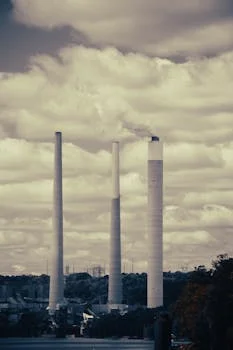
Electrostatic precipitators are generally the better fit for large-scale industrial facilities (handling gas volumes exceeding 100,000 m³/h) where high-temperature gas streams, ultra-fine particulate matter, and long-term operational efficiency are critical. While they demand a higher initial capital investment, their lower operational expenses and robust performance in challenging environments often justify the cost over the system's lifespan for complex industrial dust collector comparison scenarios.
ESPs are particularly well-suited for industries generating hot flue gases and requiring exceptional removal efficiency for sub-micron particles. Their ability to operate without physical filter media makes them ideal for high-temperature applications where baghouses would struggle with media degradation. Key industries include:
| Industry | Typical Gas Temperatures (°C) | Characteristic Particle Sizes |
|---|---|---|
| Coal-fired Power Plants | 150-400 | 0.01-10 microns (PM2.5, PM10) |
| Steel Mills | 100-350 | 0.1-10 microns (metallic fumes, iron oxide) |
| Glass Manufacturing | 200-500 | 0.1-5 microns (silica, alkali salts) |
| Incinerators | 180-300 | 0.01-5 microns (combustion byproducts, heavy metals) |
The ability of ESPs to handle high-temperature applications, often up to 400°C (with specialized designs capable of even higher), is a distinct advantage over baghouses, which are typically limited to 280°C even with advanced fiberglass media. ESPs excel at capturing ultra-fine particles (0.01-1 micron) with 98-99% efficiency, which is critical for meeting stringent PM2.5 emission limits in sectors like power generation and hazardous waste incineration. For large-scale operations involving complex gas streams and demanding compliance, an integrated FGD scrubber for SO₂ and particulate removal might be considered in conjunction with an ESP, providing a comprehensive air pollution control solution.
Cost Breakdown and ROI for Dust Collector Selection
Total cost of ownership for industrial air pollution control extends beyond initial capital expenditure (CAPEX) to long-term operational expenses (OPEX). A careful baghouse vs electrostatic precipitator cost model balances these financial parameters and the resulting return on investment for the facility.
CAPEX Breakdown
- Baghouse ($5-15/m³/h): Initial costs primarily cover the filter media (a significant component), the baghouse housing, support structure, fans, ducts, and control systems. The specific cost depends on the required air volume, filter area, and materials of construction.
- ESP ($20-50/m³/h): ESPs require a substantially higher upfront investment. Key components include transformer-rectifier (T/R) sets for high voltage generation, the robust collection plate system, discharge electrodes, a sophisticated rapping system, hoppers, structural housing, and advanced control systems. The larger footprint and more complex electrical infrastructure contribute to the higher CAPEX.
OPEX Breakdown
- Baghouse ($0.5-1.5/m³/h/year): The largest operational cost for baghouses is typically filter replacements, occurring every 1-3 years. Other significant factors include energy consumption for the main fan (driven by pressure drop) and compressed air for the pulse cleaning system. Labor costs for routine inspection and filter changes also contribute.
- ESP ($0.2-0.8/m³/h/year): ESPs generally have lower OPEX. The primary energy cost is for the corona discharge and the main fan. With a significantly lower pressure drop (0.5-1 inch water column compared to 4-6 inches for baghouses), ESPs reduce fan energy consumption by 20-30%. Maintenance is less frequent, focusing on the rapping system, T/R sets, and occasional plate cleaning.
ROI Calculator and Payback Period
To determine the payback period when comparing a new ESP to a baghouse, the following simplified formula can be used, assuming the ESP has higher CAPEX but lower OPEX:
Payback (years) = (CAPEX_ESP - CAPEX_Baghouse) / (OPEX_Baghouse - OPEX_ESP)
Example: For a 50,000 m³/h facility, assuming average CAPEX values of $10/m³/h for a baghouse and $30/m³/h for an ESP, and OPEX values of $1.0/m³/h/year for a baghouse and $0.5/m³/h/year for an ESP:
- CAPEX Difference = (50,000 m³/h * $30/m³/h) - (50,000 m³/h * $10/m³/h) = $1,500,000 - $500,000 = $1,000,000
- OPEX Difference = (50,000 m³/h * $1.0/m³/h/year) - (50,000 m³/h * $0.5/m³/h/year) = $50,000/year - $25,000/year = $25,000/year
- Payback = $1,000,000 / $25,000/year = 40 years.
This example highlights that with these specific numbers, the payback is long. If the OPEX difference is larger, or the CAPEX difference is smaller, the payback changes significantly. For instance, if the OPEX difference were $150,000/year, the payback would be approximately 6.7 years, which falls within the typical 5-7 year range often observed for large-scale ESP investments where energy savings are substantial.
Which wastewater pumps deliver better energy efficiency?
Variable-speed centrifugal pumps sized to the duty point usually beat oversized fixed-speed units on specific energy (kWh/m³) in industrial water loops. Dust-collector CAPEX and OPEX sit beside pump power on the same utility bill, so model both when ranking plant upgrades. Compare wire-to-water efficiency at your design flow and head, not only nameplate motor kW.
How do aerator operating costs compare in lagoons?
Directional-flow and fine-bubble aerators are usually ranked by kg O₂ transferred per kWh at the design MLSS and temperature, not by blower nameplate alone. Lagoon aeration OPEX is separate from baghouse or ESP fan power, but both compete for the same energy budget. Use field oxygen-transfer data at your water temperature when comparing options.
Hidden Costs
- Baghouse Downtime: Filter replacement requires system shutdown, typically 2-4 hours per year, leading to production losses.
- ESP Downtime: While less frequent, major ESP maintenance, such as internal component inspection or plate cleaning, can also cause downtime, usually 1-2 hours per year for routine checks, but potentially longer for more extensive repairs.
- Compliance Penalties: Failure to meet emission limits can result in substantial fines, making the reliability and consistent performance of the chosen system a critical economic factor.
Who this is for: plant engineers and EPC teams selecting PM control for 10,000-100,000+ m³/h gas streams with defined temperature, moisture, and particle-size data. Who should look elsewhere: buyers needing only HVAC comfort filtration or portable shop vacuums. Selection checklist: (1) particle size and resistivity, (2) gas temperature and RH, (3) design flow m³/h, (4) available footprint, (5) CAPEX vs 5-10 year OPEX, (6) media or plate maintenance access, (7) permit limit for PM/PM2.5. Next step: send flue-gas temperature, dust loading, and target outlet grain loading when you Request a free quote.
Frequently Asked Questions
What is the primary difference in particle size removal between baghouses and ESPs?
Baghouses are highly effective for particles from 0.5 to 100 microns, achieving over 99% efficiency (per EPA AP-42). ESPs excel at capturing ultra-fine particles, demonstrating 98-99% efficiency for particles as small as 0.01 microns. That advantage matters most for sub-micron PM2.5 in combustion flue gas, where fabric media alone may not be the first design choice.
Which technology has lower operating costs over the long term?
Electrostatic precipitators (ESPs) generally have lower operational expenses (OPEX) than baghouses at comparable treated gas volume. While ESPs have higher initial capital costs, they do not require filter replacements, reducing material and labor costs. Their lower pressure drop also translates to 20-30% less fan energy consumption compared to baghouses, which adds up on continuous duty.
Can both baghouses and ESPs meet EPA NSPS and EU IED compliance standards?
Yes, both baghouses and ESPs can meet stringent particulate matter (PM, PM2.5, PM10) limits under EPA New Source Performance Standards (NSPS) and the EU Industrial Emissions Directive framework based on 2010/75/EU. Directive (EU) 2024/1785 amended that IED and entered into force on 4 August 2024 (European Commission, 2024). Final equipment choice still depends on gas temperature, particle size, and the BAT-linked permit limit for the installation.
What are the temperature limitations for each system?
Baghouses are limited by their filter media, typically operating up to 120°C for polyester, 260°C for PTFE, and 280°C for fiberglass media. ESPs can handle significantly higher temperatures, often up to 400°C, and even higher with specialized designs. Hot flue gas from boilers, glass furnaces, or incinerators therefore often favors ESP or cooled gas ahead of a baghouse.
When would a facility choose a baghouse despite its higher OPEX?
A facility typically chooses a baghouse when upfront capital is constrained, dust is coarse or sticky, or gas temperature stays inside media limits. Baghouses install faster on many small-to-medium industrial duties and can show quicker payback when ESP CAPEX is hard to justify. Run the CAPEX/OPEX formula above with your actual m³/h and local energy and media prices before deciding.