Why Hawaii’s Geography Demands Package Wastewater Treatment Plants
Hawaii’s volcanic soil and high water table limit conventional leach fields, making injection wells the primary disposal method for treated effluent, as demonstrated by the Paalaa Kai WWTP’s 10 onsite wells operating under UIC Permit UO-1258. For municipal engineers and private developers, the archipelago’s unique topography creates a "land-locked" engineering environment where traditional centralized sewer extensions are often cost-prohibitive or geologically impossible. In remote locations like Pahala, which had a 2010 population of approximately 1,350, decentralized treatment is the only viable path to modernize sanitation infrastructure without the multi-million dollar per mile cost of deep-trench piping through basalt rock.
Land constraints are particularly acute for Maui resorts and Oahu’s North Shore developments. Facilities such as the Kana’i A Nalu Condo (32,000 gpd) and the WSZ series underground package plants for Hawaii’s space-constrained sites utilize buried or semi-buried tanks to preserve high-value surface area for tourism, agriculture, or beach access. These systems allow for high-density development in areas where the Hawaii Department of Health (DOH) would otherwise prohibit septic systems due to nitrate loading concerns in sensitive coastal aquifers.
hurricane resilience is a non-negotiable design parameter in the Central Pacific. Unlike sprawling conventional plants with large open clarifiers prone to storm surge and wind-borne debris, package plants can be anchored to concrete pads or installed entirely below grade. This design philosophy was utilized in the Pearl City project to withstand Category 4 wind loads, ensuring that biological processes remain stable even when surface infrastructure is compromised. For a broader perspective on how geography influences system design, see this how remote locations handle wastewater compliance and costs.
Package vs. Conventional Wastewater Treatment Plants: Hawaii-Specific Trade-offs
Package wastewater treatment plants require significantly less land than conventional systems, typically occupying 0.1–0.5 acres for a 50,000–200,000 gpd capacity, whereas a conventional activated sludge plant of the same capacity would require 2–5 acres for clarifiers and drying beds. In Hawaii’s real estate market, where industrial-zoned land can exceed $1 million per acre, the smaller footprint of a package plant directly translates to lower project feasibility thresholds. For small-scale applications, such as the 1,200 gpd Johnson Residence project on Maui, a package system is the only alternative to a cesspool or septic tank that can meet modern effluent standards.
The financial trade-offs are equally stark. A package plant for a mid-sized development (50,000–200,000 gpd) ranges from $1.5M to $5M in Hawaii, accounting for the 30–50% premium on local labor and logistics. In contrast, a conventional municipal-grade facility for the same flow often starts at $10M and can exceed $50M when accounting for site-built concrete structures and extensive civil engineering. Installation timelines also favor pre-engineered units; a package plant can be commissioned in 3–6 months, while conventional builds often face 18–36 month schedules due to Hawaii’s prolonged permitting and construction cycles.
| Feature | Package Plant (e.g., SBR/MBR) | Conventional Plant | Hawaii Impact |
|---|---|---|---|
| Footprint (100k gpd) | 0.2 – 0.3 Acres | 2.0 – 4.0 Acres | Critical for resort/coastal sites |
| CapEx (Hawaii 2025) | $2.0M – $4.5M | $12M – $25M | Enables private financing |
| Installation Time | 3 – 6 Months | 18 – 36 Months | Faster ROI for developers |
| Effluent Quality | ≤10 mg/L BOD/TSS (MBR) | ≤30 mg/L BOD/TSS | Easier UIC permit compliance |
| Resilience | High (Buried/Skid) | Moderate (Open tanks) | Better hurricane protection |
While package plants offer speed and cost advantages, they are subject to strict modularity limits. Hawaii DOH rules typically require new engineering reports and permit modifications if capacity is expanded by more than 20%. Therefore, developers must accurately project 10-year flow rates before selecting a skid size. For more on national standards, refer to this comprehensive guide to package wastewater treatment plants in the USA.
Hawaii’s Top 5 Package Wastewater Treatment Technologies: Specs, Costs & Use Cases
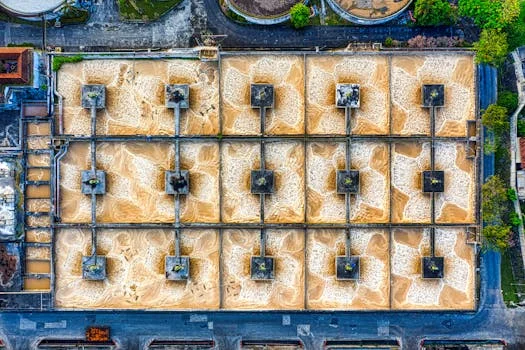
Sequencing Batch Reactor (SBR) technology is the most common package solution in Hawaii, utilized in major projects like the Pearl City plant and the Paalaa Kai WWTP. SBRs are favored for their ability to handle the extreme flow fluctuations typical of Hawaii’s tourist seasons, where peak flows can reach 648,000 gpd against an average of 144,000 gpd. The biological process occurs in a single tank, reducing mechanical complexity and capital costs to approximately $2.5M–$4M for a 100,000 gpd system.
For resorts seeking to maximize water conservation, MBR systems for Hawaii’s reuse-quality effluent requirements provide the highest quality discharge. Membrane Bioreactors (MBR) achieve BOD₅ levels of <1 mg/L, making the effluent suitable for R-1 reuse (irrigation) under Hawaii DOH standards. While MBRs have a higher energy demand (1.5–2.0 kWh/m³) and a higher capital cost ($3M–$5M for 100,000 gpd), they eliminate the need for secondary clarifiers and sand filters, which is vital for sites like the Maui Island Sands Resort where space is at a premium.
| Technology | BOD₅/TSS (mg/L) | Energy (kWh/m³) | CapEx ($/gpd) | Best Hawaii Use Case |
|---|---|---|---|---|
| SBR | <10 / <10 | 0.8 – 1.2 | $25 – $40 | Municipal communities (Paalaa Kai) |
| MBR | <2 / <1 | 1.5 – 2.0 | $35 – $55 | Luxury resorts (Makena) |
| MBBR | <15 / <15 | 0.6 – 1.0 | $22 – $38 | Food processing (Pineapple canneries) |
| Extended Aeration | <25 / <25 | 0.5 – 0.8 | $18 – $32 | Rural schools (Hawaii Nature Ctr) |
| A/O Process | <15 / <15 | 0.4 – 0.7 | $20 – $35 | Military bases (Schofield Barracks) |
Moving Bed Biofilm Reactor (MBBR) systems are gaining traction in industrial applications, such as Hawaii’s remaining agricultural processing facilities, because they are 50% smaller than SBRs and highly resistant to toxic shocks. Meanwhile, Extended Aeration remains the standard for low-maintenance requirements in rural settings, such as the 2,500 gpd system at the Hawaii Nature Center, where minimal sludge handling is a primary operational goal.
Hawaii DOH and EPA Compliance: Permits, Effluent Limits & Injection Well Requirements
Underground Injection Control (UIC) Permit No. UO-1258, which governs the Paalaa Kai facility, serves as the regulatory benchmark for most package plants in Hawaii. Because the majority of the state’s treated wastewater is disposed of via injection wells rather than surface water discharge, compliance focuses heavily on protecting groundwater. The Hawaii DOH requires secondary treatment at a minimum, with effluent limits typically set at ≤30 mg/L for both BOD₅ and TSS. However, for projects seeking R-1 reuse status, such as the Makena Resort’s 720,000 gpd system, limits are tightened to ≤10 mg/L with mandatory turbidity and disinfection standards.
Navigating the UIC permit process requires a structured engineering approach. The application fee ranges from $5,000 to $20,000, and processing times typically span 6 to 12 months. Failure to account for these timelines often results in construction delays. Key design constraints include a minimum 200-foot setback from potable water wells and a 50-foot vertical separation between the injection point and the water table, as specified in Hawaii DOH Well Construction and Pump Installation Standards.
- Site Assessment: Hydrogeological study to determine soil permeability and groundwater depth.
- Engineering Report: Detailed treatment process design and peak flow calculations (minimum 4x average flow).
- Public Notice: Mandatory 30-day comment period for new UIC permit applications.
- Monitoring: Weekly self-reporting of BOD₅/TSS and quarterly DOH inspections.
- Enforcement: Penalties for unauthorized spills or permit exceedances range from $10,000 to $50,000 per day.
Operational compliance also involves solids management. Most package plants in Hawaii do not process sludge to Class A biosolid standards; instead, residual solids are thickened and transported to centralized facilities like the Honouliuli WWTP for final disposal. This logistics chain must be documented in the facility’s operations and maintenance (O&M) manual to maintain permit standing.
Cost Breakdown for Package Wastewater Treatment Plants in Hawaii: 2025 ROI Framework
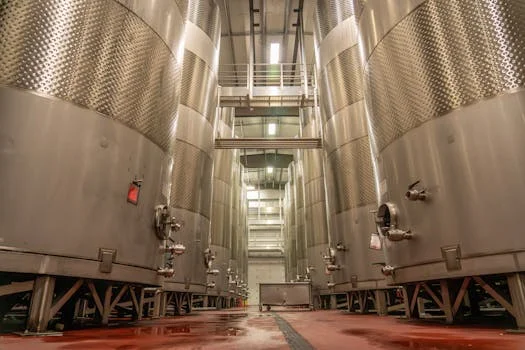
Capital expenditure (CapEx) for package plants in Hawaii is significantly higher than mainland US averages due to the "Hawaii Premium," which accounts for ocean freight, specialized crane rentals, and a limited pool of certified wastewater contractors. For a 100,000 gpd plant, a baseline budget of $3.5M is standard. This breaks down into equipment costs (40%), mechanical/electrical installation (30%), site preparation and civil works (20%), and permitting/engineering (10%).
Operating expenditure (O&M) typically ranges from $0.50 to $1.50 per 1,000 gallons treated. In Hawaii, electricity is the dominant O&M cost, often three times higher than the national average. Therefore, selecting energy-efficient blowers and automated control systems is essential for long-term viability. Sludge hauling fees to municipal hubs also represent a significant recurring cost, especially for remote resorts on Maui or the Big Island.
| Cost Component | Estimated Cost (100k gpd) | Hawaii-Specific Factor |
|---|---|---|
| Equipment (SBR/MBR) | $1,400,000 – $1,800,000 | Ocean freight from West Coast/Asia |
| Installation & Commissioning | $1,000,000 – $1,300,000 | Local specialized labor rates (+40%) |
| Civil Works & Tanks | $700,000 – $900,000 | Concrete and excavation in basalt |
| Permitting & UIC Fees | $50,000 – $150,000 | Hawaii DOH/UIC processing times |
| Total Estimated CapEx | $3,150,000 – $4,150,000 | 30–50% above mainland avg |
The Return on Investment (ROI) for a package plant is often realized through the avoidance of municipal sewer connection fees and monthly volumetric charges. For a 100,000 gpd resort, sewer connection fees can reach $2M upfront with annual bills exceeding $1.2M. By installing a private package plant with a $3.5M CapEx and $180,000 annual O&M, the payback period is approximately 4.2 years. This framework allows developers to capitalize the utility cost into the initial construction loan, improving long-term cash flow.
Supplier Evaluation Checklist: 7 Questions to Ask Before Buying a Package Plant in Hawaii
Selecting a vendor for Hawaii’s market requires more than a comparison of equipment specs; it requires a partner capable of navigating the state’s isolated logistics and unique regulatory environment. Experience with Hawaii DOH is the most critical factor. A supplier who has successfully permitted a plant in Pearl City or on Maui will understand the specific nuances of UIC permit applications and can prevent months of design-phase delays. For a framework on vetting international vendors, see this supplier evaluation framework for package plants in regulated markets.
- Local References: Can the supplier provide contacts for at least three operational plants in Hawaii with similar flow rates?
- Permit Support: Does the vendor provide the stamped engineering drawings and hydrogeological data required for the Hawaii DOH UIC permit?
- Energy Efficiency: What is the documented kWh/m³ for the system? (Targets: <1.0 for SBR; <1.5 for MBR).
- Corrosion Resistance: Does the equipment use 304/316 stainless steel or reinforced fiberglass to withstand Hawaii’s salt-air environment?
- Logistics Capability: Does the supplier have experience with Matson/Young Brothers shipping and oversized load transport on Hawaii’s narrow roads?
- Sludge Management: Is the system compatible with standard vacuum truck fittings for transport to Honouliuli or other regional hubs?
- Warranty & Service: Does the supplier offer a minimum 2-year equipment warranty and have a local or fly-in service team for emergency repairs?
Red flags include suppliers who offer "mainland-standard" packages without adjusting for Hawaii’s high humidity and salinity, or those who are vague about their role in the UIC permitting process. Given the $10,000+ daily fines for non-compliance, technical transparency is the most valuable asset a supplier can provide.
Frequently Asked Questions
What is the largest package wastewater treatment plant in Hawaii?
The Makena Resort system on Maui is one of the largest private package-style configurations, designed to treat 720,000 gpd for R-1 reuse irrigation. In the municipal sector, the Paalaa Kai WWTP on Oahu handles an average flow of 144,000 gpd with the engineering capacity to manage peak tourist/storm flows up to 648,000 gpd.
Where does Hawaii sewage go?
In areas served by package plants, treated effluent is typically discharged into the ground via injection wells (such as the 10 wells at Paalaa Kai) or reused for landscape irrigation at resorts. Residual solids (sludge) are usually dewatered onsite and then trucked to centralized municipal facilities, primarily the Honouliuli Wastewater Treatment Plant, for final processing.
How much does a package wastewater treatment plant cost in Hawaii?
For a standard 100,000 gpd system, the total project cost—including equipment, shipping, installation, and DOH permitting—typically ranges from $3M to $5M. This reflects a 30–50% premium over mainland US costs due to the logistical challenges of island delivery and higher local labor rates.
What is the difference between a package sewage treatment plant and a conventional plant?
Package plants are pre-engineered, modular systems that arrive on skids or as pre-cast tanks, requiring only 0.1–0.5 acres and 3–6 months for installation. Conventional plants are custom site-built concrete structures that require 2–5 acres and 18–36 months to construct. Package plants are the preferred choice for Hawaii’s private developments due to land scarcity and urgent timelines.
Can package plants handle Hawaii’s variable flows (e.g., tourist season)?
Yes, modern package technologies like SBR and MBBR are specifically designed for high "peaking factors." For example, the Paalaa Kai plant is designed for a peak-to-average ratio of 4.5:1. When selecting a system, engineers must specify these peak requirements to ensure the biological biomass remains stable during low-occupancy periods and effective during peak tourist seasons.