Wastewater Treatment Plant Cost in Salalah: 2025 Engineering Breakdown, ROI & Decision Framework
In Salalah, Oman, wastewater treatment plant costs vary widely by capacity and technology. A 50 m³/day hospital MBR system costs $85,000–$120,000 installed (HydropureWater field data, 2025), while municipal plants like the RO 45 million Sahlounout project scale to $117 million for 50,000+ m³/day (Oman Observer, 2025; Utilities-ME, 2025). Key cost drivers include influent quality (Salalah’s high TDS requires pre-treatment), technology choice (MBR vs DAF vs conventional), and compliance with Oman EPA’s 2025 reuse standards. This guide provides a 2025 engineering breakdown, ROI calculator, and decision framework for Salalah projects.
Why Salalah’s Wastewater Treatment Costs Are Unique: Climate, Regulations, and Water Reuse
Salalah's unique environmental conditions and stringent regulatory framework significantly elevate wastewater treatment plant costs compared to other regions. The average Total Dissolved Solids (TDS) in Salalah's raw wastewater ranges from 1,200–1,800 mg/L, notably higher than Oman’s national average of 800 mg/L, necessitating advanced pre-treatment solutions such as Dissolved Air Flotation (DAF) or Reverse Osmosis (RO) to meet discharge or reuse standards (HydropureWater field data, 2025, referencing similar challenges in hospital wastewater treatment in Salalah). Compliance is driven by Oman EPA’s 2025 reuse standards, which mandate stringent effluent quality parameters: less than 10 mg/L for Biochemical Oxygen Demand (BOD), less than 5 mg/L for Total Suspended Solids (TSS), and less than 1 NTU turbidity for irrigation purposes. These standards often exceed many World Health Organization (WHO) and European Union (EU) benchmarks for treated wastewater reuse.
The Dhofar Governorate faces acute water scarcity, leading to approximately 80% of Salalah’s treated wastewater being reused for agriculture and maintaining vital green spaces, as exemplified by the "Green Belt" project (Oman Observer, 2025). This high demand for reuse means that treatment plants must consistently produce high-quality effluent, which inherently increases CAPEX and OPEX. Salalah's year-round tropical climate, with average temperatures between 25–30°C, contributes to higher evaporation rates. This factor can increase sludge handling and disposal costs by 15–20% compared to more temperate regions, due to the need for more frequent dewatering and specialized storage to prevent odors and pathogens.
| Factor | Salalah-Specific Data | Impact on WWTP Costs |
|---|---|---|
| Average Influent TDS | 1,200–1,800 mg/L | Requires advanced pre-treatment (e.g., DAF, RO) increasing CAPEX & OPEX. |
| Oman EPA 2025 Reuse BOD | <10 mg/L | Demands highly efficient biological treatment. |
| Oman EPA 2025 Reuse TSS | <5 mg/L | Requires robust filtration, often MBR or tertiary systems. |
| Oman EPA 2025 Reuse Turbidity | <1 NTU | Necessitates advanced clarification and disinfection. |
| Treated Wastewater Reuse Rate | ~80% for agriculture/green spaces | Higher quality effluent required, increasing technology complexity. |
| Average Annual Temperature | 25–30°C | Increases sludge handling costs by 15-20% due to higher evaporation. |
Wastewater Treatment Plant Cost Breakdown in Salalah: CAPEX vs OPEX by Capacity and Technology
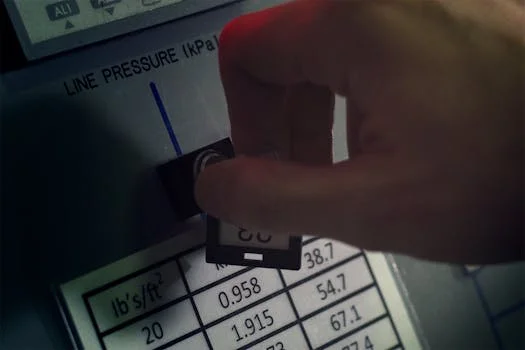
The capital expenditure (CAPEX) for wastewater treatment plants in Salalah varies significantly with capacity and chosen technology, reflecting the region's specific challenges. For conventional activated sludge systems, CAPEX typically ranges from $1,500–$3,500 per cubic meter per day (m³/day) of treatment capacity. Membrane Bioreactor (MBR) systems, offering superior effluent quality and a smaller footprint, command a higher CAPEX, generally between $2,500–$5,000 per m³/day (HydropureWater field data, 2025, informed by compact hospital wastewater solutions for Salalah clinics). These figures include civil works, equipment procurement, installation, and commissioning.
Operational expenditure (OPEX) is a critical long-term consideration, often comprising 70-80% of a plant's total lifecycle cost. In Salalah, energy consumption accounts for 40–50% of total OPEX, driven by pumping, aeration, and advanced treatment processes. Chemical dosing, particularly for TDS removal and disinfection, contributes 20–30% of OPEX. Labor and maintenance costs typically range from 10–15%, while membrane replacement for MBR systems adds another 5–10% every 5-10 years. Salalah-specific OPEX drivers include higher chemical dosing to manage the elevated TDS influent and the necessity for corrosion-resistant materials due to coastal humidity, leading to increased material costs and maintenance. Redundant systems, crucial for uninterrupted operation during the monsoon season, also add to both CAPEX and OPEX.
While MBR systems have a higher initial CAPEX, their advanced filtration capabilities result in significantly lower OPEX over the plant’s lifecycle. MBR technology can reduce OPEX by up to 30% compared to conventional systems over a 15-year operational period, primarily due to reduced sludge production, lower disinfection chemical needs, and superior effluent quality for direct reuse. This long-term operational efficiency makes MBR systems for Salalah’s water reuse projects a compelling investment despite the upfront cost, especially when considering the stringent Oman EPA reuse standards. For applications requiring robust pre-treatment for industrial discharge, DAF pre-treatment for Salalah’s industrial wastewater offers a cost-effective solution for high TSS and FOG removal.
| Capacity (m³/day) | Technology | Estimated CAPEX ($/m³/day) | Estimated Annual OPEX ($/m³/year) | Key OPEX Drivers in Salalah |
|---|---|---|---|---|
| 50-200 | Conventional (e.g., extended aeration) | $1,500 - $2,500 | $400 - $600 | Energy, Sludge Disposal (higher evaporation) |
| 50-200 | MBR (e.g., integrated MBR systems) | $2,500 - $4,000 | $250 - $400 | Energy, Membrane Replacement, Less Sludge |
| 200-1,000 | Conventional (e.g., SBR) | $1,000 - $2,000 | $300 - $500 | Energy, Chemicals (for TDS/disinfection) |
| 200-1,000 | MBR (e.g., MBR systems for water reuse) | $2,000 - $3,500 | $200 - $350 | Energy, Membrane Replacement, Reduced Disinfection |
| >1,000 (Industrial Pre-treatment) | DAF (e.g., DAF pre-treatment) | $800 - $1,500 | $150 - $250 | Chemicals (coagulants), Energy (pumping) |
Technology Comparison for Salalah: MBR vs DAF vs Conventional Systems
Selecting the optimal wastewater treatment technology for Salalah projects involves a critical evaluation of effluent quality, physical footprint, energy consumption, and specific local advantages. Membrane Bioreactor (MBR) systems consistently achieve superior effluent quality, typically yielding less than 1 mg/L BOD and less than 0.5 mg/L TSS, making them ideal for meeting Oman EPA's stringent 2025 reuse standards for irrigation (HydropureWater field data, 2025, drawing parallels with MBR cost and performance data from water-scarce regions). Dissolved Air Flotation (DAF) systems, conversely, excel in pre-treatment, achieving 90–95% TSS removal and significant reduction of fats, oils, and grease (FOG), which is crucial for industrial applications like food processing or petrochemicals before further biological treatment. Conventional activated sludge systems, such as extended aeration or SBRs, typically achieve 85–90% BOD removal, suitable for less demanding discharge standards or as a primary stage for larger municipal projects like the Reysut WWTP (IHE Delft, 2014).
Space efficiency is a critical factor for urban Salalah projects, where land availability can be limited and costly. MBR technology offers a significant advantage, requiring up to 60% less physical footprint than conventional treatment plants for the same capacity, due to the elimination of secondary clarifiers and tertiary filtration. This compact design makes MBR systems for Salalah’s water reuse projects particularly attractive. DAF systems also have a relatively small footprint for their high-rate clarification capabilities. In terms of energy use, MBR systems typically consume 0.8–1.2 kWh/m³ due to aeration and membrane scouring. DAF systems are more energy-efficient for their specific application, using 0.3–0.5 kWh/m³ for air compression and pumping, while conventional systems generally fall in the range of 0.4–0.6 kWh/m³ for aeration and pumping. For insights into how DAF systems perform in similar Gulf climates, refer to our detailed guide.
For Salalah-specific advantages, MBR is the preferred choice for projects targeting high-quality water reuse, enabling unrestricted irrigation and reducing potable water demand. DAF pre-treatment for Salalah’s industrial wastewater is highly effective for industries generating high-solids or oily influent, protecting downstream biological processes and reducing overall treatment costs. Conventional systems remain a viable option for low-budget municipal projects where land is not a constraint and effluent quality requirements are less stringent, or as a primary stage before more advanced tertiary treatment.
| Parameter | Membrane Bioreactor (MBR) | Dissolved Air Flotation (DAF) | Conventional Activated Sludge |
|---|---|---|---|
| Typical Effluent BOD | <1 mg/L | ~90-95% removal (pre-treatment) | 85-90% removal |
| Typical Effluent TSS | <0.5 mg/L | ~90-95% removal (pre-treatment) | 85-90% removal |
| Footprint Requirement | Very Compact (60% less than conventional) | Compact (for pre-treatment) | Large |
| Energy Consumption (kWh/m³) | 0.8 – 1.2 | 0.3 – 0.5 | 0.4 – 0.6 |
| Salalah Application | High-quality water reuse, urban projects | Industrial pre-treatment (high TSS/FOG) | Budget-constrained municipal, less stringent discharge |
| CAPEX Implication | Higher initial investment | Moderate (for pre-treatment) | Lower initial investment |
| OPEX Implication | Lower long-term OPEX (less sludge, chemicals) | Moderate (chemicals for coagulation) | Higher long-term OPEX (sludge, disinfection) |
Funding and ROI: How to Finance a Wastewater Treatment Plant in Salalah
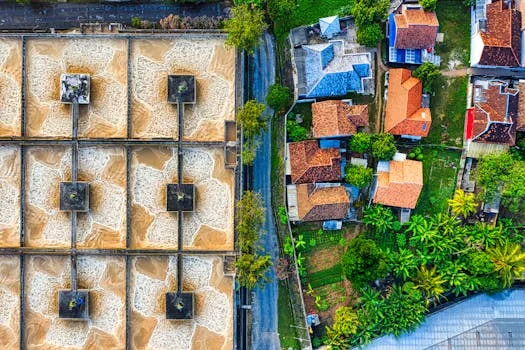
Securing adequate funding and demonstrating a clear return on investment (ROI) are pivotal for the successful implementation of wastewater treatment projects in Salalah. The Oman government actively encourages investment in the wastewater sector, offering incentives such as CAPEX subsidies of up to 40% for projects that rigorously meet the Oman EPA’s 2025 reuse standards (Utilities-ME, 2025, highlighting government directives for private sector investment). These grants significantly reduce the initial financial burden for both municipal and industrial stakeholders, making advanced treatment technologies more accessible.
Public-private partnerships (PPP) represent a common and effective financing model in Oman. Salalah’s Sahlounout wastewater treatment plant, a cornerstone project in the Dhofar Governorate, was developed under a 25-year Build-Operate-Transfer (BOT) model (Oman Observer, 2025). This approach leverages private sector expertise and capital for design, construction, and operation, with the facility eventually transferring to public ownership. Such models can mitigate financial risk for public entities and ensure long-term operational efficiency. For industrial projects, the ROI calculation is often more direct, with payback periods typically ranging from 5–7 years, primarily driven by cost savings from water reuse (reducing potable water purchases) and avoided discharge fees. Municipal projects, while offering broader societal benefits, usually have longer payback periods of 10–12 years, relying on tariff structures and public funding. Compare these benchmarks with Doha’s wastewater treatment cost benchmarks for a broader regional perspective.
Further enhancing financial viability, the Omani government provides tax incentives, including a 5-year exemption on import duties for essential wastewater treatment equipment, as per 2025 Oman Tax Authority guidelines. This incentive directly reduces CAPEX for imported technologies, making advanced solutions more competitive. Calculating ROI for a wastewater treatment plant in Salalah involves considering capital costs, annual operating expenses, and potential revenue streams or cost savings from water reuse or biogas production. An interactive ROI calculator (conceptual) would allow users to input parameters such as plant capacity, chosen technology (e.g., MBR systems), and local utility costs to estimate payback periods and net present value, aiding in informed decision-making.
| Parameter | User Input Example | Impact on ROI |
|---|---|---|
| Plant Capacity (m³/day) | 500 m³/day | Scales CAPEX & OPEX; higher capacity often yields better economies of scale. |
| Technology Choice | MBR System | Determines CAPEX, OPEX breakdown, and effluent quality for reuse. |
| Potable Water Cost (OMR/m³) | 0.003 OMR/m³ (Industrial) | Direct savings from water reuse reduce payback period. |
| Discharge Fee (OMR/m³) | 0.001 OMR/m³ (if applicable) | Avoided costs contribute to faster ROI. |
| Annual Energy Cost (OMR) | Calculated from kWh/m³ and local electricity tariffs | Major OPEX component; impacts long-term profitability. |
| Government Grant (% CAPEX) | Up to 40% | Directly reduces initial investment, improving ROI. |
| Estimated Payback Period | (Calculated) e.g., 5-7 years (Industrial), 10-12 years (Municipal) | Key metric for investment justification. |
Salalah Wastewater Treatment Compliance: Oman EPA, WHO, and Local Standards
Compliance with stringent regulatory frameworks is non-negotiable for any wastewater treatment plant project in Salalah, directly influencing design, technology selection, and operational costs. Oman EPA’s 2025 standards for treated wastewater reuse are among the most rigorous in the region, mandating effluent quality below 10 mg/L for BOD, 5 mg/L for TSS, and 1 NTU turbidity for irrigation purposes (Oman Observer, 2025, with the Sahlounout project serving as a benchmark for compliance). These strict limits necessitate advanced treatment technologies, such as MBR systems, to ensure consistent adherence, thereby avoiding costly penalties and operational disruptions.
In addition to national guidelines, Dhofar-specific rules impose further monitoring requirements, particularly for coastal discharge, including parameters like heavy metals and salinity. These local regulations are designed to protect Salalah's unique marine ecosystems and coastal resources. Oman’s wastewater reuse standards align closely with the World Health Organization’s (WHO) 2024 guidelines for unrestricted irrigation, underscoring the country's commitment to public health and environmental protection. This alignment provides a clear international benchmark for project developers. The permitting timeline for new wastewater treatment plants in Salalah typically ranges from 6–12 months for industrial facilities and 12–18 months for municipal projects, involving multiple government agencies including the Ministry of Environment and Climate Affairs (MECA) and the Dhofar Municipality.
To expedite approvals, a comprehensive checklist is essential: detailed engineering designs, environmental impact assessments (EIAs), water quality analysis of influent and proposed effluent, waste management plans (especially for sludge), and contingency plans for system failures. Proactive engagement with regulatory bodies and thorough documentation can significantly reduce delays and ensure compliance from the outset.
| Parameter | Oman EPA 2025 Reuse Standard | WHO 2024 Guidelines (Unrestricted Irrigation) | Implication for Salalah Projects |
|---|---|---|---|
| BOD5 (mg/L) | <10 | <10 | Requires robust secondary biological treatment. |
| TSS (mg/L) | <5 | <10 | Oman standard is stricter, necessitates advanced filtration/MBR. |
| Turbidity (NTU) | <1 | <2 | Oman standard is stricter, requires tertiary treatment/MBR. |
| Fecal Coliforms (CFU/100mL) | <10 | <10 | Mandates effective disinfection (e.g., UV, chlorination). |
| pH | 6.0 – 9.0 | 6.0 – 9.0 | Standard range. |
Vendor Selection Checklist: How to Choose a Wastewater Treatment Supplier for Salalah
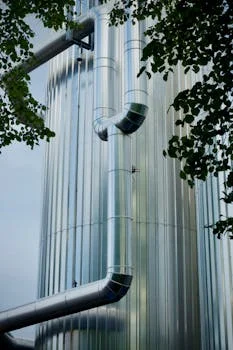
Selecting the right wastewater treatment supplier for a Salalah project is critical for long-term operational success and compliance. A vendor’s local experience is paramount; prioritize suppliers with a proven track record in Oman or specifically in Salalah, demonstrating familiarity with regional environmental conditions, regulatory nuances, and logistical challenges. Experience with projects like the Reysut WWTP can indicate valuable local insights (IHE Delft, 2014).
Evaluate the vendor’s technology fit for your specific needs. For projects focused on high-quality water reuse, a supplier proficient in MBR systems for Salalah’s water reuse projects is essential. If your project involves industrial pre-treatment for high TSS or FOG, expertise in DAF pre-treatment for Salalah’s industrial wastewater is crucial. For budget-constrained municipal projects, conventional system expertise might be more appropriate. Comprehensive after-sales support is non-negotiable; verify that the supplier offers 24/7 service, readily available spare parts within Salalah or accessible proximity, and robust training programs for your operational staff. This ensures minimal downtime and efficient plant management.
Crucially, assess the vendor's compliance expertise. They must demonstrate a thorough understanding of Oman EPA and Dhofar Governorate regulations, providing assurance that their proposed solutions will meet all required effluent standards. Red flags for non-compliant suppliers include a lack of detailed case studies in the region, an inability to provide specific effluent guarantees, or a reluctance to discuss long-term maintenance and operational costs in the Salalah context.
Frequently Asked Questions
Common questions often arise during the planning and procurement phases of wastewater treatment projects in Salalah. Here are some of the most frequent inquiries and their detailed answers:
How much does a 100 m³/day MBR system cost in Salalah?
For a 100 m³/day capacity, an integrated MBR system in Salalah typically costs between $250,000–$350,000 installed (HydropureWater field data, 2025). This estimate includes the MBR unit itself, necessary pre-treatment for Salalah’s high TDS influent (e.g., screening, possibly DAF), civil works, installation, and commissioning. Costs can vary based on site-specific conditions and required automation levels.
What are the operating costs for a DAF system in Salalah?
The operating costs for a DAF system in Salalah generally range from $0.15–$0.25 per m³ of treated wastewater (HydropureWater field data, 2025). This includes energy consumption (for pumps and air compressors) which typically accounts for 40-50% of OPEX, and chemical dosing (coagulants, flocculants) which represents 30-40%. Labor and maintenance make up the remaining 10-20%.
Can treated wastewater be used for agriculture in Salalah?
Yes, treated wastewater in Salalah is extensively used for agriculture and landscaping. Oman EPA’s 2025 reuse standards mandate high-quality effluent (<10 mg/L BOD, <5 mg/L TSS, <1 NTU turbidity) specifically for unrestricted irrigation. The "Green Belt" project in Salalah is a prime example, utilizing recycled wastewater to irrigate over 2,000 acres of parks and green spaces (Oman Observer, 2025).
What permits are required for a new wastewater plant in Salalah?
Key permits for a new wastewater treatment plant in Salalah include an Environmental Clearance Certificate from the Ministry of Environment and Climate Affairs (MECA), a building permit from the Dhofar Municipality, and an operational license from the Public Authority for Water (Diam). Additional permits may be required for specific industrial discharges or coastal outfalls, involving approvals from relevant sector-specific ministries.
How long does it take to build a wastewater treatment plant in Salalah?
The total timeline for a wastewater treatment plant project in Salalah, from initial design to commissioning, typically ranges from 12–18 months for industrial facilities and 18–24 months for municipal projects. This includes 3–6 months for design and engineering, 6–12 months for permitting and approvals, and 6–12 months for construction and commissioning, depending on the plant's size and complexity.
Related Equipment
- compact hospital wastewater solutions for Salalah clinics — view specifications, capacity range, and technical data
Need a customized solution? Request a free quote with your specific flow rate and pollutant parameters.