Industrial Wastewater Treatment in South Australia
Industrial wastewater treatment in South Australia requires on-site pre-treatment before sewer discharge or reuse. SA Water runs major plants at Bolivar, Glenelg and Christies Beach, with trade-waste permits setting limits for BOD, TSS, FOG, pH and metals. Facilities typically use DAF, biological treatment or MBR to meet those limits and avoid high-strength surcharges.
Earlier statewide summaries cited about 28 treatment plants and a combined metro load near 250 ML/day.Bolivar alone has run near 300 ML/day on average, with inlet capacity being raised toward about 630 ML/day to serve northern growth.
Trade waste that carries high metals, hydrocarbons or shock organic loads is not suited to raw discharge. Most plants we size for food and light manufacturing therefore treat at source first, then discharge within permit envelopes or recycle on site.
What Does an Industrial Water Treatment Plant Include?
An industrial water treatment plant for trade waste usually combines screening, oil and solids separation, biological or chemical polishing, and sludge handling sized to the site's peak day flow. Primary units cut FOG and TSS so the sewer or reuse train is not overloaded. Secondary biological stages then remove soluble BOD and COD that gravity or flotation alone cannot capture.
Sites aiming for wash-down or cooling reuse add membrane filtration and disinfection after biology. Compact package plants suit remote yards where visual impact and noise must stay low. Flow equalization is often the cheapest reliability upgrade when batch dumps drive the peak.
Industrial Wastewater Regulations and Compliance
Industrial dischargers must hold a SA Water trade-waste authorisation before releasing anything other than domestic sewage to sewer. The framework sits under the Environment Protection (Water Quality) Policy 2015 and the Water Industry Act 2012. Each authorisation states allowed volume, rate and quality for the connection.
Monitoring centres on BOD, COD, TSS and FOG, with pH typically held between 6.0 and 10.0 and controls on zinc, copper and chromium. Food plants are often told to install grease arrestors or flotation before discharge. High-strength breaches can raise disposal charges by 300% to 500%, and the EPA can issue clean-up orders if biology at metro plants is put at risk.
Common Industrial Wastewater Characteristics by Sector
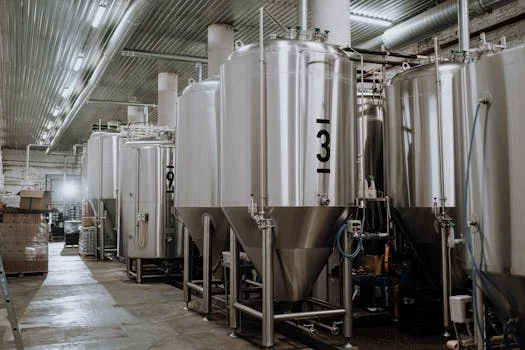
Treatment design follows the contaminant profile of each process stream, not a generic municipal template. Food processing, metal fabrication and wine production dominate many Adelaide and regional catchments, each with different FOG, metal and seasonal organic risks.
Wineries in the Barossa and McLaren Vale can push BOD above 5,000 mg/L during vintage, so biological capacity must absorb short peaks without shocking the sewer. Textile and petrochemical streams are often lower in volume but higher in toxicity, which points to oxidation or membrane polishing rather than flotation alone.
| Industrial Sector | Primary Contaminants | Typical BOD (mg/L) | Typical TSS (mg/L) | Key Treatment Challenge |
|---|---|---|---|---|
| Food Processing | FOG, Sugars, Proteins | 500 – 2,500 | 300 – 1,200 | High FOG emulsification |
| Metalworking | Heavy Metals, Coolants | 100 – 400 | 200 – 800 | Emulsified oil separation |
| Wineries | Ethanol, Organic Acids | 2,000 – 8,000 | 100 – 600 | Extreme seasonal variability |
| Textiles | Dyes, Surfactants | 800 – 3,000 | 100 – 400 | High COD/BOD ratio |
| Petrochemical | Hydrocarbons, Phenols | 200 – 1,000 | 50 – 300 | Toxic organic compounds |
Core Treatment Technologies for Industrial Wastewater
Technology choice depends on the removal target and whether the water returns to sewer or to reuse. For food and beverage sites, dissolved air flotation is still the usual primary step for FOG and free TSS. A high-efficiency DAF system for FOG and TSS removal lifts solids with micro-bubbles for skimming before biology.
Where plants need high-grade irrigation or process reuse, a compact MBR system for high-quality effluent and reuse pairs biology with ultrafiltration and can hold turbidity below 1 NTU without a secondary clarifier. An automatic chemical dosing system supports pH control, emulsion breaking and metal precipitation that flotation or membranes cannot finish alone.
| Technology | Target Pollutants | Removal Efficiency | Operational Footprint |
|---|---|---|---|
| DAF (Dissolved Air Flotation) | TSS, FOG, Insoluble BOD | 90% - 98% | Moderate |
| MBR (Membrane Bioreactor) | BOD, Nitrogen, Bacteria | >98% | Low (Compact) |
| Chemical Dosing | pH, Heavy Metals, Emulsions | Variable | Very Low |
| Activated Sludge | Soluble BOD, COD | 85% - 95% | High |
How Local Industries Apply These Technologies
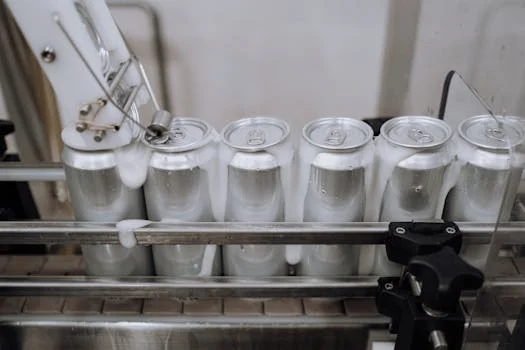
Food processors around Adelaide commonly install DAF to cut influent FOG from about 400 mg/L to less than 20 mg/L before sewer discharge. That step alone often keeps sites out of the highest trade-waste surcharge bands. Near Christies Beach, tighter land parcels push many owners toward MBR footprints about 60% smaller than clarifier trains of equal capacity.
Automotive and heavy manufacturing plants pair chemical dosing with a high-pressure plate and frame filter press to dewater sludge. Cutting sludge volume by up to 75% reduces haulage and landfill fees for residual cake. A few sites have trialled MBR-based closed-loop reuse for non-potable process water where sewer capacity is constrained.
Selecting the Right System for Your Facility
System selection should start from measured flow, contaminant peaks and available footprint, not from a catalogue preference. High-FOG and high-TSS streams such as kitchens or meat plants usually favour DAF units in the 4 to 300 m³/h range as primary treatment. Variable batch dumps need automated dosing and level control to keep daily discharge quality stable.
A WSZ underground integrated sewage treatment plant fits smaller or remote sites where noise and visual impact must stay minimal. When comparing options, weigh CAPEX against avoided surcharges, chemical use and sludge haulage rather than equipment price alone.
| Requirement | Recommended Technology | Key Benefit |
|---|---|---|
| Strict FOG/TSS Limits | DAF System | Rapid separation of oils and solids |
| High Water Reuse Goal | MBR System | Ultra-low turbidity, bacteria-free effluent |
| Low Disposal Budget | Filter Press | Maximum sludge cake dryness |
| Remote/Small Site | Integrated Package Plant | Minimal footprint and noise |
Selection checklist before you tender:
- Confirm SA Water permit limits for BOD, TSS, FOG, pH and metals at your connection.
- Measure peak-day flow and the worst-hour FOG or BOD spike, not only the monthly average.
- Decide sewer discharge versus on-site reuse before locking technology.
- Budget sludge dewatering and cake disposal with the liquid train.
- Allow space for equalization if production is batch-driven.
- Compare OPEX from chemicals, power and surcharges over at least five years.
Who This Is For and Next Step
This guide is for plant engineers, EPC contractors and procurement managers sizing trade-waste pre-treatment or reuse trains for food, wine, metalworking and light manufacturing sites. Look elsewhere if you need municipal utility design, potable reuse certification, or hazardous-waste incineration rather than aqueous treatment. For a duty-based equipment shortlist matched to your permit limits, request a technical quote with your flow and lab data.
Frequently Asked Questions
What does industrial wastewater treatment cost in SA?
Capital cost tracks scale and reuse ambition more than industry label. Small DAF pre-treatment packages commonly start around AUD 150,000, while full MBR trains for high-volume industrial reuse can exceed AUD 2 million. OPEX then hinges on chemical dose, power and sludge haulage against avoided trade-waste surcharges.
How is industrial wastewater treated before sewer discharge?
Most sites use three stages: primary screening and DAF for solids and oils, secondary biology such as activated sludge or MBR for soluble organics, then tertiary filtration and disinfection only when reuse is the goal. Permit limits decide how far each stage must go. Skipping primary FOG control is the most common cause of surcharge spikes.
Where does treated industrial wastewater go after discharge?
After meeting trade-waste standards, most effluent enters the municipal sewer for final treatment at plants such as Bolivar or Glenelg. Some factories recycle polished water for wash-down, irrigation or cooling instead of discharging the full volume. Untreated high-strength waste should not enter the reticulated network.
Which rules govern industrial effluent discharge to sewer?
Dischargers must follow SA Water trade-waste authorisation conditions and the Environment Protection (Water Quality) Policy 2015. Those instruments set BOD, TSS, pH, temperature and metal limits that protect sewers and receiving waters. Operating without an authorisation for non-domestic waste is not permitted.
Which industries generate the largest trade-waste loads?
Food and beverage operations, including wineries and meat processing, plus manufacturing and metal fabrication, produce the largest combined trade-waste volumes in many catchments. Seasonal wine vintage creates short BOD peaks that dwarf annual averages. Metalworking volumes are often lower but need emulsion and metal controls.