Edinburgh's industrial facilities face stringent SEPA discharge limits (BOD <20 mg/L, COD <125 mg/L, TSS <30 mg/L) and trade effluent charges up to £2.15/m³. The city's 300M litre/day Seafield plant handles municipal wastewater, but industrial dischargers must pre-treat effluent to meet consent conditions. This 2025 guide compares DAF (95% TSS removal), MBR (99% pathogen reduction), and chemical dosing systems for Edinburgh's key industries, with capital costs ranging from £85,000 to £1.2M depending on flow rate (5-50 m³/h) and required effluent quality.
Edinburgh's Industrial Wastewater Challenge: Compliance, Costs and Consequences
Edinburgh's Seafield Wastewater Treatment Works (WwTW) serves nearly one million people, yet industrial dischargers within the city limits are strictly regulated by Scottish Water and the Scottish Environment Protection Agency (SEPA) to prevent heavy metal and high-COD shock loads from destabilizing the municipal biological processes. Failure to comply with these limits results in heavy financial penalties; for instance, an Edinburgh-based distillery was fined £120,000 in 2024 after SEPA enforcement data revealed chronic copper discharge violations that exceeded the 2 mg/L threshold for the local sewer network. In industrial zones like Sighthill, the density of manufacturing units often leads to localized pressure on the sewer network, necessitating precise flow balancing to avoid hydraulic surges that could overwhelm smaller pumping stations and trigger emergency overflows.
For facilities in industrial zones such as Leith, Sighthill, and Newbridge, the financial burden of untreated discharge is calculated using the Mogden formula. In Edinburgh, the base rate for trade effluent is approximately £2.15/m³, but surcharges for chemical oxygen demand (COD) and settled sludge (SS) can triple this cost for high-strength waste. A facility discharging 10 m³/h of high-strength effluent without pre-treatment can face annual charges exceeding £180,000. Implementing an on-site treatment system often reduces these operational costs by 40-60%, providing a significant 5-year Total Cost of Ownership (TCO) advantage over direct discharge. The reduction in the 'B' (biological) and 'S' (sludge) components of the Mogden billing, which are the most volatile variables in Scottish Water's annual tariff reviews, further bolsters this financial incentive.
| Industry Sector | Key Parameter | Standard Consent Limit | Typical Raw Effluent (Pre-treatment) |
|---|---|---|---|
| Distilleries | Copper / pH | < 2.0 mg/L / 6.0-9.0 | 10-15 mg/L / pH 3.5-4.5 |
| Food Processing | FOG / BOD | < 100 mg/L / < 350 mg/L | 500-2,000 mg/L / < 2,500 mg/L |
| Pharmaceuticals | Active Ingredients | Site-Specific | Variable high-toxicity loads |
| Electronics | Fluoride / Metals | < 15 mg/L / < 0.5 mg/L | 50-100 mg/L / 5-10 mg/L |
How Edinburgh's Regulations Shape Industrial Wastewater Treatment Choices
SEPA’s 2025 Industrial Emissions Directive (IED) implementation for Edinburgh mandates that facilities in the food, beverage, and chemical sectors adopt Best Available Techniques (BAT) to minimize environmental impact. For industrial dischargers, the choice between sewer discharge and surface water discharge (e.g., into the Water of Leith or the Firth of Forth) is dictated by increasingly narrow parameter windows. Surface water permits are significantly harder to obtain, requiring ammonia levels below 5 mg/L, whereas Scottish Water’s trade effluent consent for sewer discharge may allow up to 20 mg/L, albeit at a higher volumetric cost. The Scottish Government’s 'Hydro Nation' strategy encourages industries to view wastewater as a potential resource, pushing for higher efficiency standards that often exceed basic SEPA compliance during the initial permit application phase.
The application process for a trade effluent consent in Edinburgh typically spans 12-16 weeks. During this period, Scottish Water evaluates the hydraulic capacity of the local sewer and the biological capacity of the Seafield plant. High-density industrial areas like Leith face specific challenges due to aging infrastructure, often making how another city handles industrial wastewater compliance a relevant benchmark for local managers looking at global best practices. A recent case study of a Leith-based seafood processor demonstrated that installing a localized screening and DAF system reduced their Mogden-based trade effluent charges by 42% by lowering the "S" (sludge) and "B" (biological) components of the formula. This proactive approach not only secures compliance but also mitigates the risk of sudden "stop-notices" which can halt production during peak seasonal demand.
| Discharge Route | Regulatory Authority | Permit Timeline | Critical Compliance Parameters |
|---|---|---|---|
| Public Sewer (Trade Effluent) | Scottish Water | 12-16 Weeks | COD, TSS, pH, Temperature, FOG |
| Surface Water (Direct) | SEPA | 4-6 Months | Ammonia, Nitrate, Dissolved Oxygen, Metals |
Industrial Wastewater Treatment Technologies for Edinburgh: Process, Performance and Payback
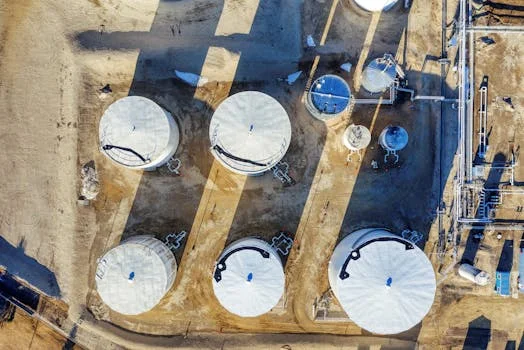
Dissolved Air Flotation (DAF) systems achieve up to 97% Total Suspended Solids (TSS) removal in distillery and food processing applications by utilizing micro-bubbles to buoy particles to the surface for mechanical skimming. For Edinburgh facilities with high organic loads, Edinburgh-optimized DAF systems for industrial wastewater are the standard for pre-treatment, particularly where Fats, Oils, and Grease (FOG) exceed 100 mg/L. These systems are highly effective at reducing the COD associated with particulate matter, typically stripping 60-80% of the raw COD load before the effluent enters the municipal system. Integrating real-time turbidity sensors with automated chemical dosing allows Edinburgh operators to adjust coagulant volumes instantly, compensating for the variable organic loads produced during batch production cycles.
For facilities requiring high-quality effluent for reuse or direct discharge, Membrane Bioreactors (MBR) offer a 60% smaller footprint than conventional activated sludge plants, making them ideal for urban Edinburgh sites with limited yard space. These compact MBR systems for Edinburgh's urban industrial sites provide 99.99% pathogen reduction and can produce water suitable for non-potable industrial reuse, such as cooling tower make-up or floor wash-down. Given Edinburgh's moderately hard water (calcium carbonate 120-180 mg/L), precise chemical dosing for Edinburgh's hard water conditions is essential to prevent scaling in membranes and ensure optimal flocculation during the pre-treatment phase. Advanced control systems now allow for remote monitoring, ensuring that any deviation in effluent quality is flagged before it reaches the Scottish Water monitoring point at the site boundary.
| Technology | TSS Removal % | COD Removal % | Energy Use (kWh/m³) | Primary Application |
|---|---|---|---|---|
| DAF | 92-97% | 60-80% | 0.2 - 0.5 | Distilleries, Seafood, Dairy |
| MBR Integrated | > 99% | 85-95% | 0.8 - 1.5 | Pharmaceuticals, Water Reuse |
| Chemical Dosing | Variable | Variable | < 0.1 | pH Correction, Heavy Metals |
Cost Breakdown: Industrial Wastewater Treatment Systems for Edinburgh Facilities
Capital expenditure for a 15 m³/h industrial wastewater treatment system in Edinburgh typically ranges from £85,000 for DAF-based pre-treatment to over £350,000 for full-scale MBR reclamation units. Beyond the initial purchase, operational costs are driven by Edinburgh’s industrial electricity tariff (averaging £0.18/kWh) and chemical consumption, which ranges from £0.80 to £2.50 per cubic metre depending on the influent strength. Sludge disposal remains a significant variable, with local contractors charging between £120 and £250 per tonne for transport and processing at certified facilities in the Lothians. Managers should also explore the Annual Investment Allowance (AIA), which may allow Edinburgh businesses to deduct the full cost of qualifying wastewater machinery from their taxable profits in the year of purchase.
The Return on Investment (ROI) for these systems is primarily driven by the avoidance of trade effluent surcharges. A facility processing 15 m³/h for 16 hours a day can save approximately £65,000 annually in Scottish Water charges by reducing their effluent COD from 5,000 mg/L to 1,000 mg/L. This results in a typical payback period of 3.2 years for a DAF system. For a detailed cost comparison of DAF systems, engineers should consider the long-term savings in sludge dewatering and chemical optimization which are often overlooked in initial budgetary quotes. Additionally, the reduction in potential environmental liability insurance premiums can provide further indirect financial benefits for Edinburgh-based firms adopting these technologies.
| System Type (15 m³/h) | CAPEX Range | Annual OPEX | Estimated Payback |
|---|---|---|---|
| DAF Pre-treatment | £85,000 - £160,000 | £22,000 | 2.5 - 3.5 Years |
| MBR Full Treatment | £220,000 - £450,000 | £45,000 | 4.5 - 6.0 Years |
| Advanced Oxidation | £110,000 - £190,000 | £30,000 | 3.0 - 4.0 Years |
Selecting the Right System for Your Edinburgh Industrial Facility
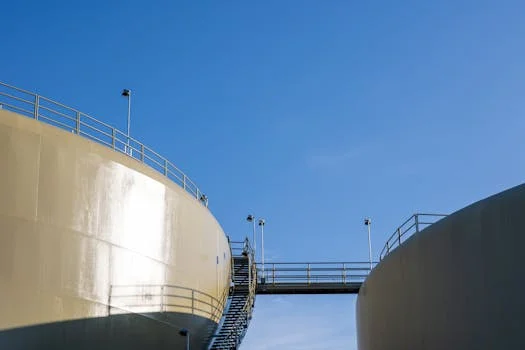
Selecting the optimal treatment technology requires a multi-variant analysis of influent COD strength, available footprint in Edinburgh's constrained urban zones, and the target discharge route. For distilleries located near the city center, noise restrictions and visual impact are as critical as removal efficiency. In these cases, enclosed DAF units with integrated chemical dosing are preferred over open-tank systems. Electronics manufacturers in the Silicon Glen corridor, conversely, must prioritize chemical precipitation and ion exchange to meet stringent fluoride and heavy metal limits before the water reaches the sewer. Given Scotland's colder climate, ensuring that biological systems like MBR are properly insulated or housed in temperature-controlled environments is vital for maintaining metabolic rates of the bacteria during winter months.
When evaluating suppliers for an Edinburgh project, facility managers should prioritize those with documented experience in SEPA liaison