DAF (Dissolved Air Flotation) systems are the gold standard for industrial wastewater treatment in New Zealand, achieving 95–98% removal of total suspended solids (TSS), fats/oils/grease (FOG), and biochemical oxygen demand (BOD) in food processing, pulp & paper, and municipal applications. In 2025, New Zealand’s regional councils enforce strict trade waste bylaws (e.g., Auckland Council’s 30 mg/L TSS limit), making DAF systems essential for compliance. This guide provides New Zealand-specific engineering specs, cost benchmarks (NZD 150,000–NZD 1.2M for turnkey systems), and a decision framework to select the right DAF solution for your facility.
How DAF Systems Work: The Science Behind Micro-Bubble Flotation
Dissolved Air Flotation systems operate by injecting fine air bubbles into pre-treated wastewater, causing suspended particles to float to the surface for removal. The process begins with chemical dosing, where coagulants (e.g., polyaluminium chloride, PAC) and flocculants are added to neutralize charges and aggregate small particles into larger, more easily floatable flocs. This pre-treatment step is critical for efficient particle separation. The wastewater then enters a pressurized saturation vessel where air is dissolved under high pressure (typically 4–6 bar). Upon release into the DAF tank at atmospheric pressure, the dissolved air forms a cloud of microscopic bubbles, typically 20–50 μm in diameter. These micro-bubbles attach to the conditioned flocs, significantly reducing their effective density to less than 1 g/cm³, causing them to rapidly float to the surface. A mechanical skimmer continuously removes the concentrated sludge blanket, leaving clarified effluent.
The efficiency of DAF systems, particularly those utilizing advanced micro-bubble technology, is attributed to the high surface area provided by these small bubbles. DAF systems generate 20–50 μm bubbles (compared to 100–200 μm in induced air flotation), increasing the surface area for particle attachment by 4–10x (per EPA 2023 benchmarks). This enhanced attachment efficiency translates directly into superior separation performance. For New Zealand industrial wastewater treatment, micro-bubble DAF systems offer significant advantages, notably reducing chemical consumption by 30–40% compared to conventional sedimentation, which is critical given New Zealand’s high costs for coagulants like polyaluminium chloride, typically ranging from NZD 2.50–NZD 4.00/kg. DAF systems handle significantly higher hydraulic loading rates, typically operating at 5–15 m/h compared to 1–3 m/h for traditional sedimentation tanks, leading to a 60–80% reduction in footprint—an ideal solution for space-constrained industrial sites across New Zealand. While Membrane Bioreactors (MBR) offer high effluent quality, their capital and operational costs are substantially higher than DAF for primary clarification, making DAF a more cost-effective choice for initial solids and FOG removal.
DAF System Performance Benchmarks for New Zealand Industries
DAF systems consistently achieve high removal efficiencies across various industrial wastewater streams in New Zealand, making them a reliable choice for meeting stringent discharge limits. For food processing plants, DAF systems typically remove 95–98% of total suspended solids (TSS), 90–95% of fats, oils, and grease (FOG), and 85–92% of biochemical oxygen demand (BOD), treating influent concentrations that can range from 500–5,000 mg/L TSS and 200–1,500 mg/L FOG. In the pulp & paper sector, where influent TSS can be as high as 1,000–10,000 mg/L, DAF systems achieve 92–97% TSS removal and 85–90% chemical oxygen demand (COD) reduction. Municipal pre-treatment applications see 90–95% TSS removal and 80–85% BOD reduction from influent streams typically containing 200–800 mg/L TSS.
New Zealand DAF systems typically operate with hydraulic loading rates of 5–12 m/h, although high-rate systems, such as the Hydroflux HyDAF, can achieve up to 15 m/h, maximizing space efficiency on industrial sites. Chemical consumption is a key operational parameter; coagulant dosage generally ranges from 50–200 mg/L (PAC) and polymer dosage from 1–5 mg/L, depending on the influent turbidity and specific wastewater characteristics (per NZ Water & Wastes Association 2024 guidelines). Sludge production from DAF systems typically yields 0.5–2% dry solids content, which can reduce subsequent sludge disposal costs by 30–50% compared to the more dilute sludges generated by sedimentation (Top 1 scraped content). This drier sludge is easier to dewater using equipment like plate and frame filter presses, further optimizing operational expenditure.
| Parameter | Food Processing (Influent Range) | Pulp & Paper (Influent Range) | Municipal Pre-treatment (Influent Range) |
|---|---|---|---|
| TSS Removal | 95–98% (500–5,000 mg/L) | 92–97% (1,000–10,000 mg/L) | 90–95% (200–800 mg/L) |
| FOG Removal | 90–95% (200–1,500 mg/L) | N/A | N/A |
| BOD Removal | 85–92% | N/A | 80–85% |
| COD Removal | N/A | 85–90% | N/A |
| Hydraulic Loading Rate | 5–12 m/h (up to 15 m/h for high-rate systems) | ||
| Coagulant Dosage (PAC) | 50–200 mg/L | ||
| Polymer Dosage | 1–5 mg/L | ||
| Sludge Dry Solids | 0.5–2% | ||
New Zealand Compliance Requirements for DAF Systems
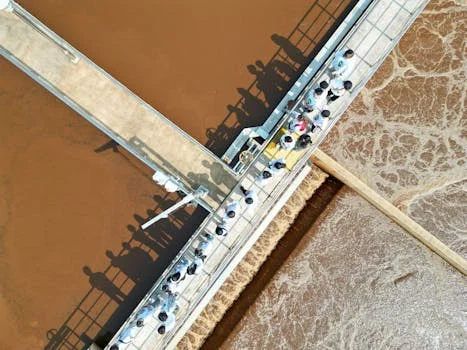
DAF systems in New Zealand must comply with a multi-layered regulatory framework, primarily governed by the Resource Management Act 1991 (RMA), which provides the overarching environmental management legislation. Under the RMA, regional councils develop and enforce specific trade waste bylaws and resource consent requirements that directly impact industrial wastewater discharges. NZ Water Standards, such as NZS 4441:2008 for wastewater treatment, also provide technical guidelines and best practices that facilities are expected to follow. Adhering to these regulations is crucial for avoiding penalties and ensuring sustainable operations.
Compliance requirements for DAF systems vary significantly across New Zealand’s regions due to localized environmental sensitivities and council policies. For instance, Auckland Council’s Trade Waste Bylaw 2022 sets strict limits of 30 mg/L TSS, 10 mg/L FOG, and 200 mg/L BOD for discharges to the public sewer network. In contrast, the Wellington Regional Council’s Wellington Water Trade Waste Policy 2023 specifies limits of 50 mg/L TSS and 15 mg/L FOG. Environment Canterbury’s Trade Waste Bylaw 2021 sets limits at 40 mg/L TSS and 10 mg/L FOG. These regional variations necessitate a thorough understanding of local bylaws when specifying and operating a DAF system. DAF systems may require resource consents under the RMA, particularly for discharges to sensitive receiving environments like Lake Taupō or the Waikato River, where environmental impacts are closely scrutinized. Facilities discharging more than 50 m³/day are typically required to implement continuous online monitoring for key parameters such as turbidity and pH, enabling real-time data collection and reporting to regulatory bodies (per NZ Water Standards).
| Parameter | Auckland Council (Trade Waste Bylaw 2022) | Wellington Regional Council (Trade Waste Policy 2023) | Canterbury Regional Council (Trade Waste Bylaw 2021) |
|---|---|---|---|
| Total Suspended Solids (TSS) | 30 mg/L | 50 mg/L | 40 mg/L |
| Fats, Oils, Grease (FOG) | 10 mg/L | 15 mg/L | 10 mg/L |
| Biochemical Oxygen Demand (BOD) | 200 mg/L | N/A | N/A |
| pH Range | 6.0–9.0 | 6.0–9.0 | 6.0–9.0 |
DAF System Costs in New Zealand: CAPEX, OPEX, and Rental Options
The total cost of ownership for a DAF system in New Zealand encompasses both Capital Expenditure (CAPEX) and Operational Expenditure (OPEX), with rental options providing flexibility for certain applications. For turnkey DAF systems for New Zealand industrial wastewater, CAPEX varies significantly based on flow rate and complexity. Small systems designed for 4–20 m³/h typically range from NZD 150,000–NZD 400,000. Medium-sized systems handling 20–100 m³/h generally fall between NZD 400,000–NZD 800,000. Larger systems, capable of treating 100–300 m³/h, can cost NZD 800,000–NZD 1.2M. These figures include the DAF unit, associated pumps, chemical dosing equipment, controls, and installation.
Operational expenditure (OPEX) is a critical factor in the long-term economic viability of a DAF system. Energy consumption for pumps and air compressors typically ranges from 0.2–0.5 kWh/m³, translating to NZD 0.05–NZD 0.15/m³ at an average electricity cost of NZD 0.25/kWh in New Zealand. Chemical costs, primarily for PAC and polymer, are a significant component, averaging NZD 0.10–NZD 0.30/m³ depending on influent quality and dosage rates. Annual maintenance, including labor and spare parts, should be budgeted at NZD 15,000–NZD 50,000. Sludge disposal costs, which vary by region and dry solids content, typically range from NZD 80–NZD 150/tonne for dry solids. For facilities with temporary or fluctuating wastewater treatment needs, rental options are available; Xylem NZ, for example, offers DAF rental systems starting at NZD 5,000/month for a 20 m³/h unit, often including maintenance and operator training (per Top 2). A compelling return on investment (ROI) can be achieved: a 50 m³/h DAF system costing NZD 600,000 can generate annual savings of NZD 120,000 in trade waste fees (based on Auckland Council’s typical penalty rates) and NZD 50,000 in reduced chemical costs for downstream processes, yielding a 3–4 year payback period.
| Cost Category | Description | Typical Range (2025 NZD) |
|---|---|---|
| Capital Expenditure (CAPEX) | Small DAF System (4–20 m³/h) | NZD 150,000–NZD 400,000 |
| Medium DAF System (20–100 m³/h) | NZD 400,000–NZD 800,000 | |
| Large DAF System (100–300 m³/h) | NZD 800,000–NZD 1.2M | |
| Operational Expenditure (OPEX) per m³ | Energy (0.2–0.5 kWh/m³ @ NZD 0.25/kWh) | NZD 0.05–NZD 0.15/m³ |
| Chemicals (PAC + Polymer) | NZD 0.10–NZD 0.30/m³ | |
| Maintenance (Annual) | NZD 15,000–NZD 50,000/year | |
| Sludge Disposal | NZD 80–NZD 150/tonne (dry solids) | |
| Rental Options | 20 m³/h DAF System | Starting at NZD 5,000/month |
Choosing the Right DAF System for Your New Zealand Facility
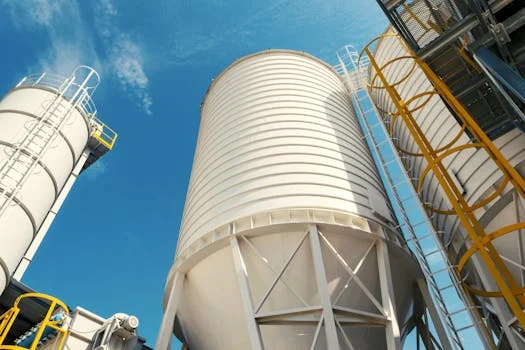
Selecting the optimal DAF system for an industrial facility in New Zealand requires a structured decision framework that considers influent characteristics, operational demands, and compliance objectives. The first step involves accurately determining your influent wastewater characteristics, including total suspended solids (TSS), fats, oils, and grease (FOG), chemical oxygen demand (COD), and pH. These parameters dictate the DAF system's design and chemical requirements. Secondly, match these characteristics to the appropriate DAF type: high-rate DAF systems are typically best suited for food processing and pulp & paper industries due to their high solids and FOG loads, while conventional DAF systems are often sufficient for municipal pre-treatment or applications with lower suspended solids. The third step is to size the system based on your peak hydraulic loading rate, typically ranging from 5–15 m/h, ensuring it can handle maximum flow without compromising performance. Next, select the appropriate automation level, ranging from manual operation to fully PLC-controlled systems with automatic chemical dosing, which can optimize efficiency and reduce labor costs. Finally, evaluate vendor support, prioritizing local service availability, spare parts inventory, and technical expertise to ensure reliable long-term operation. For a broader perspective on DAF system selection, refer to our DAF system selection guide for Asia-Pacific markets.
Different DAF system configurations offer distinct advantages for specific industrial applications. Conventional DAF systems, with their lower CAPEX and hydraulic loading rates of 5–8 m/h, are often the most economical choice for municipal pre-treatment or industries with relatively consistent, lower-strength wastewater. High-rate DAF systems, while having a higher CAPEX, are designed for more demanding applications in food processing and pulp & paper, achieving hydraulic loading rates of 10–15 m/h and superior solids separation. For temporary needs, such as seasonal food processing peaks or pilot projects, rental DAF systems offer flexibility without significant capital investment. In the New Zealand market, several providers offer specialized DAF solutions. Hydroflux Epco provides HyDAF systems with strong local support, focusing on food and pulp & paper industries. Xylem NZ offers robust DAF rental options, often catering to municipal and temporary requirements. KWI Group, represented by partners like JIPL, brings global expertise with high-rate systems optimized for industrial wastewater. For global cost and compliance benchmarks, explore our global DAF system cost and compliance benchmarks. For more on specific applications, see our food industry wastewater treatment solutions.
| Decision Factor | Conventional DAF | High-Rate DAF | Rental DAF |
|---|---|---|---|
| Primary Application | Municipal pre-treatment, lower solids industrial | Food processing, pulp & paper, high solids/FOG industrial | Temporary needs, seasonal processing, pilot studies |
| CAPEX | Lower | Higher | Minimal upfront |
| Hydraulic Loading Rate | 5–8 m/h | 10–15 m/h | Typically 4–20 m/h (smaller units) |
| Footprint | Moderate | Compact | Variable, often containerized |
| Effluent Quality | Good | Excellent | Good (depends on specific unit) |
| Flexibility | Low | Moderate | High |
| Typical Providers (NZ) | Local fabricators, some global brands | Specialized engineering firms (e.g., KWI Group via JIPL, Hydroflux Epco) | Equipment rental specialists (e.g., Xylem NZ) |
Operational Best Practices for DAF Systems in New Zealand
Optimizing DAF system performance in New Zealand’s diverse industrial landscape is crucial for minimizing operating costs and ensuring consistent compliance. Chemical optimization through regular jar testing is critical for New Zealand’s variable influent streams, such as those found in dairy versus meat processing plants. For typical food wastewater, a PAC dosage of 50–100 mg/L is often effective, while pulp & paper wastewater may require 200–300 mg/L PAC due to higher solids and organic loads. Maintaining a consistent pH range of 6.5–7.5 for optimal flocculation is essential, as mandated by NZ Water Standards; this often requires precise dosing of caustic soda (NZD 1.20/kg) or sulfuric acid (NZD 0.80/kg). Micro-bubble tuning, specifically adjusting the air-to-solids (A/S) ratio, is key to efficient flotation; aim for an A/S ratio of 0.02–0.06 for food wastewater and 0.05–0.10 for pulp & paper to ensure robust floc flotation and minimal carryover.
Effective sludge management significantly impacts overall DAF operational expenses. It is best practice to thicken DAF sludge to 3–5% dry solids before further dewatering, for example, with a plate and frame filter press, to substantially reduce disposal costs. Troubleshooting common DAF issues can prevent costly downtime. If poor flotation occurs, operators should immediately check the A/S ratio, verify pH levels, and reassess coagulant dosage. High effluent TSS often indicates issues with skimmer blade alignment or insufficient polymer dosage. Persistent foaming may necessitate reducing air pressure or introducing an antifoam agent, which typically costs NZD 5–NZD 10/L. Implementing a robust preventive maintenance schedule and training operators on these best practices will ensure the DAF system operates at peak efficiency.
Frequently Asked Questions
How does a DAF system reduce trade waste fines in NZ?
A DAF system significantly reduces trade waste fines by efficiently removing suspended solids, FOG, and BOD to meet regional council discharge limits. For example, by reducing TSS from 500 mg/L to below Auckland Council's 30 mg/L limit, a DAF system prevents non-compliance penalties, which can be substantial.
What are typical DAF system maintenance requirements in NZ?
Typical DAF maintenance includes daily checks of chemical levels, skimmer operation, and air compressor function. Weekly tasks involve sludge removal and cleaning of the DAF tank. Quarterly and annual maintenance includes pump inspections, air diffuser cleaning, and calibration of sensors, costing NZD 15,000–NZD 50,000 annually.
Can DAF systems handle seasonal variations in wastewater for NZ food processors?
Yes, DAF systems are well-suited for seasonal variations in food processing wastewater. With proper design and operational flexibility, including adjustable chemical dosing rates and hydraulic loading capabilities, DAF units can adapt to fluctuations in flow rates and contaminant concentrations, common in industries like dairy or fruit processing.
What is the lifespan of a DAF system?
A well-maintained DAF system typically has a lifespan of 15–25 years. Key components like pumps and air compressors may require replacement every 5–10 years, while the main tank structure, often made of stainless steel, can last for decades with proper care and corrosion prevention.
How does DAF compare to MBR for BOD removal in NZ?
DAF is primarily a physical-chemical pre-treatment for high-level TSS/FOG/BOD removal (85-92% BOD). MBR (Membrane Bioreactor) is a biological treatment combined with membrane filtration, achieving much higher BOD removal (>98%) for direct discharge or reuse. DAF has lower CAPEX and OPEX for initial solids removal, while MBR is chosen for very high effluent quality requirements.