Rio Grande do Sul’s sewage treatment equipment market is dominated by suppliers offering DAF systems (95%+ TSS removal), MBR bioreactors (60% smaller footprint), and underground package plants (1–80 m³/h capacity). With FEPAM enforcing stricter discharge limits (e.g., <30 mg/L BOD for meatpacking) and industrial growth in Porto Alegre and Caxias do Sul, buyers must evaluate suppliers on compliance support, local service, and cost. This guide compares 2025 technical specs, costs (CAPEX: $50K–$2M), and vendor strengths for RS’s top 8 suppliers.
Why Rio Grande do Sul’s Sewage Treatment Market is Unique in 2025
FEPAM Resolution 355/2020 mandates that industrial facilities in Rio Grande do Sul adhere to discharge limits that often exceed federal CONAMA 430/2011 requirements, particularly for Biochemical Oxygen Demand (BOD) and Phosphorus in sensitive basins like the Taquari-Antas. In the meatpacking sector, which anchors the state’s economy, effluent must typically reach <30 mg/L BOD before discharge into local water bodies. This regulatory pressure, combined with the state's geography—ranging from the industrial density of the Porto Alegre metropolitan area to the agricultural expanses of the Campanha region—requires highly specialized equipment configurations.
Water stress zones in the Sinos and Gravataí river basins have forced many manufacturers in Caxias do Sul and Gravataí to shift from simple discharge to complex water reuse models. While CORSAN manages municipal sewage for 317 municipalities, the industrial sector relies heavily on private suppliers for customized systems. Economic factors also play a critical role; with the BRL/USD exchange rate averaging 5.1 in 2024, the cost of imported components has inflated by 15–20% year-over-year. This has led to a market bifurcation where buyers choose between high-tech international membrane systems and robust, BRL-denominated local mechanical equipment.
| Industrial Sector | Key Hub in RS | FEPAM Discharge Limit (Typical) | Primary Pollutant Challenge |
|---|---|---|---|
| Meatpacking | Passo Fundo / Lajeado | <30 mg/L BOD | High Fats, Oils, and Grease (FOG) |
| Textiles | Pelotas / Porto Alegre | <50 mg/L COD | Color and Refractory Organics |
| Automotive | Gravataí / Caxias do Sul | <100 mg/L TSS | Heavy Metals and Suspended Solids |
| Metalworking | Caxias do Sul | <20 mg/L Oil/Grease | Emulsified Coolants |
Sewage Treatment Equipment Types for Rio Grande do Sul: Technical Specs & Use Cases
Dissolved Air Flotation (DAF) remains the primary technology for Rio Grande do Sul’s food processing and textile industries due to its ability to handle high organic loads. The DAF systems for Rio Grande do Sul’s food processing and textile industries utilize micro-bubble generation (20–50 microns) to achieve up to 95% Total Suspended Solids (TSS) removal and 80% FOG reduction. For a dairy plant in the Serra Gaúcha, a DAF system is often the only viable pre-treatment to prevent the clogging of downstream biological stages, especially during peak production cycles where flow rates vary between 4 and 300 m³/h.
For facilities with severe land constraints or those pursuing high-grade water reuse, Membrane Bioreactors (MBR) offer a 60% smaller footprint compared to conventional activated sludge systems. The MBR systems for land-constrained sites in Porto Alegre and Caxias do Sul utilize 0.1 μm pore size membranes, producing effluent with turbidity levels below 1 NTU. This technology is increasingly adopted by hospitals and hotels in Porto Alegre to meet hospital wastewater treatment compliance in Brazil, allowing for non-potable reuse in cooling towers and irrigation.
In rural municipalities and temporary construction sites, the WSZ series underground package plants provide a low-maintenance solution. These WSZ series package plants for rural RS municipalities and small industries operate on an Anaerobic/Oxic (A/O) process, requiring no full-time operator and handling capacities from 1 to 80 m³/h. Additionally, for large-scale industrial plants, sludge dewatering is critical; plate and frame filter presses with up to 500 m² of filtration area are used to achieve 20–30% cake solids, significantly reducing the volume of waste destined for RS landfills.
| Equipment Type | TSS Removal Efficiency | Typical Footprint | Best Use Case in RS |
|---|---|---|---|
| DAF | 90–98% | Medium | Meatpacking and Dairy Pre-treatment |
| MBR Bioreactor | 99.9% | Compact | Urban Water Reuse / Hospitals |
| Underground Package (WSZ) | 80–90% | Minimal (Buried) | Rural Communities / Construction Camps |
| Filter Press | N/A (Dewatering) | Small to Large | Textile and Chemical Sludge Management |
Top 8 Sewage Treatment Equipment Suppliers in Rio Grande do Sul: 2025 Comparison
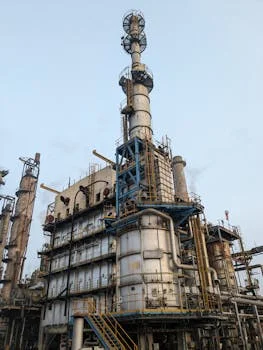
Supplier selection in Rio Grande do Sul is frequently dictated by the balance between advanced technological specifications and the availability of local technical support. International firms often provide superior membrane longevity, while local manufacturers offer the advantage of BRL pricing and immediate spare parts availability. The following comparison highlights the dominant players in the 2025 market landscape.
- AquaTech Solutions Brasil: Specializes in turnkey anaerobic and aerobic systems. They are the preferred choice for large-scale breweries in Porto Alegre, offering 24/7 support. Weakness: High CAPEX, often exceeding $1M for full-scale industrial plants.
- EcoRecycle Indústria: Focused on modular, scalable systems for small to medium enterprises (SMEs). Their pricing is BRL-denominated, insulating buyers from currency swings. Weakness: Limited experience with high-flux MBR technology.
- Vogelsang Brasil: Based in São Leopoldo, they provide world-class rotary lobe pumps and disintegration technology. Weakness: They supply components rather than integrated treatment plants.
- SEIBT: A Nova Petrópolis-based manufacturer known for plastic recycling equipment, now expanding into primary sewage screening. Weakness: Lack of DAF or biological treatment offerings.
- Hidrocicle: Specializes in hybrid rainwater and sewage systems for rural RS. Weakness: Limited to small-scale applications below 50 m³/h.
- HydropureWater: Provides high-performance MBR and DAF systems via regional distributors. They offer 10-year membrane warranties and pricing roughly 20% lower than Tier-1 domestic turnkey providers. Weakness: Service network is still expanding in the southern interior.
- Saneamento Verde: Focuses on municipal Public-Private Partnerships (PPPs) and large-scale CORSAN contracts. Weakness: Industrial-grade customization is not their primary focus.
- TechnoSaneamento: Engineering-heavy firm with a strong track record in the automotive sector, including projects in Gravataí. Weakness: Lead times can extend to 9 months due to custom engineering requirements.
| Supplier | Primary Equipment | CAPEX Range (USD) | Local RS Service | Key Sector |
|---|---|---|---|---|
| AquaTech | Turnkey DAF/Anaerobic | $500K – $2M | Yes (Porto Alegre) | Beverage/Food |
| EcoRecycle | Modular Aerobic | $40K – $250K | Yes (Canoas) | SMEs |
| HydropureWater | MBR / DAF | $150K – $800K | Via Distributor | Industrial Reuse |
| TechnoSaneamento | Custom Chemical/Phys | $300K – $1.2M | Yes (Gravataí) | Automotive |
Cost Benchmarks for Sewage Treatment Equipment in Rio Grande do Sul (2025)
CAPEX for sewage treatment in Rio Grande do Sul varies significantly based on the level of automation and the quality of materials required to resist the humid, subtropical climate of the region. A standard DAF system for a medium meatpacking plant typically ranges from $50,000 to $500,000, while MBR systems for high-purity reuse can reach $1.5 million. These costs are influenced by the 2024 RS inflation rate of 4.2% and the fluctuating costs of stainless steel and specialized membranes.
OPEX is dominated by energy consumption, which accounts for 30–40% of the total operating cost, followed by chemical dosing (coagulants and flocculants) at 20–30%. For MBR systems, membrane replacement represents a significant periodic cost, typically between $5,000 and $20,000 annually depending on the flux rate and cleaning protocols. Permitting through FEPAM also adds to the budget, with environmental licensing fees ranging from R$10,000 to R$50,000 and mandatory CONAMA compliance testing costing up to R$20,000 per year.
| Cost Category | DAF System (50 m³/h) | MBR System (50 m³/h) | WSZ Package Plant (10 m³/h) |
|---|---|---|---|
| CAPEX | $150,000 – $350,000 | $400,000 – $900,000 | $30,000 – $80,000 |
| Annual Energy | $12,000 | $28,000 | $3,500 |
| Annual Chemicals | $15,000 | $4,000 | $1,200 |
| Maintenance/Labor | $8,000 | $15,000 | $2,000 |
Return on Investment (ROI) is most achievable through water reuse. A meatpacking plant in RS installing a $400,000 DAF and aerobic system can see a payback period of approximately 3 years by reducing municipal water intake by 30%. Financing through BNDES (National Bank for Economic and Social Development) remains the most common route for RS companies, offering interest rates between 6% and 8% for green technology investments.
How to Choose a Sewage Treatment Equipment Supplier in Rio Grande do Sul: 5-Step Framework
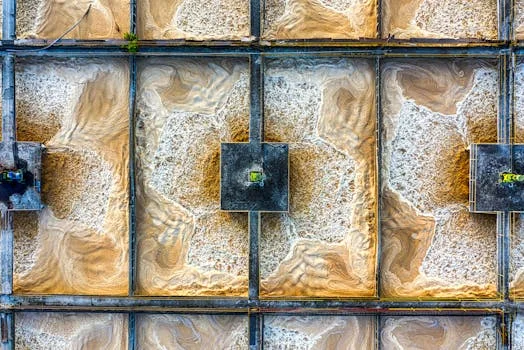
Selecting a supplier requires a structured evaluation of technical capability and long-term support infrastructure. The first step is to match equipment to your industry’s specific discharge limits; for example, a textile plant in Pelotas must prioritize COD reduction using MBR or chemical oxidation, as mandated by FEPAM Resolution 355/2020. This alignment ensures that the CAPEX investment directly solves the regulatory risk.
Second, evaluate the trade-off between local service and international technology. Local suppliers like SEIBT offer faster response times for mechanical repairs, while international tech provides the efficiency needed for complex reuse. Third, verify compliance support. A reputable supplier should provide full FEPAM/CONAMA documentation and assist with the permitting process. Fourth, compare financing options, weighing BNDES loans against supplier-led leasing programs. Finally, always request a pilot test. Many suppliers now offer trailer-mounted DAF or MBR units for 3–6 month trials, which is a critical step in how to select package wastewater treatment plants for small-scale projects. For automated chemical management during these trials, an automatic chemical dosing system can ensure consistent results and accurate data collection.
Frequently Asked Questions
What are the most common sewage treatment equipment failures in Rio Grande do Sul’s climate?
The primary issues are membrane fouling in MBR systems due to high humidity levels and biological fluctuations, and DAF pump clogging from fibrous debris in meatpacking wastewater. Mitigation requires robust pre-treatment screens and anti-fouling coatings on membranes.
How do I get FEPAM approval for a new sewage treatment plant in RS?
You must submit an Environmental Impact Study (EIA/RIMA), pay a license fee (R$10K–R$50K), and pass an on-site inspection. The process typically takes 6–12 months. Suppliers often provide the technical data packages required for these submissions.
What’s the cheapest sewage treatment option for a small food processing plant in Porto Alegre?
An underground package plant (WSZ series) is the most cost-effective for low flows ($30K–$80K). While DAF has higher chemical costs, it is often necessary if the wastewater contains high levels of oils and fats that biological systems cannot process alone.
Can I reuse treated sewage water in my factory in RS?
Yes, provided the effluent meets CONAMA 430/2011 standards for non-potable reuse (typically <10 mg/L BOD and <2 NTU turbidity). MBR systems are the industry standard for achieving these levels reliably.
What’s the difference between a DAF system and a clarifier for industrial wastewater?
DAF uses micro-bubbles to float solids (95% TSS removal), which is significantly more effective for oily or light particles. Clarifiers rely on gravity (70–80% TSS removal) and require a much larger footprint to achieve similar results, making them less ideal for modern industrial sites in RS.