Food Processing Wastewater Treatment in Rwanda: 2025 Technical Guide, Costs & Compliance
Rwanda’s food processing sector faces strict NEMA wastewater discharge limits (BOD < 50 mg/L, TSS < 30 mg/L), but 68% of factories lack adequate treatment systems (Rwanda Environment Management Authority, 2023). Dissolved Air Flotation (DAF) systems achieve 95%+ TSS removal and 92–97% COD reduction for high-FOG effluents, while Membrane Bioreactors (MBRs) deliver near-reuse-quality water (<1 mg/L TSS) for dairy and beverage plants. This guide provides 2025 cost benchmarks ($50,000–$300,000 for 10–100 m³/h systems), compliance checklists, and case studies from Kigali’s coffee and juice factories to help engineers select the right technology.Why Rwanda’s Food Processors Need Advanced Wastewater Treatment
Rwanda’s National Environment Management Authority (NEMA) enforces stringent wastewater discharge limits for the food processing sector, with BOD below 50 mg/L and TSS below 30 mg/L, driving an urgent need for advanced treatment solutions. These regulations, updated per REMA 2023 guidelines, also mandate FOG levels below 10 mg/L, reflecting a broader commitment to environmental protection. Despite these clear standards, a recent REMA 2023 audit indicated that 68% of Rwandan food factories currently fail to meet TSS and BOD discharge requirements, highlighting a significant compliance gap across the industry. The financial and operational consequences of non-compliance are severe. A Kigali coffee factory, for instance, faced a $22,000 fine for discharging untreated acidic wastewater with a pH of 4.2, which severely damaged local streams (EcoTech Solutions Rwanda). NEMA’s 2024 enforcement memo specifies daily fines of up to $1,000 for ongoing violations, alongside potential production halts, making untreated discharge an unsustainable business practice. Beyond fines, the environmental impact extends to critical resources; contaminated groundwater has been observed in regions like Huye and Musanze, impacting both ecosystems and public health. Investing in robust wastewater treatment is no longer optional but a strategic imperative for operational continuity and environmental stewardship in Rwanda.| Parameter | NEMA Discharge Limit (mg/L) | Typical Untreated Food Processing Effluent (mg/L) |
|---|---|---|
| BOD₅ | < 50 | 500 - 15,000 |
| TSS | < 30 | 200 - 5,000 |
| FOG | < 10 | 100 - 3,000 |
| pH | 6.0 - 9.0 | 3.5 - 11.0 |
| COD | < 250 | 1,000 - 30,000 |
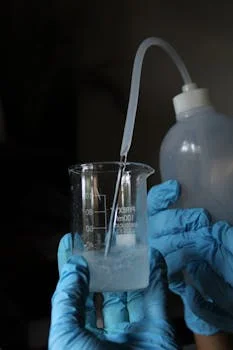
Food Processing Wastewater in Rwanda: Characteristics and Treatment Challenges
| Food Sector | Key Characteristics | Typical Influent Ranges | Primary Treatment Challenge |
|---|---|---|---|
| Coffee Processing | High COD, low pH, high suspended solids | COD: 5,000–12,000 mg/L; pH: 3.5–5.0; TSS: 1,500–3,000 mg/L | Acidity, high organic load, solids clogging |
| Dairy Processing | High BOD, FOG, lactose content | BOD: 2,000–4,000 mg/L; FOG: 500–1,500 mg/L | FOG accumulation, high organic load, odor |
| Meat Processing | Very high COD, blood proteins, fats, pathogens | COD: 8,000–15,000 mg/L; FOG: 800–2,000 mg/L | High organic load, FOG, pathogen removal |
| Beverage/Juice | High BOD/COD, sugars, varying pH | BOD: 1,000–3,000 mg/L; COD: 2,000–6,000 mg/L | Organic load, pH fluctuations |
DAF vs MBR: Which System Works Best for Rwanda’s Food Factories?
Selecting between Dissolved Air Flotation (DAF) and Membrane Bioreactor (MBR) systems is critical for Rwandan food processors, with DAF typically achieving 95%+ TSS removal and MBR delivering effluent suitable for direct reuse. DAF systems for high-FOG wastewater are highly effective for primary treatment, demonstrating over 95% TSS removal, 92–97% COD reduction, and up to 98% FOG removal, making them ideal for industries like coffee and meat processing. DAF operates by introducing fine air bubbles that attach to suspended solids and FOG, floating them to the surface for skimming. In contrast, integrated MBR systems for near-reuse-quality effluent combine biological treatment with membrane filtration, achieving superior effluent quality. MBR systems deliver less than 1 mg/L TSS, over 99% pathogen removal, and 95%+ COD/BOD reduction. This high-quality output makes MBR technology particularly suitable for dairy and beverage plants aiming for water reuse in non-potable applications like irrigation or cleaning. Regarding operational parameters, DAF systems typically require a larger footprint, ranging from 10–20 m² per 10 m³/h capacity, while MBR systems offer a more compact design, often requiring only 5–10 m² for the same capacity, which is a significant advantage for factories with limited space in Rwanda. Energy consumption for DAF is generally lower, at 0.3–0.5 kWh/m³, compared to MBR systems, which typically range from 0.8–1.2 kWh/m³ due to the energy required for membrane filtration and aeration (per EcoTech Solutions Rwanda data). Chemical needs also differ: DAF systems rely on coagulants and flocculants for effective separation, whereas MBR systems require membrane cleaning agents. The choice between DAF and MBR hinges on effluent characteristics, desired discharge quality, available footprint, and long-term operational cost considerations.| Feature | Dissolved Air Flotation (DAF) | Membrane Bioreactor (MBR) |
|---|---|---|
| Primary Function | TSS, FOG, and COD removal (primary/secondary) | BOD, COD, TSS, pathogen removal (secondary/tertiary) |
| TSS Removal | 95%+ | <1 mg/L (near 100%) |
| COD Reduction | 92–97% | 95%+ |
| FOG Removal | 98% | High (integrated with biological) |
| Pathogen Removal | Limited | 99%+ |
| Effluent Quality | Suitable for discharge (post-secondary) | Reuse quality |
| Footprint (per 10 m³/h) | 10–20 m² | 5–10 m² |
| Energy Use | 0.3–0.5 kWh/m³ | 0.8–1.2 kWh/m³ |
| Chemical Needs | Coagulants, flocculants | Membrane cleaning agents |
| Best Use Case | High-FOG effluents (coffee, meat), primary treatment | Water reuse (dairy, beverages), stringent discharge |
2025 Cost Breakdown: Wastewater Treatment Systems for Rwandan Food Processors
| Cost Category | DAF System (10-50 m³/h) | MBR System (10-50 m³/h) |
|---|---|---|
| CAPEX (System + Installation) | $50,000 – $150,000 | $100,000 – $300,000 |
| OPEX (per m³ of treated water) | $0.15 – $0.30 | $0.40 – $0.70 |
| Energy Cost (included in OPEX) | 0.3 – 0.5 kWh/m³ | 0.8 – 1.2 kWh/m³ |
| Chemicals (included in OPEX) | Coagulants, flocculants | Membrane cleaning agents |
| Hidden Costs (estimated) | ||
| NEMA Permits | $2,000 – $5,000 | $2,000 – $5,000 |
| Operator Training | $3,000 – $8,000 | $3,000 – $8,000 |
| Sludge Disposal | $0.05 – $0.15 / kg | $0.05 – $0.15 / kg |
| Estimated ROI Timeline | 3 – 5 years | 5 – 7 years |
Step-by-Step Compliance: Meeting Rwanda’s NEMA Wastewater Standards
Achieving and maintaining compliance with Rwanda’s NEMA wastewater standards requires a structured multi-stage treatment process, typically beginning with pH neutralization and physical screening to prepare effluent for biological or advanced physical-chemical methods. The first crucial step is **pre-treatment**, which addresses gross solids and pH imbalances. This involves robust screening using systems like the GX Series bar screens to remove large debris, preventing damage to downstream equipment. Following screening, pH adjustment is often necessary, especially for acidic coffee wastewater or alkaline dairy effluents. PLC-controlled chemical dosing for pH adjustment and coagulation, often utilizing lime dosing systems, precisely brings the pH within the NEMA-mandated 6.0–9.0 range. Next is **primary treatment**, focusing on the removal of suspended solids and FOG. This stage often employs DAF systems for high-FOG wastewater or high-efficiency sedimentation tanks, also known as lamella clarifiers, which use inclined plates to enhance particle settling. These systems can achieve significant reductions in TSS and FOG, preparing the wastewater for biological degradation. **Secondary treatment** targets the soluble organic load (BOD and COD). For many Rwandan food processors, biological processes like Anaerobic/Oxic (A/O) systems or integrated MBR systems for near-reuse-quality effluent are highly effective. MBRs offer superior performance, producing high-quality effluent suitable for reuse, whereas A/O systems are robust for high organic loads but require more space. Finally, **tertiary treatment** ensures the effluent meets the strictest NEMA standards, particularly for pathogen removal if water reuse in food processing Rwanda is planned. Disinfection, commonly achieved using chlorine dioxide generators, effectively eliminates bacteria and viruses. For a comprehensive understanding of Rwanda’s wastewater compliance standards for industrial facilities, further details are available. Ongoing compliance requires diligent **testing and documentation**. Weekly BOD, TSS, and FOG tests must be conducted by NEMA-approved laboratories in Kigali or Huye. Factories must maintain detailed records, including permit applications, monthly operational reports, and incident logs, for NEMA audits.Case Studies: How Rwandan Food Factories Solved Their Wastewater Problems
Frequently Asked Questions
What are Rwanda's key wastewater discharge limits for food processing?
Rwanda's National Environment Management Authority (NEMA) mandates strict discharge limits for food processing wastewater. Key parameters include Biochemical Oxygen Demand (BOD) < 50 mg/L, Total Suspended Solids (TSS) < 30 mg/L, and Fats, Oils, and Grease (FOG) < 10 mg/L. The pH must also be maintained between 6.0 and 9.0 to ensure environmental protection.
How much does a basic wastewater treatment system cost in Rwanda?
The capital expenditure (CAPEX) for a basic wastewater treatment system in Rwanda's food processing sector typically ranges from $50,000 to $150,000 for a 10–50 m³/h Dissolved Air Flotation (DAF) system. More advanced Membrane Bioreactor (MBR) systems for higher quality effluent can cost between $100,000 and $300,000 for a similar capacity, excluding hidden costs like permits and training.
What is the typical ROI for a food processing wastewater treatment system?
The Return on Investment (ROI) for a wastewater treatment system in Rwandan food processing plants is generally 3–5 years for DAF systems and 5–7 years for MBR systems. This quick payback is primarily driven by avoiding significant NEMA fines, which can be up to $1,000 per day for non-compliance, alongside potential savings from water reuse and enhanced public relations.
Can treated wastewater be reused in Rwandan food factories?
Yes, treated wastewater can be reused in Rwandan food factories, particularly when using advanced systems like Membrane Bioreactors (MBRs). MBR systems produce high-quality effluent, often with <1 mg/L TSS and 99%+ pathogen removal, making it suitable for non-potable applications such as irrigation, equipment washing, and cooling towers, thereby reducing operational water costs.
What is the most common challenge for food processing wastewater treatment in Rwanda?
The most common challenge for food processing wastewater treatment in Rwanda is managing high organic loads (BOD/COD), significant Fats, Oils, and Grease (FOG) content, and extreme pH fluctuations, especially in coffee and dairy sectors. Additionally, seasonal variations in wastewater volume and strength, coupled with insufficient operator training, often lead to compliance issues and operational inefficiencies.
Related Equipment
- DAF systems for high-FOG wastewater — view specifications, capacity range, and technical data
- Integrated MBR systems for near-reuse-quality effluent — view specifications, capacity range, and technical data
- PLC-controlled chemical dosing for pH adjustment and coagulation — view specifications, capacity range, and technical data
Need a customized solution? Request a free quote with your specific flow rate and pollutant parameters.