Industrial Wet Scrubber Maintenance Schedule
An industrial wet scrubber maintenance schedule runs daily visual checks, weekly sump cleaning, monthly nozzle and demister reviews, quarterly pH and L/G audits, and an annual stack test. Removal stays above 95% for particulate and SO₂ under stable load.
Unplanned downtime in heavy industry can reach up to $260,000 per hour, according to recent EPA operational loss data from 2024. Industry failure analyses from 2023 indicate that approximately 80% of wet scrubber failures stem from sump fouling, nozzle clogging, or improper pH balance. Lime or limestone slurry units remove SO₂ and particulate from exhaust gas, so liquid contact, purge, and mist elimination protect compliance and operating cost.
According to US EPA monitoring guidance, most wet scrubbing systems operate with particulate collection efficiencies over 95 percent when pressure drop, liquid flow, and liquid chemistry stay in control. Primary performance indicators are pressure differential and liquid flow rate; useful alternatives include scrubber liquid pH, specific gravity, and makeup or blowdown rates.
Scrubber liquid outlet concentration joins pressure differential and liquid flow as a primary indicator in the US EPA Air Emissions Monitoring Knowledge Base. pH, specific gravity, and makeup or blowdown rates stand in for that concentration when it is not measured directly. Alarm differential pressure and liquid flow first, then pH. Most lime-slurry towers we review miss the 95% window after a nozzle imbalance, not after a sudden permit edit.
Twelve-Step O&M Protocol
The twelve-step absorber protocol holds particulate and SO₂ removal above 95% only when each timed task is finished before a trip, not after one. Wet scrubber O&M performance holds when operators follow a fixed time-based protocol instead of reactive repairs. This 12-step sequence draws on field practice and industry insights such as the Torch-Air 2025 guide. Pair the schedule with a Flue Gas Desulfurization (FGD) Scrubber System that matches your gas rate and SO₂ load.
On most plants we size for, crews skip the weekly sump wash first, and that wash is what saves the recycle pump.
Rounds from the Daily Walk to the Semi-Annual Pump Check
Daily through semi-annual rounds catch sump solids, a demister above 5 inches of water column (H₂O), and nozzle flow deviations above 15% before they become outage work.
Step 1: Daily Visual Inspection. Conduct a thorough visual inspection of the scrubber system daily. This includes checking the sump level, examining pump seals for any signs of leakage, and inspecting ductwork for potential leaks. Prompt identification of minor issues can prevent them from escalating into major failures.
Step 2: Weekly Sump Cleaning. Draining, thoroughly cleaning, and refilling the sump with clean water on a weekly basis is critical. This process effectively prevents the accumulation of solids and scale, which can lead to pump damage and reduced system efficiency.
Step 3: Bi-weekly Mist Eliminator Check. Inspect the mist eliminator for any signs of plugging every two weeks. If the pressure drop across the mist eliminator exceeds 5 inches of water column (H₂O), a high-pressure water wash (approximately 30 psi) should be performed.
Step 4: Monthly Spray Nozzle Inspection. A monthly inspection of all spray nozzles is crucial. If any nozzle exhibits a flow deviation greater than 15% from its established baseline, it should be replaced to ensure uniform liquid distribution and optimal gas-liquid contact.
Step 5: Quarterly Sensor Calibration. Calibrate pH sensors and automatic dosing pumps quarterly. Maintaining the pH within the optimal range of 5.5–6.5 is vital for maximizing SO₂ absorption while preventing scaling.
Step 6: Semi-annual Pump Bearing and Alignment Check. Inspect the bearings and motor alignment of the recycle pump semi-annually. Proper alignment and well-maintained bearings are essential for pump longevity and preventing vibration-related issues.
Annual Shell Work and the Performance Test
Annual work maps corrosion at the gas inlet and repeats a stack test to the greater than 95% removal mark for particulate matter and SO₂.
Step 7: Annual Structural Inspection. Conduct an annual structural inspection of the scrubber tower, paying close attention to areas prone to corrosion, particularly at the gas inlet zone. Early detection of corrosion can prevent costly structural repairs.
Step 8: Quarterly L/G Ratio Review. Review the liquid-to-gas (L/G) ratio quarterly to ensure it is maintained within the optimal range of 3–5 gallons per minute per 1,000 actual cubic feet per minute (gpm/1000 acfm). This ratio is critical for achieving efficient SO₂ removal.
Step 9: Monthly Demister Pad Pressure Check. Monitor the differential pressure across the demister pad monthly. A pressure drop exceeding 6 inches H₂O typically indicates fouling and requires attention.
Step 10: Weekly Fresh Water Makeup Verification. Verify the fresh water makeup flow weekly. This ensures that contaminants are adequately purged from the system and that evaporation losses are compensated, maintaining stable operating parameters.
Step 11: Annual Performance Testing. Conduct an annual performance test, following established methods like EPA Method 6 or 17, to confirm that the scrubber continues to achieve greater than 95% removal efficiency for both particulate matter and SO₂.
Step 12: Digital Maintenance Log. Document all maintenance activities meticulously in a digital log. This log should include photographs, timestamped entries, and details of any issues found and resolved, creating a comprehensive history for future reference and analysis.
| Step | Task | Frequency | Key Parameters/Notes |
|---|---|---|---|
| 1 | Visual Inspection | Daily | Sump level, pump seals, ductwork leaks |
| 2 | Sump Cleaning | Weekly | Drain, clean, refill with clean water |
| 3 | Mist Eliminator Check | Bi-weekly | Pressure drop >5" H₂O triggers wash |
| 4 | Spray Nozzle Inspection | Monthly | Replace if flow deviation >15% |
| 5 | Sensor Calibration | Quarterly | pH sensors, dosing pumps (target 5.5–6.5 pH) |
| 6 | Pump Bearing & Alignment | Semi-annual | Recycle pump |
| 7 | Structural Inspection | Annual | Scrubber tower, focus on gas inlet zone |
| 8 | L/G Ratio Review | Quarterly | Maintain 3–5 gpm/1000 acfm |
| 9 | Demister Pad Pressure | Monthly | Check for >6" H₂O differential pressure |
| 10 | Fresh Water Makeup | Weekly | Verify flow for purging and evaporation |
| 11 | Performance Test | Annual | EPA Method 6 or 17 (confirm >95% SO₂/particulate removal) |
| 12 | Maintenance Log | Continuous | Digital log with photos and timestamps |
Load each row into the CMMS as a recurring work order with a named owner. A daily visual check with no signature is not a completed step. Photograph the sump and the nozzle header when a deviation shows up, and store the frame with the work-order number. That file is what the annual-test reviewer asks for when removal slips.
What Maintenance Schedule Does a Wet Scrubber Need?
A wet scrubber needs daily checks, weekly sump and makeup work, monthly nozzle and demister reviews, quarterly chemistry audits, and annual structural plus stack tests. Fully automated wet processing trains still require the same human verification of sensors, alarms, and purge rates. Automation on the trains we commission reduces missed readings; it does not replace washouts when differential pressure or solids loading rises. Keep the industrial wet scrubber maintenance schedule written into the site CMMS with owners and overdue alerts.
Wet Scrubber Inspection Checklist and Critical Parameters
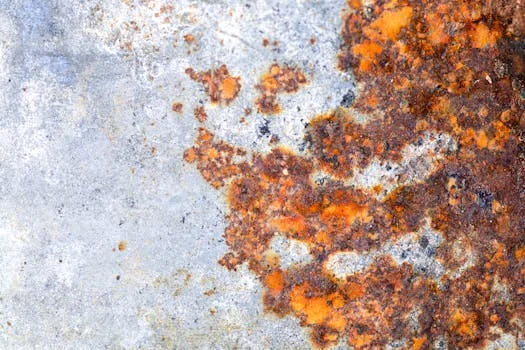
A wet scrubber inspection checklist and critical parameters list should follow the variables that drive removal and mechanical risk. Allocate craft time to those checks before a permit exceedance or pump failure appears. US EPA lists inadequate liquid flow, re-entrainment, poor gas-liquid contact, corrosion, and plugged nozzles, beds, or mist eliminators among the most common operating problems. Craft time on the sites we support goes to sump level and nozzle flow before anyone opens a vessel.
| Frequency | Critical Parameters |
|---|---|
| Daily | Sump level, pump vibration, alarm status |
| Weekly | Sump cleaning, demister pressure drop, fresh water flow rate |
| Monthly | Nozzle inspection, pH probe calibration, chemical dosing accuracy |
| Quarterly | L/G ratio audit, mist eliminator wash, pump seal integrity |
| Annually | Tower corrosion mapping, performance testing, structural weld inspection |
Use the frequency table as the minimum round. Add the six checks below when solids or SO₂ load runs higher than the design case.
- Confirm sump level, pump-seal leaks, and duct leaks before the shift ends.
- Record tower differential pressure and demister differential pressure against the clean baseline.
- Compare each nozzle flow with its baseline and replace any nozzle that deviates by more than 15%.
- On lime duty, check pH against the 5.5–6.5 band and log blowdown specific gravity.
- Verify fresh-water makeup covers both evaporation and the purge needed to hold solids.
- Stamp the CMMS entry with the time and a photo when scale, leaks, or a cloudy plume appear.
How Does a Wet Industrial Scrubber Handle Dust and Gas?
A wet industrial scrubber captures dust and soluble gases by transferring contaminants into a circulating liquid, then separating entrained droplets in a mist eliminator. Particulate collection efficiency rises with contacting energy. US EPA classifies low-energy units below 5 inches H₂O pressure drop, medium-energy units from 5 to 25 inches H₂O, and high-energy units from 25 to over 100 inches H₂O.
Acid-gas duty still depends on L/G ratio, pH, and blowdown, not pressure drop alone. High-efficiency service therefore needs correct hydraulic energy, clean nozzles, and a free-draining demister. Tower internals are not interchangeable across a wet scrubber, so confirm spray, tray, or venturi geometry before copying setpoints. High-energy venturi duty we see on dust streams sits above 25 inches H₂O, while spray towers we size for odor sit near the low-energy end.
Symptom Causes Before the Next Outage
Wet scrubber troubleshooting starts with matching each symptom to a probable hydraulic or chemistry cause. A clear fault table cuts diagnostic time during an outage. For symptom-driven field fixes beyond this table, see Wet Scrubber System Troubleshooting: 9 Field Fixes for 95% Uptime.
A log entry that says dp fall off on wet scrubber of dissolving tank describes falling differential pressure on a dissolving-tank vent scrubber. At steady fan speed, a lower pressure drop usually means lost liquid, a failed nozzle, or a drained header, because pressure drop follows the liquid-to-gas ratio. Check sump level, pump discharge pressure, and the spray pattern before opening the shell.
Gaseous-control service slips when pressure differential, liquid flow, and gas flow are not held relatively constant, according to the US EPA monitoring page for that duty. That page lists low liquid flow, poor liquid distribution, scaling, and pollutant re-entrainment among the common faults. Treat a rising outlet reading that arrives with a flat pressure drop as a chemistry or distribution fault, not as a fan failure. The first number we ask for on a night call is differential pressure against the last clean baseline.
| Symptom | Probable Cause | Recommended Fix |
|---|---|---|
| Reduced SO₂ removal efficiency | Low pH or insufficient L/G ratio | Adjust lime dosing; verify makeup water flow and pump performance. |
| High pressure drop across the system | Plugged mist eliminator, nozzles, or ductwork | Perform high-pressure wash on mist eliminator; clean or replace clogged nozzles; inspect and clear ductwork. |
| Pump cavitation | Low sump level or air entrainment | Inspect and calibrate level sensors; check for leaks in the suction line and ensure proper pump submergence. |
| Excessive plume visibility | Poor droplet separation in the mist eliminator | Clean or replace demister pads; verify mist eliminator integrity and installation. |
| Scaling in recirculation loop | Hard water, improper pH control, or inadequate blowdown | Install a water softener; adjust pH setpoint; increase blowdown rate or implement periodic descaling procedures. |
Compliance Records and Confined-Space Entry
Wet scrubber compliance work covers both emission limits and worker safety during tower entry. Per EPA New Source Performance Standards (NSPS) Subpart Ja, wet scrubbers must undergo annual performance testing to verify SO₂ and particulate matter removal. Earlier summaries often described EU IED 2010/75/EU as requiring quarterly scrubber-efficiency checks. Annex V Part 3 of Directive 2010/75/EU instead requires continuous SO₂, NOx, and dust measurement for combustion plants rated 100 MW or more.
Where continuous monitoring is not required, measurements are needed at least once every 6 months. Keep sludge disposal records with the permit file. Confined-space entry into scrubber towers needs lockout-tagout (LOTO) before any vessel opening. Entry crews we work with inspect the gas inlet zone first, because wet-dry cycling attacks that shell before the outlet.
Who Should Run This Schedule
Plant engineers and EPC teams specifying acid-gas or high-dust duty should size recycle pumps, mist eliminators, and blowdown for the worst-case solids load. Most plants we size for a lime slurry train run near the lower end of 3–5 gpm/1000 acfm until a stack test shows a shortfall.
Facilities with only light odor duty and no SO₂ limit may find a simpler packed scrubber adequate. Do not copy a slurry wash cycle onto a dry injection train; the duty split is covered in the dry scrubber vs wet scrubber guide.
Labor for the daily round through the annual stack test belongs in the operating budget before capital is compared. Those capital and operating figures sit on the wet scrubber cost page, not in this maintenance cycle.
When you need capacity, materials, and SO₂ removal data for a lime-based train, request a quote with flow rate and inlet concentrations so a matched FGD package can be scoped.
Frequently Asked Questions
How often should you clean the sump?
Weekly cleaning is the standing interval for the sump. Drain the basin, wash settled grit and scale, then refill with clean water before the recycle pump restarts. Heavy particulate loading calls for a shorter gap when sump density or pump vibration rises between washes. Log solids depth and pump amp draw so the interval changes on measured solids, not on a fixed calendar alone.
What pH band fits a lime-based absorber?
The working band for lime-based SO₂ absorption in this protocol is 5.5–6.5. Calibrate the pH probe and the dosing pump at least quarterly, and again after any electrode change. A much higher setpoint usually burns extra alkali and raises scale risk in the recirculation loop. Read blowdown specific gravity beside pH so chemistry and solids purge stay on the same trend.
How do you test removal efficiency?
Efficiency is confirmed by an annual stack test, using EPA Method 6 for SO₂ or EPA Method 17 for particulate, with a removal target above 95% under stable load. Compare outlet loading with inlet data taken at the same gas rate and L/G ratio. File strip charts, calibration gases, and differential-pressure logs with the test report. A single annual number does not replace daily pressure and flow checks between tests.
Can the absorber handle high particulate loads?
Yes, high inlet grain loading is manageable when mist eliminators and nozzles stay on a shorter interval than the base monthly check. Raise that rate after a process upset that jumps inlet dust. Confirm makeup and blowdown so dissolved and suspended solids leave the loop instead of packing the demister. A pressure drop over 6 inches H₂O across the demister pad is the usual signal to wash.
What causes scaling in the recirculation loop?
Scaling comes from hard makeup water, pH outside the 5.5–6.5 band, or blowdown that is too small for the solids load. Soften makeup where hardness is high, hold the lime-slurry setpoint inside that band, and raise blowdown when specific gravity climbs. A planned outage descaling restores the nozzle spray pattern after a chronic scale event. Track pump amps before and after the clean so the next interval follows the fouling rate.
Why does differential pressure fall off on a scrubber?
A falling differential pressure at steady fan speed usually means lost spray liquid rather than a cleaner gas stream. Check sump level, pump discharge pressure, and the spray header before opening the shell. A failed nozzle or a drained header drops the liquid-to-gas ratio, and pressure drop follows that ratio. Confirm the demister has not dried out before returning the train to automatic control.