Hospital wastewater treatment in Pune requires Effluent Treatment Plant (ETP) or Sewage Treatment Plant (STP) systems meeting Central Pollution Control Board (CPCB) standards, with typical capital costs ranging from ₹2.99 lakh for small units to over ₹5 lakh for 50 KLD plants. Advanced treatments like Membrane Bioreactor (MBR) or Sequencing Batch Reactor (SBR) achieve 95%+ Biochemical Oxygen Demand (BOD) and Chemical Oxygen Demand (COD) removal, which is essential for effectively treating antibiotic-laden effluent from medical facilities.
Why Hospital Wastewater in Pune Needs Specialized Treatment
Hospital effluent contains a complex mix of pollutants, including pharmaceuticals, pathogens, and heavy metals, that standard municipal STPs are not designed to remove effectively. This unique composition includes antibiotics, disinfectants, contrast agents (e.g., iodine-based compounds), cytotoxic drugs, and various infectious agents, which pose significant environmental and public health risks if discharged untreated. Conventional STPs are primarily designed for domestic sewage and lack the specific biological or physical-chemical processes required to degrade or remove these micropollutants and antibiotic resistance genes (ARGs).
In Maharashtra, the Maharashtra Pollution Control Board (MPCB) mandates separate ETPs for healthcare facilities generating over 500 KLD of wastewater or those located in ecologically sensitive zones. Untreated medical wastewater from Pune's hospitals risks contaminating the city's urban aquifers and the vital Mula-Mutha river basin, which serves as a primary water source. Such contamination can lead to the spread of antibiotic-resistant bacteria, disrupt aquatic ecosystems, and pose severe health risks to the population. Proper hospital ETP compliance in regulated environments is therefore not just a regulatory requirement but a critical public health and environmental imperative.
Key Treatment Technologies for Medical Effluent in Pune
Membrane Bioreactor (MBR) systems achieve up to 98% Biochemical Oxygen Demand (BOD) removal and consistently produce effluent with less than 10 mg/L Chemical Oxygen Demand (COD), making them highly effective for hospital wastewater. These advanced systems combine biological degradation with membrane filtration (typically 0.1 μm pore size), offering superior effluent quality and a significantly smaller footprint compared to conventional methods. This compact design is particularly advantageous for space-constrained hospitals in urban areas like Pune.
Sequencing Batch Reactor (SBR) technology offers another robust solution, operating in a batch-mode sequence that includes fill, react, settle, and draw phases. SBRs provide exceptional flexibility for treating variable hospital wastewater flows and achieve approximately 95% nutrient (nitrogen and phosphorus) removal. Their adaptability makes them suitable for facilities with fluctuating discharge patterns.
For smaller to mid-sized plants (10–30 KLD) where nitrogen removal is a primary concern, the Anoxic/Aerobic (A/O) process is a cost-effective option. This system sequentially exposes wastewater to anoxic (low-oxygen) and aerobic (high-oxygen) conditions, facilitating biological denitrification and reducing total nitrogen by up to 80%. While effective, A/O systems generally require more space than MBRs.
Beyond biological treatment, advanced disinfection is crucial for inactivating antibiotic-resistant bacteria (ARBs) and other pathogens prevalent in medical effluent. Ozone or chlorine dioxide disinfection systems are highly effective for this purpose, offering superior pathogen kill rates compared to conventional chlorine, which can also form harmful disinfection byproducts. HydropureWater offers specialized solutions like its MBR system for hospital wastewater with 0.1 μm filtration and the compact medical wastewater system with ozone disinfection for clinics and mid-sized hospitals.
| Technology | BOD Removal (%) | COD Removal (mg/L) | Footprint (m²/KLD) | Key Advantage | Suitable For |
|---|---|---|---|---|---|
| MBR | 95-98% | <10 | 0.5-1.0 | High effluent quality, small footprint | Space-constrained, high compliance needs |
| SBR | 90-95% | <50 | 1.0-1.5 | Flexibility for variable flows, nutrient removal | Hospitals with fluctuating discharge, nutrient limits |
| A/O | 85-90% | <100 | 1.5-2.0 | Cost-effective nitrogen reduction | 10-30 KLD plants, nitrogen removal focus |
CPCB and Maharashtra PCB Standards for Hospital Effluent
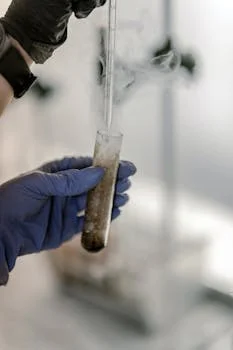
The Central Pollution Control Board (CPCB) 2021 standards mandate specific effluent discharge limits for hospitals, including a Biochemical Oxygen Demand (BOD) of ≤ 30 mg/L and Chemical Oxygen Demand (COD) of ≤ 250 mg/L. These national standards are critical for preventing environmental pollution from medical wastewater treatment systems. In addition to BOD and COD, other parameters like Total Suspended Solids (TSS), pH, and specific pathogens are also regulated to ensure the safe discharge of treated effluent. Facility managers must ensure their hospital ETP Pune systems are designed and operated to consistently meet these stringent limits.
The Maharashtra Pollution Control Board (MPCB) further reinforces these regulations with local requirements. MPCB mandates online monitoring systems for hospitals with more than 25 beds or those generating over 10 KLD of wastewater. This real-time monitoring ensures continuous compliance and provides data for regulatory oversight. Obtaining a Consent to Establish (CTE) before construction and a Consent to Operate (CTO) before commissioning are mandatory steps for all healthcare facilities in Pune.
Zero Liquid Discharge (ZLD) is increasingly encouraged and, in some cases, required for new hospitals located in ecologically sensitive zones or near critical river catchments like the Mula-Mutha. ZLD systems typically involve advanced treatment steps such as reverse osmosis, evaporation, and crystallization to recover and reuse nearly all wastewater, minimizing environmental impact. Understanding ETP compliance in regulated environments is crucial for sustainable hospital operations.
| Parameter | CPCB 2021 Permissible Limit for Hospitals |
|---|---|
| pH | 5.5 - 9.0 |
| BOD (at 20°C for 3 days) | ≤ 30 mg/L |
| COD | ≤ 250 mg/L |
| Total Suspended Solids (TSS) | ≤ 100 mg/L |
| Oil & Grease | ≤ 10 mg/L |
| Total Nitrogen | ≤ 50 mg/L |
| Ammoniacal Nitrogen | ≤ 5 mg/L |
| Total Phosphorus | ≤ 2 mg/L |
| Fecal Coliform | < 100 MPN/100mL (if discharged into inland surface waters) |
Cost of Hospital Wastewater Treatment Systems in Pune
The capital expenditure (CAPEX) for hospital wastewater treatment systems in Pune varies significantly based on capacity, chosen technology, and level of automation, with a 10 KLD MBR system typically costing between ₹4.2–4.8 lakh, including installation. This pricing reflects the advanced technology and higher efficiency required for medical effluent. For a 50 KLD SBR plant, a hospital-grade system designed for specific medical waste challenges typically ranges from ₹5.5–6.2 lakh. It is crucial to note that generic sewage treatment plant cost Pune figures, such as ₹500,000 for a 50 KLD unit, often refer to basic STPs not equipped to handle the complex chemical and biological load of hospital wastewater.
Key cost drivers include the treatment capacity (KLD), which directly correlates with equipment size and civil work. The choice of technology—MBR being generally more expensive upfront than SBR or A/O due to membrane costs but offering superior effluent quality and smaller footprint—also significantly impacts CAPEX. The level of automation, including PLC control, remote monitoring, and SCADA systems, can add 15–20% to the base cost but reduces operational labor and improves reliability. Ancillary equipment like advanced pre-treatment units (fine screens, oil & grease traps) and post-treatment (tertiary filtration, ozone disinfection medical wastewater systems) also contribute to the overall investment.
Operational expenditure (OPEX) for hospital ETPs in Pune typically ranges from ₹8–12 per KLD. This covers electricity consumption for pumps and blowers, chemical costs for disinfection and coagulation, routine maintenance, and the disposal of sludge. Regular maintenance, including quarterly membrane cleaning for MBR systems, is essential to ensure longevity and optimal performance. For more insights into detailed 2025 pricing guides for small medical facilities, further resources are available.
| Capacity (KLD) | Technology Type | Estimated CAPEX (₹ Lakh) | Key Features | Estimated OPEX (₹/KLD) |
|---|---|---|---|---|
| 10 | MBR System | 4.2 - 4.8 | Compact, high BOD/COD removal, low TSS | 8 - 10 |
| 20 | MBR System | 6.5 - 7.5 | Modular design, consistent effluent quality | 9 - 11 |
| 50 | SBR Plant | 5.5 - 6.2 | Flexible for variable flows, nutrient removal | 10 - 12 |
| 50 | MBR Plant | 12.0 - 14.0 | Superior effluent, smallest footprint for capacity | 10 - 12 |
Top Suppliers and Installation Considerations in Pune
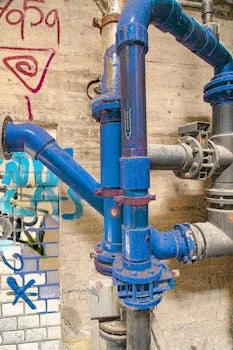
Selecting a qualified supplier for hospital wastewater treatment in Pune requires evaluating their technical capability, experience with medical effluent, and comprehensive service support, beyond just equipment provision. While some local suppliers like Compact Water Solutions and True Waters are active in Pune, their primary focus often remains on conventional sewage treatment plants (STPs), which may not fully address the unique challenges of hospital wastewater laden with pharmaceuticals and pathogens.
HydropureWater offers specialized medical wastewater treatment systems, including advanced MBR and ozone-based compact medical wastewater system, designed specifically for clinics and mid-sized hospitals. These systems are engineered to handle complex medical effluent, ensuring compliance with stringent CPCB and MPCB standards. When evaluating suppliers, it is critical to ensure they provide turnkey services encompassing civil work, equipment supply, installation, commissioning, and assistance with MPCB documentation. Post-sales support, including Annual Maintenance Contracts (AMCs), spare parts availability, and operator training, is also vital for long-term operational efficiency and compliance. HydropureWater's advanced MBR system for hospital wastewater and the compact treatment system