HydropureWater manufactures chlorine dioxide (ClO₂) generators with outputs ranging from 50 g/h to 20,000 g/h, utilizing both chemical and electrolytic generation methods. These systems are designed for high-purity disinfectant production, meeting stringent compliance standards including EPA regulations and the EU Drinking Water Directive 98/83/EC for municipal, industrial, and hospital wastewater treatment applications. For instance, addressing a hospital's need for pathogen inactivation in effluent without creating harmful disinfection byproducts requires a reliable and compliant on-site ClO₂ generation solution.
What Is a Chlorine Dioxide Generator and How Does It Work?
A chlorine dioxide generator is an on-site system that produces chlorine dioxide (ClO₂) gas or solution for immediate use in water and wastewater disinfection, eliminating the hazards associated with transporting and storing bulk chemicals like chlorine gas.
On-site ClO₂ generation significantly enhances safety by eliminating the need for transporting and storing pressurized chlorine gas cylinders, aligning with stringent OSHA and EPA safety guidelines for industrial chemical handling. Chlorine dioxide (ClO₂) is typically generated via a chemical reaction between precursor chemicals such as sodium chlorite (NaClO₂) and chlorine (Cl₂) or hydrochloric acid (HCl), commonly referred to as a 1-chem method, as utilized by various industry systems including EAI Water’s approach. Alternatively, electrolytic chlorine dioxide generators produce ClO₂ through the electrolysis of a simple salt (NaCl) solution, which circumvents the storage of hazardous precursor chemicals entirely, a method integral to HydropureWater's technical specifications for on-site ClO₂ generation. This continuous, as-needed production ensures a fresh, high-purity disinfectant supply, crucial for effective industrial wastewater disinfection and maintaining water quality standards across diverse applications.
Chemical vs Electrolytic Chlorine Dioxide Generation Methods
The choice between chemical and electrolytic chlorine dioxide generation methods is primarily driven by factors such as safety protocols, desired ClO₂ purity, operational complexity, and the availability of precursor chemicals. Chemical chlorine dioxide generation systems typically achieve greater than 95% ClO₂ purity by reacting sodium chlorite (NaClO₂) with hydrochloric acid (HCl) or chlorine gas at controlled temperatures, often between 30–50°C, necessitating secure facilities for chemical storage and handling.
In contrast, electrolytic chlorine dioxide generators produce ClO₂ directly from a sodium chloride (NaCl) solution, eliminating the need for storing hazardous precursor chemicals and making them ideal for remote installations or sensitive environments such as hospital wastewater treatment facilities. HydropureWater's ClO₂ generator supports both generation methods, with its electrolytic units engineered to reduce chemical handling requirements by up to 70% compared to traditional chemical feed systems, thereby enhancing chlorine dioxide safety and simplifying operational logistics. The table below outlines key differences for industrial procurement engineers evaluating on-site ClO₂ generation technologies.
| Feature | Chemical Generation (e.g., NaClO₂ + HCl) | Electrolytic Generation (e.g., NaCl Solution) |
|---|---|---|
| Precursor Chemicals | Sodium Chlorite, Hydrochloric Acid (or Chlorine Gas) | Sodium Chloride (Salt) |
| Purity (ClO₂) | Typically >95% | Typically >98% |
| Hazardous Chemical Handling | Moderate to High (storage of concentrated acids/chlorites) | Low (handling of common salt) |
| Byproducts | Minor amounts of chlorite, chlorate, chloride | Minor amounts of chlorate, chloride |
| Energy Consumption | Lower electrical, higher chemical cost | Higher electrical, lower chemical cost |
| Operational Complexity | Moderate (chemical dosing system management) | Low (automated ClO₂ generator control) |
| Ideal Applications | High-capacity municipal, industrial sites with chemical infrastructure | Hospitals, remote sites, sensitive environmental areas |
Industrial Applications of High-Purity ClO₂ Generators
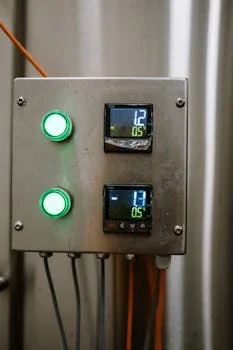
High-purity chlorine dioxide generators are critical for maintaining water quality and ensuring public health across a broad spectrum of industrial, municipal, and healthcare applications due to ClO₂'s potent biocidal properties and minimal byproduct formation.
In municipal drinking water treatment, ClO₂ effectively eliminates a wide range of pathogens, including bacteria, viruses, and protozoa, without forming harmful trihalomethanes (THMs) or haloacetic acids (HAAs), thus ensuring compliance with EPA Stage 2 Disinfectants and Disinfection Byproducts Rule (DBPR) and the rigorous standards of the EU Drinking Water Directive 98/83/EC. For hospital wastewater treatment, where a 99.9% microbial kill rate is often required to prevent the spread of infectious agents, HydropureWater's compact medical wastewater system integrates advanced ClO₂ generation with multi-stage filtration to manage complex effluent streams and meet stringent discharge standards. Industrial cooling loops benefit significantly from continuous ClO₂ dosing at concentrations typically between 0.5–2.0 mg/L, which effectively prevents biofouling in systems treating up to 200 m³/h, thereby maintaining heat exchange efficiency and reducing maintenance costs. the food and beverage processing industry relies on ClO₂ for wash water disinfection, meeting strict regulatory requirements such as FDA 21 CFR 173.300 for direct contact with food products and ensuring product safety and shelf life. For more detailed insights into specific applications, such as how ClO₂ generators meet hospital discharge standards in regulated markets, refer to our comprehensive article on medical wastewater treatment.
ClO₂ Generator Specifications and System Configurations
HydropureWater's high-purity chlorine dioxide generators are available in eight distinct configurations, providing scalable solutions from compact manual units to large-scale fully automated systems.
The output capacity ranges from 50 g/h for compact manual units, suitable for smaller flows, to 500 g/h for semi-automatic models, and extends up to 20,000 g/h for fully automated PLC-controlled industrial systems designed for high-volume disinfection. These systems offer a flexible footprint, from as compact as 0.8 m² for smaller, skidded units to approximately 6 m² for comprehensive industrial skid installations, making them suitable for both retrofit projects and new greenfield installations. All HydropureWater ClO₂ generator models integrate advanced features such as real-time monitoring of ClO₂ production and residual levels, low-level alarms for precursor chemicals, and automatic shutdown protocols to ensure operational safety and prevent system damage in case of precursor shortages. Production efficiency for chemical generation methods typically involves the consumption of 1.05 kg of sodium chlorite (NaClO₂) and 0.38 kg of hydrochloric acid (HCl) per 1 kg of ClO₂ produced, while electrolytic methods achieve 1 kg of ClO₂ with approximately 2.1 kWh of electrical energy. The following table details the various configurations and their key technical parameters.
| Model Type | Output Range (g/h) | Generation Method | Automation Level | Footprint (approx.) | Key Features |
|---|---|---|---|---|---|
| Compact Chemical | 50 - 500 | Chemical (NaClO₂ + HCl) | Manual/Semi-Automated | 0.8 m² | Compact, timer-based dosing, basic safety alarms |
| Mid-Range Chemical | 1,000 - 5,000 | Chemical (NaClO₂ + HCl) | Semi-Automated/Automated | 2.5 m² | Flow-proportional control, real-time monitoring, auto shutdown |
| Large Chemical | 5,000 - 10,000 | Chemical (NaClO₂ + HCl) | Fully Automated (PLC) | 4 m² | SCADA integration, advanced diagnostics, dual-feed redundancy |
| Compact Electrolytic | 100 - 1,000 | Electrolytic (NaCl) | Semi-Automated | 1.5 m² | Minimal chemical handling, low operating cost, compact |
| Large Electrolytic | 1,000 - 20,000 | Electrolytic (NaCl) | Fully Automated (PLC) | 6 m² | High-purity disinfectant, remote monitoring, customized for variable feedwater conditions and flow rates |
Each high-purity chlorine dioxide generator with automated control is designed for reliability and tailored to specific site requirements, ensuring optimal performance for diverse industrial wastewater disinfection needs.
Choosing the Right ClO₂ Generator for Your Facility
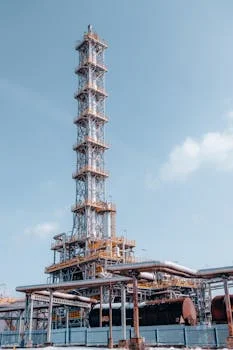
For facilities with lower treatment volumes, typically under 500 m³/day, compact manual or semi-automated units with outputs ranging from 50–1,000 g/h are often sufficient, utilizing simple timer-based dosing for efficient operation. Conversely, high-flow industrial sites, processing upwards of 5,000 m³/day, necessitate fully automated ClO₂ generators with advanced PLC controls, SCADA integration, and dual-feed redundancy to ensure continuous disinfection and operational reliability. Hospitals and laboratories, particularly those in regions with strict environmental regulations like the EU, should prioritize electrolytic models to avoid the storage and handling of hazardous chemicals and to comply with directives such as the EU Urban Waste Water Directive 91/271/EEC regarding effluent discharge. Understanding how ClO₂ generators meet hospital discharge standards in regulated markets, such as those discussed in our articles on hospital wastewater treatment in Taiwan and Mombasa, is crucial for informed decision-making.
Frequently Asked Questions
What is the lifespan of a chlorine dioxide generator? Most industrial-grade chlorine dioxide generator systems are engineered for durability, typically lasting 10–15 years with consistent annual preventative maintenance and proper operational practices.
How much space does a 5 kg/h ClO₂ generator need? A 5 kg/h industrial ClO₂ generator, including its associated safety clearances and chemical storage tanks, generally requires an approximate footprint of 3 m².
Is chlorine dioxide safer than chlorine gas? Yes, on-site ClO₂ generation is inherently safer than using chlorine gas because ClO₂ is generated and consumed immediately, eliminating the significant risks associated with the transportation and storage of pressurized chlorine gas cylinders.
Can ClO₂ generators work in cold climates? Yes, HydropureWater offers specialized insulated and heated enclosures for its automated ClO₂ generator units, ensuring reliable operation even in sub-zero ambient temperatures.
Do ClO₂ systems require special operator training? Basic operational and safety training is provided for all HydropureWater ClO₂ systems; however, fully automated PLC-controlled models are designed to require minimal daily intervention, primarily for monitoring and routine maintenance checks.
Further Reading
Explore these in-depth articles on related wastewater treatment topics: