Canadian Regulatory Framework for Industrial Wastewater in 2026
Industrial wastewater treatment in Canada in 2026 must comply with the federal Fisheries Act (toxic and deleterious substance prohibition), CCME national effluent limits, and provincial regulations (Ontario Reg. 561, Alberta EPEA, BC CSR). Typical industrial trains combine DAF for oil and suspended solids (4–300 m³/h), MBR for organics (≤1 μm filtration), and RO for reuse (up to 95% recovery), with cold-climate design and CEMS-ready controls for federal reporting.
Section 36(3) of the federal Fisheries Act prohibits the deposit of any deleterious substance into waters frequented by fish, with no minimum threshold—meaning a single non-compliant discharge can trigger an enforcement action regardless of volume. Section 40 requires a written authorization before any such deposit, which Ontario implements through an Environmental Compliance Approval (ECA) and a parallel Environmental Activity and Sector Registry (EASR) for lower-risk systems. The federal Wastewater Systems Effluent Regulations (WSER, SOR/2012-139) apply to any facility discharging ≥100 m³/day of untreated effluent to surface water and require quarterly monitoring with results submitted to Environment and Climate Change Canada via the Single Window reporting system.
CCME's national effluent quality framework sets typical industrial benchmarks of BOD₅ 25 mg/L, TSS 30 mg/L, and oil & grease 5 mg/L for non-municipal discharges; these are non-binding unless adopted by a province. Ontario Reg. 561 (Municipal and Private Sewage) and Reg. 588 (Conservation Authorities) govern discharges to municipal sewer and surface water respectively, with local sanitary sewer use bylaws often imposing stricter limits on heavy metals and FOG. Alberta's Environmental Protection and Enhancement Act (EPEA) requires an Approval to Operate before discharge, while British Columbia's Contaminated Sites Regulation (CSR) and Municipal Sewage Regulation govern site remediation and small-system discharges. Compliance-grade monitoring with a CEMS package typically adds CAD 35K–CAD 90K/year in operational cost.
Major Industrial Effluent Streams in Canada and Their Treatment Drivers
Pulp and paper operations in BC, Quebec, and Ontario produce effluent with COD of 1,000–5,000 mg/L, high colour, and adsorbable organic halides (AOX) from bleaching. This drives a treatment train of DAF for fibre recovery followed by MBBR or MBR for organics, often with chemical oxidation for colour and AOX polishing. Oil and gas and mining operations in Alberta and Saskatchewan generate high TSS, free and emulsified hydrocarbons, heavy metals, and elevated total dissolved solids (TDS often 2,000–35,000 mg/L), which pushes design toward DAF plus lamella clarification for oils and suspended solids, with RO for salt rejection at recoveries of 60–80% per pass.
Food and beverage plants concentrated in Quebec and Ontario produce high-BOD effluent (often 2,000–10,000 mg/L BOD₅) with fats, oils, and grease (FOG) up to several thousand mg/L and variable pH—typically addressed with screening, equalization, DAF for FOG removal, and an SBR or MBR for organics. Metal finishing and automotive operations in Ontario generate wastewater containing nickel, chromium, zinc, and copper at tens to hundreds of mg/L, plus occasional cyanide complexes—the standard train is hydroxide precipitation, sand or multimedia filtration, and RO or ion exchange for heavy-metal recovery and water reuse. A 2024 Springer review of industrial treatment techniques (Springer Nature, Environmental Science and Pollution Research, 2024) cites the UN finding that 3.6 billion people already live in regions facing at least one month of water scarcity per year, a figure projected to reach 4.8–5.7 billion by 2050—reframing Canadian water reuse as an economic lever and a regulatory inevitability rather than a voluntary ESG initiative.
Process Train Selection: Matching Contaminants to Unit Operations
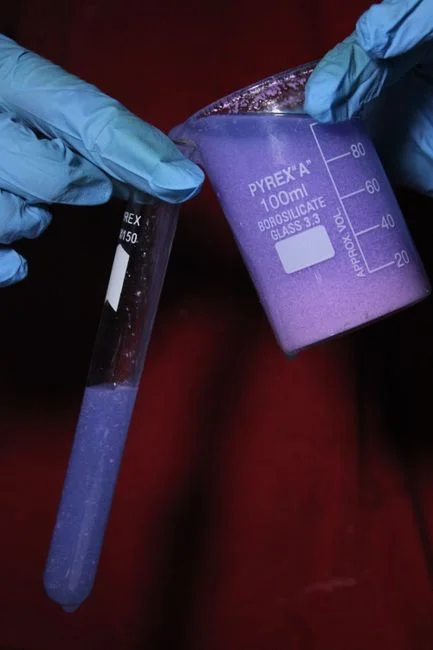
Process selection depends on the influent parameter that most limits discharge compliance rather than equipment preference. The table below maps the four most common Canadian industrial targets to a recommended primary unit, expected removal range, and required upstream/downstream context. The numbers are typical engineering ranges for properly sized equipment; site-specific piloting remains required where influent variability exceeds 2:1.
| Target Contaminant | Primary Unit | Removal Range | Required Preceding Process | Downstream Process |
|---|---|---|---|---|
| Total Suspended Solids & Free/Emulsified Oil | Dissolved Air Flotation (DAF) | 80–95% TSS, 90–98% oil & grease | Screening, pH equalization, coagulant/flocculant dosing | MBR or multimedia filter |
| Soluble BOD/COD & Ammonia | MBR (Membrane Bioreactor) | 90–98% COD/BOD, >95% NH₃-N with nitrification | DAF or primary clarifier, flow equalization | RO or disinfection |
| Dissolved Salts & Heavy Metals | Reverse Osmosis (multi-pass) | 95–99.5% TDS, >95% recovery with concentrate recirculation | Multimedia filter to SDI <3, antiscalant dosing | Polishing RO or ion exchange for ultrapure reuse |
| Sludge Volume Reduction | Plate & Frame Filter Press | Dry solids content ≥35% DS | Sludge thickening, polymer conditioning | Cake disposal or incineration |
For TSS and FOG, the dissolved air flotation system covers 4–300 m³/h across 13 models with micro-bubble generation and automatic skimming, removing 80–95% of TSS and 90–98% of oil & grease when properly coagulated. For soluble organics, an integrated MBR membrane bioreactor system with <1 μm PVDF membranes achieves 90–98% COD reduction in roughly 60% of the footprint of a conventional activated-sludge basin. For salt and metal rejection, an industrial reverse osmosis system with energy-recovery turbines can run at up to 95% recovery in multi-pass configuration. RO feed must be polished to SDI <3, which a multimedia filter sized at 10–15 m/h filtration rate delivers. Generated sludge is typically dewatered with a plate and frame filter press with 1–500 m² filtration area, producing cake at ≥35% dry solids for off-site disposal.
Cold-Climate Engineering: Designing for Canadian Winters
Influent temperatures at many Canadian sites drop to 4–8°C from November through April, which can reduce conventional activated-sludge nitrification efficiency by 50% or more. This single factor determines whether a biological system meets year-round discharge limits. Specify enclosed, insulated, or heated bioreactors for any sub-10°C duty; an MBR with flat-sheet PVDF modules tolerates cold mixed liquor better than hollow-fibre because of lower fouling at elevated mixed-liquor suspended solids (MLSS 8,000–12,000 mg/L).
Aeration system choice also shifts in cold weather: diffused aeration outperforms surface mechanical aeration below 10°C because fine-bubble diffusers maintain higher standard oxygen transfer efficiency (SOTE) at low temperatures, where mechanical surface aerators lose mass-transfer driving force. For smaller flows, the buried WSZ package plant leverages ground temperature stability at 1–2 m burial depth, keeping mixed liquor near 8–12°C year-round without external heat. Operators comparing aeration technologies in detail should review the diffused vs surface aeration comparison, which quantifies SOTE and energy per kg O₂ transferred across the 4–25°C range.
2026 Cost Benchmarks for Industrial Wastewater Systems in Canada
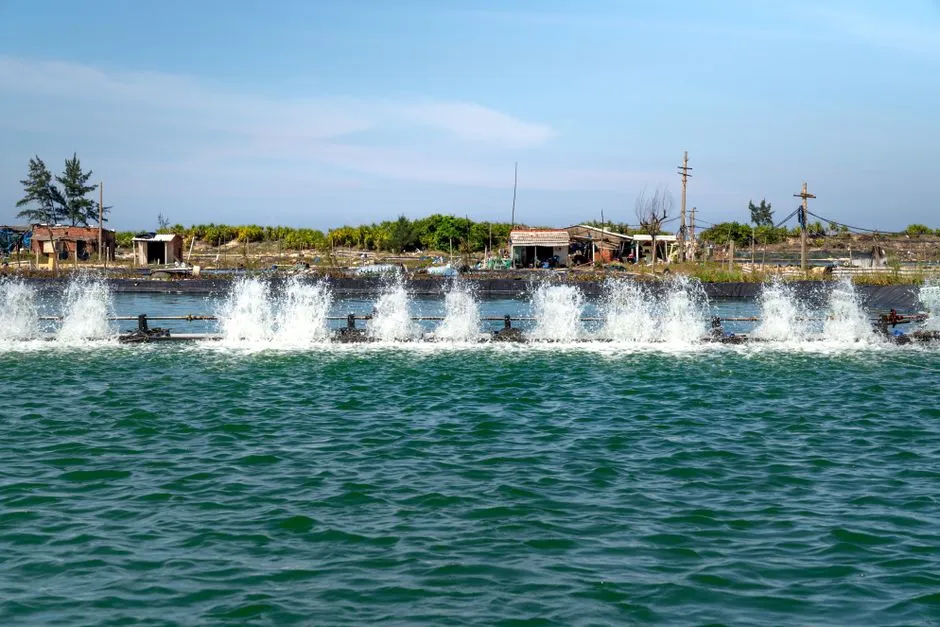
Budget figures below are 2026 Canadian market ranges for properly designed industrial systems. Site-specific factors (soil conditions, discharge destination, automation scope) can shift values by ±20%. All figures in CAD excluding taxes, freight, and site-specific civil work beyond a standard engineered pad.
| System Scope | Capacity Range | CAPEX (CAD) | Dominant OPEX Drivers | Largest Hidden Cost |
|---|---|---|---|---|
| Package MBR skid, pre-engineered | 10–500 m³/day | 180K–1.4M | Membrane replacement (5–8 yr), aeration energy CAD 0.18–0.42/m³ | Building enclosure and HVAC for cold climate |
| Full industrial train (DAF + MBR + RO) | 100–2,000 m³/day | 2.5M–18M (60–70% equipment, 30–40% civil/commissioning) | Chemical dosing CAD 0.05–0.12/m³, RO membrane replacement, concentrate disposal | RO concentrate management and disposal |
| CEMS + quarterly federal reporting stack | Any | 120K–350K installed | CAD 35K–90K/year for compliance-grade monitoring and data validation | Annual third-party data audit |
For 100 m³/day of food-processing wastewater in Ontario, a DAF + MBR package with building and tie-ins typically costs between CAD 1.8M and CAD 3.2M installed in 2026. OPEX optimization through ML-based aeration and chemical control is becoming standard; the machine learning OPEX optimization guide documents 12–25% energy savings on comparable MBR plants. Procurement should also budget CAD 50K–CAD 150K for an ECA application, geotechnical work, and a one-time WSER or EPEA approval fee depending on the province.
Frequently Asked Questions
Which Canadian regulation applies first — Fisheries Act, CCME, or provincial?
The Fisheries Act is the legal ceiling: any discharge of a deleterious substance is prohibited under s. 36(3) regardless of provincial rules. Federal WSER adds monitoring and reporting for systems ≥100 m³/day. CCME guidelines are non-binding national benchmarks that provinces adopt into regulation. Provincial rules (Ontario Reg. 561, Alberta EPEA, BC CSR) set the actual numeric effluent limits and the approval pathway required before construction.
What is the typical CAPEX for a 100 m³/day food processing wastewater plant in Ontario in 2026?
A DAF + MBR + disinfection system sized for 100 m³/day of food-processing effluent typically costs CAD 1.8M–CAD 3.2M installed, including building, HVAC, and commissioning but excluding land, incoming sewer, and ECA fees. Adding RO for reuse pushes the upper end to roughly CAD 4.5M.
Can MBR operate year-round in Alberta or Saskatchewan winters without heated enclosures?
Not reliably. Nitrification efficiency drops 50%+ below 10°C, and viscosity-related membrane fouling accelerates. Enclose, insulate, and provide frost-protected ventilation—or use a buried package plant where ground temperature holds mixed liquor near 8–12°C year-round.
What effluent limits apply for discharge to municipal sewer vs surface water in Canada?
Municipal sewer discharges are governed by the local Sewer Use Bylaw (often stricter than provincial rules) and treatability at the receiving STP. Surface water discharges are governed by WSER at the federal level and provincial approval (ECA, EPEA Approval, or CSR) at the provincial level, with limits set on a site-specific basis using CCME benchmarks as the starting point.