Why Starch Wastewater Demands a Different DAF Design
Starch fines behave like a colloid, not a settleable solid — that single fact shifts both tank sizing and chemical demand away from generic DAF pricing tables. Typical corn, cassava, wheat, and potato starch effluent carries TSS of 3,000–10,000 mg/L, COD of 5,000–20,000 mg/L, pH 4.0–6.0, and temperature 30–55°C, with colloidal starch granules in the 5–50 μm range that resist gravity settling and push coagulant demand 1.5–2× higher than FOG or slaughterhouse DAF duty (HydropureWater field data, 2026).
Two physical consequences follow. First, viscosity at 40°C runs 1.2–1.8 cP, which slows free-float and lengthens the hydraulic residence a DAF needs to hit 85–95% TSS removal. Second, micro-bubble designs producing 50–80 μm bubbles outperform coarse-bubble units because the smaller bubbles attach to fine starch flocs more reliably and lift them at lower hydraulic loading. A standard 4–300 m³/h envelope — the sizing range of the dissolved air flotation system — covers roughly 90% of starch plant duties from a single 200 t/d corn line to a 1,500 t/d cassava processing campus.
Coagulation Chemistry: The Variable Behind Most DAF Cost Overruns
Most starch DAF quotes are wrong because they assume oil-and-grease chemistry. Starch needs higher coagulant loading and a strict dosing order to build a floatable floc, and the dose directly drives tank volume: under-dose by half and you double the required surface area to hit the same TSS recovery.
The working envelope for starch effluent:
| Parameter | Range | Notes |
|---|---|---|
| PAC (polyaluminum chloride) dose | 100–300 mg/L | Scale to TSS; jar-test confirm before sizing |
| Anionic PAM dose | 1–5 mg/L | 8–12 million molecular weight |
| Cationic PAM | Avoid for starch | Can re-stabilize colloids at overdose |
| pH window | 6.0–7.5 | Maximizes both coagulant hydrolysis and floc density |
| Flash-mix (PAC) | 200–300 rpm, 30–60 s | High G for coagulant dispersion |
| Slow-mix (PAM) | 50–80 rpm, 1–2 min | Low G to protect floc strength |
| Dosing order | PAC first, then PAM | Reverse order cuts floc strength 40–60% |
PAC dose scales roughly 25–35 mg per 1,000 mg/L of influent TSS in this duty; PAM demand is a tighter 1–5 mg/L window because the polymer is doing the bridging work, not the charge neutralization. pH matters more than most operators expect: below 6.0, PAC hydrolysis shifts to less effective species and float solids drop 10–15%. Above 7.5, starch granules start to swell and bleed soluble COD into the effluent. The chemical dosing package must match this recipe — a matched automatic PAC and PAM dosing skid sized to the jar-test result is what separates a working DAF from an oversized one.
2026 DAF System Cost for Starch Wastewater: CAPEX by Flow Rate
Starch-duty DAF pricing in 2026 lands between $40,000 and $280,000 in equipment CAPEX, with installed cost typically 15–20% above that for civil, piping, and electrical work. The table below bands the equipment price by forward flow; sizing assumes standard influent TSS of 5,000–8,000 mg/L and the chemistry envelope above.
| Flow band (m³/h) | Equipment CAPEX (USD) | Typical starch plant duty |
|---|---|---|
| 4–10 | $40,000–$70,000 | Small cassava or wheat starch line, single-shift |
| 10–25 | $70,000–$120,000 | Mid-size corn starch processor, single line |
| 25–50 | $110,000–$160,000 | Two-line operation or potato starch plant |
| 50–100 | $150,000–$220,000 | Large integrated starch complex |
| 100–300 | $200,000–$280,000+ | Cassava/tapioca campus, multi-stream |
Cost driver breakdown within that number: tank and skimmer 35–40%, saturator and recycle pump 20–25%, air compressor 10–15%, controls and instrumentation 10–15%, installation and commissioning 15–20%. Material of construction is a common line-item trap — 316L stainless over 304 adds 20–35% to tank cost and is only justified when free chlorine exceeds 2 mg/L, operating temperature exceeds 60°C, or the effluent carries chloride above 500 mg/L.
The only public installed-cost anchor in the SERP is the undated $600,000 figure attached to a Kusters Water DAF at roughly 100 m³/h. That number is real but unsourced on date and scope, and it reflects a North American or European fabricated build with full installation. A Chinese-built skid DAF at the same flow — the DAF platform — lands 40–60% lower for comparable performance because the saturator, recycle pump, and skimmer are skid-mounted and pre-piped, cutting field labor (per HydropureWater 2026 project quotes). The gap is not a quality gap; it is a fabrication-labor and supply-chain gap.
Operating Cost Per Cubic Meter: What DAF Actually Costs to Run
OPEX for a starch DAF in 2026 runs $0.08–$0.22 per m³ treated, with the spread driven mostly by local power rates and sludge-haul fees. The breakdown below is from operating data on starch lines running 16–24 hours/day, 300+ days/year.
| OPEX line item | Unit cost | Per m³ treated | Driver |
|---|---|---|---|
| Power (compressor + recycle pump) | $0.08–$0.12/kWh | $0.024–$0.072 | 0.3–0.6 kWh/m³ |
| PAC coagulant | $0.30–$0.60/kg | $0.04–$0.08 | 100–300 mg/L dose |
| Anionic PAM | $2.50–$5.00/kg | $0.01–$0.03 | 1–5 mg/L dose |
| Sludge hauling | $20–$60/wet tonne | $0.02–$0.05 | 3–6% dry solids float |
| Total OPEX | — | $0.08–$0.22 | — |
The float from a properly coagulated DAF runs 3–6% dry solids versus 1–2% from a conventional settling tank, which cuts hauling volume and cost by 30–50% at the same TSS removed. Most plants downstream of DAF route the float to a belt filter press or plate-and-frame press for further dewatering to 18–25% DS before disposal; the relevant belt filter press OPEX data is in the linked 2026 breakdown.
DAF vs. Settling Tank vs. DAF + MBR: Decision Matrix for Starch Plants
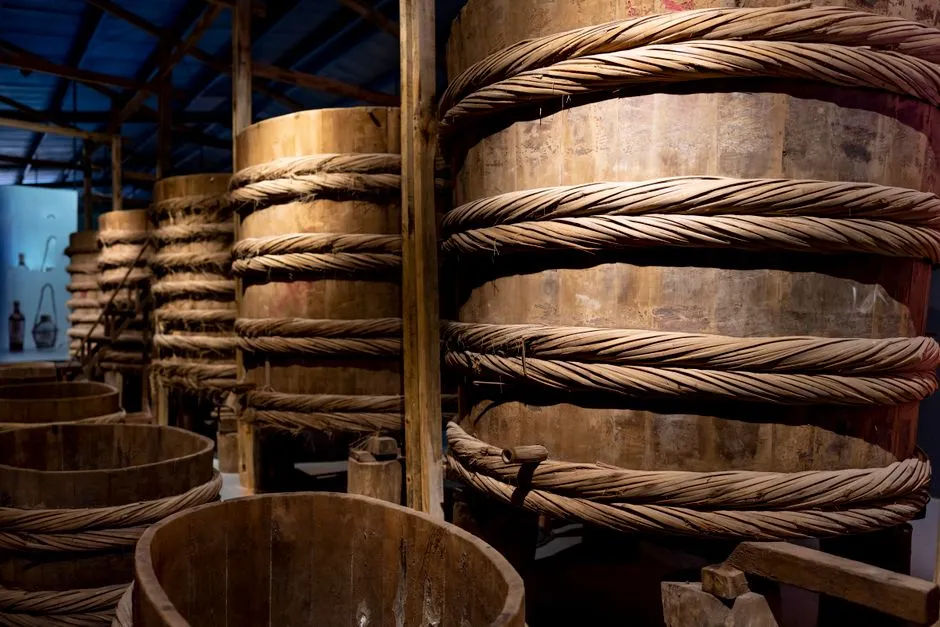
The three architectures answer different questions. A concrete settling tank is the cheapest to build but the most expensive to operate and the weakest on effluent quality. DAF alone is the workhorse for starch and the right choice for 80% of plants discharging to a municipal sewer with adequate BOD/COD allowance. DAF followed by an MBR is justified only when discharge limits are tight, water reuse is a target, or the plant is zero-liquid-discharge.
| Parameter | Concrete settling tank | DAF only | DAF + MBR |
|---|---|---|---|
| Footprint (per m³/h treated) | 25–35 m² | 0.8–1.2 m² | 1.5–2.5 m² |
| HRT | 4–8 h | 20–30 min | 20–30 min + 6–10 h |
| TSS removal | 60–70% | 85–95% | 99%+ |
| COD removal | 30–45% | 40–60% | 90–95% |
| Effluent TSS | 1,500–3,000 mg/L | 250–750 mg/L | <10 mg/L |
| Relative CAPEX (per m³/h) | 0.6–0.8× | 1.0× | 1.8–2.5× |
| Relative OPEX (per m³) | Highest (sludge hauling) | Lowest | Moderate (membrane cleaning) |
For plants that need reuse-grade water or face a sewer COD limit under 500 mg/L, pairing the DAF with an MBR membrane bioreactor for effluent polishing pushes total COD below 50 mg/L and TSS below 1 mg/L. Plants with anaerobic digesters upstream should also consider DAF as a focused pre-treatment that strips colloidal starch before digestion — clarified feed improves biogas yield 8–15% by reducing shock loading on the digester biology.
ROI Worked Example: When a DAF System Pays for Itself on Starch
Take a 50 m³/h corn starch line. Equipment CAPEX for a properly sized DAF in this band runs about $140,000; installed, roughly $165,000–$175,000. The incumbent concrete settling basin retrofit, if it does not exist, runs about $90,000 in concrete and civils — but the 30× footprint delta (about 1,500 m² of basin area versus 50 m² of DAF) wipes out the CAPEX saving once land cost at $40–$80/m² industrial rent is included.
Annual savings stack up as follows. Sludge disposal drops 35% because the float runs 3–6% DS versus 1–2% from settling, eliminating roughly $0.05/m³ in hauling. Chemical savings versus an incumbent polymer program run another $0.07/m³ once the DAF dosing curve is dialed in. Footprint release frees 1,400+ m², worth $56,000–$112,000/year in foregone industrial rent. For a 50 m³/h plant running 6,000 hours/year at full load, simple payback lands at 12–24 months. Sub-25 m³/h plants see 18–36 months because the fixed OPEX ratio is higher. The intangible line that finance often underweights: clarified water to an anaerobic digester improves biogas yield 8–15%, which on a 1 MW CHP unit translates to $40,000–$80,000/year in additional electricity export or fuel offset.
Sourcing Checklist: What to Ask a DAF Vendor Before You Sign
Five questions that prevent the most common starch DAF mismatches:
- Air-to-solids ratio. Confirm 0.005–0.015 by mass for your actual TSS, not a generic curve.
- Recycle rate. 20–50% of forward flow, sized to saturator pressure and influent TSS.
- Hydraulic residence. 20–30 minutes in the flotation zone, longer for high-viscosity streams.
- Saturator pressure. 4–6 bar; below 4 bar the air mass carried per m³ of recycle collapses.
- Skimmer drive duty. Continuous vs. intermittent — continuous is required once float solids exceed 4% DS to prevent carryover.
Ask for a guaranteed TSS removal curve at your actual influent, not generic lab data, and confirm the supplied chemical dosing skid matches the jar-test recipe — pairing the DAF with a properly specified automatic PAC and PAM dosing skid is what locks in the chemistry envelope above.
Frequently Asked Questions
What does a DAF system for a 50 m³/h starch plant cost in 2026? Equipment CAPEX of $110,000–$160,000, installed roughly $130,000–$190,000, depending on material of construction and whether the saturator and controls are skid-mounted or field-erected. (HydropureWater 2026 pricing)
Is DAF better than induced-air or electrocoagulation for starch? For TSS 3,000–10,000 mg/L with fine colloidal granules, micro-bubble DAF (50–80 μm) is the most cost-effective primary clarifier. Induced-air units underperform on fines; electrocoagulation is reserved for very small flows or polishing duty.
How much polymer does a starch DAF actually use? Anionic PAM at 1–5 mg/L plus PAC at 100–300 mg/L, jar-test confirmed. Reverse dosing order cuts floc strength 40–60% and will not recover with longer mix time.
What sludge yield should a starch DAF produce? 3–6% dry solids float at 85–95% TSS removal, or roughly 50–80 kg DS per 1,000 mg/L of TSS removed per 1,000 m³ treated — about 30–50% less haul volume than a settling tank.
Does a starch plant always need an MBR after DAF? No. DAF alone is sufficient when the discharge target is a municipal sewer accepting >500 mg/L COD and there is no water-reuse obligation. MBR is justified only when effluent COD must drop below 50 mg/L or reuse water is required. For a different starch-sector benchmark, the SBR for fruit processing wastewater cost guide covers sequencing batch reactors on a related food-industry duty.