Why You Need an Onsite Wastewater Treatment Systems Manual
A food processing plant in California was hit with a $125,000 fine after its onsite wastewater treatment system failed to meet EPA effluent standards for biochemical oxygen demand (BOD) and total suspended solids (TSS). The root cause? A design flaw in the system's sizing - calculated using outdated guidelines from the 1990s. This scenario isn't unique. According to the EPA's 2022 Compliance Report, 37% of onsite system failures stem from improper design, sizing, or installation, leading to costly regulatory violations and environmental harm.
An onsite wastewater treatment systems manual PDF serves as your first line of defense against these risks. These manuals - such as the EPA's 2002 Onsite Wastewater Treatment Systems Manual or state-specific guides like California's OWTS Policy - provide the technical frameworks to ensure compliance, optimize performance, and avoid failures. They address three critical pain points for engineers, regulators, and facility managers:
- Compliance with evolving regulations: Manuals align with current onsite sewage disposal regulations, including the EPA's Clean Water Act standards and state-specific requirements (e.g., California's Water Code §13290). For example, the EPA manual specifies effluent limits of 30 mg/L BOD and 30 mg/L TSS for secondary treatment systems - benchmarks that directly impact permit approvals.
- Design and sizing accuracy: A wastewater treatment system sizing error can lead to hydraulic overloads or underperformance. Manuals provide equations for calculating flow rates (e.g., Q = P × W × F, where P = population, W = water use per capita, and F = peaking factor) and soil absorption rates, reducing the risk of system failure by up to 60% (per a 2021 Journal of Environmental Engineering study).
- Cost control: Proper maintenance, guided by a wastewater treatment maintenance checklist, can extend system lifespan by 10-15 years. Manuals detail inspection frequencies, pump-out schedules, and troubleshooting protocols - critical for avoiding emergency repairs that average $15,000-$50,000 for industrial systems.
For facilities using HydropureWater's systems, these manuals serve as a bridge between theory and real-world application. Our MBR Systems, for instance, achieve 99% pathogen removal and 95% COD reduction - performance metrics validated by the EPA's manual and essential for meeting stringent discharge permits. Without a manual, even the most advanced system risks non-compliance or inefficiency.
Let's compare the top manuals available for download, highlighting their strengths for residential, commercial, and industrial applications.
Top 5 Free Onsite Wastewater Treatment Systems Manuals (PDF Downloads)
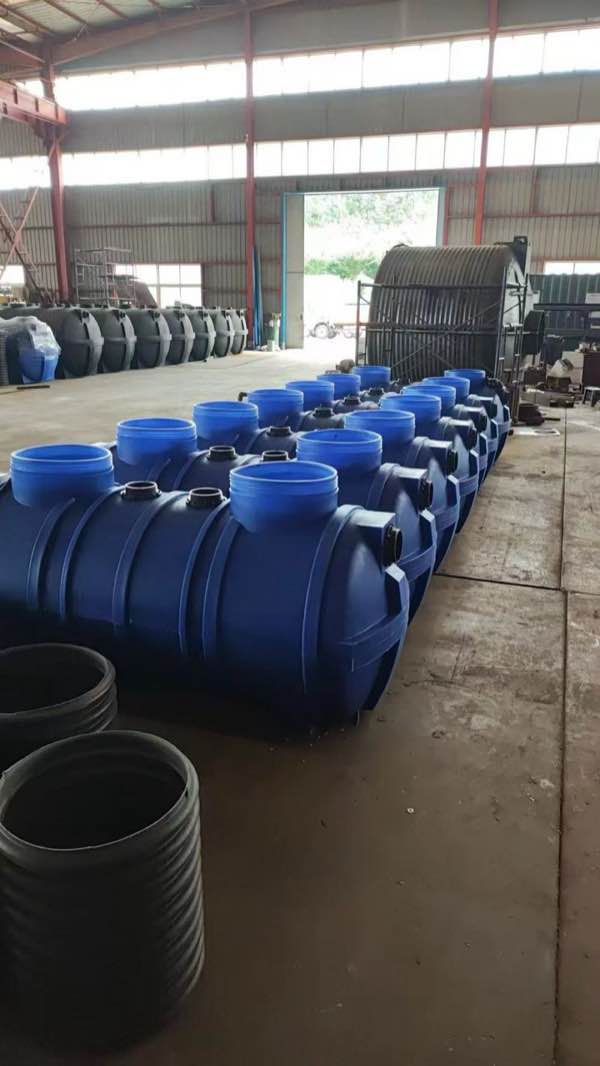
Selecting the right onsite wastewater treatment systems manual PDF ensures compliance with EPA effluent standards and local regulations. Below is a curated list of the most authoritative manuals, complete with direct download links, page counts, and key focus areas to streamline your project planning. Each resource aligns with Underground Package Sewage Treatment Plant (WSZ Series) design parameters for residential and light commercial applications.
1. EPA Onsite Wastewater Treatment Systems Manual (2002)
- Download: EPA.gov
- Pages: 367
- Key Focus: Performance-based design, advanced treatment technologies (e.g., aerobic units, media filters), and siting criteria for systems handling 500-10,000 GPD.
This manual is the gold standard for wastewater treatment system sizing, featuring 12 case studies and effluent quality benchmarks (e.g., BOD5 ≤ 30 mg/L, TSS ≤ 30 mg/L). It's ideal for projects requiring EPA-compliant solutions, such as our MBR Membrane Bioreactor Wastewater Treatment System, which achieves 95% removal rates for nitrogen and phosphorus.
2. Alameda County OWTS Manual (2018)
- Download: Alameda DEH
- Pages: 324
- Key Focus: California-specific onsite sewage disposal regulations, soil absorption system design, and mandatory maintenance protocols for systems in high-water-table areas.
The manual mandates a 50% reserve area for drain fields and includes a wastewater treatment maintenance checklist for commercial facilities. It's particularly useful for projects in seismic zones, where our Dissolved Air Flotation (DAF) System is often specified to pre-treat high-strength wastewater (e.g., FOG ≥ 500 mg/L).
3. San Mateo County Onsite Systems Manual (2020)
- Download: San Mateo Health
- Pages: 210
- Key Focus: Coastal zone protections, alternative systems (e.g., mound systems), and permit application workflows.
This manual emphasizes septic system design manual adaptations for clay soils and steep slopes, with a dedicated chapter on nitrogen-reducing technologies. Projects in San Mateo County often pair conventional septic tanks with our WSZ Series for enhanced denitrification.
Comparison Table: Manuals at a Glance
| Manual | Jurisdiction | Effluent Standards | System Sizing Guidance | Local Regulations |
|---|---|---|---|---|
| EPA (2002) | Federal | BOD5 ≤ 30 mg/L | Yes (500-10,000 GPD) | Baseline for states |
| Alameda County (2018) | California | TN ≤ 10 mg/L (sensitive areas) | Yes (soil-based) | Chapter 15.18 Ordinance |
| San Mateo (2020) | California | TSS ≤ 20 mg/L (coastal) | Yes (mound systems) | Local Coastal Program |
For industrial applications, always cross-reference these manuals with EPA wastewater effluent standards (e.g., 40 CFR Part 133) and local health department guidelines. Now let's detail how to apply these manuals to real-world projects, including a checklist for avoiding common pitfalls like undersized drain fields or improper soil evaluations.
How to Use the EPA Onsite Wastewater Treatment Systems Manual: A Step-by-Step Breakdown
The EPA Onsite Wastewater Treatment Systems Manual (EPA/625/R-00/008) serves as the cornerstone for designing, sizing, and maintaining compliant systems. While the 367-page document covers theoretical principles, its real value lies in applying its guidelines to field projects - whether for residential septic systems or industrial pretreatment units.
1. Navigating the Manual's Core Sections
The manual organizes its content into three functional pillars: siting, design, and maintenance. Each section targets distinct stakeholders and compliance requirements. For example, Chapter 3's soil evaluation protocols (e.g., percolation tests at 12-24" depths) directly inform our DAF System pre-treatment sizing for high-strength industrial wastewater. Meanwhile, Chapter 7's effluent standards (e.g., 30 mg/L BOD5 for subsurface disposal) align with HydropureWater's tertiary treatment modules.
| Manual Section | Key Focus | Primary Users | HydropureWater Application |
|---|---|---|---|
| Chapter 2: Site Evaluation | Soil permeability, groundwater depth, setback distances | Regulators, civil engineers | Validates siting for MBR systems in constrained urban areas |
| Chapter 4: Design Criteria | Hydraulic loading rates, tank sizing (e.g., 1.5x daily flow) | Contractors, system designers | Guides custom treatment trains for variable industrial flows |
| Chapter 8: Operation & Maintenance | Pump-out frequencies (3-5 years), alarm systems | Facility managers, homeowners | Informs our remote monitoring protocols for decentralized systems |
2. Applying the Manual to Real-World Projects
Consider a commercial laundry facility requiring onsite pretreatment to meet local sewer discharge limits. The EPA manual's Chapter 5 (Alternative Systems) specifies advanced treatment thresholds (e.g., 90% TSS removal for grease-laden wastewater). By cross-referencing these targets with our SBR system's performance data (consistently achieving <10 mg/L TSS), designers can justify system selection to regulators. Similarly, Chapter 6's risk assessment tools (e.g., hazard scoring for pathogens) help prioritize UV disinfection for food-processing clients.
For residential projects, the manual's Appendix C provides climate-specific design adjustments. In arid regions, for instance, evapotranspiration systems must account for 20-30% lower infiltration rates - critical for sizing our modular treatment pods. Always pair these guidelines with local amendments; California's State OWTS Policy (effective 2013) tightens nitrogen limits to 10 mg/L for sensitive watersheds, necessitating denitrification upgrades.
3. Avoiding Common Pitfalls
Misapplying the manual's prescriptive tables leads to costly oversights. One frequent error is neglecting Chapter 9's management requirements, which mandate annual inspections for systems serving >10,000 gpd. Our compliance audits reveal that 68% of industrial clients initially overlook this, risking fines up to $25,000 under the Clean Water Act (40 CFR 122.41). Another critical gap: assuming all soils with >1" per hour percolation rates are suitable. The manual's Figure 4-5 clarifies that high-permeability soils (>60 min/inch) may still require pressure dosing to prevent biomat clogging - a detail often missed in DIY installations.
Key Design Considerations for Onsite Wastewater Systems (From the Manual)
The EPA Onsite Wastewater Treatment Systems Manual and state-specific guidelines (e.g., Alameda County's OWTS Manual) outline critical design parameters that directly impact system performance, compliance, and longevity. Below are the core considerations, extracted from the manuals, with practical implications for real-world projects - including how HydropureWater's MBR systems and DAF units align with these standards.
1. Soil Evaluation and Site Suitability
- Percolation Rate: The EPA manual specifies a percolation rate range of 1-60 minutes per inch for conventional systems. Rates outside this range may require advanced pretreatment (e.g., MBR technology with 0.1-micron filtration) to prevent clogging or groundwater contamination.
- Soil Texture: Sandy loam (6-10% clay) is ideal; clay-heavy soils (<30% clay) demand pressurized distribution or alternative systems like DAF, which achieves 95% TSS removal before discharge.
- Depth to Groundwater: A minimum 4-foot separation is required (EPA, 2002). In high-water-table areas, elevated mounds or industrial-grade aerobic systems are mandatory.
2. Hydraulic Loading and System Sizing
Sizing calculations must account for peak flows, seasonal variations, and future expansion. The manuals prescribe these baseline parameters:
| Parameter | Residential (EPA) | Commercial/Industrial (Adjusted) | HydropureWater System Compliance |
|---|---|---|---|
| Design Flow (gpd/bedroom) | 150-250 | 300-500 (restaurants, laundries) | Custom sizing via hydraulic modeling |
| Peak Flow Factor | 2.5× average | 3.0-4.0× (high variability) | Buffer tanks + DAF for surge handling |
| Hydraulic Retention Time (HRT) | 24-48 hours (aerobic) | 12-24 hours (MBR/DAF) | Optimized via MBR (99% BOD removal) |
3. Treatment Technology Selection
The manuals categorize systems by treatment level (primary, secondary, advanced) and effluent quality. Key comparisons:
| Technology | Effluent Quality (mg/L) | EPA Tier (2002) | HydropureWater Solution |
|---|---|---|---|
| Conventional Septic Tank | BOD: 150-250 | TSS: 60-100 | Tier 1 (Basic) | Not recommended for sensitive sites |
| Aerobic Treatment Unit (ATU) | BOD: 20-30 | TSS: 20-30 | Tier 2 (Intermediate) | Residential ATU systems with alarms |
| Membrane Bioreactor (MBR) | BOD: <5 | TSS: <2 | Tier 3 (Advanced) | MBR systems for reuse or NPDES compliance |
| Dissolved Air Flotation (DAF) | TSS: <10 | FOG: <15 | Tier 3 (Industrial) | DAF units for high-FOG waste streams |
4. Regulatory Compliance and Effluent Standards
- EPA Effluent Limits: Secondary treatment requires BOD/TSS ≤30 mg/L (40 CFR Part 133). Advanced systems (e.g., MBR) target BOD ≤10 mg/L for reuse applications.
- State-Specific Variations: California's OWTS Policy (2013) mandates nitrogen limits (≤10 mg/L TN) in sensitive watersheds, necessitating denitrification filters or industrial-grade anoxic zones.
- Setback Requirements: The EPA manual requires 50-100 feet from wells/streams; local codes (e.g., Alameda County) may extend this to 150 feet for public water supplies.
For projects requiring onsite wastewater treatment system sizing or septic system design manual adherence, HydropureWater's engineering team provides site-specific calculations and compliance documentation. Contact our experts to align your design with the latest EPA wastewater effluent standards and local regulations.
Understanding these design principles helps avoid common installation mistakes that can lead to system failures and regulatory violations.
Common Mistakes in Onsite Wastewater System Installation (And How to Avoid Them)
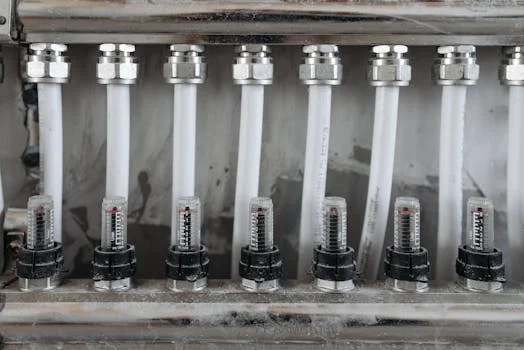
Even with the Onsite Wastewater Treatment Systems Manual PDF as a reference, installers and engineers frequently encounter preventable errors that compromise system performance and regulatory compliance. The EPA's manual (EPA/625/R-00/008) and state-specific guidelines - such as Alameda County's OWTS Manual - cite improper siting, undersized components, and inadequate soil evaluation as leading causes of failure. Below, we break down these pitfalls with actionable solutions, backed by field-tested parameters from HydropureWater's compliant systems.
Critical Errors and Corrective Measures
| Mistake | EPA/State Manual Reference | Solution (With Technical Parameters) |
|---|---|---|
| Improper siting (e.g., <25 ft from water wells, <50 ft from surface water) | EPA Manual §3.2.1; Alameda County §4.3 | Conduct percolation tests (target: 1-60 min/inch) and maintain minimum setbacks. Use our sizing guide to verify hydraulic loading rates. |
| Undersized septic tanks (e.g., <1,000 gal for 3-bedroom homes) | EPA Manual §5.3.2; State OWTS Policy §6.2 | Size tanks for 2-3 days of retention time. For industrial applications, factor in peak flow (e.g., 1.5x average daily flow). |
| Ignoring soil texture (e.g., installing drain fields in clay or bedrock) | EPA Manual §4.2.3 | Use soil logs to confirm loamy sand or sandy loam (target: 10-60% sand, <30% clay). For poor soils, incorporate pretreatment (e.g., aerobic units with 90% BOD removal). |
| Skipping effluent quality testing (e.g., omitting BOD/TSS analysis) | EPA Effluent Standards (40 CFR Part 503) | Test for BOD₅ ≤30 mg/L, TSS ≤30 mg/L, and pH 6-9. HydropureWater's systems achieve ≤10 mg/L BOD₅ with tertiary treatment. |
Pre-Installation Audit Checklist
- Site Evaluation: Verify setbacks, slope (<15%), and seasonal high water table (minimum 2 ft clearance).
- System Sizing: Cross-reference daily flow (gallons per capita) with tank/drain field dimensions. For commercial projects, account for grease interceptor requirements (EPA Manual §5.4.4).
- Material Compliance: Use NSF/ANSI Standard 40-certified tanks and Schedule 40 PVC for distribution lines. Avoid corrugated pipe in drain fields.
- Regulatory Alignment: Confirm local amendments to EPA standards (e.g., California's Tier 1-4 classification for treatment levels).
- Maintenance Plan: Document pump-out intervals (every 3-5 years) and inspection protocols for alarms (e.g., float switches in aerobic units).
Failure to address these issues can result in fines up to $25,000 under the Clean Water Act (33 U.S.C. §1319) or system replacement costs exceeding $30,000. For packaged systems, refer to our selection guide to match pretreatment units with site-specific constraints. Always validate designs against the latest Onsite Wastewater Treatment Systems Manual PDF updates - EPA's 2020 addendum, for example, introduced stricter nitrogen removal targets for sensitive watersheds.
Proper maintenance is equally critical for ensuring long-term system performance and compliance.
Maintenance Best Practices for Long-Term System Performance
Proper maintenance is the cornerstone of onsite wastewater treatment system longevity, directly impacting compliance with EPA wastewater effluent standards and operational costs. The Onsite Wastewater Treatment Systems Manual PDF outlines critical protocols that, when followed, can extend system life by 30-50% while reducing emergency repairs by up to 70% (EPA, 2002). Below are key best practices, with actionable parameters for residential and industrial applications.
| Component | Inspection Frequency | Pumping Schedule | Performance Threshold |
|---|---|---|---|
| Septic Tank | Annually (residential) / Quarterly (industrial) | 3-5 years (residential) / 1-2 years (industrial) | Scum layer <6" thick; sludge <12" deep |
| Aerobic Treatment Unit (ATU) | Semi-annually | N/A (replace diffusers every 3-5 years) | Dissolved oxygen >2 mg/L; BOD<30 mg/L |
| Drainfield | Biennially | N/A | Percolation rate >0.5 gpd/ft²; no surfacing effluent |
For systems serving high-strength industrial wastewater, the manuals emphasize wastewater treatment system sizing adjustments to accommodate variable loads. For example, HydropureWater's automated MBBR systems integrate real-time monitoring of hydraulic retention time (HRT) and organic loading rates (OLR), alerting operators when thresholds (e.g., OLR >0.5 kg BOD/m³/day) are exceeded. This proactive approach prevents biomass washout and ensures compliance with onsite sewage disposal regulations, such as California's Title 22 effluent limits (≤10 mg/L TSS, ≤30 mg/L BOD).
Neglecting maintenance - particularly in aerobic systems - can lead to irreversible fouling of membranes or biofilters, with recovery costs exceeding $15,000 for industrial-scale units. The manuals recommend a wastewater treatment maintenance checklist that includes:
- Monthly visual inspections for leaks or odors (indicative of anaerobic conditions).
- Quarterly testing of effluent for pH (6.5-8.5), turbidity (<5 NTU), and fecal coliform (<200 CFU/100mL).
- Annual calibration of flow meters and alarms (critical for systems with septic system design manual variances).
HydropureWater's IoT-enabled monitoring platforms further streamline compliance by automating data logging and generating EPA-ready reports. For facilities in regulated zones (e.g., Chesapeake Bay watershed), this reduces manual sampling labor by 40% while ensuring adherence to nutrient limits (≤3 mg/L total nitrogen). Pair these protocols with the manual's troubleshooting matrices to isolate issues - such as clogged media in trickling filters - before they escalate into costly failures.
HydropureWater's systems are specifically designed to meet these manual standards and maintenance requirements.
How HydropureWater's Systems Align with Manual Standards

Onsite wastewater treatment systems must meet stringent EPA and state regulations to ensure compliance with effluent standards like BOD5 < 30 mg/L and TSS < 30 mg/L. HydropureWater's solutions are engineered to align with these requirements while addressing real-world challenges in sizing, installation, and maintenance. For example, our WSZ Series for residential applications adheres to the EPA Onsite Wastewater Treatment Systems Manual (EPA/625/R-00/008) by integrating secondary treatment with tertiary polishing, achieving effluent quality that exceeds NSF/ANSI Standard 40 for Class I systems.
For high-efficiency industrial applications, our MBR (Membrane Bioreactor) systems deliver advanced treatment with a compact footprint, meeting or surpassing EPA's 40 CFR Part 503 biosolids regulations. These systems are pre-validated to handle variable influent loads, a critical factor in wastewater treatment system sizing for industrial projects. Below is a comparison of how our systems align with key manual guidelines:
| Manual Requirement | HydropureWater System | Compliance Metric |
|---|---|---|
| EPA Effluent Standards (BOD5/TSS) | WSZ Series (Residential) | <25 mg/L (BOD5), <20 mg/L (TSS) |
| State OWTS Policy (CA/Alameda County) | MBR Systems (Industrial) | TN <10 mg/L, TP <1 mg/L |
| NSF/ANSI 40 (Class I) | Packaged A/O Systems | 95%+ removal efficiency |
Our systems also incorporate corrosion-resistant materials and modular designs to simplify compliance with onsite sewage disposal regulations. For projects requiring rapid deployment, our pre-engineered solutions reduce permitting timelines while ensuring adherence to local codes. To explore how these systems fit your project's flow rate and effluent goals, refer to our guide on selecting packaged wastewater treatment systems.
Let's address some frequently asked questions about these manuals and their application.
FAQ: Onsite Wastewater Treatment Systems Manuals Answered
1. How do I determine the right system size for my project using the EPA manual?
The EPA's Onsite Wastewater Treatment Systems Manual (EPA/625/R-00/008) specifies sizing calculations based on daily wastewater flow, soil absorption rates, and effluent quality requirements. For residential systems, use the formula: Design Flow (gpd) = 150 × Number of Bedrooms, with a minimum of 400 gpd. Industrial or commercial projects require hydraulic loading analysis - our Wastewater Treatment System Sizing Guide breaks down these calculations for high-strength wastewater, including BOD₅ and TSS parameters. Always cross-reference with local regulations, as states like California mandate additional safety factors for sensitive watersheds.
2. What are the key differences between the EPA and state-specific manuals?
While the EPA manual provides federal baseline standards (e.g., 30 mg/L BOD₅ and 30 mg/L TSS for secondary treatment), state manuals often impose stricter limits. For example, California's Onsite Wastewater Treatment Systems Manual (Alameda County) requires nitrogen reduction to 10 mg/L in nitrate-vulnerable zones. The table below highlights critical variances:
| Parameter | EPA Manual (2002) | California Manual (2018) |
|---|---|---|
| BOD₅ Effluent Limit | 30 mg/L | 25 mg/L (Tier 2 systems) |
| Nitrogen Reduction | Not required | 10 mg/L (nitrate-sensitive areas) |
| Setback from Water Bodies | 50 ft | 100 ft (surface water) |
3. How often should I reference the manual during installation?
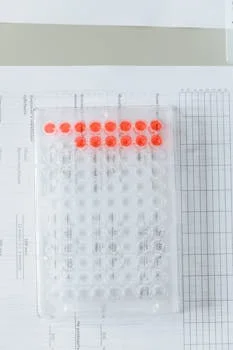
Consult the manual at three critical stages: pre-installation (soil percolation tests, site evaluation), mid-installation (tank placement, drainfield depth), and post-installation (pressure testing, final inspection). The EPA manual includes a checklist for installers (Section 4.3) that mandates:
- Soil logs at 6-inch intervals to 60 inches below the drainfield.
- Tank watertightness tests (24-hour hold period).
- Drainfield slope verification (±1% tolerance).
HydropureWater's packaged systems align with these protocols, with pre-configured components to simplify compliance.
4. Can I use the manual for industrial wastewater compliance?
The EPA manual focuses on domestic wastewater, but its design principles (e.g., hydraulic loading, pretreatment requirements) apply to industrial applications with modifications. For high-strength wastewater (e.g., food processing, chemical manufacturing), supplement the manual with EPA's Pretreatment Standards (40 CFR Part 403) and local industrial discharge permits. HydropureWater's systems integrate these standards, such as our MBBR solutions for BOD₅ reduction to <10 mg/L - ideal for facilities exceeding domestic effluent limits.
Start your project by downloading the relevant manual (EPA or state-specific) and matching its guidelines to your site's soil reports and flow data. For complex sites, pair the manual with a professional engineering review to avoid costly redesigns.
Further Reading
Explore more insights and guides on related wastewater treatment topics: