Why Sulawesi Hospitals Are Failing Wastewater Compliance: Root Causes and Data
A 2021 study revealed that 60% of Makassar hospitals are currently failing dissolved oxygen (DO) tests, indicating vulnerable effluent quality that poses environmental risks (Jurnal IJHS, 2021). Dissolved oxygen is a critical proxy for organic pollution; low DO levels in effluent signify high organic loads that deplete oxygen in receiving water bodies, leading to hypoxic zones harmful to aquatic ecosystems and potentially contributing to public health issues. Initial Biochemical Oxygen Demand (BOD) levels in hospital wastewater in Makassar fluctuate significantly, ranging from 50–100 mg/L in the morning to over 100 mg/L in the afternoon, often exceeding the national GovReg 82/2001 limit of <30 mg/L (Jurnal IJHS, 2021). In some facilities, untreated BOD levels have been recorded as high as 322.65 mg/L (GSSRR, 2019), starkly illustrating the challenge.
Common causes for these persistent compliance failures in hospital WWTP Sulawesi facilities include a combination of outdated infrastructure, inadequate treatment processes, and operational mismanagement. Many older hospitals still rely on rudimentary septic tank systems that provide insufficient secondary treatment, failing to remove organic pollutants and pathogens effectively. Beyond basic infrastructure, a lack of consistent chemical dosing for disinfection means that even facilities with some form of biological treatment often fail to meet microbiological standards. For instance, Central General Hospital Prof. dr. RD Kandou in Manado successfully removes TSS, turbidity, and BOD, but its effluent consistently fails fecal coliform limits, necessitating additional chlorination to achieve compliance (IJSRP, 2021).
The environmental impact of these failures is substantial. Makassar’s cumulative untreated wastewater discharge, estimated at over 180,000 m³/day, has led to severe marine ecosystem degradation in the Makassar Strait. According to World Bank assessments from 2023, the nutrient loading from these discharges creates hypoxic zones, directly harming local fisheries and contributing to increased incidences of waterborne diseases like cholera in urban informal settlements. For hospital administrators and civil engineers in Sulawesi, addressing these compliance gaps is not merely a regulatory obligation but a critical public health and environmental imperative.
Hospital Wastewater in Sulawesi: Contaminant Profile and Treatment Challenges
Hospital wastewater in Sulawesi contains a complex profile of contaminants, including high organic loads (BOD 50–500 mg/L, COD 100–1,000 mg/L), elevated suspended solids (TSS 50–300 mg/L), and significant pathogen concentrations (fecal coliform 10^5–10^7 CFU/100mL). Beyond these conventional parameters, hospital effluent also carries pharmaceuticals (e.g., antibiotics, analgesics, cytotoxic drugs) and heavy metals (e.g., mercury from dental clinics), which pose unique challenges for treatment and environmental discharge. These specialized contaminants differentiate hospital wastewater from typical municipal sewage, requiring more robust and advanced treatment solutions.
Sulawesi's unique geography and climate introduce specific engineering challenges for hospital wastewater treatment. The region experiences high rainfall, often exceeding 2,000 mm/year, which can dilute influent concentrations but simultaneously increases hydraulic loading on treatment systems. This necessitates designs that can handle significant flow variations without compromising treatment efficiency. Sulawesi’s volcanic soil, characterized by a low pH (4.5–6.0) and high sulfur content, is highly corrosive to standard concrete and carbon steel components, demanding specialized material selection for tanks, piping, and structural elements. For hospitals located in sensitive coastal tourism zones, such as Wakatobi, discharge restrictions are exceptionally stringent, often requiring Class I effluent quality with BOD levels below 3 mg/L to protect coral reefs and marine biodiversity.
Generic municipal wastewater treatment systems are typically inadequate for hospital wastewater due to its distinct contaminant profile. Municipal plants are designed primarily for domestic sewage and often lack the tertiary treatment stages required to remove high pathogen loads, persistent pharmaceuticals, and heavy metals specific to hospital effluent. For effective hospital wastewater treatment in Southeast Asia, advanced processes like membrane bioreactors (MBR) or advanced oxidation are essential. The regulatory framework in Indonesia further underscores this need, with national standards (GovReg 82/2001) setting baseline limits (BOD <30 mg/L, TSS <50 mg/L), while regional regulations, such as South Sulawesi Governor Regulation No. 69/2010, impose additional or stricter parameters (BOD <50 mg/L, COD <100 mg/L). Hospitals must comply with the more stringent of the two, making a robust and adaptable system crucial. For advanced wastewater treatment solutions, especially for sensitive environments, MBR systems for hospital wastewater in Sulawesi offer a comprehensive approach.
| Parameter | GovReg 82/2001 (National) | South Sulawesi Gov. Reg. 69/2010 (Regional) | Class I Effluent (Tourism Zones) |
|---|---|---|---|
| BOD | <30 mg/L | <50 mg/L | <3 mg/L |
| COD | - | <100 mg/L | <10 mg/L |
| TSS | <50 mg/L | <50 mg/L | <5 mg/L |
| Fecal Coliform | <2000 CFU/100mL | <1000 CFU/100mL | <10 CFU/100mL |
| pH | 6.0 - 9.0 | 6.0 - 9.0 | 6.0 - 9.0 |
MBR vs AO vs DAF: System Comparison for Sulawesi Hospitals
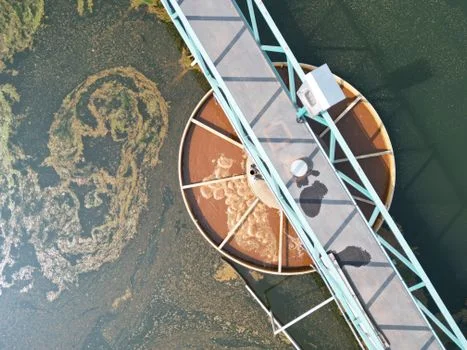
Membrane Bioreactor (MBR) systems, combining activated sludge with advanced membrane filtration, consistently achieve superior effluent quality with BOD levels below 3 mg/L, making them ideal for sensitive coastal discharge zones in Sulawesi. MBR technology integrates biological treatment with submerged PVDF membranes, typically with a pore size of 0.1 μm, effectively separating solids from treated water. This process results in ultra-clean effluent, achieving TSS levels below 5 mg/L and over 99.9% pathogen removal. While MBR systems are highly effective for tourism zones like Wakatobi, they demand skilled maintenance for membrane cleaning and replacement, and incur higher Capital Expenditure (CAPEX), estimated between IDR 3.5 billion and 5 billion for capacities of 20–50 m³/h.
Anoxic/Oxic (AO) systems, alternatively, employ a biological contact oxidation process followed by sedimentation and disinfection. These systems are designed to achieve effluent quality meeting GovReg 82/2001 standards, typically with BOD below 30 mg/L and TSS below 50 mg/L. However, to meet fecal coliform limits for hospital wastewater, secondary disinfection using agents like chlorine dioxide generators for hospital effluent disinfection is essential. AO systems offer a lower CAPEX, ranging from IDR 1.2 billion to 3 billion for capacities of 1–50 m³/h, and are simpler to operate than MBRs, making them a cost-effective choice for many remote hospitals in Sulawesi. Their primary drawback is a larger footprint compared to MBRs.
Dissolved Air Flotation (DAF) systems primarily function as a pretreatment step, designed to remove suspended solids, fats, oils, and grease (FOG), and colloidal matter from high-strength influent via micro-bubble technology. While DAF can significantly reduce the organic and solids load entering subsequent biological treatment stages, with CAPEX between IDR 800 million and 2 billion for capacities of 4–300 m³/h, it is not a standalone solution for comprehensive hospital wastewater treatment. DAF is particularly effective when integrated with AO or MBR systems to handle influents with high TSS, such as those from hospital kitchens or laundry facilities. For instance, a hybrid system combining AO with DAF can efficiently manage high-TSS influent, while MBR coupled with ozone treatment can address specific challenges like pharmaceutical removal in wastewater from oncology wards or heavy metals from dental clinics. Dissolved Air Flotation (DAF) systems are crucial for optimizing the performance of downstream biological processes.
| Feature | MBR (Membrane Bioreactor) | AO (Anoxic/Oxic) | DAF (Dissolved Air Flotation) |
|---|---|---|---|
| Primary Function | Biological treatment + advanced filtration | Biological treatment + sedimentation | Physical-chemical separation (pretreatment) |
| Effluent Quality (BOD) | <3 mg/L | <30 mg/L | Not standalone (removes solids) |
| Effluent Quality (TSS) | <5 mg/L | <50 mg/L | Not standalone (removes solids) |
| Pathogen Removal | >99.9% (high) | Requires secondary disinfection | Limited (physical removal of suspended pathogens) |
| Footprint | Compact (up to 60% smaller than conventional) | Larger | Moderate (depends on flow) |
| CAPEX (20-50 m³/h) | IDR 3.5B – 5B | IDR 2.2B – 3B | IDR 800M – 2B (for 4-300 m³/h) |
| OPEX (20 m³/h) | IDR 1.6M/month (higher energy, membrane replacement) | IDR 1M/month (lower energy, chemical dosing) | IDR 500K/month (for 10 m³/h) |
| Maintenance Complexity | High (membrane cleaning, skilled personnel) | Moderate (routine checks, chemical dosing) | Moderate (sludge removal, chemical management) |
| Best Use Case | Tourism zones (Wakatobi), high-reuse applications, stringent regulations | General hospital compliance, remote areas, cost-effective primary treatment | High-TSS influent, FOG removal, pretreatment for MBR/AO |
Sulawesi-Specific Design Considerations: Terrain, Climate, and Materials
The volcanic soil prevalent across Sulawesi, characterized by low pH (4.5–6.0) and high sulfur content, significantly increases corrosion rates for standard construction materials, necessitating specialized material selection for wastewater treatment infrastructure. Carbon steel, for instance, can experience corrosion rates of 0.1–0.5 mm/year in acidic soils, leading to premature structural failure. To mitigate this, engineers must specify 316L stainless steel for critical components, or utilize High-Density Polyethylene (HDPE) for tanks and piping, which offers excellent chemical resistance. Foundations for AO package plants for remote hospitals in Sulawesi and MBR systems must be reinforced concrete with appropriate coatings or cathodic protection to withstand aggressive soil conditions.
Sulawesi's tropical climate, marked by high rainfall often exceeding 2,000 mm/year, poses hydraulic challenges for wastewater treatment systems. To prevent flooding and ensure continuous operation, systems must be designed with elevated foundations, typically 30–50 cm above grade, and incorporate robust stormwater diversion channels. All electrical enclosures and control panels require a minimum ingress protection rating of IP67 or higher to withstand heavy precipitation and humidity. This is crucial for maintaining the reliability of hospital wastewater treatment in Sulawesi.
Coastal discharge regulations in Sulawesi are particularly stringent, especially in ecologically sensitive tourism zones like Wakatobi, where effluent must meet Class I standards (BOD <3 mg/L, TSS <5 mg/L). For these areas, MBR systems are often the only viable option due to their superior filtration capabilities. Discharge permits also require detailed mixing zone analyses and dilution calculations to demonstrate minimal environmental impact on marine ecosystems. Sulawesi’s fragmented geography and often challenging terrain make centralized sewer networks impractical for many hospitals. This necessitates decentralized deployment of package plants, with AO or MBR systems being ideal for remote hospitals. Innovative solutions, such as trailer-mounted treatment units, can provide temporary or mobile wastewater treatment for rapidly expanding facilities or emergency response scenarios, offering flexibility in hospital wastewater challenges in tropical climates.
Energy efficiency is another critical design consideration, particularly for off-grid or remote hospital sites. Integrating solar-powered aeration systems for AO plants can significantly reduce operational costs, with potential energy savings of 20–30% in OPEX for solar-assisted systems. This not only lowers the financial burden but also enhances the environmental sustainability of the wastewater treatment infrastructure.
CAPEX and OPEX Breakdown: Budgeting for Hospital Wastewater Systems in Sulawesi
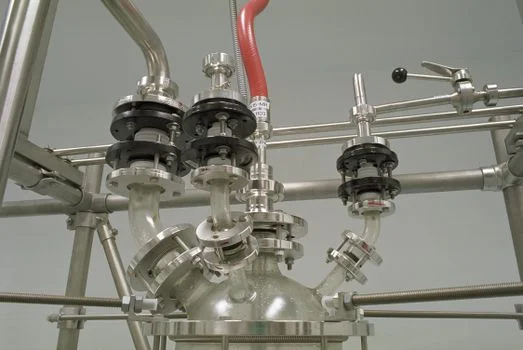
The Capital Expenditure (CAPEX) for hospital wastewater treatment systems in Sulawesi varies significantly by technology and capacity, ranging from IDR 1.5 billion for a 1 m³/h Anoxic/Oxic (AO) system to IDR 6 billion for a 50 m³/h Membrane Bioreactor (MBR) system, including equipment and installation. These 2026 estimates reflect the costs for robust systems designed to meet Indonesian regulations and withstand local environmental conditions. A small AO system (1 m³/h) designed for a remote clinic typically involves IDR 1.2 billion for equipment and IDR 300 million for installation, totaling IDR 1.5 billion. For a medium-sized hospital requiring a 20 m³/h AO system, equipment costs around IDR 2.2 billion with an additional IDR 500 million for installation, bringing the total to IDR 2.7 billion.
MBR systems, offering higher effluent quality, naturally command a higher CAPEX. A 20 m³/h MBR system has an equipment cost of approximately IDR 3.5 billion and an installation cost of IDR 700 million, totaling IDR 4.2 billion. For larger facilities needing a 50 m³/h MBR system, the equipment alone can be IDR 5 billion, with installation adding IDR 1 billion, for a grand total of IDR 6 billion. If pretreatment is required for high-TSS influent, a DAF system (10 m³/h) adds IDR 800 million for equipment and IDR 200 million for installation, totaling IDR 1 billion. These figures provide a clear budgetary framework for hospital administrators and civil engineers evaluating wastewater treatment in Southeast Asia’s industrializing regions.
Operational Expenditure (OPEX) is a critical ongoing cost for hospital wastewater treatment in Sulawesi. For a 20 m³/h AO system, monthly OPEX is estimated at IDR 1 million, comprising IDR 500,000 for energy, IDR 300,000 for chemicals, and IDR 200,000 for routine maintenance. A 20 m³/h MBR system has a higher monthly OPEX of IDR 1.6 million, due to IDR 700,000 for energy, IDR 400,000 for chemicals, and a significant IDR 500,000 for membrane replacement and specialized maintenance. A DAF pretreatment system (10 m³/h) adds a monthly OPEX of IDR 500,000, split between IDR 300,000 for energy and IDR 200,000 for chemicals.
Calculating the Return on Investment (ROI) for these systems is essential. With fines for non-compliance potentially reaching IDR 500 million per year, investing in a compliant system offers substantial avoided costs. Beyond fines, compliant discharge can lead to operational savings through reduced water usage (if effluent is reused for non-potable purposes) and enhanced public reputation. A simple payback period can be calculated as: Payback = CAPEX / (Annual Savings + Avoided Fines). For example, a system costing IDR 2.7 billion with annual savings and avoided fines of IDR 600 million (IDR 500M fines + IDR 100M savings) would have a payback period of approximately 4.5 years. Financing options for these projects include government grants from agencies like Kementerian PUPR, loans from multilateral development banks such as the Asian Development Bank (ADB), or public-private partnerships (PPP) for larger hospital complexes, all of which require specific eligibility criteria and detailed application processes.
| System Type & Capacity | CAPEX (Equipment) | CAPEX (Installation) | Total CAPEX (IDR, 2026) | OPEX (Monthly, IDR) |
|---|---|---|---|---|
| AO (1 m³/h) | 1.2B | 300M | 1.5B | 500K |
| AO (20 m³/h) | 2.2B | 500M | 2.7B | 1M |
| MBR (20 m³/h) | 3.5B | 700M | 4.2B | 1.6M |
| MBR (50 m³/h) | 5B | 1B | 6B | 2.5M (estimated) |
| DAF Pretreatment (10 m³/h) | 800M | 200M | 1B | 500K |
Step-by-Step Implementation: From Permitting to Commissioning
Implementing a hospital wastewater treatment system in Sulawesi requires navigating a multi-stage process, beginning with securing an AMDAL (Environmental Impact Assessment) for systems exceeding 50 m³/h or those located in environmentally sensitive areas. This critical initial step ensures that potential environmental impacts are assessed and mitigated. Following the AMDAL, hospitals must obtain a discharge permit from the local environmental agency, such as DLH Sulawesi Selatan. This permit application typically requires detailed documentation, including comprehensive system design plans, influent and effluent projections, and a demonstration of how the system will meet GovReg 82/2001 and regional standards. Once operational, quarterly compliance testing for parameters like BOD, COD, TSS, and fecal coliform must be conducted by accredited laboratories, such as Sucofindo, to ensure ongoing adherence to regulations.
Site preparation in Sulawesi demands specific attention due to the challenging terrain and climate. A thorough geotechnical survey is essential to assess soil stability, bearing capacity, and corrosion risk associated with volcanic soil. Based on these findings, appropriate foundation requirements, such as reinforced concrete slabs for MBR systems, must be specified. To combat high rainfall, installation of stormwater diversion channels and elevated foundations (at least 30–50 cm above grade) is critical to prevent flooding. Ensuring a reliable 3-phase power supply (380V) and integrating backup generators is paramount for uninterrupted operation, particularly for critical hospital infrastructure.
The installation and commissioning phase begins with a Factory Acceptance Test (FAT) for all equipment before shipment to Sulawesi, verifying functionality and specifications. On-site installation should be performed by certified contractors with proven experience in local conditions, including expertise in working with corrosive volcanic soils. Post-installation, a 30-day performance testing period is crucial to verify that the effluent consistently meets GovReg 82/2001 standards and any stricter regional requirements. Troubleshooting steps for common issues, such as membrane fouling in MBR systems, should be integrated into this phase.
Finally, comprehensive training and handover are vital for long-term system success. Hospital staff responsible for operating the system must receive thorough training on controls, routine maintenance, and emergency protocols. Developing a clear Standard Operating Procedure (SOP) for daily checks, including monitoring DO levels and automatic chemical dosing system, is essential. Establishing a preventive maintenance schedule, such as monthly membrane cleaning for MBR systems, will ensure optimal performance and extend equipment lifespan, safeguarding the hospital's investment in hospital wastewater treatment in Sulawesi.
Frequently Asked Questions
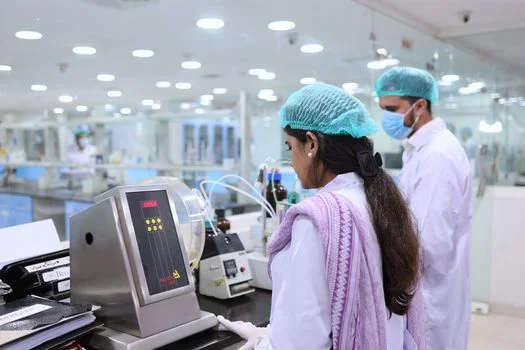
Hospitals in Sulawesi must comply with dual regulatory frameworks: the national GovReg 82/2001 and stricter regional standards, such as South Sulawesi Governor Regulation No. 69/2010, which mandate specific effluent quality parameters.
What are the wastewater discharge limits for hospitals in Sulawesi?
Hospitals must comply with GovReg 82/2001, which mandates BOD <30 mg/L and TSS <50 mg/L. Additionally, regional standards like South Sulawesi Governor Regulation No. 69/2010 set limits at BOD <50 mg/L and COD <100 mg/L. For tourism zones such as Wakatobi, even stricter Class I effluent standards apply, requiring BOD <3 mg/L and TSS <5 mg/L.
How much does a hospital wastewater treatment system cost in Sulawesi?
Capital Expenditure (CAPEX) for hospital wastewater treatment systems in Sulawesi typically ranges from IDR 1.2 billion for a small Anoxic/Oxic (AO) system (1 m³/h) to IDR 6 billion for a large Membrane Bioreactor (MBR) system (50 m³/h). Operational Expenditure (OPEX) varies monthly, from IDR 500,000 for an AO system to IDR 1.6 million for an MBR system, primarily due to energy, chemical, and maintenance costs.
What is the best wastewater treatment system for a remote hospital in Sulawesi?
For remote hospitals in Sulawesi, Anoxic/Oxic (AO) package plants are often the most cost-effective solution, with CAPEX starting at IDR 1.2 billion and OPEX around IDR 500,000 per month. They offer simpler operation and robust performance for meeting standard compliance. MBR systems, while providing superior effluent quality ideal for tourism zones, entail higher CAPEX (IDR 3.5 billion+) and require more skilled maintenance personnel.
How do I ensure my hospital’s wastewater system complies with Indonesian regulations?
To ensure compliance, conduct regular monthly testing for key parameters like BOD, COD, TSS, and fecal coliform using an accredited laboratory. For AO systems, implement secondary disinfection (e.g., chlorine dioxide) to meet fecal coliform limits. Maintain meticulous records of all test results, maintenance activities, and operational parameters for environmental agency inspections.
What are the penalties for non-compliance with wastewater regulations in Sulawesi?
Penalties for non-compliance with Indonesia wastewater regulations can be severe, including fines up to IDR 500 million per year for repeated violations, and in extreme cases, temporary or permanent facility shutdowns. Environmental agencies, such as DLH Sulawesi Selatan, conduct unannounced inspections, making consistent compliance critical to avoid legal and financial repercussions.