Why Munich’s Sewage Treatment Equipment Market is Unique in 2026
Munich’s 2030 Water Circularity Plan targets 30% industrial water reuse by the end of the decade, yet the current compliance rate among local industrial facilities stands at only 12% according to the Stadtwerke München 2024 report. For a factory manager in the Milbertshofen industrial zone, this gap is not just a statistical anomaly; it is a source of escalating operational risk. In 2023, several food processing plants in the region faced fines exceeding €80,000 for non-compliant effluent discharge, particularly regarding Total Nitrogen (TN) and Chemical Oxygen Demand (COD) levels that fluctuated during peak production cycles. The pressure to modernize is compounded by Munich’s local discharge limits (COD < 125 mg/L, TN < 10 mg/L), which are significantly stricter than the baseline requirements of the EU Directive 91/271/EEC.
The spatial constraints of Munich’s urban industrial landscape further complicate equipment selection. In zones like Riem and Milbertshofen, the average available footprint for decentralized treatment plants is less than 50 m². This necessitates high-intensity, compact solutions such as patented flotation systems or underground stainless steel installations. Munich’s strict noise ordinance—capping emissions at 45 dB at a 10-meter distance—effectively restricts the use of traditional open-air activated sludge systems in residential-adjacent areas. Buyers are increasingly pushed toward enclosed Membrane Bioreactors (MBR) or chemical Dissolved Air Flotation (DAF) units that can be housed within sound-insulated containers. Understanding how Munich’s compliance standards compare to other EU cities is the first step in navigating this high-stakes regulatory environment.
Case data from a local food processor illustrates the cost of delay. After facing repeated fines, the facility replaced an aging sedimentation tank with a containerized Moving Bed Biofilm Reactor (MBBR) system. While the CAPEX was €250,000, the annual OPEX stabilized at €12,000, and the plant avoided further municipal penalties, achieving a full ROI in under three years. For 2026 projects, the focus has shifted from mere "treatment" to "resource recovery," where equipment must not only clean water but also prepare it for internal reuse to meet the city's circularity mandates.
Supplier Comparison Matrix: HUBER vs. IWAT vs. Local Integrators for Munich Projects
Munich’s sewage treatment equipment market is dominated by three supplier archetypes: global leaders with extensive stainless steel portfolios, Munich-based specialists focusing on high-efficiency reuse, and local integrators providing rapid-deployment containerized systems. For 2026 projects, buyers must prioritize EU Directive 91/271/EEC compliance (COD < 125 mg/L, BOD5 < 25 mg/L) and budget €50K–€5M CAPEX depending on technology. The following matrix compares these archetypes based on verified engineering specifications and operational data.
| Parameter | Global Market Leader (e.g., HUBER) | Munich Specialist (e.g., IWAT) | Local Integrator (e.g., ClearFox) |
|---|---|---|---|
| TSS Removal (%) | 95% - 99% | 98% - 99.5% | 90% - 95% |
| COD Removal (%) | >90% (with MBR) | >92% (Patented Flotation) | 85% - 90% |
| Footprint (m²) | Medium to Large (Custom) | Very Compact (<15 m²) | Modular (Containerized) |
| Energy Use (kWh/m³) | 0.4 - 0.8 | 0.3 - 0.5 | 0.5 - 0.9 |
| CAPEX Range (€) | €500K - €5M+ | €200K - €1.5M | €50K - €400K |
| Lead Time (Weeks) | 12 - 16 weeks | 8 - 12 weeks | 4 - 6 weeks |
| Compliance Certs | ISO, CE, WHG, ATEX | ISO, CE, WHG | CE, ISO |
Global leaders are typically the first choice for large-scale municipal projects exceeding 500 m³/day, offering 65,000+ worldwide installations and a heavy focus on stainless steel durability. However, their lead times can be prohibitive for urgent industrial upgrades. Conversely, Munich-based specialists are ideal for industrial reuse applications—such as plastic recycling or dairy processing—where space is at a premium. Their systems often achieve 98% water reuse, a claim validated by over 250 local projects. For secondary treatment, WHG-compliant MBR systems for Munich’s TN < 10 mg/L limit provide the necessary biological stability to meet the city's strict nitrogen discharge standards.
Local integrators serve a critical niche for temporary projects or smaller facilities (under 3,000 m³/day) that require rapid deployment. While their systems may have slightly higher energy consumption per cubic meter, the lower initial CAPEX and leasing options make them attractive for projects with limited immediate budgets. All three archetypes meet EU Directive 91/271/EEC, but only the top-tier manufacturers consistently offer the specific WHG (Wasserhaushaltsgesetz) certifications required for permanent industrial permits in Munich.
Engineering Specs Decoded: How to Match Equipment to Your Wastewater Profile
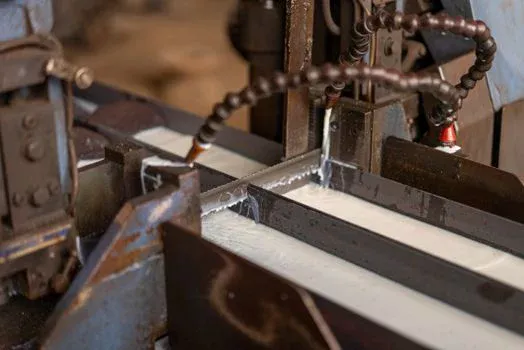
Industrial discharge reports from 2024 indicate that Munich’s metalworking and food sectors generate wastewater with highly variable pollutant loads, requiring a multi-stage treatment approach to avoid municipal surcharges. Matching equipment to an influent profile requires a detailed understanding of Chemical Oxygen Demand (COD), Total Suspended Solids (TSS), and Fats, Oils, and Grease (FOG). For instance, industrial sites in Milbertshofen are mandated by Stadtwerke München guidelines to pretreat FOG to levels below 50 mg/L before discharging into the municipal sewer system.
| Industry Type | Avg. COD (mg/L) | BOD5 (mg/L) | TSS (mg/L) | FOG (mg/L) | Target Effluent (Munich) |
|---|---|---|---|---|---|
| Food Processing | 2,500 - 5,000 | 1,200 - 2,000 | 800 - 1,500 | 200 - 500 | COD < 125, FOG < 50 |
| Metalworking | 800 - 1,500 | 200 - 400 | 500 - 1,000 | 50 - 150 | TSS < 35, Heavy Metals < 0.5 |
| Municipal/Sewage | 400 - 600 | 200 - 300 | 200 - 400 | < 50 | TN < 10, TP < 1 |
The optimal treatment pathway begins with effective headworks. Utilizing stainless steel bar screens for Munich’s industrial headworks prevents downstream pump clogging and reduces the load on primary treatment units. For primary treatment, a metalworking plant with high TSS and oil content can often reduce its total CAPEX by 40% by implementing a high-efficiency DAF system rather than jumping directly to biological treatment. Munich-optimized DAF systems for FOG and TSS removal are particularly effective at handling the oily emulsions common in automotive and machining sectors.
For secondary treatment, the choice between Sequential Batch Reactors (SBR) and MBR depends on the target nitrogen levels. If the goal is strictly compliance with the TN < 10 mg/L limit, an SBR is cost-effective. However, if the facility aims for high-grade industrial reuse to meet the 2030 Water Circularity Plan, the MBR is superior due to its ability to produce permeate with COD < 50 mg/L and near-zero TSS. Tertiary treatment, such as UV disinfection or Reverse Osmosis (RO), is then added only if the water is destined for sensitive cooling tower or process applications.
Budgeting for 2026: CAPEX, OPEX, and ROI Calculations for Munich Buyers
Wastewater treatment tenders in Munich for 2024 show a CAPEX range of €50,000 to €5,000,000, with the primary cost drivers being treatment capacity and the required effluent quality. While CAPEX is the most visible cost, OPEX—comprising energy, chemicals, and sludge disposal—often represents 60-70% of the total lifecycle cost of the equipment over ten years. In Munich, sludge disposal is a significant hidden cost, ranging from €150 to €300 per ton, depending on the moisture content and chemical composition.
| Technology | Capacity (m³/day) | CAPEX Range (€) | OPEX (€/m³) | Energy (kWh/m³) |
|---|---|---|---|---|
| DAF (Primary) | 100 - 500 | €150K - €400K | €0.15 - €0.25 | 0.2 - 0.4 |
| MBR (Secondary) | 100 - 500 | €400K - €900K | €0.35 - €0.55 | 0.6 - 1.2 |
| SBR (Secondary) | 100 - 500 | €300K - €700K | €0.25 - €0.40 | 0.4 - 0.7 |
| Containerized MBBR | 50 - 200 | €100K - €300K | €0.30 - €0.50 | 0.5 - 0.8 |
To justify these budgets to stakeholders, procurement managers must use a comprehensive ROI calculation: ROI = (Annual Savings from Water Reuse + Avoided Fines + Reduced Surcharges) / (CAPEX + 5-year OPEX). For example, a food processing plant implementing water reuse strategies for Munich’s industrial zones can save up to €120,000 annually by recycling 80% of its process water. With a CAPEX of €350,000 for a DAF plus tertiary filtration system, the payback period is approximately 2.5 years.
Munich offers specific financial incentives for 2026. The EU LIFE Programme and local industrial subsidies can cover up to 30% of the CAPEX for projects that demonstrably improve water circularity or reduce energy consumption. Hidden costs to account for in Munich include WHG permit fees (€5,000–€20,000) and noise mitigation measures (€10,000–€50,000), which are often omitted from initial supplier quotes but are required for final operation.
Step-by-Step Selection Checklist: Zero-Risk Equipment Procurement for Munich Projects
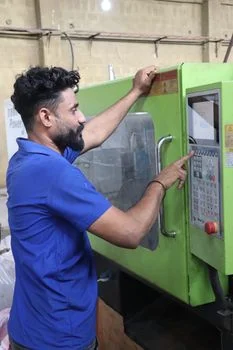
A zero-risk procurement process in Munich requires a six-step validation framework to ensure that the selected equipment meets both current EU directives and future municipal circularity targets. Skipping even a single step can lead to 20% higher OPEX or, worse, a shutdown order from the environmental authorities due to noise or effluent violations.
- Step 1: Define Influent and Effluent Parameters. Use the "Engineering Specs" table to establish your baseline. Ensure your target effluent is set to Munich’s specific limits (e.g., TN < 10 mg/L) rather than just the broader EU 91/271/EEC standards.
- Step 2: Map Treatment Stages. Follow the logical progression: screening (GX Series) → primary treatment (DAF for FOG/TSS) → secondary treatment (MBR for COD/TN) → tertiary treatment (UV/RO for reuse).
- Step 3: Supplier Shortlisting. Use the comparison matrix to filter suppliers by footprint and compliance. For sites with less than 50 m² of space, prioritize specialists with patented flotation or modular designs.
- Step 4: Request Pilot Testing. Never purchase a full-scale system without a pilot. Many Munich suppliers offer 2-week rental units (approx. €5,000) to validate chemical dosages and energy consumption on your actual wastewater.
- Step 5: Validate Local Compliance. Confirm the system meets Munich’s noise ordinance (< 45 dB) and that the supplier provides all necessary documentation for the WHG permit. Site visits to reference projects, such as those at major automotive plants in Dingolfing, are highly recommended.
- Step 6: Negotiate Performance Guarantees. Contracts should include specific uptime guarantees (e.g., 95% uptime) and effluent quality penalties. Ensure there is an escalation clause to protect against permit delays caused by equipment non-compliance.
Common mistakes in the Munich market include underestimating sludge disposal costs—which can add 15-30% to your annual OPEX—and ignoring the impact of peak load fluctuations on biological systems. By following this auditable process, procurement managers can secure a system that is both budget-conscious and future-proofed against evolving German environmental laws.
Frequently Asked Questions
What are Munich’s discharge limits for industrial wastewater in 2026?
The local limits are COD < 125 mg/L, BOD5 < 25 mg/L, TSS < 35 mg/L, TN < 10 mg/L, and TP < 1 mg/L. These are set by Stadtwerke München (SWM) and are generally stricter than the EU Directive 91/271/EEC, particularly regarding nitrogen and phosphorus removal.
How much does a 100 m³/day sewage treatment plant cost in Munich?
CAPEX typically ranges from €250,000 for a DAF system with tertiary filtration to €600,000 for a high-end MBR system. OPEX usually fluctuates between €0.25 and €0.55 per cubic meter treated, depending on chemical and energy costs.
Can I reuse treated wastewater in Munich industrial zones?
Yes, reuse is encouraged under the 2030 Water Circularity Plan for non-potable applications like cooling, irrigation, or process water. However, advanced treatment (MBR + RO/UV) is required to ensure the water meets safety standards for internal reuse.
What permits are required for a new wastewater plant in Munich?
You must obtain a WHG permit (Wasserhaushaltsgesetz), which costs between €5,000 and €20,000. Additionally, you may need a noise exemption if the system exceeds 45 dB and a compliance certificate for EU Directive 91/271/EEC. Lead times for these permits are typically 8–12 weeks.
Which technology is best for a Munich-based food processing plant?
A combination of Dissolved Air Flotation (DAF) for primary FOG removal and a Sequential Batch Reactor (SBR) or MBR for biological COD/TN removal is the industry standard. This ensures compliance with SWM's strict FOG and nitrogen limits while maintaining a small footprint.