Why Dakar’s Wastewater Treatment Costs Are Opaque — And How to Budget with Zero Risk
In Dakar, wastewater treatment plant costs vary significantly by technology and scale. For a 10,000 m³/day industrial plant, CAPEX ranges from €12M (activated sludge) to €22M (MBR), with OPEX of €0.25–€0.60/m³. The Hann Bay project (26,000 m³/day, €50M+) sets a benchmark for urban systems, while Senegal’s ONAS standards add 10–15% to compliance costs. Local equipment suppliers like HydropureWater can reduce CAPEX by 20–30% compared to international EPCs, but require rigorous pre-qualification for industrial applications.
Dakar’s industrial wastewater treatment market is dominated by turnkey EPC contracts, such as the major international infrastructure projects in Hann Bay, which often obscure unit costs and technology trade-offs. For a procurement manager at a Dakar-based textile factory or a municipal planner in Pikine, this lack of transparency creates significant financial risk. When bids arrive with "lump sum" pricing, it is nearly impossible to determine if the high costs are driven by civil engineering complexities, technology licensing, or inflated EPC margins. while modular equipment suppliers offer modular underground sewage treatment systems for Dakar’s space-constrained sites at a fraction of the cost of traditional builds, they often lack the localized case studies for projects exceeding 5,000 m³/day in the Senegalese context.
The regulatory environment further complicates budgeting. Senegal’s National Office for Sanitation (ONAS) enforces discharge limits (COD <125 mg/L, TSS <35 mg/L) that essentially mandate tertiary treatment for most industrial sectors. These requirements add approximately 15–25% to CAPEX compared to the basic secondary systems common in less regulated markets. To navigate this, buyers must adopt a layered cost framework that separates initial capital expenditure (CAPEX) from long-term operational expenditure (OPEX) and mandatory compliance fees. This article provides that framework, using recent benchmarks from the Hann Bay and Tivaouane Peulh projects to ground technical data in real-world Senegalese economics.
Dakar Wastewater Treatment Plant CAPEX: 2026 Benchmarks by Technology and Scale
Capital expenditure (CAPEX) for wastewater treatment in Dakar is heavily influenced by the 18% VAT and the 5% environmental levy applied to imported technical components. For industrial buyers, the choice of technology—whether Activated Sludge, Membrane Bioreactor (MBR), or Dissolved Air Flotation (DAF)—dictates the baseline investment. Based on data from the Tivaouane Peulh greenfield project and industrial installations in the Diamniadio Industrial Zone, MBR systems typically command the highest premium due to their high-quality effluent and compact footprint, while DAF remains the most cost-effective for high-solid industrial pre-treatment.
| Plant Scale (m³/day) | Activated Sludge (CAPEX/m³) | MBR (CAPEX/m³) | DAF (Pre-treatment) |
|---|---|---|---|
| 500 m³ | €1,800 – €2,100 | €2,800 – €3,200 | €900 – €1,200 |
| 5,000 m³ | €1,400 – €1,600 | €2,100 – €2,400 | €700 – €900 |
| 20,000 m³ | €1,100 – €1,300 | €1,700 – €2,000 | €500 – €700 |
In a typical Dakar project, civil works account for roughly 40% of the total budget, driven by the need for reinforced concrete structures capable of withstanding the high water table and salinity in coastal areas like Hann Bay. Equipment costs represent 35%, while engineering, procurement, and construction (EPC) margins and logistics make up the remaining 25%. High salinity levels in Hann Bay, specifically, necessitate the use of 316L stainless steel or specialized coatings, which can add 8–12% to the equipment budget compared to inland projects. To mitigate these costs, many industrial buyers are turning to MBR systems for ONAS-compliant effluent in Dakar’s industrial zones, which utilize modular designs to reduce civil footprint and associated construction labor costs.
The Environmental Impact Assessment (EIA) process in Senegal is another significant CAPEX driver. A full EIA for a 5,000 m³/day plant can cost between €200,000 and €500,000 and take up to 12 months to complete. These "soft costs" are often underestimated in preliminary budgets but are essential for securing ONAS permits and international financing. For smaller scale applications, pre-engineered modular underground sewage treatment systems for Dakar’s space-constrained sites can simplify the EIA process by utilizing standardized, factory-tested documentation that speeds up regulatory review.
OPEX Breakdown: Energy, Chemicals, and Sludge Disposal Costs in Dakar

Operational expenditure (OPEX) in Dakar is primarily driven by Senegal’s high electricity costs, which average €0.12/kWh for industrial consumers. This rate is significantly higher than in many European or Asian markets, making energy efficiency a critical factor in technology selection. For instance, an MBR system, while superior in effluent quality, consumes approximately 0.8 to 1.2 kWh per cubic meter of treated water, whereas a traditional activated sludge system may only require 0.4 to 0.6 kWh/m³.
| Cost Driver | % of Total OPEX | Dakar-Specific Impact |
|---|---|---|
| Energy (Aeration/Pumping) | 40% – 50% | High utility rates (€0.12/kWh) drive technology choice. |
| Chemicals (Coagulants/Polymers) | 15% – 20% | Imported chemicals face 10-15% logistics premium. |
| Sludge Management | 15% – 25% | Limited disposal sites increase transport costs by €0.15/m³. |
| Labor & Maintenance | 10% – 15% | Skilled technical labor is in high demand in Dakar. |
Sludge disposal remains a logistical bottleneck in the Dakar peninsula. With limited local landfill capacity and strict environmental regulations regarding fecal sludge management, transport costs to designated sites can add up to €0.15 per cubic meter of treated effluent. To combat this, advanced facilities are integrating automated chemical dosing to reduce Dakar’s OPEX by 15–20%, ensuring that chemical consumption is optimized and sludge volume is minimized through precise coagulation. This is particularly relevant for industrial plants where chemical costs can fluctuate based on the variability of influent loads.
Maintenance costs in Dakar are also influenced by the availability of spare parts. Systems that rely on proprietary international components often face long lead times and high customs duties for replacement parts. Choosing systems with standardized mechanical components or maintaining a robust on-site inventory is essential to prevent unplanned downtime. This operational reality is why many local engineers compare India’s wastewater treatment cost drivers and compliance standards to the Senegalese market, as both regions face similar challenges regarding energy costs and technical labor availability.
Compliance Costs: ONAS Standards, EIA, and Senegalese Regulatory Fees
The Senegalese National Office for Sanitation (ONAS) sets the standard for industrial and municipal discharge, and non-compliance can result in heavy daily fines or the suspension of operating licenses. To achieve the mandatory COD limit of <125 mg/L and TSS limit of <35 mg/L, most industrial facilities—especially those in the food processing or chemical sectors—must invest in tertiary treatment stages. This requirement typically adds between €1M and €3M to the CAPEX of a medium-sized plant compared to a system designed only for secondary treatment.
The compliance journey begins with the Environmental Impact Assessment (EIA). In Dakar, this is not merely a formality but a rigorous 12-to-18-month process that involves public consultations and detailed hydrogeological studies. The costs for these studies range from €200,000 to €500,000, depending on the plant’s proximity to sensitive areas like the Hann Bay marine ecosystem. once the plant is operational, ONAS requires annual permit renewals (ranging from €5,000 to €20,000) and regular water quality testing, which can cost an industrial facility upwards of €30,000 per year in third-party laboratory fees.
For industrial buyers, the risk of regulatory delays is often more costly than the equipment itself. Using pre-engineered systems can mitigate this; for example, modular underground sewage treatment systems for Dakar’s space-constrained sites often come with pre-validated performance data that can reduce the time spent in the EIA review phase by up to 30%. This is a critical advantage for companies looking to expand production rapidly in the Diamniadio or Sandiara Special Economic Zones.
MBR vs. Activated Sludge vs. DAF: Which Technology Fits Your Dakar Plant?
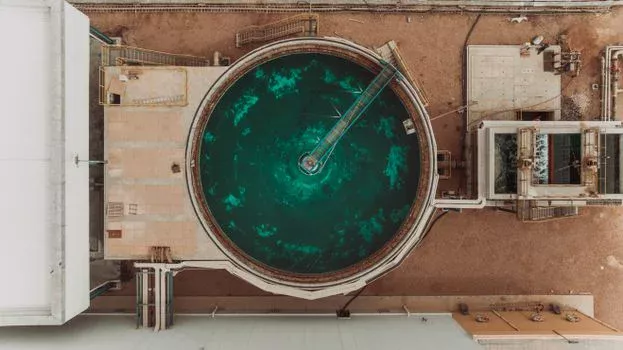
Selecting the appropriate technology for a Dakar-based facility requires balancing the high cost of land and electricity against the strict effluent standards of ONAS. Membrane Bioreactor (MBR) technology is increasingly favored for sites with limited space, as it offers a 60% reduction in footprint compared to traditional activated sludge. However, the higher energy demand of MBR membranes must be weighed against the potential for water reuse, which is a growing priority in water-scarce Dakar.
| Criteria | MBR | Activated Sludge | DAF |
|---|---|---|---|
| Effluent Quality | Highest (Reuse Grade) | Moderate (Discharge Grade) | Low (Pre-treatment) |
| Footprint | Very Small | Large | Small |
| Energy Use | High (0.8-1.2 kWh/m³) | Low (0.4-0.6 kWh/m³) | Moderate |
| Maintenance | High (Membrane Cleaning) | Moderate | Moderate |
| Dakar Suitability | Urban/Space-constrained | Rural/Large Municipal | Oily/Industrial Influent |
For textile and metalworking industries in Dakar, DAF systems for pre-treatment in Dakar’s textile and metalworking industries are often the first line of defense. DAF is exceptionally effective at removing oils, greases, and suspended solids that would otherwise foul more sensitive downstream biological processes. In many cases, a hybrid approach—using DAF for primary treatment followed by an activated sludge or MBR system—provides the best balance of CAPEX and operational reliability. This hybrid model can reduce the overall CAPEX by 15% by protecting expensive membranes or biological media from shock loads.
In contrast, municipal planners evaluating large-scale urban projects often favor activated sludge due to its lower OPEX and simpler maintenance requirements. While the footprint is larger, the technology is well-understood by local operators, reducing the risk of process failure. However, as Dakar continues to urbanize, the land acquisition costs for large activated sludge plants are becoming prohibitive, pushing even municipal projects toward more compact technologies. For a deeper look at how these technical trade-offs vary globally, engineers may find it useful to review food processing wastewater treatment costs and technology selection in other developing markets.
ROI and Payback Period: Calculating Your Dakar Wastewater Plant’s Financial Viability
The return on investment (ROI) for a wastewater treatment plant in Dakar is calculated by balancing the high initial CAPEX against the avoidance of daily regulatory fines and the potential for water reuse. For an industrial plant processing 10,000 m³/day, the potential fines for non-compliance with ONAS standards can exceed €1.2M annually. When this is coupled with the rising cost of industrial water supply, the financial justification for advanced treatment becomes clear.
| Plant Scale | Tech Type | Estimated Payback (Years) | ROI Drivers |
|---|---|---|---|
| 5,000 m³/day | MBR | 9 – 11 Years | Water reuse for irrigation/cooling. |
| 5,000 m³/day | Activated Sludge | 6 – 8 Years | Avoided fines and low OPEX. |
| 20,000 m³/day | MBR | 10 – 12 Years | High CAPEX recovery via scale. |
| 20,000 m³/day | Activated Sludge | 7 – 9 Years | Municipal budget efficiency. |
Senegal offers several incentives to improve the ROI of environmental projects. Plants with a capacity exceeding 10,000 m³/day may qualify for a 10-year tax holiday under certain investment codes, and the government provides up to a 50% subsidy for EIA costs (capped at €250,000) for projects that demonstrate significant environmental restoration, such as those in the Hann Bay area. by implementing MBR systems for ONAS-compliant effluent in Dakar’s industrial zones, companies can reuse treated water for non-potable applications like cooling towers or landscape irrigation, reducing their fresh water purchase costs by up to 40%.
When comparing these financial models to other regions, such as how Jordan’s industrial wastewater costs compare to Dakar’s benchmarks, it is evident that Dakar’s payback periods are slightly longer due to higher energy costs but are offset by more aggressive tax incentives for green infrastructure.
Local vs. International Suppliers: Cost, Lead Time, and Risk Trade-Offs for Dakar Buyers

Dakar’s procurement managers must choose between large international EPC firms and specialized equipment manufacturers. International firms offer turnkey security and deep experience with massive projects like the Hann Bay facility, but they come with a 30% higher CAPEX and lead times often exceeding 18 months. Local or regional suppliers, including those providing advanced modular equipment, offer a middle ground with faster delivery and lower mobilization costs.
| Criteria | International EPC Firm | Modular Equipment Supplier (e.g., HydropureWater) |
|---|---|---|
| CAPEX | Premium (+30%) | Competitive (Baseline) |
| Lead Time | 18 – 24 Months | 6 – 10 Months |
| Compliance Support | Comprehensive | Technical/Documentation only |
| Local Support | Project-based | High (Regional Presence) |
| Import Duties | High (Full EPC value) | Lower (Modular components) |
A significant risk with international contracts is the currency fluctuation between the CFA Franc (pegged to the Euro) and other major currencies. Contracts priced in USD or CNY can see significant cost overruns if the exchange rate shifts during the 24-month construction period. Hybrid procurement—where a local civil contractor handles the construction while an equipment specialist provides the modular underground sewage treatment systems for Dakar’s space-constrained sites—is often the most risk-averse strategy. This allows the buyer to benefit from international technology standards while maintaining local control over the civil works budget.
Case studies illustrate this difference clearly. While a massive urban project requires the resources of a global conglomerate, a 5,000 m³/day industrial plant using modular systems can be completed for approximately €8M, compared to a €12M estimate from a turnkey international EPC. The key to success with the modular approach is ensuring that the supplier provides automated chemical dosing to reduce Dakar’s OPEX by 15–20%, as operational simplicity is vital when local technical support may be further away than a dedicated EPC site office.
Step-by-Step Budgeting Checklist for Dakar Wastewater Treatment Plants
A rigorous budgeting process for a Dakar wastewater facility must account for a 12-to-18-month Environmental Impact Assessment (EIA) timeline and associated consultancy fees. To avoid the common pitfalls that lead to 20–30% budget overruns in Senegalese projects, follow this structured checklist:
- 1. Define Influent Characteristics: Conduct a 7-day composite sampling of your wastewater to determine COD, TSS, and salinity levels. High salinity in Dakar’s coastal zones is a primary cost driver.
- 2. Select Technology Based on Effluent Needs: If water reuse is the goal, budget for MBR. If simple discharge to ONAS sewers is the goal, Activated Sludge may suffice.
- 3. Estimate CAPEX with Benchmarks: Use €1,400–€2,400/m³/day as a baseline, depending on technology.
- 4. Add Compliance and Soft Costs: Allocate 15% of the total budget for EIA, ONAS permits, and legal fees.
- 5. Calculate OPEX: Use €0.12/kWh for energy and add €0.15/m³ for sludge transport.
- 6. Factor in Import Duties: Add 18% VAT and 5% environmental levy for all foreign-sourced equipment.
- 7. Compare Supplier Quotes: Evaluate at least one international EPC and one modular equipment provider.
- 8. Apply Tax Incentives: Consult with the Senegalese Investment Promotion Agency (APIX) for tax holidays.
- 9. Include a Contingency: Add 15–20% for currency fluctuations and material price increases.
- 10. Secure Financing: Explore World Bank or African Development Bank green loans for infrastructure projects.
Common mistakes in Dakar include underestimating the impact of the high water table on civil costs and assuming that OPEX will scale linearly. In reality, energy and chemical costs often have a "step-up" profile as the plant reaches capacity. By using DAF systems for pre-treatment in Dakar’s textile and metalworking industries, plants can often defer larger secondary treatment expansions, providing a more manageable phased investment approach.
Frequently Asked Questions
What is the average cost per m³ for a wastewater treatment plant in Dakar?CAPEX ranges from €1,200 to €2,200 per m³/day of capacity, depending on whether you choose activated sludge (lower cost) or MBR (higher cost). For operational costs, expect to pay between €0.25 and €0.60 per m³ treated, largely driven by Senegal's electricity rates of €0.12/kWh.
How do Senegal’s ONAS standards affect wastewater treatment costs?ONAS discharge limits (COD <125 mg/L) are strict, requiring tertiary treatment for most industrial wastewater. This adds roughly 15–25% to the CAPEX of a plant compared to a system that only meets basic secondary treatment standards. Industrial buyers should budget an additional €1M–€3M for advanced filtration or biological stages to ensure compliance.
What are the import duties on wastewater treatment equipment in Senegal?Equipment imported into Senegal is generally subject to an 18% VAT and a 5% environmental levy. For a large-scale project, these duties can add millions to the CAPEX. Some companies may qualify for exemptions under the Investment Code if the project is located in a Special Economic Zone like Sandiara.
How long does it take to build a wastewater treatment plant in Dakar?A full EPC project typically takes 18 to 36 months, including the 12-month EIA process. However, modular systems like the WSZ series can be manufactured and deployed in 6 to 12 months, provided the civil works are prepared in parallel.
What financing options are available for wastewater treatment plants in Dakar?Financing is often available through the World Bank, the IFC, or the African Development Bank for projects that meet international environmental standards. Additionally, the Senegalese government provides tax holidays for large investments and subsidies for the EIA process for qualifying industrial facilities.