Industrial wastewater treatment in Benin City requires systems capable of 92–97% COD removal and 95%+ TSS reduction to meet Nigerian effluent standards (SON 554:2017, FMEnv guidelines). For a typical 50 m³/h textile facility, CAPEX ranges from ₦50M (for a Dissolved Air Flotation (DAF) system) to ₦300M (for an MBR system with water reuse capabilities), with operational expenses (OPEX) typically falling between ₦12–₦25/m³. Local influent characteristics, such as high turbidity (500–3,000 NTU) and variable pH (4.5–9.0), necessitate robust pretreatment solutions like lamella clarifiers or rotary screens prior to biological or chemical treatment stages.
Why Benin City’s Industrial Wastewater Is Unique: Sector-Specific Challenges
Benin City’s industrial wastewater presents distinct characteristics driven by its dominant sectors, requiring specialized treatment approaches that account for varying pollutant loads and seasonal fluctuations. Understanding these sector-specific influent profiles is critical for facility managers and environmental engineers to select appropriate equipment and ensure effective treatment before discharge or reuse.
- Textile factories: Effluent from dyeing and finishing processes is characterized by high Chemical Oxygen Demand (COD) ranging from 1,200–4,500 mg/L, elevated pH values typically between 9–12, intense color (1,500–4,000 Pt-Co), and significant suspended solids (800–2,500 mg/L), as per SON 2023 data.
- Food processing: Facilities, such as carbonated drink plants, generate wastewater with high concentrations of Fats, Oils, and Grease (FOG) (300–1,500 mg/L), Biological Oxygen Demand (BOD) (1,000–3,500 mg/L), and variable pH (4.5–9.0) due to organic waste and cleaning agents. For more insights into food processing wastewater treatment, consider strategies for similar challenges in other regions.
- Pharmaceuticals: Wastewater from Active Pharmaceutical Ingredient (API) production contains heavy metals (e.g., Chromium, Nickel, Copper) often at 5–50 mg/L, residual antibiotics (like tetracycline at 10–100 µg/L), and high salinity (Total Dissolved Solids 2,000–5,000 mg/L).
- Groundwater contamination: Benin City’s local water supply often contains high levels of naturally occurring iron (5–20 mg/L) and manganese (1–5 mg/L). If used directly in industrial processes, these can necessitate pretreatment to prevent membrane fouling in advanced systems like MBR or Reverse Osmosis.
- Seasonal variability: The rainy season (April–October) significantly impacts influent characteristics, increasing wastewater volume by 30–50% and elevating turbidity (500–3,000 NTU) due to stormwater runoff and soil erosion, according to an FMEnv 2024 report.
The following table summarizes the typical influent characteristics for key industrial sectors in Benin City:
| Parameter | Textile Factory | Food Processing | Pharmaceuticals | Groundwater (Pre-use) |
|---|---|---|---|---|
| COD (mg/L) | 1,200–4,500 | 800–3,000 | 500–2,500 | N/A |
| BOD (mg/L) | 400–1,500 | 1,000–3,500 | 200–800 | N/A |
| TSS (mg/L) | 800–2,500 | 300–1,200 | 100–500 | N/A |
| pH | 9.0–12.0 | 4.5–9.0 | 6.0–8.5 | 6.5–7.5 |
| Color (Pt-Co) | 1,500–4,000 | 50–200 | 50–300 | N/A |
| FOG (mg/L) | N/A | 300–1,500 | N/A | N/A |
| Heavy Metals (mg/L) | Trace | Trace | 5–50 (Cr, Ni, Cu) | N/A |
| TDS (mg/L) | 1,000–3,000 | 800–2,500 | 2,000–5,000 | 200–500 |
| Turbidity (NTU) | 200–800 | 100–400 | 50–200 | 5–20 (seasonal) |
Nigerian Effluent Standards: What Your Facility Must Achieve to Avoid Fines
Adherence to Nigerian effluent standards is a non-negotiable requirement for industrial facilities in Benin City, with specific limits established by national regulatory bodies to protect water resources and public health. Compliance with these standards is enforced rigorously, and non-compliance carries significant financial and operational penalties.
- SON 554:2017 (Industrial Effluent Standards): This standard sets the primary benchmarks for industrial wastewater discharge into surface water. Key parameters include: Biochemical Oxygen Demand (BOD) <50 mg/L, Chemical Oxygen Demand (COD) <100 mg/L, Total Suspended Solids (TSS) <30 mg/L, Fats, Oils, and Grease (FOG) <10 mg/L, and a pH range of 6–9.
- FMEnv guidelines: The Federal Ministry of Environment (FMEnv) complements SON 554:2017 with additional limits, particularly for hazardous substances. This includes stringent limits for heavy metals (e.g., Chromium <0.1 mg/L, Nickel <0.2 mg/L, Lead <0.05 mg/L) and pathogens (fecal coliform <1,000 CFU/100 mL), which are crucial for assessing the overall environmental impact. Medical wastewater treatment facilities, for instance, also adhere to these strict pathogen limits to prevent public health risks.
- Penalties for non-compliance: Industrial facilities found in violation of these standards face substantial fines ranging from ₦5M–₦50M, or even facility shutdown, as evidenced by FMEnv 2023 enforcement data. Repeat offenders can also face criminal charges under the National Environmental Standards and Regulations Enforcement Agency (NESREA) Act 2007.
- Local Benin City context: The FMEnv Edo State office conducts quarterly inspections of industrial facilities within Benin City, with a heightened focus on textile and food processing plants due to their historically higher pollutant loads, according to the FMEnv 2024 compliance report.
- Reuse standards: For facilities considering water reuse for applications like irrigation or cooling, the treated effluent must meet even stricter quality guidelines, often aligning with World Health Organization (WHO) standards, such as turbidity <5 NTU and E. coli <10 CFU/100 mL.
The table below provides a concise overview of the key Nigerian effluent standards:
| Parameter | SON 554:2017 (Discharge to Surface Water) | FMEnv (Additional Limits) | WHO (Reuse for Irrigation/Cooling) |
|---|---|---|---|
| BOD (mg/L) | <50 | N/A | <10 |
| COD (mg/L) | <100 | N/A | <50 |
| TSS (mg/L) | <30 | N/A | <10 |
| pH | 6.0–9.0 | 6.0–9.0 | 6.0–9.0 |
| FOG (mg/L) | <10 | N/A | N/A |
| Chromium (mg/L) | N/A | <0.1 | <0.05 |
| Nickel (mg/L) | N/A | <0.2 | <0.1 |
| Lead (mg/L) | N/A | <0.05 | <0.01 |
| Fecal Coliform (CFU/100 mL) | N/A | <1,000 | <10 |
| Turbidity (NTU) | N/A | N/A | <5 |
Treatment Technology Comparison: DAF vs MBR vs Electrocoagulation for Benin City’s Wastewater
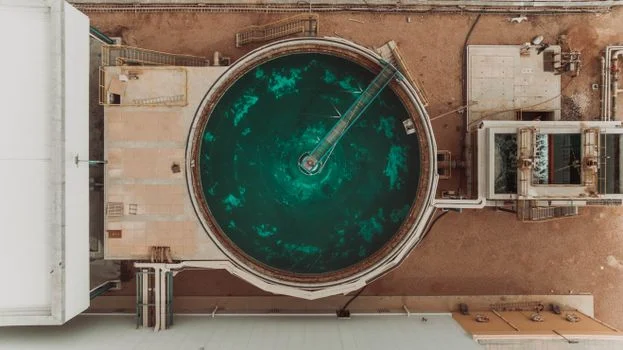
Selecting the optimal wastewater treatment technology for Benin City’s industrial facilities hinges on a careful evaluation of influent characteristics, desired effluent quality (especially for reuse), capital expenditure (CAPEX), and operational expenditure (OPEX). Three prominent technologies—Dissolved Air Flotation (DAF), Membrane Bioreactors (MBR), and Electrocoagulation—offer distinct advantages for specific industrial applications.
- DAF (Dissolved Air Flotation): DAF systems for high-FOG wastewater in Benin City are highly effective for influent streams with significant concentrations of fats, oils, grease, and suspended solids, making them ideal for food processing and certain textile applications. They typically achieve 90–95% TSS removal and 80–90% FOG removal. For a 30–100 m³/h system, CAPEX ranges from ₦60M–₦150M, with OPEX between ₦12–₦18/m³, where chemical costs (coagulants, flocculants) are the dominant factor.
- MBR (Membrane Bioreactor): MBR systems for reuse-quality effluent in Benin City are the preferred choice for facilities aiming for high-quality discharge suitable for reuse, capable of achieving <10 mg/L BOD and <1 NTU turbidity. MBRs deliver 95–99% COD removal and over 99% pathogen removal. For a 50–200 m³/h system, CAPEX typically falls between ₦200M–₦500M, and OPEX is higher at ₦20–₦30/m³ due to energy consumption and membrane replacement every 5–8 years.
- Electrocoagulation: Electrocoagulation for pharmaceutical wastewater in Benin City is particularly effective for removing heavy metals (achieving 99%+ removal for Cr, Ni) and color (95%+ for textile dyes). This technology is suitable for treating complex industrial effluents where conventional chemical precipitation is less efficient. A 20–80 m³/h system has a CAPEX of ₦80M–₦200M, with OPEX at ₦15–₦25/m³, primarily driven by electrode replacement every 2–3 years.
- Hybrid systems: Often, a single technology is insufficient. Hybrid systems combine the strengths of different processes. For instance, a DAF + MBR setup for food processing facilities might have a CAPEX of approximately ₦250M for a 50 m³/h system, offering both FOG removal and high-quality effluent. Similarly, an electrocoagulation + DAF system for textile wastewater, with an estimated CAPEX of ₦180M for 40 m³/h, can effectively tackle both color and suspended solids.
- Local case study: Benin Textile Corporation, a prominent local facility, utilizes a DAF combined with an activated sludge system. This setup, installed in 2022 with a CAPEX of ₦120M, consistently achieves 92% COD removal, demonstrating a practical application of a hybrid approach for textile effluent.
The following table provides a comparative overview of these treatment technologies:
| Feature | DAF (Dissolved Air Flotation) | MBR (Membrane Bioreactor) | Electrocoagulation |
|---|---|---|---|
| Best For | High FOG, TSS, oil & grease | High-quality effluent, water reuse, pathogen removal | Heavy metals, color, complex organics |
| COD Removal Efficiency | 60–80% (primary) | 95–99% | 70–90% (depending on influent) |
| TSS Removal Efficiency | 90–95% | 99%+ | 85–95% |
| FOG Removal Efficiency | 80–90% | N/A (requires pretreatment) | 50–70% |
| Heavy Metal Removal | Low (requires chemical addition) | Low (requires pretreatment) | 99%+ (Cr, Ni, Cu) |
| Color Removal (Textile) | 50–70% | 90–95% | 95%+ |
| Typical CAPEX (50 m³/h) | ₦80M–₦150M | ₦250M–₦400M | ₦120M–₦200M |
| Typical OPEX (₦/m³) | ₦12–₦18 | ₦20–₦30 | ₦15–₦25 |
| Footprint | Moderate | Compact | Compact |
| Key Maintenance | Chemical dosing, sludge handling | Membrane cleaning/replacement | Electrode replacement |
Pretreatment Essentials: Protecting Your System from Benin City’s High-Turbidity Influent
Effective pretreatment is fundamental for safeguarding downstream wastewater treatment systems in Benin City from the damaging effects of high-turbidity influent and large debris, thereby preventing costly downtime and improving overall efficiency. Neglecting this crucial stage can lead to premature wear of equipment, membrane fouling, and reduced treatment efficacy.
- Rotary screens (GX Series): These screens are essential for removing coarse solids such as rags, plastics, and fibrous debris (typically 5–20 mm) that are common in textile and food processing wastewater. Installing robust pretreatment screens for Benin City’s high-turbidity influent protects pumps and other mechanical equipment. CAPEX for a 30–100 m³/h rotary screen ranges from ₦5M–₦20M.
- Lamella clarifiers: High-efficiency sedimentation tanks, specifically lamella clarifiers for turbidity removal in Benin City, are highly effective in achieving 80–90% TSS removal for influent with turbidity exceeding 1,000 NTU. Their compact design and inclined plates allow for efficient solid-liquid separation at surface loading rates of 20–40 m/h. CAPEX for a 50–200 m³/h unit is typically ₦25M–₦60M.
- pH adjustment: Given the variable pH of industrial effluents, pH adjustment is often a necessary pretreatment step. Textile influent, for example, can have a pH of 9–12, requiring sulfuric acid dosing (estimated ₦1.5M/year for a 50 m³/h facility). Conversely, acidic food processing wastewater (pH 4.5–6) necessitates caustic soda addition (approximately ₦2M/year for a 50 m³/h facility) to bring it within the optimal range for subsequent biological or chemical treatment.
- Iron/manganese removal: For facilities utilizing Benin City’s groundwater with high iron and manganese content, pretreatment involving oxidation (e.g., aeration or chemical oxidation) followed by filtration is crucial. This ensures the removal of these metals to less than 0.3 mg/L for iron and less than 0.1 mg/L for manganese, preventing scaling and fouling of downstream equipment. CAPEX for a 50–150 m³/h system can range from ₦30M–₦80M.
- Stormwater management: To mitigate the impact of seasonal variability, facilities should incorporate equalization tanks with capacities 1.5–2 times the average daily flow. These tanks effectively handle rainy season surges, stabilizing influent flow and concentration for consistent treatment. CAPEX for 100–300 m³ storage capacity can be ₦40M–₦100M.
Cost Breakdown: CAPEX, OPEX, and Hidden Expenses for Benin City Facilities
A comprehensive understanding of capital expenditure (CAPEX), operational expenditure (OPEX), and often overlooked hidden costs is crucial for accurate budgeting and financial planning for industrial wastewater treatment projects in Benin City. Transparency in these costs enables facilities to make informed decisions and secure necessary financing.
- CAPEX ranges by technology (for a 50 m³/h system): The initial investment varies significantly based on the chosen technology. A DAF system typically costs ₦80M–₦150M. An MBR system, offering higher effluent quality, ranges from ₦250M–₦400M. Electrocoagulation systems are in the ₦120M–₦200M bracket. Hybrid systems, combining technologies, typically fall between ₦180M–₦350M, depending on complexity.
- OPEX breakdown (per m³): Operational costs are a significant ongoing expense. Energy consumption contributes ₦3–₦8/m³, chemical dosing (coagulants, flocculants, pH adjusters) costs ₦5–₦12/m³, labor for operation and supervision adds ₦2–₦5/m³, and routine maintenance (parts, repairs) accounts for ₦2–₦5/m³. The total OPEX typically ranges from ₦12–₦30/m³.
- Hidden costs: Beyond direct equipment and operational costs, several hidden expenses can impact project budgets. These include land acquisition, which can range from ₦10M–₦50M per acre in industrial zones, FMEnv permitting fees of ₦2M–₦5M, and crucial pilot testing, which typically costs ₦5M–₦15M but significantly de-risks full-scale implementation.
- ROI drivers: Investing in wastewater treatment offers substantial returns. Water reuse for irrigation or cooling can save up to ₦1,500/m³ compared to municipal water costs. Avoiding FMEnv fines, which can exceed ₦5M annually, provides another direct financial benefit. the Federal Inland Revenue Service (FIRS) offers tax incentives, including a 50% capital allowance for environmental equipment, further improving ROI (FIRS 2023).
- Local financing: The Bank of Industry (BOI) in Nigeria offers accessible financing options for environmental projects. Facilities can secure loans ranging from ₦50M–₦500M at a competitive 9% interest rate, typically with a 5-year tenor, specifically for wastewater treatment initiatives.
The table below provides an estimated cost breakdown for a 50 m³/h industrial wastewater treatment plant in Benin City:
| Cost Category | Estimated Range (₦) | Notes |
|---|---|---|
| CAPEX (Equipment & Installation) | ||
| DAF System | 80M–150M | Includes civil works, pumps, controls |
| MBR System | 250M–400M | Higher for advanced reuse applications |
| Electrocoagulation System | 120M–200M | Includes power supply, electrode costs |
| Hybrid System (e.g., DAF+MBR) | 180M–350M | Depends on specific combination |
| Pretreatment (Screens, Clarifiers) | 30M–80M | Additional to primary treatment |
| OPEX (Per m³ Treated) | ||
| Energy | 3–8 | Pumps, aeration, mixing |
| Chemicals | 5–12 | Coagulants, flocculants, pH adjusters |
| Labor | 2–5 | Operation, monitoring, maintenance |
| Maintenance & Spares | 2–5 | Routine parts, repairs, membrane/electrode replacement fund |
| Hidden Costs | ||
| Land Acquisition | 10M–50M/acre | In industrial zones, varies by location |
| FMEnv Permitting | 2M–5M | Application, review, approval fees |
| Pilot Testing | 5M–15M | Essential for de-risking technology selection |
| EIA Study | 3M–10M | Environmental Impact Assessment |
Zero-Risk Equipment Selection: A Step-by-Step Framework for Benin City Facilities
A structured, step-by-step approach to equipment selection is critical for Benin City facilities to mitigate risks, avoid costly errors, and ensure the chosen wastewater treatment system meets specific compliance and operational goals. This framework emphasizes data-driven decisions and thorough due diligence.
- Step 1: Characterize influent: The foundational step involves a comprehensive 30-day sampling and analysis of your facility's raw wastewater. Key parameters to measure include COD, BOD, TSS, pH, FOG, and heavy metals. This detailed characterization, ideally conducted by a SON-accredited laboratory, typically costs ₦2M–₦5M and provides the essential data points for system design.
- Step 2: Pilot test shortlisted technologies: Before committing to a full-scale investment, pilot testing is invaluable. Deploying a small-scale system (e.g., a 1 m³/h DAF vs. MBR unit) on-site allows for real-world evaluation of removal efficiency, sludge production rates, and chemical consumption under actual operating conditions. Pilot testing typically costs ₦5M–₦15M and provides critical performance metrics.
- Step 3: Vendor due diligence: Thoroughly vet potential suppliers. Key criteria include ISO 9001:2015 certification for quality management, documented FMEnv pre-approval for their equipment, and strong local references. Engaging with established local providers like GlobalWaterTech Benin or AquaBenin Solutions can provide insights into their track record and support capabilities. Effective vendor selection best practices for Benin City involve scrutinizing past project successes.
- Step 4: Contract terms: A robust contract is your primary safeguard. Ensure it includes explicit performance guarantees (e.g., 90% COD removal consistently), provisions for liquidated damages (e.g., ₦500K/day for project delays or failure to meet performance targets), and comprehensive Operation & Maintenance (O&M) training for your staff (budget ₦2M–₦5M for this).
- Step 5: Permitting: Navigate the regulatory landscape early. This involves securing an FMEnv Environmental Impact Assessment (EIA), which can cost ₦3M–₦10M and typically takes 3–6 months for approval. Additionally, obtain SON product certification (₦1M–₦3M) for the installed equipment to ensure it meets national quality and safety standards.
Frequently Asked Questions
Industrial facility managers in Benin City often have specific questions regarding wastewater treatment. Here are answers to some of the most common inquiries, drawing on local data and regulatory requirements.
- What are the most common effluent violations in Benin City’s textile factories? Textile factories frequently exceed limits for high COD (>100 mg/L) and color (>50 Pt-Co) due to inadequate dye removal processes. MBR systems are highly effective, achieving 95%+ color removal, as supported by SON 2023 data.
- How much does a 50 m³/h DAF system cost in Benin City? A 50 m³/h DAF system typically has a CAPEX of ₦80M–₦150M, which includes installation and commissioning. The OPEX for such a system is approximately ₦12–₦18/m³, with chemical costs (coagulants, flocculants) making up a significant portion at ₦5–₦10/m³.
- Can electrocoagulation remove heavy metals from pharmaceutical wastewater? Yes, electrocoagulation is highly effective for heavy metal removal, achieving 99%+ removal for Chromium, Nickel, and Copper when operated within a pH range of 6–8. A 50 m³/h system would have an estimated CAPEX of ₦120M–₦200M. It typically requires pH adjustment, which adds an estimated ₦2M/year in chemical costs for a 50 m³/h facility.
- What are the FMEnv’s inspection priorities for Benin City in 2026? For 2026, the FMEnv Edo State office will continue to prioritize quarterly COD/TSS testing at textile and food processing plants. Non-compliant facilities face immediate penalties, including fines of ₦5M or facility shutdown, according to the FMEnv 2024 enforcement report.
- Is there financing available for wastewater treatment projects in Nigeria? Yes, the Bank of Industry (BOI) provides attractive financing options for environmental projects. Facilities can access loans ranging from ₦50M–₦500M at a 9% interest rate, typically with a 5-year repayment tenor, specifically for wastewater treatment infrastructure.
Related Equipment
- DAF systems for high-FOG wastewater in Benin City — view specifications, capacity range, and technical data
- MBR systems for reuse-quality effluent in Benin City — view specifications, capacity range, and technical data
- pretreatment screens for Benin City’s high-turbidity influent — view specifications, capacity range, and technical data
- lamella clarifiers for turbidity removal in Benin City — view specifications, capacity range, and technical data
Need a customized solution? Request a free quote with your specific flow rate and pollutant parameters.