Ecuador’s Sewage Treatment Regulatory Landscape: What Buyers Must Know in 2026
Ecuador’s sewage treatment equipment market is dominated by three technologies: MBR systems (effluent COD ≤50 mg/L, ideal for urban reuse), DAF units (92–97% TSS removal for industrial pretreatment), and underground WSZ plants (1–80 m³/h, no operator required). With EMAPAG enforcing stricter discharge limits (BOD ≤30 mg/L by 2026) and IDB financing $40M+ projects, industrial buyers face CAPEX ranges of USD 1.2M–8M depending on capacity and technology. This guide compares specs, costs, and supplier risks for Ecuador’s unique logistical constraints.
For a factory manager in Guayaquil, the reality of non-compliance often arrives as a steep fine from EMAPAG or a "red flag" during an IDB-funded audit. Current regulatory shifts are moving away from basic primary treatment toward advanced nutrient removal. The 2026 EMAPAG standards for Guayaquil are particularly stringent, mandating BOD ≤30 mg/L and NH₃-N ≤15 mg/L. These limits are designed to protect the Guayas River ecosystem and align with international benchmarks set by the Inter-American Development Bank (IDB) for infrastructure projects like the "Los Merinos" and "Esmeraldas" developments.
National Decree 1053 (2020) further complicates the landscape by mandating tertiary treatment for any industrial discharge into sensitive water bodies. In Ecuador, "sensitive zones" include the Galápagos buffer regions, the Amazon basin, and high-altitude Andean watersheds. For EPC contractors, failing to account for these limits during the design phase leads to costly retrofits. A common pitfall observed in local industrial parks is the installation of undersized equalization tanks that fail to handle the high-volume surges common during Ecuador's rainy season, leading to untreated bypass events and regulatory penalties.
| Parameter | EMAPAG 2026 Limits (Guayaquil) | TULAS National Standard (Sensitive) | Typical Industrial Influent (Ecuador) |
|---|---|---|---|
| BOD₅ (mg/L) | ≤30 | ≤20 | 350–800 |
| COD (mg/L) | ≤70 | ≤60 | 600–1,500 |
| TSS (mg/L) | ≤30 | ≤25 | 250–600 |
| NH₃-N (mg/L) | ≤15 | ≤10 | 35–65 |
| FOG (mg/L) | ≤10 | ≤5 | 50–150 |
To avoid these risks, equipment must be selected based on its ability to meet these specific thresholds consistently. Projects financed by the IDB also require suppliers to demonstrate ISO 14001 certification and provide a plan for local content or service, making the choice of a Guayaquil-specific compliance and case study relevant for procurement managers navigating these high-stakes requirements.
MBR vs DAF vs Underground Systems: Engineering Specs for Ecuador’s Industrial Needs
The selection of technology is a critical decision.Matching technology to influent characteristics is the most critical engineering decision for Ecuadorian plants. High-altitude sites in Quito face different dissolved oxygen challenges than coastal sites in Manta. MBR (Membrane Bioreactor) systems are the gold standard for projects requiring high-quality effluent for reuse in cooling towers or irrigation. These systems achieve 95–98% COD removal and maintain TSS levels below 10 mg/L. However, in Ecuador’s coastal regions, high-turbidity intake water requires robust pre-filtration to prevent membrane fouling. MBR systems for Ecuador’s reuse-quality effluent goals typically operate at a flux rate of 15–25 L/m²h to ensure membrane longevity (HydropureWater field data, 2025).
For food processing or textile industries in Guayaquil, DAF (Dissolved Air Flotation) systems are essential for pretreatment. These units excel at removing fats, oils, and grease (FOG) and suspended solids that would otherwise overwhelm biological stages. DAF systems for Ecuador’s industrial pretreatment needs utilize micro-bubbles (20–40 microns) to achieve 92–97% TSS removal. The hydraulic loading rate typically ranges from 4–8 m/h, though chemical dosing must be precisely calibrated to account for the variable pH and temperature of local industrial effluent.
In urban areas or sites with limited surface area, underground WSZ systems for Ecuador’s coastal cities offer a footprint reduction of up to 60%. These integrated plants use an A/O (Anaerobic/Oxic) process to treat 1–80 m³/h. A significant advantage in the Ecuadorian market is that these systems require no full-time operator, making them ideal for residential complexes or small-scale municipal projects. However, engineers must account for installation depth limits in coastal areas like Salinas, where high water tables can cause buoyancy issues if the tanks are not properly anchored.
| Technical Spec | MBR Integrated Plant | DAF Pretreatment Unit | Underground WSZ Plant |
|---|---|---|---|
| COD Removal Rate | 95–98% | 30–50% (Pre-bio) | 80–90% |
| TSS Effluent | ≤10 mg/L | 30–50 mg/L | ≤20 mg/L |
| Footprint (m²/m³/h) | 0.5 – 0.8 | 1.2 – 2.0 | 0.3 – 0.6 (Buried) |
| Energy Use (kWh/m³) | 0.8 – 1.2 | 0.3 – 0.5 | 0.2 – 0.4 |
| Automation Level | Full PLC/SCADA | Semi-Automatic | Passive/Automatic |
For detailed product specifications, procurement teams should evaluate the MBR Membrane Bioreactor for high-purity needs, the DAF System for high-FOG influent, and the Underground Package Sewage Treatment Plant (WSZ Series) for space-constrained or decentralized applications.
CAPEX and OPEX Breakdown: How Ecuador’s Logistics Add Hidden Costs
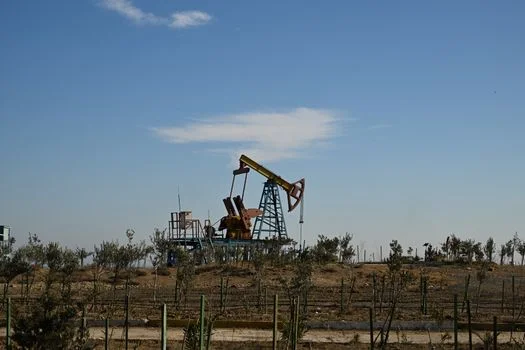
The sticker price of sewage treatment equipment in Ecuador is often misleading because it excludes the significant logistical and fiscal burdens of the Andean region. Total investment (CAPEX) for a 50–500 m³/h system typically ranges from USD 1.2M to 8M. Beyond the equipment cost, buyers must budget for a 12% import duty and a 15% shipping and logistics fee for equipment arriving from major manufacturing hubs like China. While some IDB-financed municipal projects may qualify for duty exemptions, most industrial buyers must factor these costs into their initial ROI calculations.
Operational expenditure (OPEX) is primarily driven by Ecuador’s industrial electricity rate, which averages USD 0.12/kWh. MBR systems, while providing the highest effluent quality, have the highest energy demand due to the aeration required for membrane scouring. In contrast, underground WSZ systems offer the lowest OPEX, making them highly attractive for projects where long-term budget stability is prioritized over water reuse. Another often-overlooked cost is the mandatory Spanish-language documentation and local service contracts. Ecuadorian law requires technical manuals and safety SOPs to be in Spanish for Ministry of Environment audits; translating these documents professionally can cost between USD 5,000 and 10,000 if not provided by the supplier.
| Cost Component | MBR System (200 m³/h) | DAF + Bio (200 m³/h) | Underground WSZ (200 m³/h) |
|---|---|---|---|
| Equipment CAPEX | $2,200,000 | $1,800,000 | $1,400,000 |
| Import Duties (12%) | $264,000 | $216,000 | $168,000 |
| Annual Energy Cost | $168,000 | $70,000 | $56,000 |
| Spare Parts (Annual) | $45,000 | $20,000 | $12,000 |
A case study of a textile plant in Guayaquil illustrates these dynamics. The plant initially considered an MBR system to meet 2026 limits but faced a CAPEX of $2.5M. By switching to an underground WSZ system paired with a high-efficiency DAF unit for pretreatment, they achieved a 22% reduction in CAPEX while still meeting all EMAPAG discharge requirements. For more granular data, see our detailed CAPEX/OPEX models for Ecuador’s market.
Supplier Selection Checklist: 7 Questions to Avoid Ecuador’s Common Pitfalls
When selecting a sewage treatment equipment supplier.Selecting a sewage treatment equipment supplier in Ecuador requires vetting beyond basic technical specs. The distance from global manufacturing hubs means that a minor mechanical failure can lead to months of downtime if the supplier lacks a robust local presence or logistical strategy. Use this checklist to evaluate potential partners:
- Does the supplier have a local service partner in Ecuador? Without local technicians, a simple PLC glitch or membrane tear can result in a 3-month wait for parts and experts to arrive from overseas, leading to massive non-compliance fines.
- Are all technical documents and HMI interfaces available in Spanish? English-only manuals are a major compliance risk during Ministry of Environment inspections and increase the likelihood of operator error.
- Can the supplier provide references from the Andean or Latin American region? Equipment designed for temperate climates often fails in Ecuador’s high humidity or high-altitude environments. Ask for proof of performance in similar conditions.
- Does the supplier offer IDB-compliant documentation? If your project is part of a larger municipal tender, the supplier must provide specific environmental and social impact data required by international lenders.
- What is the guaranteed lead time from the Port of Guayaquil to the site? Port congestion and customs clearance in Guayaquil are notorious bottlenecks. A supplier should have experience navigating Ecuadorian customs to avoid demurrage charges.
- Is on-site training for local operators included? High labor turnover in the industrial sector means your equipment must be easy to operate, and your staff must be trained on-site by the manufacturer.
- What is the warranty coverage for seismic activity and corrosion? Ecuador is a high-seismic zone with corrosive coastal air. Ensure tanks and support structures are engineered to local structural codes (NEC) and utilize anti-corrosive coatings.