Reverse Osmosis for Nickel Removal: 2026 Engineering Specs, Cost Models & Zero-Risk Compliance Guide
Reverse osmosis (RO) achieves 95%+ nickel (Ni²⁺) removal from industrial wastewater, making it a critical polishing step for electroplating and semiconductor facilities aiming to meet 2026 discharge limits (e.g., EPA <0.1 mg/L, EU <0.05 mg/L). Operating at 40 bar pressure and 45°C feed temperature maximizes permeate flux (188% increase) and rejection rates (95.19%), while EDTA complexation—common in plating baths—requires pretreatment to avoid fouling. This guide provides 2026 engineering specs, cost models, and a zero-risk selection framework for RO systems tailored to nickel removal.
Why Reverse Osmosis Outperforms Chemical Precipitation for Nickel Removal in 2026
Chemical precipitation, while a foundational method for heavy metal removal, often falters when targeting the stringent ultra-low nickel discharge limits mandated for 2026. Traditional methods like hydroxide or sulfide precipitation can achieve high nickel removal rates (94–99%) under optimal pH conditions (pH 9–11 for hydroxide, pH 5 for sulfide). However, their efficacy plummets in the presence of common industrial complexing agents such as EDTA, ammonia, and citrates. These agents form stable, soluble nickel complexes that resist precipitation, leading to a significant reduction in removal efficiency, often by 30–50%. A stark illustration of this challenge is a semiconductor fabrication plant in Taiwan, which faced $1.2 million in retrofitting costs after failing EPA compliance due to ammonia complexation in its alkaline plating baths, resulting in nickel discharge exceeding 0.1 mg/L. In contrast, reverse osmosis systems operate on a physical separation principle, effectively excluding Ni²⁺ ions and their complexes from the permeate stream. This inherent mechanism allows RO to consistently achieve over 95% nickel rejection rates, irrespective of the feed chemistry and the presence of complexing agents.
Therefore, RO is increasingly indispensable as a polishing step, often following primary treatment like dissolved air flotation (DAF) or chemical precipitation, to ensure compliance with demanding 2026 discharge limits, such as the EPA's <0.1 mg/L or the EU's <0.05 mg/L for nickel.
Reverse Osmosis Engineering Specs for Nickel Removal: Pressure, Temperature, and Feed Chemistry

Optimizing reverse osmosis system performance for nickel removal hinges on a precise understanding of key operating parameters. Experimental data reveals a strong correlation between applied pressure and nickel ion rejection. As operating pressure increases from 10 bar to 40 bar, the Ni(II) rejection rate escalates significantly, from approximately 90.2% to 95.19%. This enhanced rejection at higher pressures is crucial for achieving the ultra-low discharge targets. Feed temperature plays a vital role in permeate flux; increasing the temperature from 25°C to 45°C can boost permeate flux by up to 49%. While higher temperatures can improve efficiency, consider potential impacts on membrane lifespan and select membranes rated for such conditions.
| Operating Pressure (bar) | Ni(II) Rejection (%) | Permeate Flux (relative increase) |
|---|---|---|
| 10 | ~90.2 | Baseline |
| 20 | ~92.5 | ~+50% |
| 30 | ~94.0 | ~+120% |
| 40 | 95.19 | 188% |
For systems demanding the highest nickel removal, HydropureWater’s industrial RO systems for nickel removal are engineered to operate at optimal pressures, often exceeding 30 bar, and can be integrated with advanced pretreatment modules. For applications involving significant suspended solids or other difficult-to-remove contaminants prior to RO, consider implementing DAF systems for TSS removal upstream of RO.
Cost Models: RO vs. Ion Exchange vs. Chemical Precipitation for Nickel Removal
A comprehensive cost-benefit analysis is essential when evaluating nickel removal technologies for industrial wastewater, especially considering the escalating compliance demands. For a typical 10–300 m³/h flow rate, the capital expenditure (CapEx) for reverse osmosis systems can range from $50,000 to $500,000. The operational expenditure (OPEX) for RO is generally competitive, falling between $0.50–$1.20 per cubic meter. This OPEX includes energy consumption, routine pretreatment chemical costs, and membrane replacement, which typically occurs every 3–5 years.
| Technology | CapEx Range ($) | OPEX ($/m³) | Typical Ni Removal (%) | Compliance Suitability (Ultra-Low Discharge) |
|---|---|---|---|---|
| Reverse Osmosis (RO) | 50,000–500,000 (10–300 m³/h) | 0.50–1.20 | 95+ | Excellent (Polishing Step) |
| Ion Exchange (IX) | 30,000–200,000 (10–100 m³/h) | 2.00–4.00 | 98+ (with regeneration) | Good (Requires careful regeneration management) |
| Chemical Precipitation | 20,000–150,000 | Highly Variable (Low for simple Ni²⁺, high with complexants) | 94–99% (Optimal), <70% (with complexants) | Poor (Primary treatment only, not for ultra-low limits) |
For facilities targeting zero-liquid discharge (ZLD) or aiming for maximum resource recovery, RO is a foundational component, often integrated into more complex systems.
Step-by-Step Guide: Selecting a Reverse Osmosis System for Nickel Removal
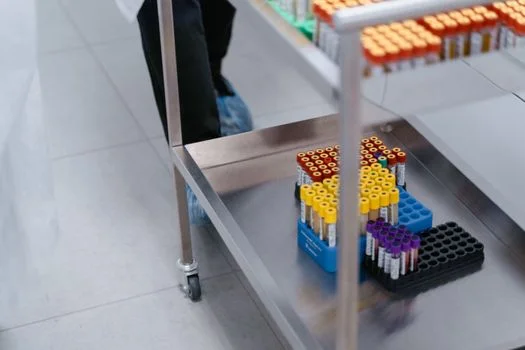
The process begins with a thorough characterization of your wastewater stream. This involves accurately measuring nickel concentration, determining the pH, identifying the presence and type of complexing agents, and establishing the operational flow rate. Next, define your compliance target. This is critical as discharge limits vary significantly by region. With this data, you can select the appropriate RO configuration.
Troubleshooting Common RO Issues in Nickel Wastewater Treatment
Effective operation of reverse osmosis systems for nickel removal requires proactive troubleshooting. A common symptom is low Ni(II) rejection, falling below the target 90%. This can stem from several causes: membrane fouling, the persistent effect of EDTA complexation, or insufficient operating pressure. Solutions include chemically cleaning membranes, adjusting feed pH to 5–6 to destabilize complexes, or increasing operating pressure to the optimal 40 bar range.
Frequently Asked Questions
What are the primary advantages of RO for nickel removal compared to chemical precipitation?
RO offers superior, consistent nickel removal.
Related Equipment
- HydropureWater’s industrial RO systems for nickel removal — view specifications, capacity range, and technical data
Need a customized solution? Request a free quote with your specific flow rate and pollutant parameters.