Rio de Janeiro Municipal Sewage Treatment: 2026 Engineering Specs, Costs & Zero-Risk Supplier Guide
Rio de Janeiro’s 2021 $4B privatization of water and sewage treatment rights—double the minimum auction price—signals urgent demand for municipal sewage infrastructure. The Deodoro WWTP, a 2016 Nereda plant serving 25,000 households, achieved 92–97% COD removal (EPA benchmarks) with a 60% smaller footprint than conventional systems. For 2026 projects, engineers must balance Nereda’s efficiency (3–5 kWh/m³) against MBR’s higher effluent quality (<1 mg/L TSS), while CAPEX ranges from $1.2M–$3.5M per 10,000 PE (population equivalent) post-privatization.
Rio’s $4B Privatization: Engineering Opportunities and Compliance Risks
The 2021 privatization auction for Rio de Janeiro’s water and sewage treatment rights, sold for $4 billion to Agea and Igua—twice the minimum auction price—underscores the critical need for advanced municipal sewage treatment plant in Rio de Janeiro Brazil infrastructure. This historic sale grants concessionaires rights through 2033, fundamentally reshaping the procurement landscape for wastewater projects. Brazil's 2020 sanitation law (Law 14.026) mandates a national target of 90% sewage treatment coverage by 2033; with Rio's current coverage estimated at only 40% (per IDB 2021), this creates an $8B+ investment pipeline for new and upgraded facilities.
Key stakeholders driving these engineering opportunities include Zona Oeste Mais Saneamento as a major client, and BRK Ambiental as a significant licensee, often involved in joint ventures for project execution. The legacy of the 2016 Olympic Games continues to exert pressure for pollution reduction in Guanabara Bay sewage treatment, making stringent effluent quality a priority. Compliance for all new projects is governed by CONAMA 430/2011, which sets national discharge limits, alongside ABNT NBR 12209, specifying design and construction standards for sewage systems. Local ANA (National Water Agency) permits are also mandatory, requiring detailed environmental impact assessments and operational licenses.
Deodoro WWTP: Engineering Specs of Rio’s Nereda Benchmark Plant
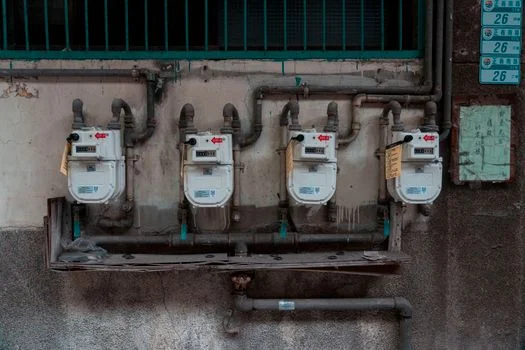
The Deodoro WWTP, operational since 2016, serves as a significant technical benchmark for Nereda technology in Brazil, demonstrating advanced biological treatment in a high-density urban setting. The plant’s process flow consists of robust pre-treatment followed by the Nereda aerobic granular sludge system, eliminating the need for a secondary clarifier and achieving 100% biological treatment. This streamlined configuration contributes to its efficiency and compact footprint, crucial for Rio de Janeiro wastewater infrastructure expansion.
Performance data validated in 2023 by EPA benchmarks indicate exceptional effluent quality: COD removal between 92–97%, BOD removal 95–99%, total suspended solids (TSS) consistently below 10 mg/L, total nitrogen (TN) below 15 mg/L, and total phosphorus (TP) below 1 mg/L. A key advantage of the Deodoro Nereda plant is its compact footprint, requiring approximately 1.2 hectares to serve 450,000 population equivalent (PE), representing a 60% reduction compared to conventional activated sludge (CAS) systems. Energy consumption is also notably lower, averaging 3–5 kWh/m³ compared to 6–8 kWh/m³ for CAS, with a 30% reduction in sludge production (per Royal HaskoningDHV 2022). Operationally, the Nereda system requires no chemical dosing for nutrient removal; however, granular sludge stability can be influenced by Rio’s pronounced wet and dry season influent variability, necessitating robust process control. For projects requiring similarly high effluent quality with a compact footprint, advanced biological systems like MBR (Membrane Bioreactor) are also viable considerations, offering even lower TSS for potential reuse applications.
| Parameter | Deodoro WWTP (Nereda) Specs | Unit |
|---|---|---|
| Process Type | Aerobic Granular Sludge | - |
| Population Equivalent (PE) | 450,000 | PE |
| COD Removal | 92–97 | % |
| BOD Removal | 95–99 | % |
| TSS in Effluent | <10 | mg/L |
| TN in Effluent | <15 | mg/L |
| TP in Effluent | <1 | mg/L |
| Footprint Reduction (vs CAS) | 60 | % |
| Energy Consumption | 3–5 | kWh/m³ |
| Sludge Production Reduction (vs CAS) | 30 | % |
Nereda vs MBR vs Conventional: Which System Fits Rio’s Urban Context?
Selecting the optimal wastewater treatment technology for Rio de Janeiro’s high-density urban environment post-privatization requires a detailed comparison of Nereda, Membrane Bioreactor (MBR), and Conventional Activated Sludge (CAS) systems. Each technology presents distinct advantages and trade-offs, particularly for municipal sewage CAPEX Brazil and operational requirements.
Effluent quality is a primary differentiator: MBR systems consistently achieve the highest quality with TSS below 1 mg/L, making them ideal for direct reuse applications such as industrial cooling or irrigation. Nereda systems follow with TSS typically between 5–10 mg/L, while CAS generally produces effluent with 20–30 mg/L TSS. For projects demanding stringent discharge to sensitive receiving waters or aiming for water reuse (e.g., Barra da Tijuca’s Olympic Park expansion), MBR systems are often favored. HydropureWater offers advanced MBR systems for Rio’s high-effluent-quality projects.
Footprint is a critical consideration in densely populated Rio. Nereda (approx. 1.2 ha/450,000 PE) and MBR (approx. 1.5 ha/450,000 PE) offer significantly smaller footprints compared to CAS (approx. 3 ha/450,000 PE). Energy consumption varies, with Nereda being the most energy-efficient (3–5 kWh/m³), followed by CAS (6–8 kWh/m³), and MBR typically having the highest energy demand (8–12 kWh/m³), primarily due to membrane aeration and filtration. When evaluating MBR vs Nereda for tropical climates, energy costs can heavily influence OPEX.
CAPEX for 2026 projects shows Nereda at the lower end ($1.2M–$1.8M/10,000 PE), CAS in the mid-range ($1.5M–$2.2M/10,000 PE), and MBR at the higher end ($2.5M–$3.5M/10,000 PE). Corresponding OPEX ranges are Nereda ($0.15–$0.20/m³), CAS ($0.20–$0.25/m³), and MBR ($0.25–$0.30/m³). Maintenance considerations are also key: MBR systems require membrane replacement every 5–7 years, incurring a significant cost ($500K–$1M/10,000 PE), whereas Nereda’s granular sludge is self-regenerating, reducing long-term replacement costs. For compact A/O systems for Rio’s urban density, HydropureWater also provides an Underground Package Sewage Treatment Plant (WSZ Series).
| Parameter | Nereda (Aerobic Granular Sludge) | MBR (Membrane Bioreactor) | CAS (Conventional Activated Sludge) |
|---|---|---|---|
| Effluent TSS | 5–10 mg/L | <1 mg/L | 20–30 mg/L |
| Footprint (for 450,000 PE) | ~1.2 ha | ~1.5 ha | ~3 ha |
| Energy Use | 3–5 kWh/m³ | 8–12 kWh/m³ | 6–8 kWh/m³ |
| CAPEX (2026, per 10,000 PE) | $1.2M–$1.8M | $2.5M–$3.5M | $1.5M–$2.2M |
| OPEX (2026, per m³) | $0.15–$0.20 | $0.25–$0.30 | $0.20–$0.25 |
| Key Maintenance | Sludge management | Membrane replacement (5-7 yrs) | Sludge management, clarifier maintenance |
| Typical Use Case | Cost-sensitive municipal, compact sites | Water reuse, strict discharge limits | Large-scale, lower land constraint |
2026 Cost Model: CAPEX, OPEX, and Payback for Rio Municipal Plants
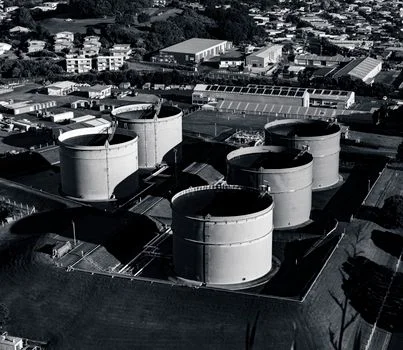
Understanding the financial implications for a municipal sewage treatment plant in Rio de Janeiro Brazil is crucial for procurement managers responding to post-privatization tenders. The $4B privatization benchmark provides a cost anchor for budgeting and supplier bid evaluation, emphasizing the need for transparent and data-driven cost models. For a typical 10,000 PE plant, the CAPEX breakdown in 2026 is estimated as: Civil works (40%), mechanical/electrical equipment (30%), core technology (20%), and permits/engineering (10%).
The total CAPEX range for 2026 projects is projected between $1.2M–$3.5M per 10,000 PE. Nereda systems typically fall at the lower end of this range, while MBR systems represent the higher investment due to advanced membrane technology. This aligns with the competitive pricing seen in the privatization auction, where efficiency and cost-effectiveness were key drivers. The OPEX breakdown is equally important for long-term financial planning: Energy consumption accounts for approximately 40% of operational costs, followed by labor (25%), chemicals (15%), maintenance (10%), and sludge disposal (10%).
OPEX for 2026 is estimated to range from $0.15–$0.30/m³. Nereda systems typically operate at $0.15–$0.20/m³, benefiting from lower energy use and reduced sludge production. MBR systems, with their higher energy demand and membrane replacement costs, are positioned at $0.25–$0.30/m³. Payback periods, assuming an average tariff of $0.50/m³ and 5% annual inflation, are estimated at 8–12 years for Nereda and 10–15 years for MBR. Financing options for these significant investments often include BNDES (Brazilian Development Bank) loans, typically offered at 6–8% interest rates, or Public-Private Partnership (PPP) models with concessions spanning 20–30 years. For more detailed Brazilian CAPEX/OPEX benchmarks, further analysis of regional projects is available.
| Cost Category | Allocation (%) | CAPEX Range (2026, per 10,000 PE) | OPEX Range (2026, per m³) |
|---|---|---|---|
| Civil Works | 40% | $480K–$1.4M | - |
| Mechanical/Electrical | 30% | $360K–$1.05M | - |
| Technology (Nereda/MBR) | 20% | $240K–$700K | - |
| Permits/Engineering | 10% | $120K–$350K | - |
| Total CAPEX (Range) | 100% | $1.2M–$3.5M | - |
| Energy | 40% | - | $0.06–$0.12 |
| Labor | 25% | - | $0.0375–$0.075 |
| Chemicals | 15% | - | $0.0225–$0.045 |
| Maintenance | 10% | - | $0.015–$0.03 |
| Sludge Disposal | 10% | - | $0.015–$0.03 |
| Total OPEX (Range) | 100% | - | $0.15–$0.30 |
Zero-Risk Supplier Selection: How to Win Rio’s Post-Privatization Tenders
Navigating Rio’s post-privatization tenders requires a strategic approach for international suppliers, focusing on comprehensive compliance and robust local partnerships to mitigate risks. A critical compliance checklist includes adherence to Brazilian technical standards such as ABNT NBR 12209 compliance for design and construction, CONAMA 430/2011 for effluent discharge limits, and securing all necessary ANA (National Water Agency) permits. Additionally, comprehensive local environmental impact assessments (EIA/RIMA) are mandatory for project approval.
Local partnership requirements are paramount under Brazil’s 2020 sanitation law, which mandates 30–50% local content credit. This typically necessitates forming joint ventures with established Brazilian firms like BRK Ambiental joint ventures or Odebrecht Ambiental. These partnerships not only ensure compliance with local content rules but also provide invaluable local market knowledge, regulatory navigation, and supply chain integration. Technical evaluation criteria for tenders are heavily weighted towards performance: effluent quality (40% weight), energy efficiency (20%), footprint (15%), CAPEX/OPEX (15%), and maintenance requirements (10%).
A notable case study is Royal HaskoningDHV winning the Deodoro tender with Nereda technology, primarily due to its 60% smaller footprint—a significant advantage in urban Rio—and a projected 30% lower OPEX compared to conventional systems. To mitigate risks, performance bonds (typically 10% of the contract value) are required, along with provisions for liquidated damages in case of non-compliance with performance metrics or timelines. A standard 2-year defect liability period is also common. Understanding these requirements is essential for international firms seeking to capitalize on Latin American supplier selection strategies.
Frequently Asked Questions
What are the discharge limits for Rio municipal sewage plants?
CONAMA 430/2011 sets the national discharge limits for municipal sewage plants, specifically for receiving bodies like Guanabara Bay. Key parameters include COD ≤125 mg/L, BOD ≤60 mg/L, TSS ≤40 mg/L, TN ≤20 mg/L, and TP ≤4 mg/L.
How does Rio’s wet season affect sewage treatment?
Rio’s wet season significantly impacts influent flow rates, which can double from dry weather flows (e.g., Deodoro's 500 L/s to 1,000 L/s). This variability necessitates robust plant designs, often incorporating equalization tanks to buffer peak flows or modular plant configurations that can expand capacity dynamically.
What are the penalties for non-compliance?
Non-compliance with discharge limits or operational permits can result in severe penalties. Fines can reach up to $500K per day (per ANA 2023), in addition to potential contract termination for repeated or egregious violations, and reputational damage for the operating concessionaire.
Can international suppliers bid directly on Rio tenders?
No, direct bidding by international suppliers is generally not feasible. Brazilian legislation, particularly the 2020 sanitation law, mandates local partnerships to achieve 30–50% local content credit. International firms must form joint ventures with Brazilian companies to participate in tenders.
What’s the timeline for a new Rio municipal plant?
The typical timeline for a new municipal sewage treatment plant in Rio de Janeiro Brazil ranges from 24–36 months. This includes approximately 6 months for obtaining all necessary permits and licenses, 12 months for civil works construction, and 6 months for mechanical/electrical installation and commissioning before full operation.
Related Equipment
- pre-treatment for Rio’s high-FOG industrial influent — view specifications, capacity range, and technical data
Need a customized solution? Request a free quote with your specific flow rate and pollutant parameters.