Arizona’s Wastewater Infrastructure: 2026 Snapshot of 118 POTWs
Arizona’s 118 municipal sewage treatment plants (POTWs) serve 5 million residents under some of the nation’s strictest water reuse standards. With 95% of effluent reclaimed for agriculture, aquifer recharge, or industrial use, plants face dual pressures: expanding capacity for rapid-growth corridors (e.g., Phoenix’s 23rd Avenue plant, 63 MGD design capacity) while retrofitting for Direct Potable Reuse (DPR). Current capital projects exceed $1.5B, targeting Advanced Water Purification (AWP) systems to offset Colorado River shortages. This guide provides 2026 engineering specs, compliance benchmarks, and cost-optimized upgrade paths for engineers and procurement teams.
The "One Water" management philosophy in Arizona differs fundamentally from coastal states; without ocean discharge options, every gallon of effluent is viewed as a critical asset. According to 2026 estimates, 70% of the state’s 5,006,856 residents reside within Maricopa County, creating high-density demand for decentralized and satellite reclamation facilities. These plants must navigate the Arizona Department of Environmental Quality (ADEQ) Aquifer Protection Permit (APP) program, which often sets nitrogen and pathogen limits more stringent than federal NPDES requirements to protect groundwater purity.
| Effluent Application | Percentage of Total Reuse | Primary Regulatory Driver | Key Water Quality Parameter |
|---|---|---|---|
| Agriculture & Turf Irrigation | 45% | ADEQ Reclaimed Water Classes (A+/A) | Turbidity, Fecal Coliform |
| Aquifer Recharge | 30% | Aquifer Protection Permit (APP) | Total Nitrogen (<10 mg/L) |
| Industrial Cooling/Process | 20% | Private Operator Specs | TDS, Silica, Hardness |
| Riparian Restoration/Other | 5% | NPDES (Clean Water Act) | Dissolved Oxygen, Ammonia-N |
The state transitions toward 2026 benchmarks, focusing on high-recovery systems. This shift is evident in rapid-growth Pinal and Maricopa corridors, where new greenfield plants are designed with MBR-centric flows to maximize footprint efficiency and effluent quality. For engineers, understanding how Telangana’s arid-region plants compare to Arizona’s infrastructure provides insights into global trends in decentralized water management under similar climatic stress.
Top 20 Arizona Sewage Treatment Plants: Design Capacity, Process Flow, and Compliance Gaps
The 20 largest municipal sewage treatment plants in Arizona represent over 80% of the state's total design capacity.The 91st Avenue facility in Phoenix leads these facilities, with a design capacity of 180 MGD. These facilities serve as the backbone of the "Sun Corridor" and are increasingly becoming hubs for Advanced Water Purification (AWP) retrofits. For instance, the 91st Avenue plant utilizes a multi-stage process including primary clarification, activated sludge with nitrification-denitrification, and tertiary filtration. Recent $12M investments in AWP testing at this site highlight the technical shift toward DPR, though summer ammonia spikes remain a persistent compliance challenge due to higher influent temperatures accelerating biological activity.
| Plant Name (Location) | Design Capacity (MGD) | Primary Process Type | Target Effluent (BOD/TSS) | Compliance Status (EPA ECHO) |
|---|---|---|---|---|
| 91st Avenue (Phoenix) | 180.0 | Activated Sludge / Tertiary | <5 / <5 mg/L | Significant Non-Compliance (Ammonia) |
| 23rd Avenue (Phoenix) | 63.0 | Activated Sludge / BNR | <10 / <10 mg/L | Compliant |
| Ina Road (Tucson) | 50.0 | Bardenpho (5-Stage) | <5 / <5 mg/L | Compliant |
| Northwest (Mesa) | 18.0 | MBR (Membrane Bioreactor) | <2 / <2 mg/L | Compliant |
| Roger Road (Tucson) | 10.0 | MBR Retrofit (2025) | <2 / <2 mg/L | Upgrade Phase |
A critical bottleneck identified in Arizona’s mature systems is bio-solids handling. EPA ECHO data reveals that 25% of compliance violations in Arizona POTWs stem from inefficient sludge dewatering or disposal exceedances. Tucson’s Roger Road plant addressed this by transitioning to MBR membrane bioreactor systems for Arizona’s DPR retrofits, which reduced the physical footprint by 60% while lowering sludge yield compared to traditional secondary clarifiers.
Compliance gaps often widen during the monsoon season. Heavy localized rainfall can lead to inflow and infiltration (I&I) that dilutes influent, disrupting the F/M (Food-to-Microorganism) ratio in activated sludge basins. This results in ammonia-N spikes. Engineers now specify automated chemical dosing and high-rate clarification systems to stabilize these fluctuations, ensuring that the Arizona sewage treatment plant upgrades 2026 targets remain achievable despite climatic volatility.
Treatment Technology Comparison: MBR vs. Conventional vs. DAF for Arizona’s Arid Conditions
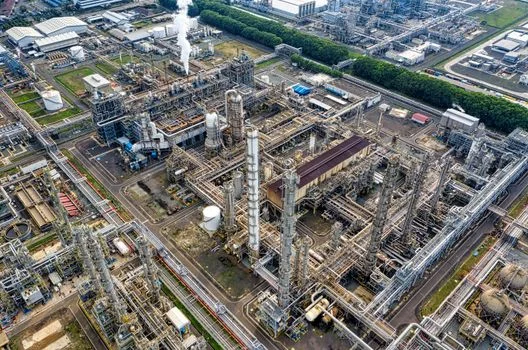
Conventional activated sludge remains the baseline for large-scale plants, but its vulnerability to TSS carryover during peak flows and its large footprint make it less ideal for rapid-growth satellite plants common in Scottsdale or Gilbert. In contrast, Membrane Bioreactors (MBR) provide a physical barrier that ensures effluent turbidity remains below 0.2 NTU, a prerequisite for Direct Potable Reuse.
| Parameter | MBR (HydropureWater DF) | Conventional Activated Sludge | DAF (HydropureWater) |
|---|---|---|---|
| Effluent BOD/TSS | <2 / <1 mg/L | 10–20 / 10–20 mg/L | 20–40 / 15–30 mg/L |
| Footprint (m²/MGD) | 450–600 | 1,200–1,800 | 300–500 (Pre-treatment) |
| Energy (kWh/m³) | 0.7–1.0 | 0.3–0.5 | 0.2–0.4 |
| Pathogen Removal | 99.99% (4-log) | 90% (1-log) | Moderate (FOG focus) |
| DPR Compatibility | High (Direct RO Feed) | Low (Needs MF/UF) | Pre-treatment Only |
For industrial pre-treatment or plants facing high Fats, Oils, and Grease (FOG) from commercial corridors, DAF systems for industrial pre-treatment in Arizona plants offer a high-efficiency solution. While MBRs are the gold standard for high-quality reuse, their higher energy consumption must be weighed against Arizona's energy costs.
The arid climate specifically impacts aeration basin design.High evaporation rates can increase TDS concentrations in the basin, potentially inhibiting sensitive nitrifying bacteria. Modern engineering specs for 2026 favor covered MBR tanks or deep-shaft aeration to minimize water loss and maintain stable temperatures. By integrating MBR membrane bioreactor systems for Arizona’s DPR retrofits, plant managers can achieve the effluent quality required for A+/A reclaimed water classes with significantly less land acquisition than traditional oxidation ditches.
Direct Potable Reuse (DPR) Retrofits: Engineering Specs, Cost Models, and Zero-Risk Compliance
Direct Potable Reuse (DPR) retrofits represent the most technical infrastructure shift in Arizona’s current $1.5B capital cycle.The typical DPR process flow for an inland Arizona plant involves a "Full Advanced Treatment" (FAT) train: Microfiltration (MF) or MBR, followed by Reverse Osmosis (RO), and ending with Advanced Oxidation Processes (AOP) using UV or Chlorine Dioxide. Brine management is the primary engineering challenge for these retrofits, as inland plants cannot discharge RO concentrate into the ocean. Zero Liquid Discharge (ZLD) or high-recovery RO systems are now standard specifications for 2026 projects.
Equipment specifications for these AWP systems are rigorous. RO systems must maintain a TDS rejection rate of >99% to meet drinking water standards, while UV systems are sized for a dose of 40–100 mJ/cm² to achieve 4-log virus inactivation. For disinfection stability, many plants move toward chlorine dioxide disinfection for Arizona’s DPR projects, providing a more persistent residual than UV without byproduct formation associated with traditional chlorination.
The cost model for a 10 MGD DPR retrofit in Arizona breaks down as follows:
- CAPEX: $0.5M to $2.0M per MGD
- OPEX: $0.20 to $0.50 per cubic meter
- Payback: 5–10 years
Compliance is governed by ADEQ’s 2026 DPR guidelines, mandating a 12-month validation period for any new AWP train. Scottsdale’s Advanced Water Treatment Plant (AWTP) serves as a benchmark, producing effluent with TDS <500 mg/L and non-detectable pathogens.
Upgrade Decision Framework: Step-by-Step Guide for Arizona Plant Managers
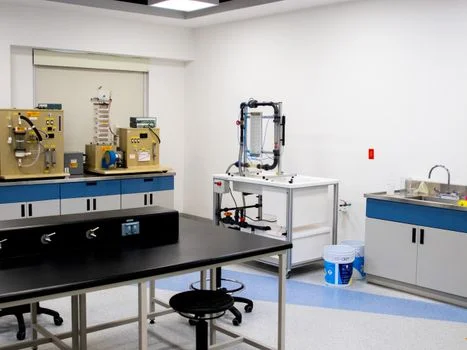
- Performance Audit & Gap Analysis: Compare existing effluent data against APP and NPDES limits.
- Technology Selection: Utilize a decision tree based on reuse goals.
- Bio-solids Strategy: Evaluate the impact of technology on sludge volume.
- Financial Modeling: Apply for low-interest loans through the Water Infrastructure Finance Authority of Arizona (WIFA).
- Compliance Validation: Engage with ADEQ early for a pre-application meeting.
Common pitfalls in Arizona upgrades include underestimating the impact of the monsoon season on secondary clarifiers. Engineers should specify robust equalization basins and automated polymer dosing to mitigate these risks.
Frequently Asked Questions
What are Arizona’s effluent limits for municipal sewage treatment plants?
ADEQ’s Aquifer Protection Permit (APP) generally requires BOD <10 mg/L, T