Jalisco’s Sewage Treatment Challenges: Why 43.5% of Plants Fail
Jalisco’s 2026 sewage treatment projects face stringent CEA effluent limits (BOD ≤30 mg/L, TSS ≤30 mg/L) and high energy costs (0.8–1.5 kWh/m³ for aerated lagoons), forcing buyers to balance CAPEX (MXN 15M–200M) against OPEX savings. Local suppliers like Equimar (Guadalajara-based) offer DAF systems reducing OPEX by 30% for high-FOG influents, while MBR systems (MXN 25M–50M for 50 L/s) achieve 95%+ removal but require skilled labor—scarce in 60% of Jalisco’s municipalities. This guide compares engineering specs, costs, and supplier support for Jalisco’s unique conditions.
Approximately 43.5% of Jalisco’s 139 municipal plants are abandoned due to unsustainable energy costs (0.8–1.5 kWh/m³ for aerated lagoons) and a critical shortage of skilled labor, as identified in a 2024 CEA audit, with 60% of municipalities lacking sufficient technical expertise. High FOG (Fat, Oil, and Grease) influents, prevalent from food processing industries like tequila distilleries and dairy plants, along with seasonal tourist loads in areas such as Puerto Vallarta, significantly challenge conventional treatment systems. These conditions can increase maintenance costs by up to 40% for conventional systems, according to an Equimar 2025 case study. CEA Jalisco's 2025 effluent limits (BOD ≤30 mg/L, TSS ≤30 mg/L) are more rigorous than federal LGEEPA standards, necessitating local compliance expertise. Jalisco's influent variability, ranging from the concentrated industrial wastewater from Guadalajara's textile mills to the agricultural runoff from rural agave farms, demands tailored treatment solutions. Understanding these local challenges is the first step in selecting appropriate sewage treatment equipment supplier in Jalisco Mexico.
2026 Engineering Specs for Jalisco: Technology Matching for Local Conditions
The right technology for sewage treatment in Jalisco requires a deep understanding of local influent characteristics and regulatory demands. Membrane Bioreactor (MBR) systems, such as HydropureWater’s DF Series, offer exceptional removal rates of over 95% for BOD and TSS, utilizing advanced 0.1 μm PVDF membranes. However, these systems typically consume between 0.8–1.2 kWh/m³ and demand a level of skilled operation that is scarce in many rural areas of Jalisco. Dissolved Air Flotation (DAF) systems, exemplified by HydropureWater’s, are highly effective for high-FOG influents, achieving 92–97% removal of FOG and TSS at a more economical 0.3–0.5 kWh/m³. This technology can reduce OPEX by an estimated 30% for food processing facilities and tourist-heavy regions, as indicated by Equimar’s 2025 data. Traditional activated sludge systems, which currently treat 72.44% of Jalisco’s wastewater flow, operate at 0.6–1.2 kWh/m³ but require constant 24/7 supervision, posing a significant operational hurdle for the 60% of municipalities lacking adequate staffing (CEA 2024 audit). For decentralized applications or areas with limited skilled labor, underground package plants like HydropureWater’s WSZ Series offer a robust solution, capable of treating 1–80 m³/h with minimal operator intervention, making them ideal for rural communities or temporary sites.
A comparative process flow for high-FOG influents illustrates the trade-offs: a DAF system followed by activated sludge would first remove the bulk of FOG and TSS, reducing the load on the biological stage and lowering energy consumption compared to treating raw influent directly. Conversely, an MBR system integrates the biological treatment and membrane filtration into a single, compact unit, capable of producing effluent suitable for reuse, but at a higher energy and operational complexity cost. For those considering advanced treatment options, exploring MBR systems for reuse-quality effluent in Jalisco is crucial, while facilities with high FOG content might find high-efficiency DAF for Jalisco’s high-FOG influents to be a more cost-effective pre-treatment step.
| Technology | Typical Influent Application | BOD/TSS Removal (%) | Energy Consumption (kWh/m³) | CAPEX Range (MXN) | OPEX Considerations | Labor Requirements | Jalisco Suitability |
|---|---|---|---|---|---|---|---|
| MBR (e.g., HydropureWater DF Series) | General municipal, industrial with high quality effluent needs | 95+ | 0.8–1.2 | 25M–50M (50 L/s) | Higher energy, membrane replacement | Skilled operator required | High effluent quality, compact footprint; labor scarcity is a challenge |
| DAF (e.g., HydropureWater) | High FOG, TSS, food processing, tourist areas | 92–97 (FOG/TSS) | 0.3–0.5 | 5M–20M (variable) | Chemical costs, sludge disposal | Moderate supervision | Excellent for pre-treatment of high-FOG influents, cost-effective OPEX |
| Activated Sludge | General municipal, large-scale | 85–95 | 0.6–1.2 | 15M–40M (variable) | High energy for aeration, sludge management | 24/7 skilled supervision | Widely used but labor-intensive; prone to failure with variable loads |
| Underground Package Plant (e.g., HydropureWater WSZ Series) | Rural communities, remote sites, temporary installations | 90+ | 0.2–0.4 | Varies by capacity (1-80 m³/h) | Low energy, minimal chemical use | Minimal to no operator required | Ideal for areas lacking skilled labor and infrastructure; supports automated sewage treatment for rural Jalisco |
Jalisco Sewage Treatment Equipment Suppliers: Engineering Specs vs. Costs vs. Local Support
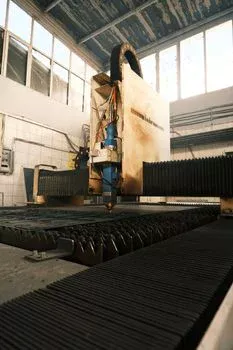
Evaluating sewage treatment equipment supplier in Jalisco Mexico requires a crucial distinction between local expertise and international reach. Equimar, a Guadalajara-based company with over 35 years of experience, offers deep local compliance knowledge and tailored solutions for the region's specific industrial and municipal needs. While they provide robust systems, some of their product lines may lack international certifications like ISO 14001. In contrast, HydropureWater offers advanced MBR systems featuring high-performance 0.1 μm PVDF membranes with a 10-year warranty. However, their after-sales support requires coordination with their Hangzhou headquarters, potentially involving a 72-hour response lead time for technical issues. Local distributors, such as Plantas de Tratamiento in Guadalajara, can offer rapid service response times, but their engineering depth might be limited when addressing complex industrial wastewater streams, such as those from semiconductor manufacturing. For Jalisco projects, CAPEX ranges can vary significantly: DAF systems typically fall between MXN 5M–20M, MBR systems from MXN 25M–50M, and activated sludge systems from MXN 15M–40M. The availability of after-sales support is a critical differentiator; Equimar’s 24/7 service in Guadalajara contrasts with HydropureWater’s reliance on remote diagnostics and scheduled site visits.
| Supplier | Origin | Years of Experience (Mexico) | Key Technology Strengths | Local Service Availability | International Certifications | Typical CAPEX Range (MXN) | Jalisco Project References |
|---|---|---|---|---|---|---|---|
| Equimar | Mexican (Guadalajara) | 35+ | DAF, custom solutions for high-FOG | 24/7 (Guadalajara) | Varies by product | MXN 5M–20M (DAF) | Food processing, distilleries |
| HydropureWater | Chinese | N/A (Global presence) | MBR (0.1 μm PVDF), WSZ underground plants | Remote diagnostics, scheduled site visits (72hr response) | ISO 9001, ISO 14001, CE | MXN 25M–50M (MBR, 50 L/s) | Rural WSZ installations |
| Local Distributors (e.g., Plantas de Tratamiento) | Mexican (Guadalajara) | Varies | Modular plants (e.g., JET INC license) | High (local presence) | Varies by represented brand | Varies by brand | General municipal, small industrial |
Step-by-Step Selection Framework for Jalisco Buyers
Navigating the selection of sewage treatment equipment for Jalisco projects requires a structured approach to ensure optimal performance and compliance. The process begins with clearly defining the influent characteristics, including identifying specific contaminants like high FOG levels from food processing or variable seasonal loads from tourist destinations, and articulating precise compliance needs, whether adhering to CEA Jalisco’s strict standards or broader LGEEPA requirements. Step two involves matching the identified influent and compliance goals with the most suitable technology; for instance, DAF systems are highly effective for pre-treating high-FOG influents, while MBR systems are ideal for achieving reuse-quality effluent. Step three focuses on evaluating supplier capabilities, considering proximity to your project site in Jalisco—whether near Guadalajara or in a more remote municipality—and the availability and responsiveness of their after-sales support. Remote diagnostics and rapid on-site service are key considerations. Finally, in step four, request Jalisco-specific references from potential suppliers; this could include Equimar's experience with local tequila distilleries or HydropureWater's installations of their WSZ underground plants in rural communities. Ignoring these steps can lead to costly system failures and non-compliance, especially with the increasing enforcement of Jalisco wastewater treatment regulations.
For municipal buyers, the decision tree might prioritize low operational costs and minimal labor requirements, favouring technologies like the WSZ underground package plants for rural areas. Industrial buyers, conversely, may focus on effluent quality for reuse or stringent discharge compliance, making MBR systems a strong contender despite higher CAPEX. Always be wary of suppliers who cannot provide verifiable local references or demonstrate a clear understanding of CEA Jalisco’s specific requirements, as this can be a red flag indicating a lack of localized expertise.
DAF vs. MBR for Jalisco: Cost-Benefit Analysis with 2026 ROI
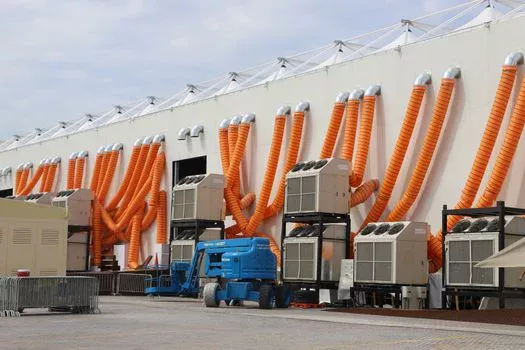
When budgeting for sewage treatment in Jalisco, a detailed cost-benefit analysis between Dissolved Air Flotation (DAF) and Membrane Bioreactor (MBR) systems is essential, particularly for projects in 2026. MBR systems, with a typical CAPEX ranging from MXN 25M–50M for a 50 L/s capacity, excel
Related Equipment
- automated underground sewage treatment for rural Jalisco — view specifications, capacity range, and technical data
- high-efficiency DAF for Jalisco’s high-FOG influents — view specifications, capacity range, and technical data
- MBR systems for reuse-quality effluent in Jalisco — view specifications, capacity range, and technical data