Why Moscow Hospitals Fail Rospotrebnadzor Wastewater Inspections
Rospotrebnadzor’s 2023-2024 inspection data indicates that approximately 42% of Moscow hospitals failed to meet SanPiN 2.1.3684-21 standards due to excessive Chemical Oxygen Demand (COD) and Biological Oxygen Demand (BOD) levels in their effluent. These failures are rarely the result of total system negligence; rather, they stem from the inability of conventional activated sludge systems to neutralize modern medical contaminants. Hospital wastewater is fundamentally different from municipal sewage, characterized by high concentrations of persistent organic pollutants (POPs), including antibiotics like amoxicillin (50-200 μg/L) and analgesics such as ibuprofen (10-50 μg/L). When these substances bypass treatment, they trigger regulatory red flags during Rospotrebnadzor’s unannounced sampling protocols.
The presence of pathogens in medical wastewater presents a secondary, more severe compliance risk. Fecal coliform counts in untreated Moscow hospital effluent often range between 10³ and 10⁵ CFU/100mL. Under SanPiN 2.1.3684-21, any discharge exceeding 100 CFU/100mL is categorized as a high-risk violation. For facility managers, the consequences of these exceedances are no longer just administrative warnings. Penalties for non-compliance now include fines up to ₽500,000 per violation, mandatory operational shutdowns for up to 90 days, and significant reputational damage that can impact a hospital's accreditation and government funding eligibility.
A typical case example involves a 300-bed hospital in Moscow’s Central Administrative Okrug that recently faced closure threats due to recurring COD readings of 450 mg/L. By retrofitting their existing infrastructure with an integrated MBR system for hospital wastewater in Moscow and a chlorine dioxide polishing stage, the facility successfully reduced COD to 80 mg/L and eliminated detectable pathogens. This technical upgrade allowed the hospital to avoid a pending ₽350,000 fine and established a baseline for potential water reuse in cooling towers, demonstrating that technical compliance is the only viable path to long-term operational security.
Moscow’s Regulatory Standards for Hospital Wastewater: SanPiN 2.1.3684-21 and Beyond
SanPiN 2.1.3684-21 establishes the primary regulatory framework for Moscow hospital effluent, mandating specific thresholds for organic loads, suspended solids, and microbiological indicators before discharge into municipal sewers or the environment. Unlike general municipal standards, these regulations prioritize the neutralization of infectious agents and the stabilization of pharmaceutical residues. In Moscow, local amendments to federal standards often impose stricter limits on nutrients, such as ammonia (≤2 mg/L) and phosphorus (≤1 mg/L), to protect the Moskva River watershed from eutrophication. Compliance requires not just meeting these numbers at the point of discharge, but maintaining them through fluctuating hospital occupancy and surgical schedules.
Monitoring frequency is a critical component of compliance that many procurement officers overlook. Rospotrebnadzor requires daily monitoring for COD and BOD, while pathogen testing must occur weekly. quarterly screenings for specific pharmaceutical markers are becoming standard for large-scale clinical centers. If a hospital intends to implement water reclamation—using treated effluent for irrigation or technical cooling—the requirements shift toward WHO drinking water guidelines, necessitating advanced disinfection technologies like UV or chlorine dioxide generators for hospital effluent disinfection to ensure zero microbial regrowth in the distribution lines.
| Parameter | SanPiN 2.1.3684-21 Limit | Moscow Local Amendment | Monitoring Frequency |
|---|---|---|---|
| COD (Chemical Oxygen Demand) | ≤150 mg/L | ≤120 mg/L (Sensitive Zones) | Daily |
| BOD (Biological Oxygen Demand) | ≤10 mg/L | ≤5 mg/L | Daily |
| TSS (Total Suspended Solids) | ≤20 mg/L | ≤15 mg/L | Weekly |
| Fecal Coliforms | <100 CFU/100mL | <10 CFU/100mL (Reuse) | Weekly |
| Ammonia (NH₄-N) | N/A | ≤2 mg/L | Bi-weekly |
| Residual Chlorine | 0.3-0.5 mg/L | 0.3-0.5 mg/L | Continuous/Daily |
For engineers designing these systems, it is essential to reference ammonia removal techniques for hospital wastewater pretreatment when influent levels exceed the 30 mg/L threshold, as high nitrogen loads can interfere with membrane performance and disinfection efficiency. Understanding these Moscow-specific nuances ensures that the equipment selected is not just "functional" but fully compliant under the scrutiny of Rospotrebnadzor inspectors.
Treatment Technologies Compared: MBR vs. Electrocoagulation vs. Chlorine Dioxide for Moscow Hospitals
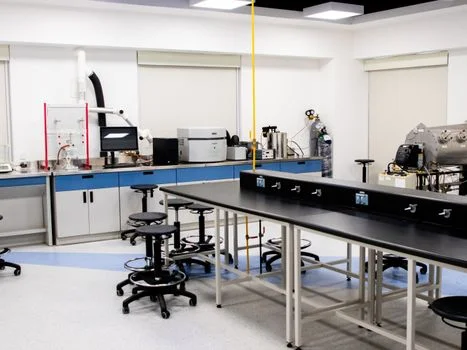
Selecting between Membrane Bioreactors (MBR), electrocoagulation, and chlorine dioxide depends on a Moscow hospital's specific influent profile, with MBRs typically favored for pathogen-heavy flows and electrocoagulation for pharmaceutical-rich streams. MBR technology combines biological treatment with ultrafiltration, using 0.1 μm pore sizes to achieve 97% COD removal and 99.9% pathogen reduction. This is particularly advantageous for Moscow hospitals with limited space, as MBR systems have a footprint 60% smaller than traditional activated sludge plants. The process flow typically involves an anoxic zone for denitrification, an aerobic zone for carbonaceous removal, and the membrane module for physical separation.
Electrocoagulation (EC) serves as an advanced primary or secondary treatment specifically designed to target pharmaceutical residues that biological processes cannot degrade. By using aluminum or iron electrodes, EC systems achieve 85-95% removal of antibiotics and analgesics through destabilization and precipitation. While EC requires pH adjustment (typically 6.5-7.5) and has an energy consumption of 0.5-1.5 kWh/m³, it is highly effective at reducing the "chemical footprint" of hospital effluent. When combined with compact hospital wastewater treatment systems for Moscow clinics, EC can significantly extend the life of downstream membranes by removing recalcitrant organics.
Chlorine dioxide (ClO₂) generators represent the gold standard for final disinfection in the Russian medical sector. Unlike liquid bleach, ClO₂ provides a stable residual effect that prevents biofilm formation in hospital piping, which is essential for water reuse. CAPEX for these units, such as HydropureWater’s, ranges from ₽1.2M to ₽5M depending on the 50-200 g/h dosing requirement. Hybrid systems are increasingly common in Moscow; for example, an MBR system followed by ClO₂ ensures both SanPiN compliance and the ability to meet WHO-level safety for non-potable reuse applications. This dual-barrier approach mitigates the risk of pathogen breakthrough during peak flow events.
| Feature | MBR (Membrane Bioreactor) | Electrocoagulation (EC) | Chlorine Dioxide (ClO₂) |
|---|---|---|---|
| Primary Goal | COD/BOD & Pathogen Removal | Pharmaceutical & Heavy Metal Removal | Final Disinfection & Residual Effect |
| COD Removal Efficiency | 95-98% | 70-80% | Low (Oxidation only) |
| Pathogen Reduction | 99.9% (Log 4+) | 60-70% | 99.99% (Log 5+) |
| Footprint | Very Compact | Moderate | Minimal |
| Best For | General Hospital Effluent | Oncology/Lab Wastewater | Reuse & Pathogen Control |
Engineering Specs for Moscow Hospital Wastewater Systems: Influent, Effluent, and Process Parameters
Engineering parameters for Moscow hospital wastewater systems must account for high influent variability, with COD levels ranging from 300 mg/L in general clinics to over 800 mg/L in specialized infectious disease centers. Sizing equipment based on average flow is a common error; Moscow municipal engineers recommend sizing for 1.5x peak hourly flow to account for morning sterilization and laundry cycles. For a 100-bed hospital, this typically translates to an influent flow of 50-100 m³/day, whereas a 500-bed facility may require systems capable of handling 250-500 m³/day with high TSS loads (up to 500 mg/L).
For MBR systems, the Mixed Liquor Suspended Solids (MLSS) should be maintained between 8 and 12 g/L to optimize biological activity while preventing membrane fouling. Sludge Retention Time (SRT) is typically set at 20-30 days to ensure the breakdown of complex medical organics. HydropureWater MBR product specs suggest a membrane flux of 15-25 LMH (liters per square meter per hour) with an aeration rate of 0.2-0.4 m³/m²·h to maintain membrane scouring. These parameters are crucial for ensuring the system survives the cold Moscow winters, where influent temperatures can drop, slowing biological kinetics.
| Process Parameter | MBR System Value | Electrocoagulation Value | ClO₂ Dosing Value |
|---|---|---|---|
| MLSS / Current Density | 8-12 g/L | 10-30 A/m² | N/A |
| Retention Time (HRT) | 6-10 Hours | 30-60 Minutes | 15-30 Minutes (Contact) |
| Membrane Flux / pH | 15-25 LMH | 6.5-7.5 pH | 2-5 mg/L (Dose) |
| Sludge Production | 0.2-0.4 kg/m³ | 0.1-0.3 kg/m³ | Zero |
| Energy Demand | 0.8-1.2 kWh/m³ | 0.5-1.5 kWh/m³ | <0.1 kWh/m³ |
Electrocoagulation systems require precise current density control (10-30 A/m²) to manage electrode consumption and sludge production. If the current is too high, electrode replacement costs will escalate; if too low, pharmaceutical removal will drop below the 85% target. Engineers should also note that Moscow's water hardness can impact electrode scaling, necessitating automated polarity reversal every 15-30 minutes. This level of technical detail is often what separates successful installations from those that fail within the first year of operation.
Cost Breakdown: CAPEX and OPEX for Hospital Wastewater Treatment in Moscow
Capital expenditure (CAPEX) for Moscow hospital wastewater systems typically ranges from ₽15M to ₽40M for MBR configurations handling 100-500 m³/day. While electrocoagulation systems have a lower entry price (₽8M-₽25M), they often require more frequent consumable replacements. Procurement managers must look beyond the initial purchase price to the Total Cost of Ownership (TCO). In Moscow, operating expenses (OPEX) are heavily influenced by local electricity rates of approximately ₽6.5/kWh and labor costs for skilled operators, which range from ₽800 to ₽1,200 per hour. An MBR system for a 300-bed hospital will typically incur annual OPEX of ₽4M-₽5M, covering energy, chemicals, and membrane replacement every 5-7 years.
The Return on Investment (ROI) for these systems is driven by three primary factors: fine avoidance, water reuse savings, and government subsidies. Avoiding a single Rospotrebnadzor fine of ₽500,000 and the subsequent legal fees provides immediate fiscal relief. a 300-bed hospital using reclaimed water for green space irrigation can save approximately ₽1.5M per year in municipal water fees. Moscow’s 2026 sustainability grants also provide potential subsidies for hospitals adopting "green" technologies like MBR and ClO₂, which can offset up to 20% of the initial CAPEX.
| Cost Component | MBR System (300 m³/day) | Electrocoagulation (300 m³/day) | ClO₂ Generator (Large) |
|---|---|---|---|
| Estimated CAPEX | ₽25M - ₽35M | ₽15M - ₽22M | ₽3M - ₽5M |
| Annual OPEX (Energy) | ₽2.2M (at ₽6.5/kWh) | ₽1.8M (at ₽6.5/kWh) | ₽0.2M |
| Consumables / Year | ₽0.8M (Membranes/Chem) | ₽1.2M (Electrodes) | ₽0.6M (Precursors) |
| Maintenance Labor | ₽1.0M | ₽0.8M | ₽0.4M |
| Total Annual OPEX | ₽4.0M | ₽3.8M | ₽1.2M |
When comparing these costs to international benchmarks, such as how Dubai hospitals comply with stringent wastewater regulations, it is clear that Moscow's utility costs and specialized labor market create a unique OPEX profile. Moscow facilities must prioritize energy-efficient blowers and high-durability membranes to keep long-term costs manageable within municipal healthcare budgets.
Zero-Risk Equipment Selection Checklist for Moscow Hospitals
A zero-risk selection process for Moscow hospital wastewater equipment requires a five-step technical validation that aligns system capacity with both peak hourly flow and specific pharmaceutical removal targets. Following this framework reduces decision paralysis and ensures that the chosen system will pass Rospotrebnadzor inspections from day one.
- Step 1: Define Effluent Goals: Determine if the goal is simple sewer discharge (SanPiN 2.1.3684-21) or high-grade reuse. This dictates whether you need a standalone MBR or a hybrid system with ClO₂.
- Step 2: Size Based on Peak Load: Calculate influent flow not by bed count alone, but by actual water meter data from the last 24 months. Ensure the system can handle a 500-bed hospital's load of 250-500 m³/day.
- Step 3: Technology Selection: Use the decision matrix: MBR for total pathogen control, Electrocoagulation for high pharmaceutical loads (Oncology/Research), and ClO₂ for guaranteed disinfection.
- Step 4: Verify Certifications: Request ISO 9001 certifications, Rospotrebnadzor equipment approval, and at least three case studies from Moscow-based medical facilities.
- Step 5: Implement a Pilot Test: Before full-scale deployment, run a 3-month pilot test using a mobile unit to validate COD and antibiotic removal rates under actual hospital influent conditions.
By following these steps and selecting high-performance units like MBR systems for hospital wastewater in Moscow, facility managers can transition from reactive compliance to proactive environmental stewardship. This approach not only secures the hospital's license to operate but also positions the facility as a leader in Moscow’s urban sustainability initiatives.
Frequently Asked Questions
What are the most common contaminants in Moscow hospital wastewater?
The most challenging contaminants are antibiotics (amoxicillin 50-200 μg/L), analgesics (ibuprofen 10-50 μg/L), and fecal coliforms (10³-10⁵ CFU/100mL). These pharmaceuticals are resistant to standard biological treatment and require advanced oxidation or membrane filtration to meet SanPiN 2.1.3684-21 standards.
How much does a hospital wastewater treatment system cost in Moscow?
CAPEX typically ranges from ₽8M for a basic electrocoagulation unit (100 m³/day) to ₽40M for a full-scale MBR system (500 m³/day). Annual OPEX ranges from ₽1.8M to ₽6M, heavily influenced by Moscow’s electricity rate of ₽6.5/kWh and the cost of specialized maintenance labor.
What is the best technology for removing pharmaceuticals from hospital wastewater?
Electrocoagulation is the most effective standalone technology for pharmaceuticals, removing 85-95% of drug residues. However, for total compliance including pathogen removal, a hybrid system—combining MBR with electrocoagulation—achieves the highest removal rates (90-98%).
Can hospital wastewater be reused in Moscow?
Yes, treated effluent can be reused for irrigation, toilet flushing, or cooling towers if it meets WHO drinking water standards. This requires advanced disinfection, typically via chlorine dioxide generators for hospital effluent disinfection, to ensure the water is free of pathogens and pharmaceutical markers.
How often should hospital wastewater treatment systems be maintained in Moscow?
MBR membranes require chemical cleaning every 3-6 months and full replacement every 5-7 years. Electrocoagulation electrodes must be replaced every 2-3 years depending on current density. Chlorine dioxide generators require monthly calibration and a steady supply of chemical precursors to maintain disinfection efficacy.